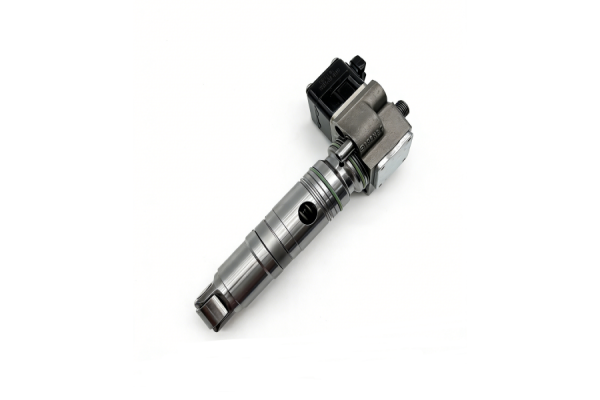
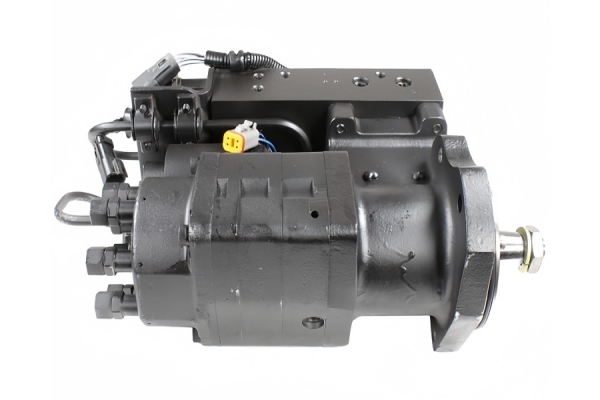
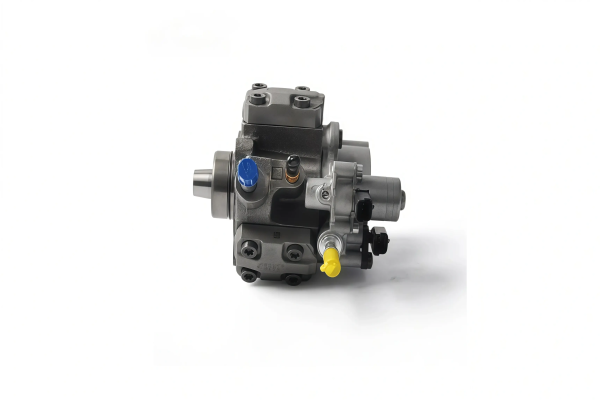
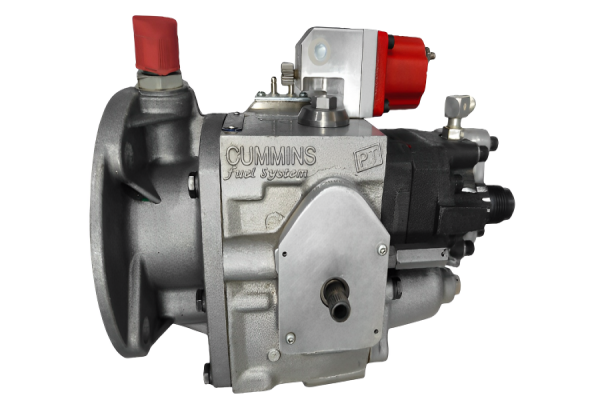
1. The Bosch P7100 "Inline" Pump (1989–2002)
*Commonly found in: 5.9L 12-Valve and 24-Valve Cummins (Dodge Ram 2500/3500)*
This is a mechanically controlled pump, often referred to as the "Godzilla" pump or simply the "P-Pump" by enthusiasts. It is widely regarded as one of the most robust diesel injection pumps ever made.
Structural Features
Mechanical Governor: It uses weights and springs to control fuel delivery based on engine speed, rather than a computer. This makes it simple and independent of electronic sensors.
External Fuel Lines: You can visibly see the steel high-pressure lines running from the pump to each injector.
Lubrication: It is lubricated by the engine oil, not the diesel fuel itself.
Plunger and Barrel Design: It uses a separate plunger and barrel assembly for each cylinder, allowing for extremely precise fuel metering at the pump level.
Performance Advantages
Durability & Tuning: Because it is mechanical, it does not care about electronic "tune" limits. You can turn up the fuel by simply adjusting the star wheel or changing the fuel plate. It can handle over 600 horsepower on a stock pump and well over 1,000 horsepower with modifications.
Fuel Tolerance: Since it is oil-lubricated (not fuel-lubricated), it is far less likely to be destroyed by a single tank of bad or contaminated diesel. It is essentially "bulletproof."
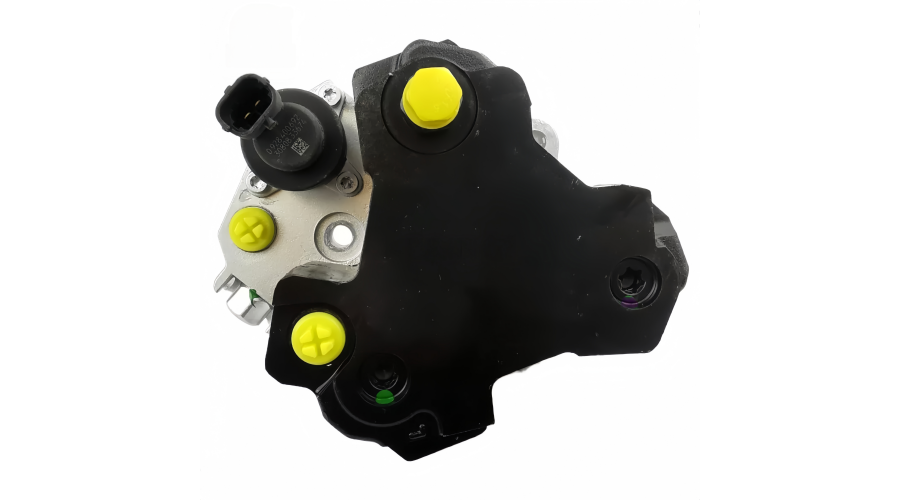
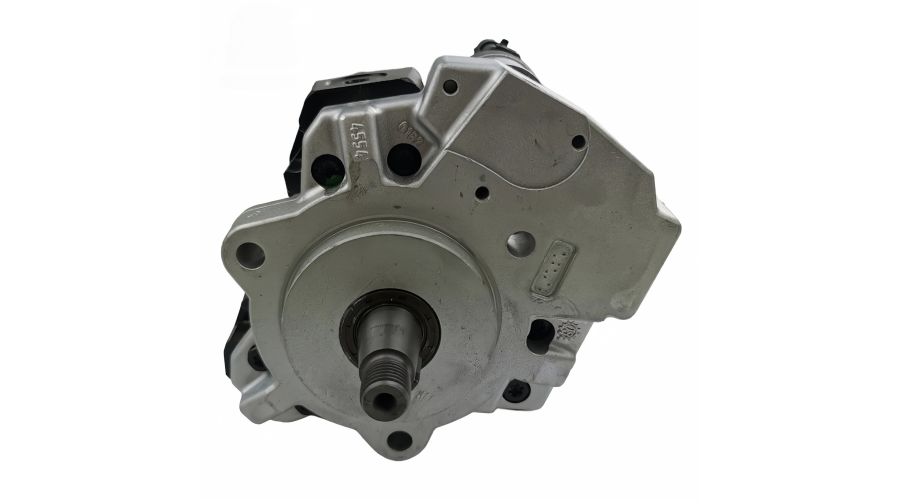
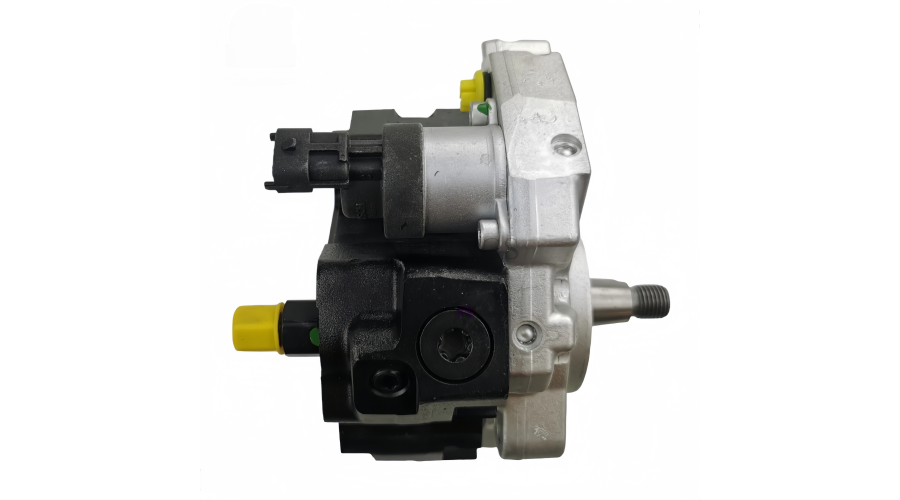
2. Bosch CP3 (2003–2018)
*Commonly found in: 5.9L and 6.7L Cummins (Dodge/Ram), 3.0L EcoDiesel (Jeep Grand Cherokee/Ram 1500)*
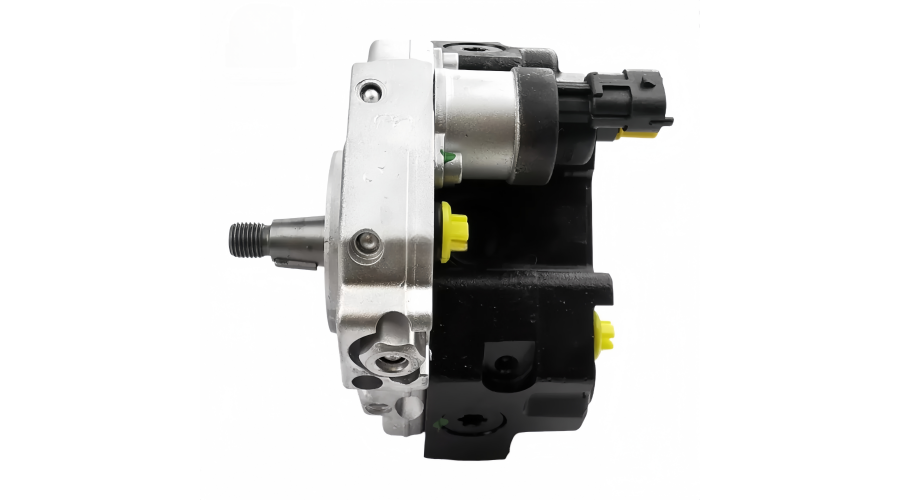
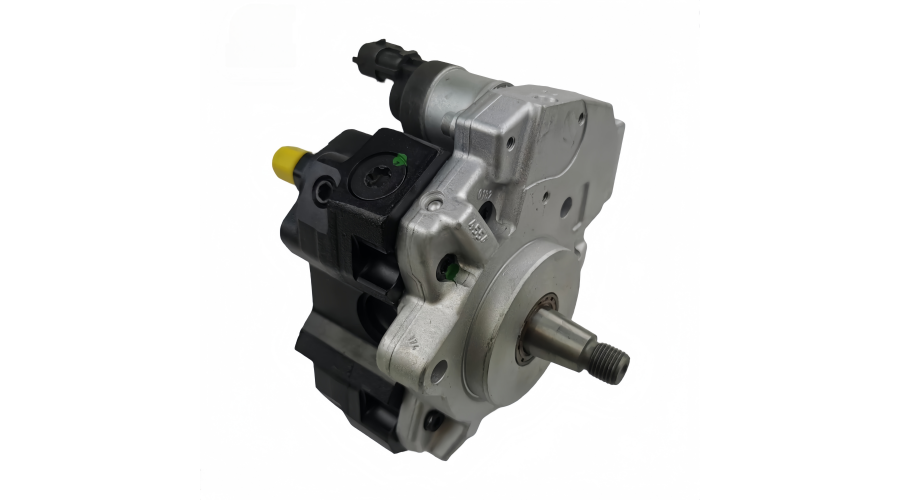
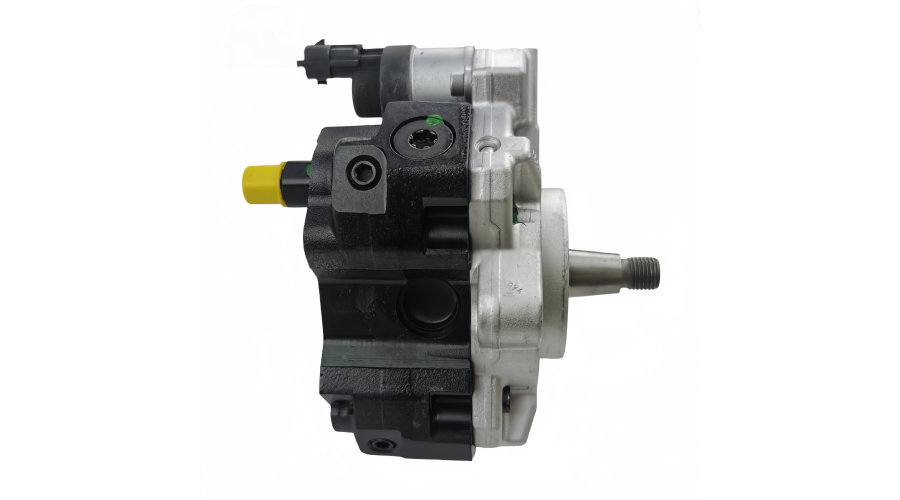
The CP3 is a radial piston pump that introduced High-Pressure Common Rail (HPCR) technology to the Ram trucks. It is the favorite pump of the diesel community due to its reliability.
Structural Features
Radial Piston Design: It uses three small pistons arranged radially (like a Mercedes star) that are pushed inward and outward by a rotating shaft to generate pressure.
Fuel-Lubricated: Unlike the old P7100, the CP3 is lubricated and cooled by the diesel fuel flowing through it.
ECU Controlled: It uses a Fuel Control Actuator (FCA) controlled by the engine computer to regulate rail pressure.
Separation from Injectors: It only generates pressure; it does not time the injection. It pumps fuel into a "rail" (a tube) that feeds all the injectors.
Performance Advantages
High Pressure: It can generate significantly higher pressures (up to ~26,000 PSI) than the old P7100, allowing for better atomization of fuel. This leads to cleaner emissions and better fuel economy.
Reliability: It is generally overbuilt. It can handle high horsepower levels (800+ hp) and is known for lasting hundreds of thousands of miles if kept clean.
Controllability: Because the computer controls the pressure, it allows for multiple injection events (pilot injection, main injection, post injection), which makes the engine quieter and smoother.
3. Bosch CP4 (2019–Present)
Commonly found in: 6.7L Cummins (Ram HD), 3.0L EcoDiesel (later models)
The CP4 was introduced to meet stricter emissions standards. It is smaller and more efficient but has a controversial reputation regarding reliability. *Note: Ram has recently started moving away from the CP4 in some heavy-duty trucks due to reliability concerns.*
Structural Features
Compact Design: It is smaller and lighter than the CP3.
Two-Plunger Design: Instead of three plungers (like the CP3), it uses two plungers.
Integrated Transfer Pump: It combines the low-pressure lift pump and the high-pressure pump into one unit.
Fuel-Lubricated: Like the CP3, it relies on diesel fuel for lubrication.
Performance Advantages
Efficiency: It requires less horsepower to drive than the CP3, meaning slightly less parasitic loss on the engine (marginally better fuel economy).
Pressure Stability: It is very good at maintaining a steady rail pressure at high RPMs.
Emissions: It helps the engine meet the strictest emissions standards (especially regarding soot reduction).
Performance Disadvantage
Lubrication Sensitivity: The CP4 has tighter internal tolerances. If the diesel fuel has poor lubricity (like some ultra-low-sulfur diesel) or contains water, the pump can self-destruct and send metal shrapnel through the entire fuel system (injectors, rails, lines), resulting in a $10,000+ repair bill.
Summary Table
| Feature | Bosch P7100 (Inline) | Bosch CP3 (Radial) | Bosch CP4 (Radial) |
|---|
| Control Type | Mechanical | Electronic (ECU) | Electronic (ECU) |
| Lubrication | Engine Oil | Diesel Fuel | Diesel Fuel |
| Max Pressure | ~20,000 PSI | ~26,000 PSI | ~29,000 PSI |
| Primary Advantage | Durability / Tuning | Reliability / Power | Efficiency / Emissions |
| Vulnerability | None (mechanical) | Contamination | Lubrication / Failure rate |