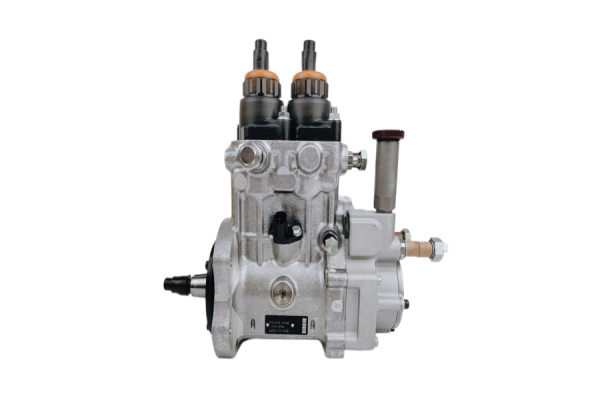
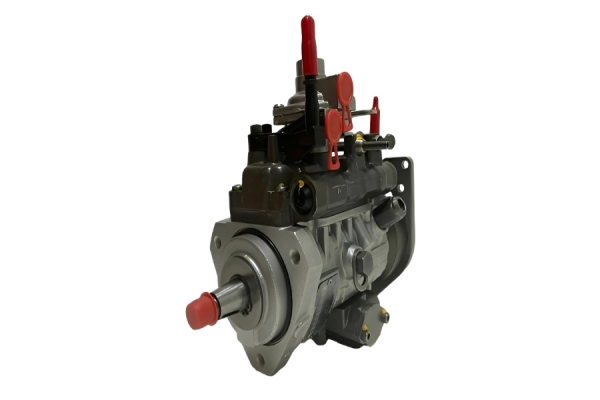
Work in a clean environment.
Completely clean the pump mounting area on the engine before disassembly. Use lint-free rags and plastic sheeting/tape to cover any openings.
The PT system is sensitive to dirt and debris. A single contaminant can destroy the pump or injectors.
Removal & Handling Precautions
Proper Lock-Out: Disconnect the vehicle batteries to prevent accidental cranking.
Mark and Tag Everything:
Mark the gear position relative to the pump housing before disassembly (for initial alignment on reinstall).
Tag all fuel lines, hoses, and electrical connections. Take reference photos.
Plug All Openings: The moment fuel lines or the pump are removed, immediately plug all open ports, lines, and the engine block fuel gallery with clean, plastic caps or plugs. Never use shop rags—they leave lint.
Installation & Calibration Precautions (MOST CRITICAL)
Use New Seals & Gaskets: Always use the complete, new seal kit provided with the pump. This includes:
Pump mounting gasket.
Transfer tube O-rings (a common leak point).
All fuel line washers and seals.
Priming the System: DO NOT CRANK THE ENGINE to prime the pump. This will run it dry and cause immediate damage.
Fill the new fuel filter with clean fuel.
Use a manual priming tool or a low-pressure electric pump to push fuel through the system until air-free fuel flows from the return line. The pump must be gravity/pressure fed before startup.
Pump-to-Engine Timing (Static Timing): This is a mandatory, precise mechanical procedure.
You must use a dial indicator to set the correct plunger stroke at the specified timing mark (e.g., Top Dead Center compression stroke for cylinder #1).
Do not guess or "eyeball" the gear mesh. Incorrect static timing will lead to poor performance, smoke, and potential piston/valve damage.
STC Timing Calibration (Dynamic Timing): This is an electronic calibration required for ISM/QSM engines.
You must use the Cummins INSITE diagnostic software or equivalent professional tool.
The ECM's "learned" timing offset for the old pump is invalid. You must perform the "STC Timing Calibration" procedure so the ECM knows the exact relationship between the STC actuator command and actual injection timing.
Skipping this step will result in poor fuel economy, excessive emissions, and likely fault codes.
Post-Installation & Final Checks
Initial Startup & Inspection: