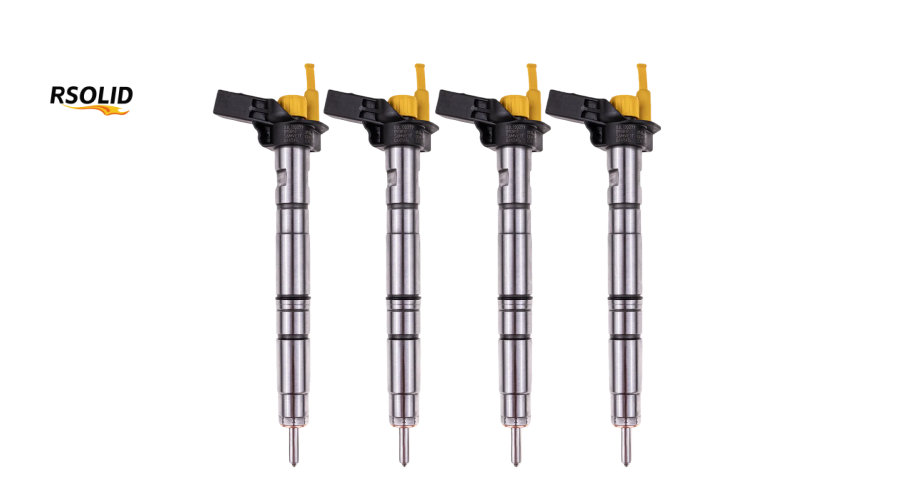
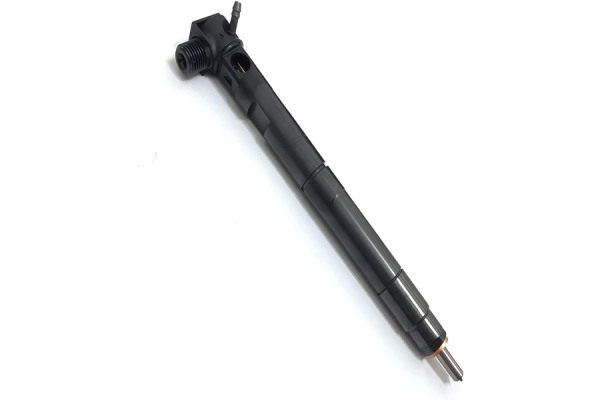
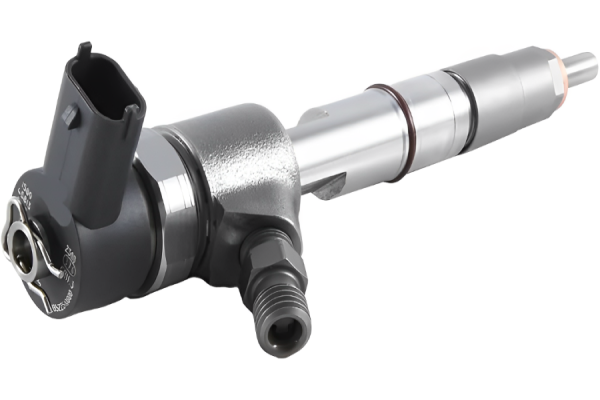
You cannot mix and match different calibration codes without coding the new injector to the ECU using a diagnostic tool (like DAS, STAR, or other capable scanners). Even then, replacing with the same code is ideal.
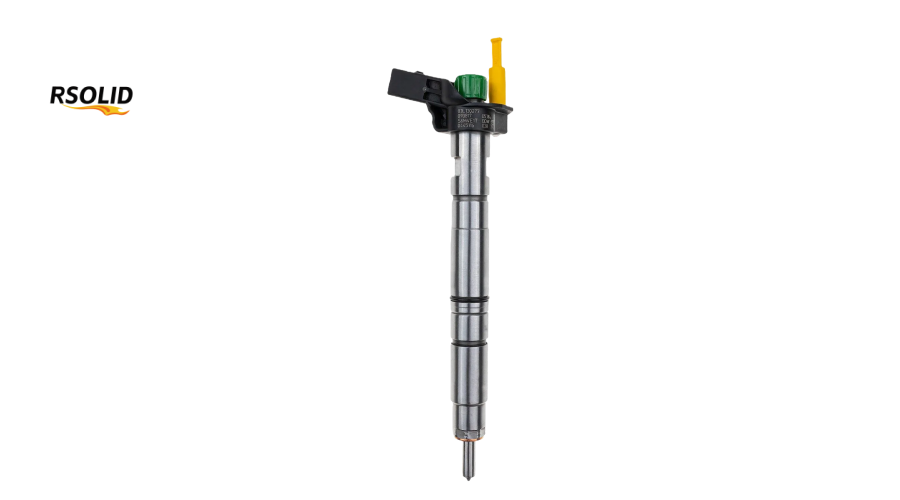
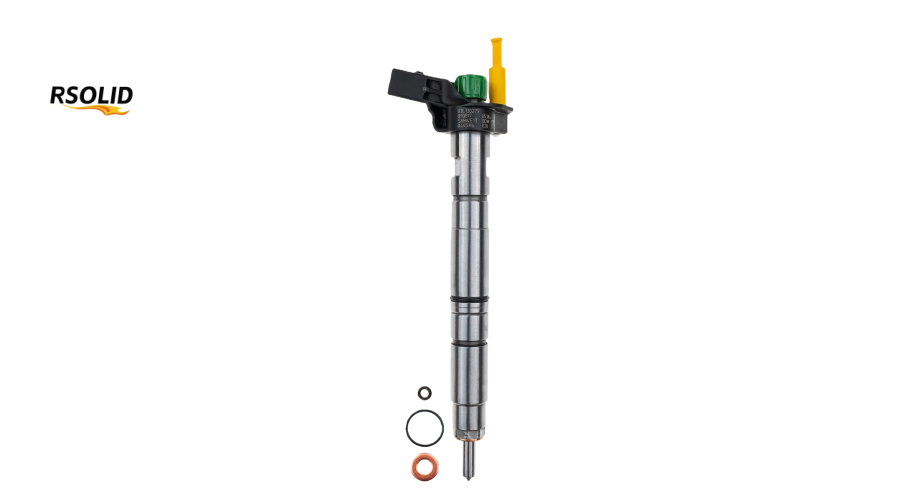
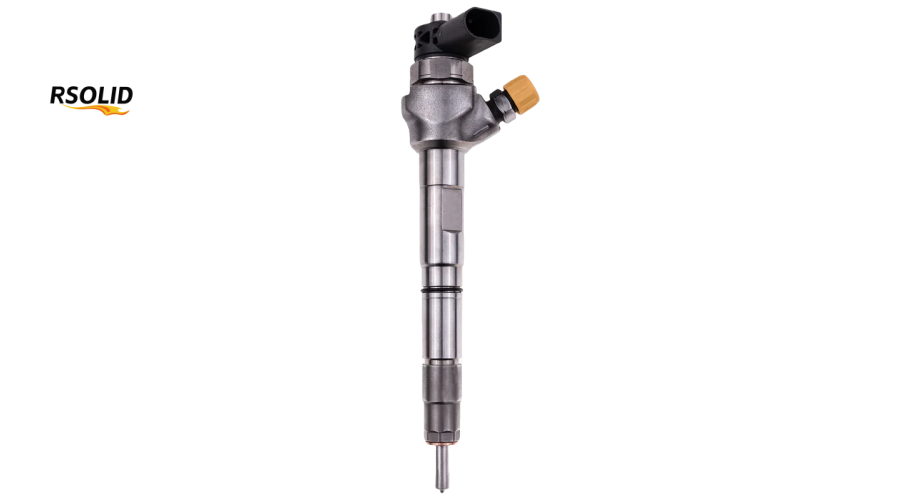
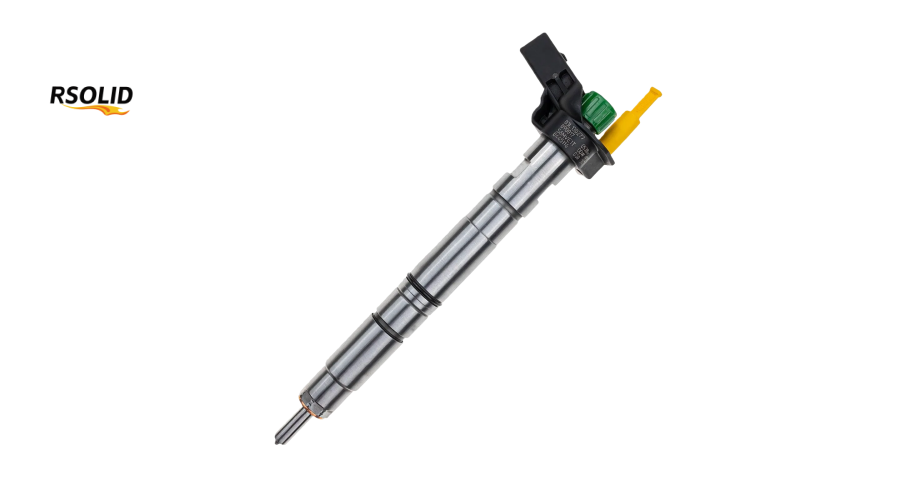
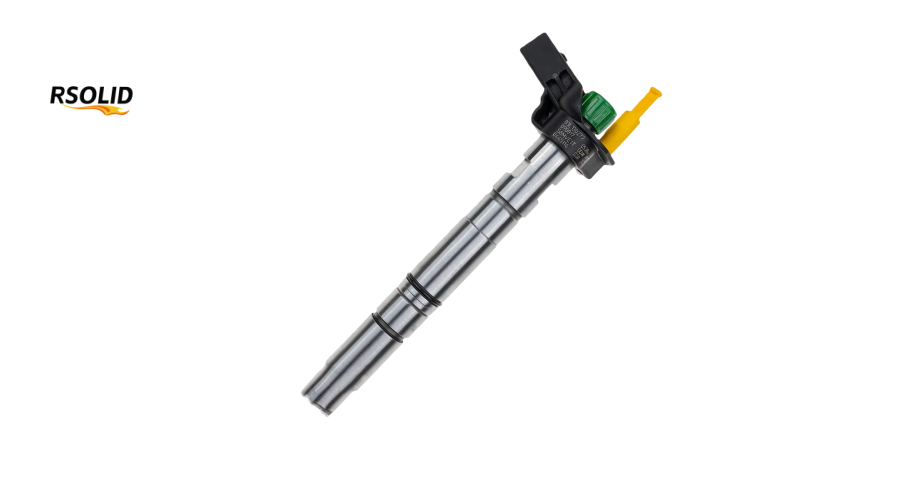
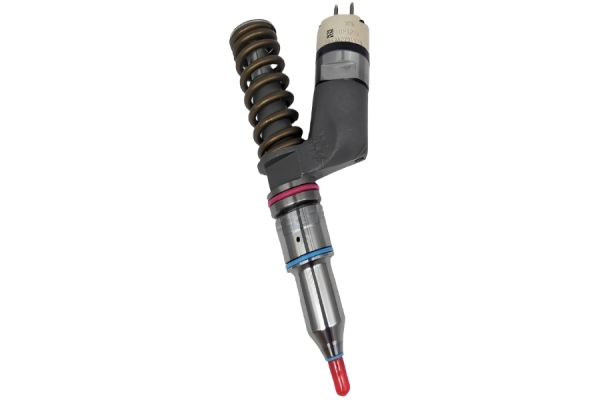
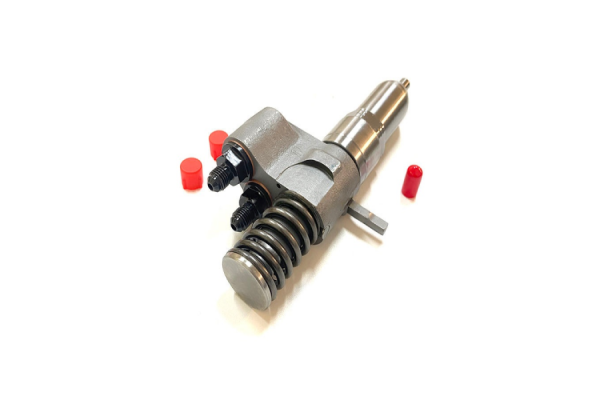
The Bosch solenoid diesel injector represented by part number 0445115069 was a landmark in diesel technology in the late 1990s/early 2000s. Its structural design offered significant advantages over the previous generation of diesel injection systems (like distributor pumps or unit injectors).
Here are the key structural advantages of this injector and the Common Rail system it belongs to:
1. Separation of Pressure Generation and Injection
Advantage: Decoupling of functions. In older systems, pressure generation and fuel injection were mechanically linked in the same unit (e.g., a pump-nozzle). In this Common Rail design, the high-pressure pump generates pressure independently, stores it in the "common rail" (a high-pressure accumulator), and the injector simply acts as a fast, electronically-controlled valve.
Benefit: This allows for extremely high, consistent injection pressure (up to ~1,600 bar) regardless of engine speed, enabling better atomization and cleaner combustion.
2. Compact, Integrated Solenoid Valve Design
Structure: The injector integrates a high-speed solenoid valve directly above the nozzle needle. This design is more compact and robust than the external actuator designs used in some earlier attempts at electronic control.
Advantages:
Fast Response Time: The solenoid acts directly on a small control valve, allowing for very rapid opening and closing (injection events measured in milliseconds). This enables precise fuel metering.
Durability: The integrated structure is protected within the injector body, leading to good reliability in harsh engine environments.
3. Hydraulic Servo-System (Control Plunger & Chamber)
Structure: This is its most clever mechanical feature. The solenoid does not lift the heavy nozzle needle directly. Instead, it controls a small hydraulic valve that releases pressure from a control chamber above the nozzle needle.
When the solenoid is energized, a valve opens, pressure in the control chamber drops, and the higher pressure under the needle (from the rail) lifts it to inject fuel.
Advantages:
Low Actuation Force Needed: The solenoid only has to move a tiny valve, not the stiff spring and needle against high fuel pressure. This allows for a smaller, faster, and more energy-efficient solenoid.
High Force for Injection: The hydraulic system amplifies the force. The full rail pressure acts on the larger surface area of the nozzle needle to open it powerfully and quickly.
Sharp Start/Stop of Injection: The hydraulic design enables a very rapid "pop" open and a clean, sudden closure of the nozzle, which is critical for reducing unburned hydrocarbons and soot.
4. Precision-Machined Nozzle & Multi-Hole Design
Structure: The tip features a micro-machined nozzle body with multiple, precisely sized spray holes (e.g., 5 or 6 holes).
Advantages:
Optimal Spray Pattern: The holes are angled to create a fine, conical spray pattern that perfectly matches the combustion bowl in the piston, ensuring thorough air-fuel mixing.
Excellent Atomization: Combined with high rail pressure, this structure creates an extremely fine mist of fuel droplets for more complete and cleaner combustion.
5. Integration into the Common Rail System
Structure: The injector is designed to bolt directly into the cylinder head, with a high-pressure connection to the central rail and an electrical connector to the ECU.
Advantages:
Modularity & Serviceability: Failed injectors can be replaced individually.
Enables Advanced Injection Strategies: This structure allows the ECU to command multiple injection events per cycle (e.g., pilot, main, and post injections). This drastically reduces combustion noise (knock) and emissions.