Fuel Dilution in Engine Oil (smelling fuel in the oil)
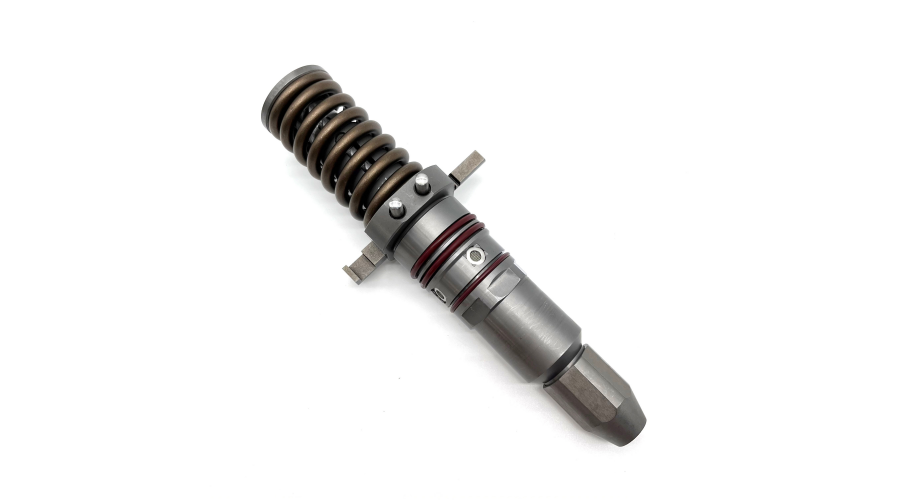
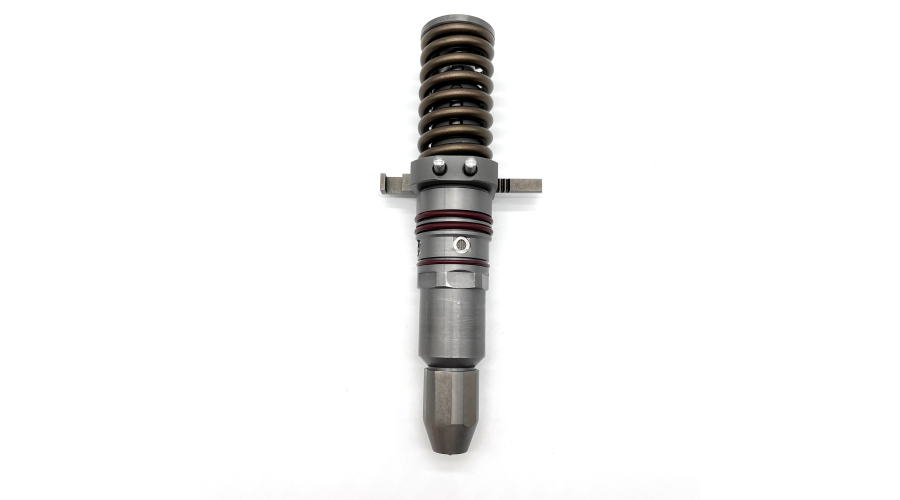
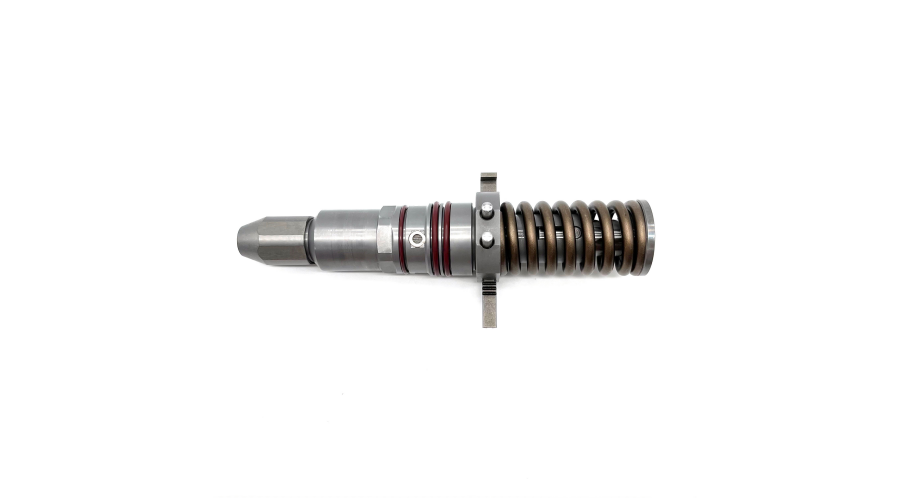
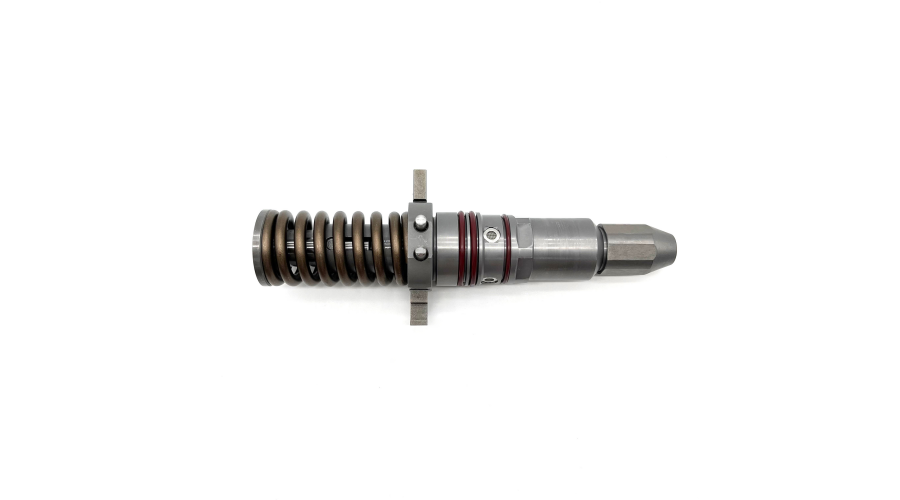
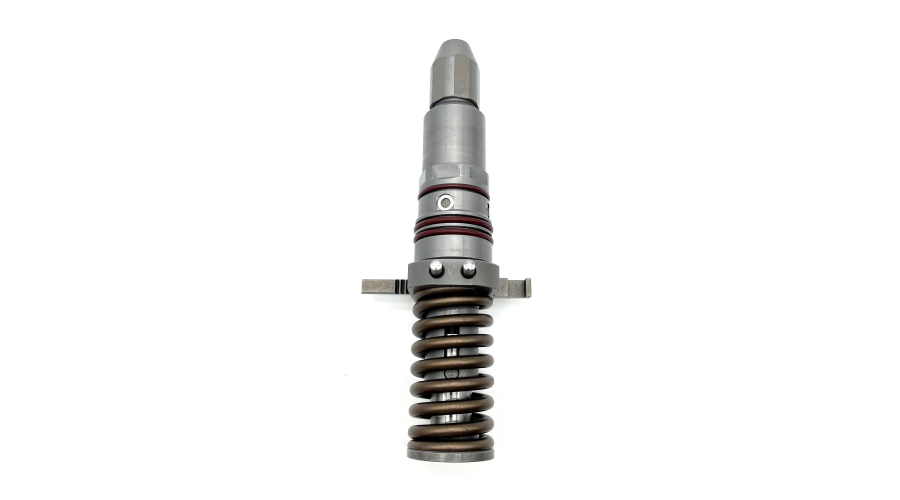
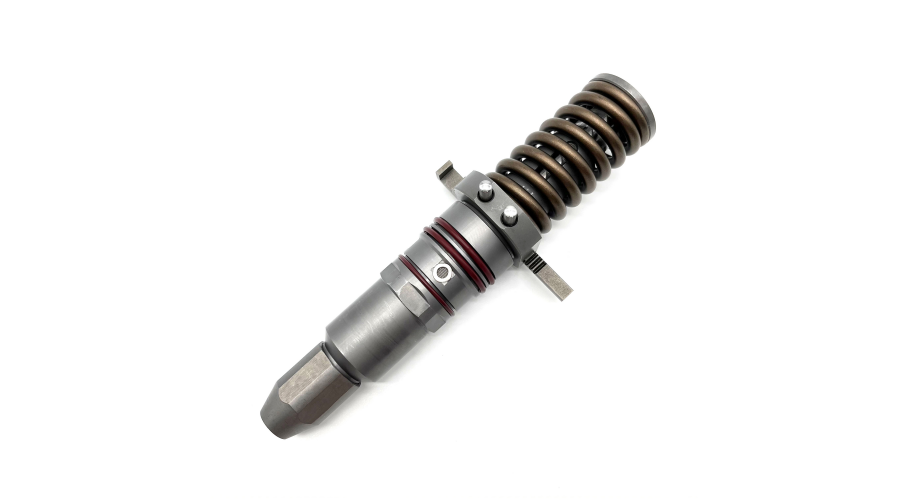
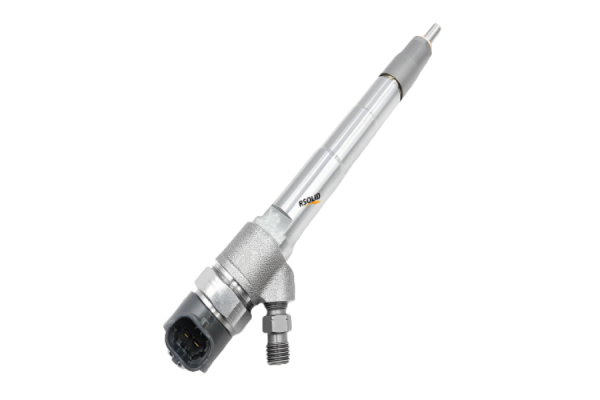
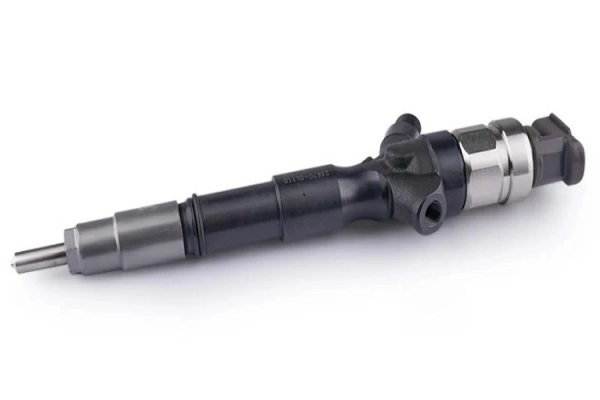
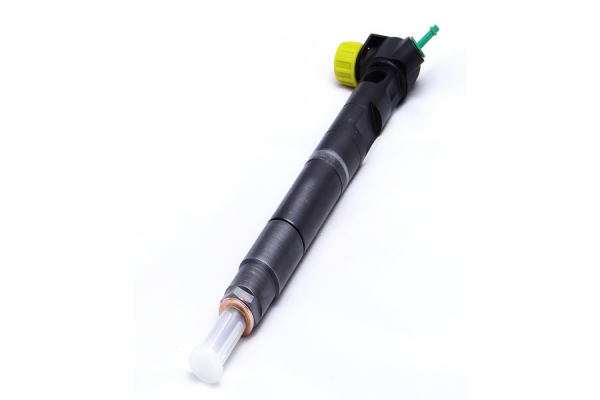
The Cat 2W-5201 fuel injector (and the 3500/3500A EUI family in general) is a masterpiece of heavy-duty diesel engineering. Its structural advantages are key to its reliability, performance, and the legendary durability of the engines it serves.
Here’s a breakdown of its core structural advantages:
1. Integrated Unit Injector (EUI) Design
Advantage: Compactness, Precision, and High Pressure. The pump and nozzle are a single, camshaft-actuated unit. This eliminates high-pressure fuel lines between a separate pump and injector.
Structural Benefit: No high-pressure lines mean no risk of pressure-wave fluctuations, line fatigue failures, or leaks at junctions. All high-pressure sealing is contained within a rugged, single assembly.
Performance Benefit: Allows for extremely high injection pressures (upwards of 30,000 psi / 2,000+ bar in modern iterations), which is critical for fine atomization in large-bore engines to meet emissions and efficiency goals.
2. Robust, Forged Steel Body
Advantage: Immense Strength and Durability.
The injector body is machined from high-strength, forged steel to withstand the enormous internal pressures and the mechanical load from the engine's camshaft (which directly acts on the injector's plunger).
This structure resists flexing, ensuring that the precise internal tolerances between the plunger and barrel are maintained over thousands of hours of operation.
3. Camshaft-Driven Plunger Mechanism
Advantage: Positive, Direct Actuation and High Speed.
Unlike systems relying on hydraulic pressure alone, the camshaft provides a direct, mechanical means to generate injection pressure. This design is inherently robust and less sensitive to variations in fuel quality or air bubbles.
The structure is engineered to handle the high side-loads from the cam follower, with hardened contact surfaces to prevent wear.
4. Solenoid-Valve Controlled Spill Port
Advantage: Extreme Precision and Electronic Flexibility.
The heart of the EUI's control is a high-force, fast-acting solenoid valve. Its structure allows it to operate reliably at high speeds and pressures.
Structural Benefit: The solenoid is integrated directly into the injector body, with a hardened spill valve that opens and closes a port to control fuel pressure. This direct, in-line design allows for incredibly fast and precise start/stop of injection. The timing and duration are controlled entirely by the ECM, enabling multiple injection events (pilot, main) for noise and emissions control.
5. Multi-Orifice, Sacless Nozzle Tip
Advantage: Optimal Fuel Atomization and Reduced Emissions.
The nozzle tip is a separate, precision-lapped component made from wear-resistant materials. It features multiple, laser-drilled orifices.
"Sacless" or "Valve Covered Orifice (VCO)" Design (typical for these): The needle valve seat is at the very tip. When closed, it seals off the fuel orifices, leaving no "sac" volume of fuel below the seat. This prevents fuel dribble after injection, which is a major source of unburned hydrocarbons (HC) and soot.
6. Internal Fuel Passages for Cooling and Lubrication
Advantage: Self-Cooling and Longer Life.
Fuel is circulated continuously through internal galleries within the injector body before being directed to the pumping chamber.
Structural Benefit: This flow cools the critical solenoid and nozzle components, preventing overheating from engine and combustion heat. It also ensures any microscopic debris is flushed back to the tank/filter, rather than settling inside the injector.