Structural Characteristics:
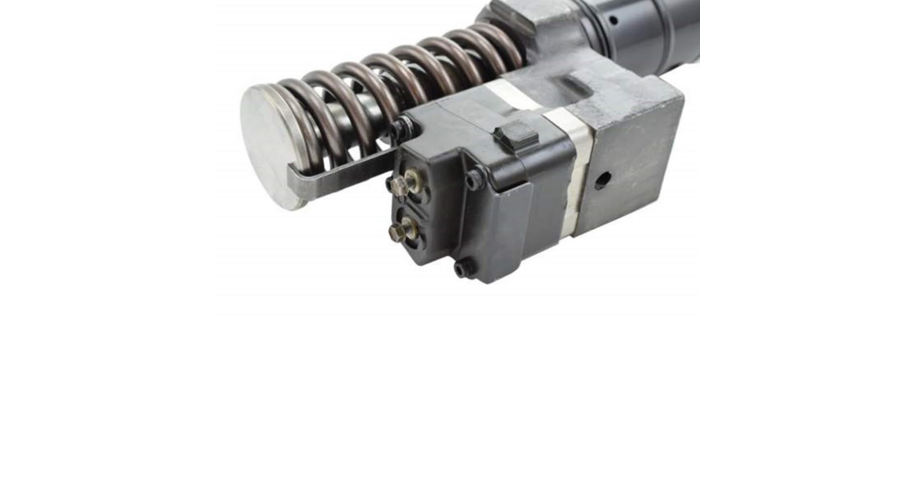
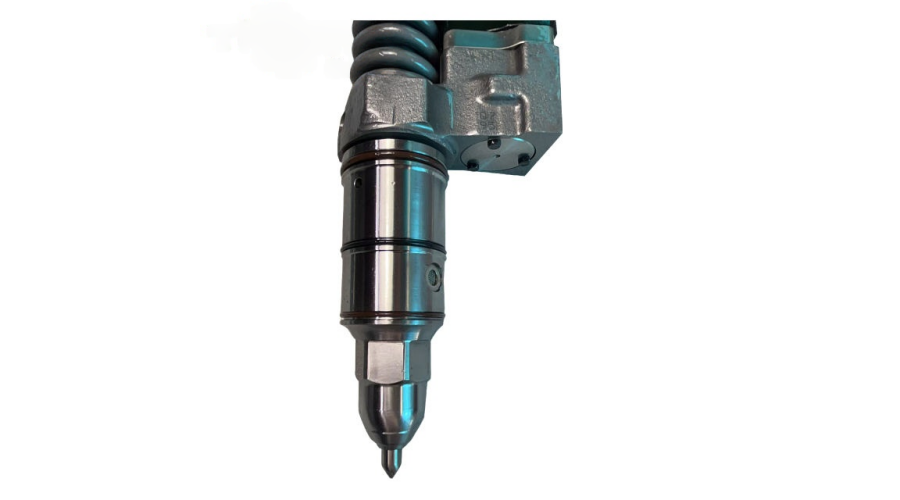
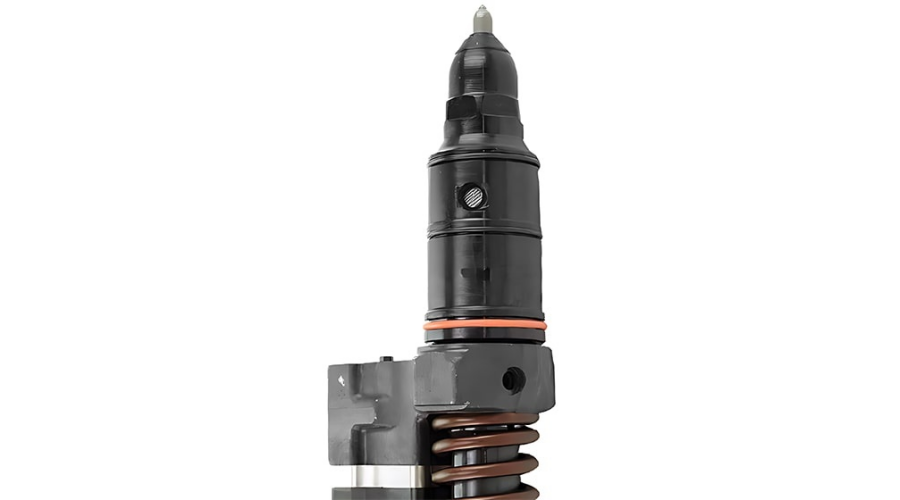
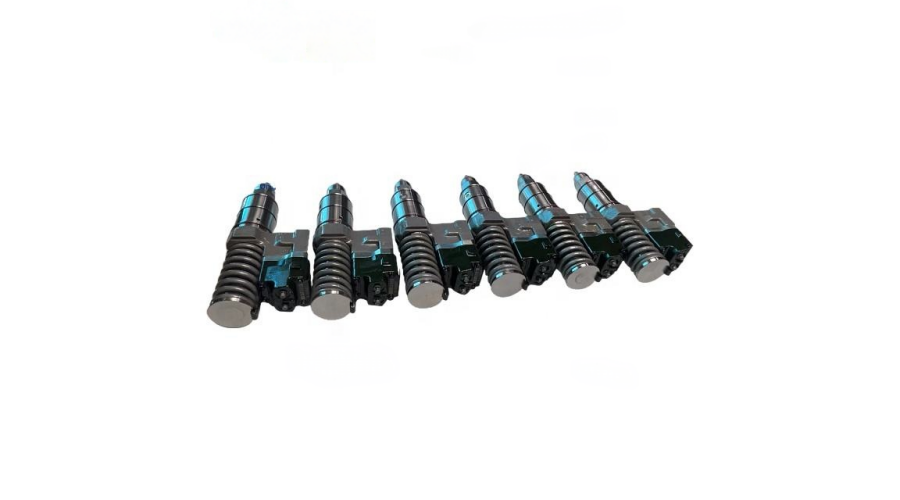
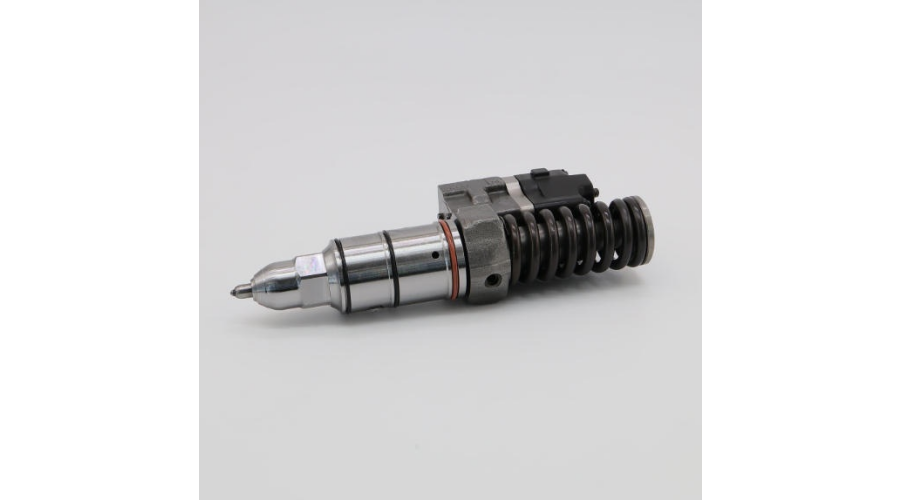
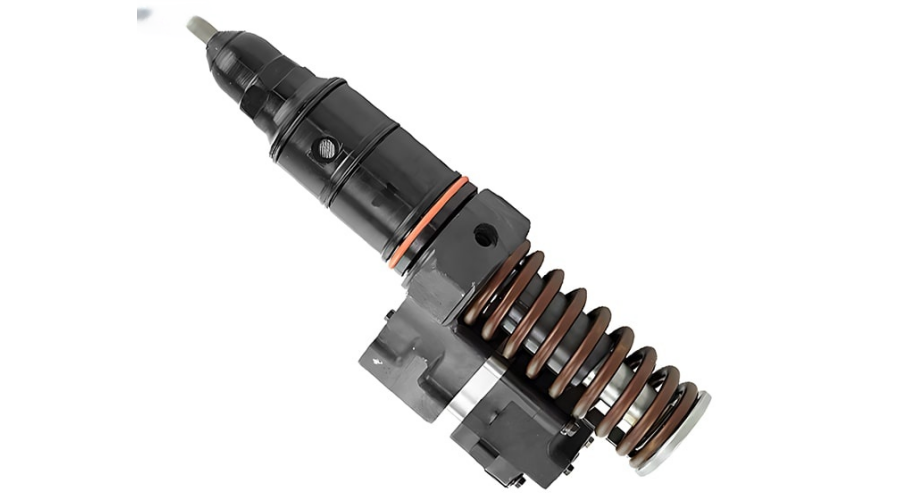
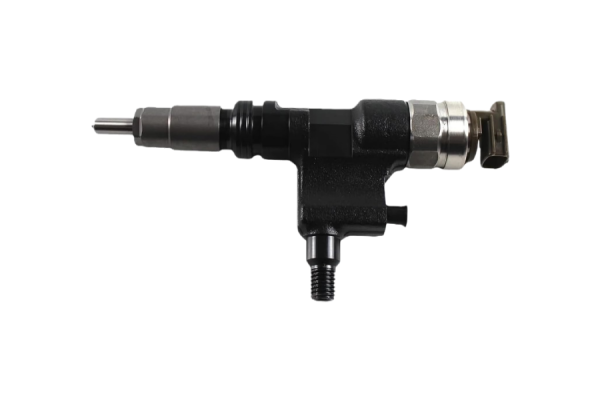
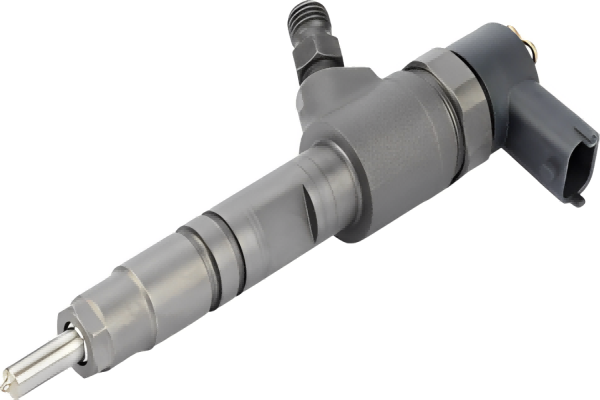
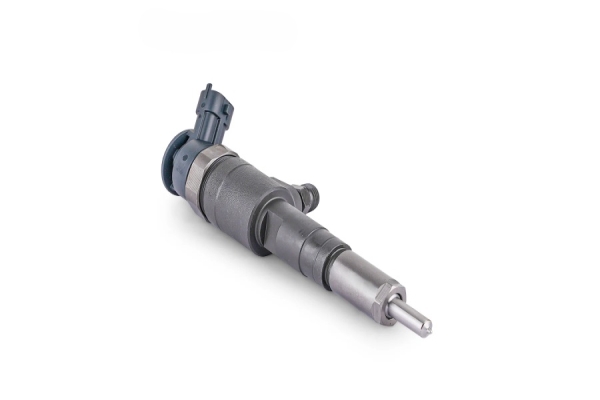
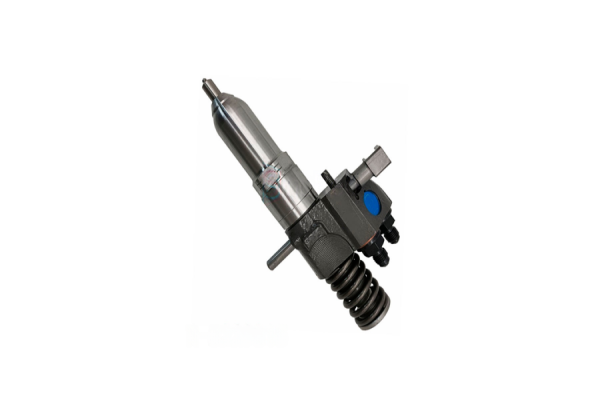
Unit Injector Design: It combines the fuel pump and injector nozzle into a single, compact unit mounted directly in the cylinder head. This eliminates high-pressure fuel lines.
Electro-Hydraulic Actuation: Uses engine oil (from the engine's lube system) as hydraulic fluid. A solenoid valve controlled by the DDEC ECU opens to allow high-pressure oil to act on a plunger, which then pressurizes the fuel.
Precision Components: Contains a precisely matched plunger and barrel, a critically calibrated nozzle with microscopic orifices, and a sophisticated solenoid valve.
Integrated Electronics: Has a connector for the ECU signal and often contains a calibration resistor (CAL ID) for coding.
Technical Advantages:
Very High Injection Pressure: Capable of generating extremely high pressures (upwards of 30,000 psi/2,000+ bar) internally, leading to superior fuel atomization for cleaner and more efficient combustion.
Precise Electronic Control: The DDEC system can control injection timing and duration with millisecond accuracy for each cylinder independently, optimizing power, fuel economy, and emissions.
Eliminates Common Rail Issues: No long, high-pressure fuel lines that can leak, pulsate, or cause pressure losses.
Compact and Robust: The integrated design is durable and saves space in the engine valley.
2. Main Application Scenarios and Equipment
Primary Application:
Engine: Detroit Diesel Series 60 (S60), specifically the 12.7L (E3, E4) and 14L models.
Industry: Heavy-Duty Transportation and Power Generation.
Specific Equipment:
Class 8 Trucks: Long-haul tractors from Freightliner (Century Class, Columbia), Western Star, Kenworth (T600, T660, T800), Peterbilt (379, 387), and Volvo/Mack trucks equipped with the S60.
Stationary Power: Backup and prime power generators.
Industrial & Marine: Some industrial pumps, drills, and marine propulsion engines.
3. OEM Cross-Reference Numbers
The 5236977 is the foundational Detroit Diesel part number. Important cross-references and evolutions include:
Detroit Diesel (Original): 5236977 is the core number. Superseded versions or kit numbers may include suffixes like -010.
Major OEM Supplier: These injectors were manufactured for Detroit Diesel by Stanadyne (formerly Lucas Diesel Systems). Their direct OEM equivalent was often labeled with the same number.
Common Aftermarket/Remanufacturer Numbers: When sourcing remanufactured units, you will encounter numbers like:
Crucial Identification: The most critical "cross-reference" is the 4-character Calibration Code (CAL ID) stamped on the injector (e.g., GE36, GF19). This code, not just the part number, must be matched and programmed into the DDEC ECU.
4. Daily Maintenance and Installation Suggestions
Daily/Preventive Maintenance:
Fuel Filtration: Use only high-efficiency, OEM-grade fuel filters and change them at strict intervals. This is the single most important maintenance task. Contaminated fuel destroys injectors.
Oil Changes: Change engine oil and filter regularly. Since engine oil is the hydraulic fluid for the injectors, soot, sludge, or degraded oil causes sluggish response and wear.
Air Filtration: Maintain a clean air intake system to prevent dirt from entering the combustion chamber and damaging the injector nozzle.
Use Quality Fuel: Avoid off-spec or contaminated fuel. Use reputable sources.
Monitor Performance: Pay attention to symptoms like increased smoke, power loss, or hard starting.
Installation Suggestions (CRITICAL):
Replace in Sets: Always replace all injectors on the engine (e.g., all 6) to ensure balanced performance and prevent immediate stress on the new injector.
Handle with Care: Never drop an injector. The tip and internal components are precision-matched and can be damaged by impact.
Cleanliness is Paramount: Thoroughly clean the injector bore in the cylinder head before installation. Any debris can cause hold-down clamp issues or wash down into the cylinder.
New Seals & Hardware: Always use a complete new set of seals, O-rings, and the copper crush washer. Reusing old seals is a guaranteed leak path for oil or combustion gases.
Torque Procedure: Follow the exact, multi-step torque sequence and specification for the hold-down clamp. Overtorquing can distort the injector body.
Programming (MANDATORY): You MUST program the new injector's 4-character CAL ID code into the corresponding cylinder location in the DDEC ECU using Detroit diagnostic software (DDDL, ServiceRanger, or equivalent scanner). Skipping this step will result in poor performance, excessive smoke, and fault codes.
Clear Codes & Test: After installation and programming, clear all historical fault codes, start the engine, and perform a cylinder cut-out test (via diagnostics) to verify balanced operation.
Fuel Injector Supplier :
Rsolid is a professional diesel fuel injector manufacturer provides high quality and durable diesel fuel injector replacements for different brands of engines or produce fuel injector according to your request. The company is positioned as a specialized and excellent supplier in the foreign trade of automotive components, including high-quality fuel injectors. With years of experience in the international market, Rsolid has established itself as a reliable partner for global clients seeking authentic Detroit products and comprehensive, value-added services. The company operates with a strong commitment to quality assurance, often backed by international certifications common in the automotive parts industry,ensuring that all parts, undergo rigorous testing for flow rate, pressure endurance, and leak integrity before being offered for sale. Rsolid's business model would typically include maintaining a diverse and comprehensive inventory of both OEM and premium aftermarket parts, with cross-compatible options to cater to a wide range of applications and global clientele, from individual workshops to large fleet operators. If you are looking for diesel fuel injector or OEM engine fuel injector, feel free to contact us.