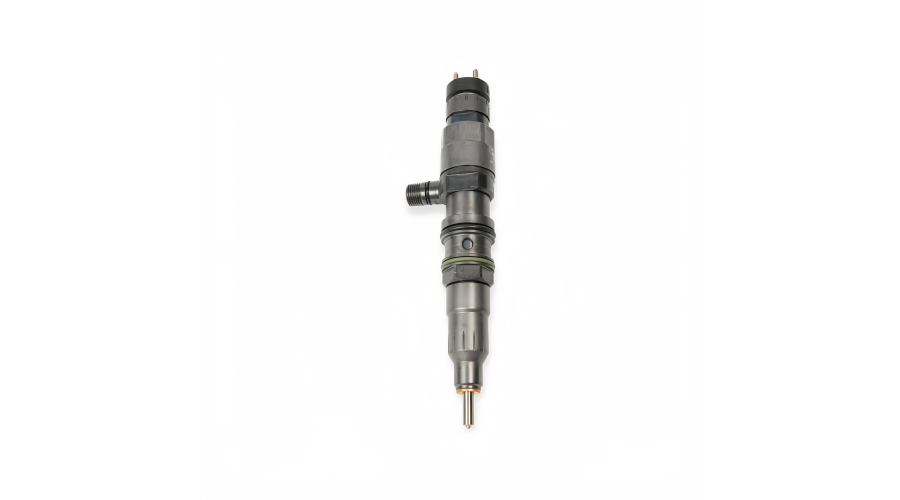
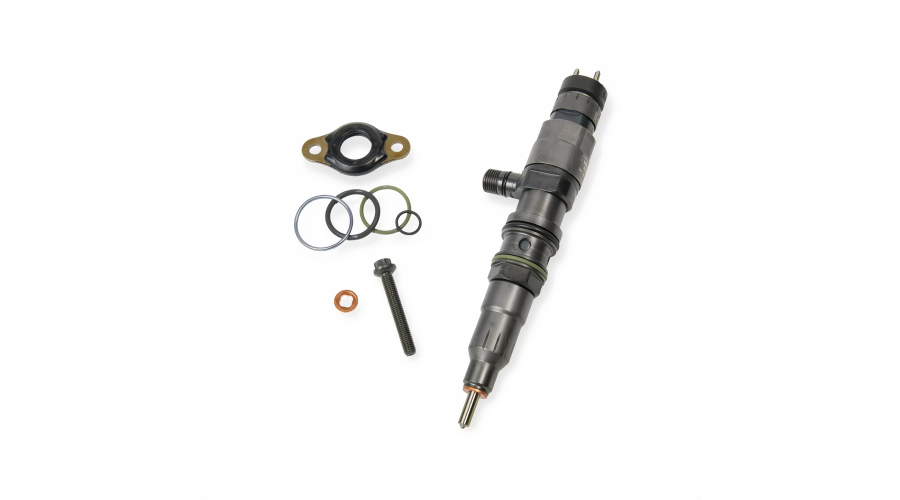
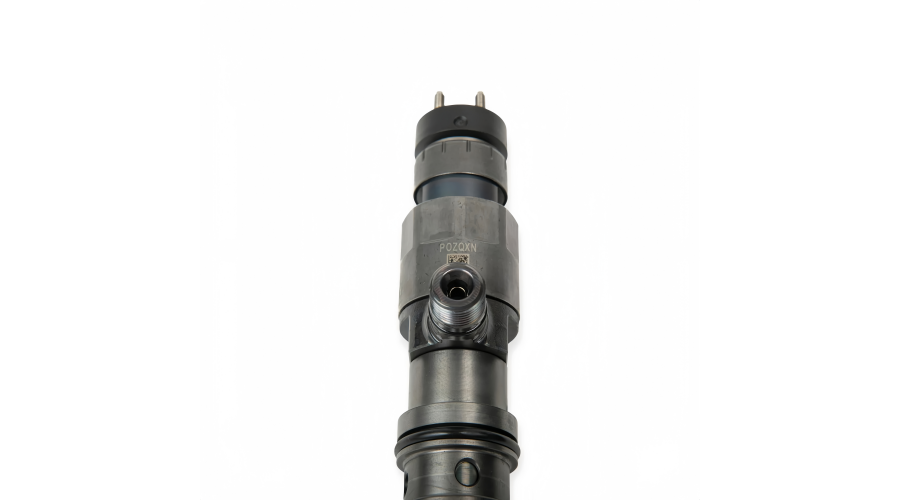
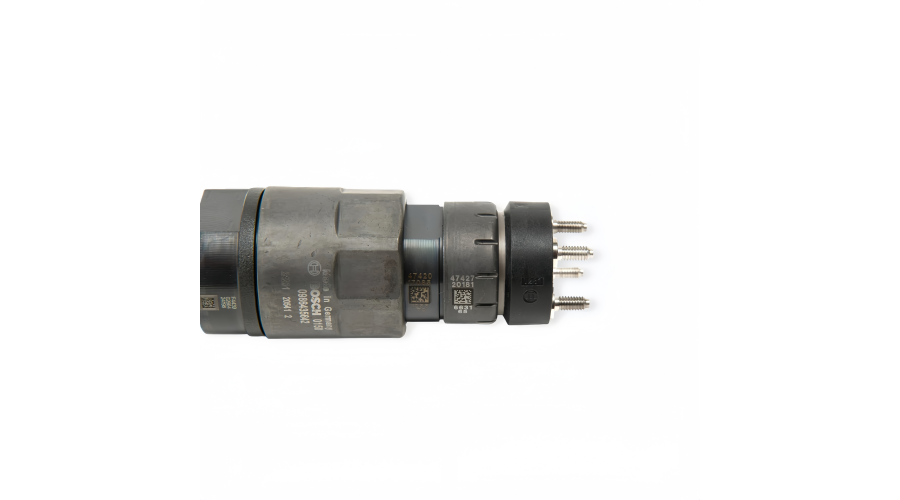
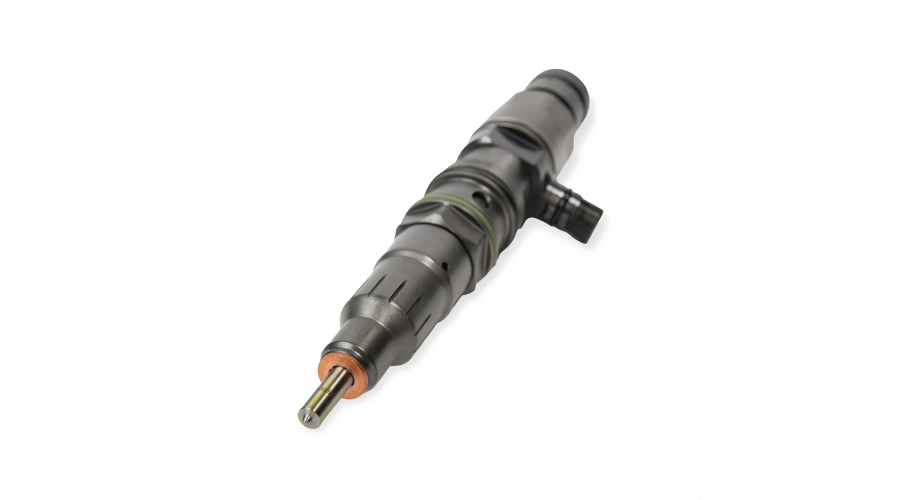
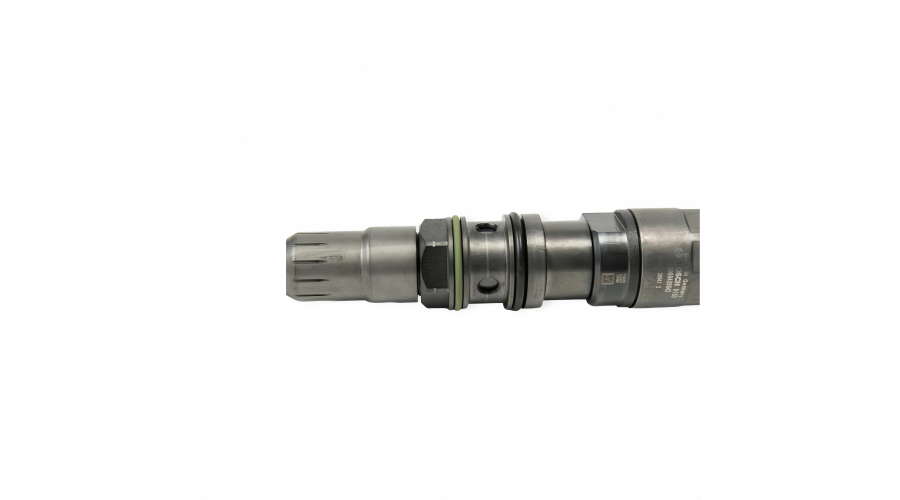
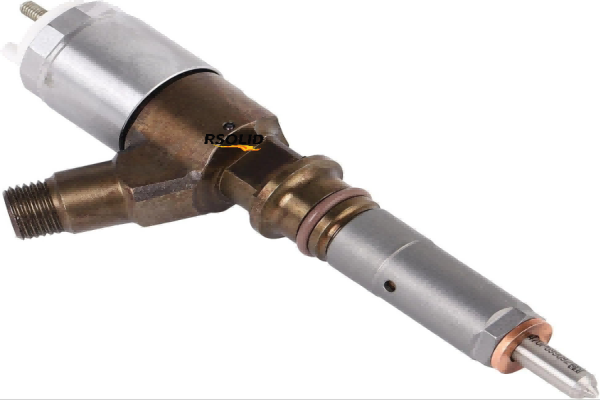
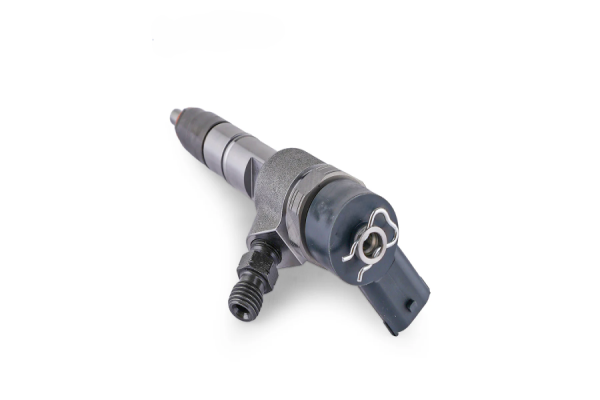
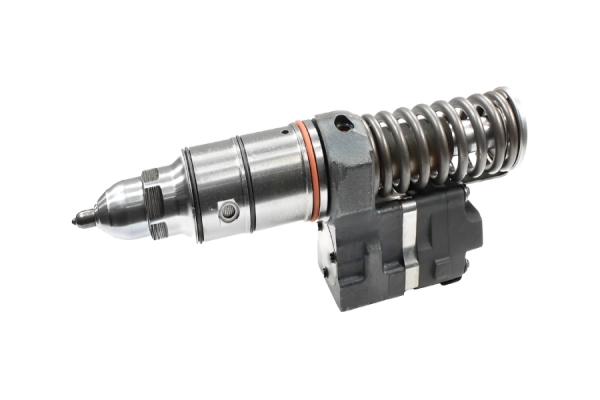
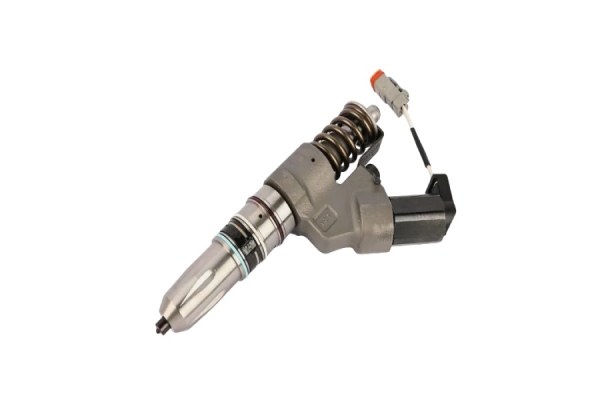
The part number A4710700387 a Fuel Injector used primarily in the Detroit Diesel DD13 engine (and occasionally in certain Mercedes-Benz OM471 heavy-duty applications, which share the same architecture).
Here is the critical information you need regarding this part:
1. Part Details
Part Number: A4710700387 (Mercedes-Benz / Detroit Diesel OEM)
Equivalent OE Numbers: A4710700787 (This is often the updated or superceded part number. Always verify with your specific engine serial number, as the 0387 is commonly replaced by the 0787 or the latest remanufactured spec).
Type: Unit Injector (Solenoid type)
Engine: Detroit Diesel DD13 (12.8L) – EPA07, EPA10, and GHG14 models.
2. Critical Specifications
3. Common Failure Symptoms
If you are replacing this injector due to a failure, the DD13 is known for specific issues related to this injector:
Hard starting (especially when warm).
Rough idle (cylinder balance faults in diagnostic software).
Misfire under load.
Excessive oil dilution (fuel leaking into the crankcase past the injector tip or internal o-rings).
4. Important Installation Notes
Replacing injectors on the DD13 requires careful attention to detail:
Copper Seal: You must replace the copper sealing washer at the tip of the injector. Failure to do so will cause combustion gas blow-by, leading to soot buildup and eventual injector seizure in the cylinder head.
Return Line Seals: The fuel return lines (banjo bolts) have specific bonded seals that should be replaced to prevent air intrusion.
Coding: Unlike some engines, the DD13 often requires injector trim code programming using Detroit Diesel Diagnostic Link (DDDL) software. If you replace an injector, you generally need to enter the 12-digit IQA (Injector Quantity Adjustment) code or the trim code found on the new injector into the ECM to ensure the fuel metering is accurate
Suggestions for installing fuel injectors:
1. Preparation & Safety
Work clean. The common rail system is extremely sensitive to contamination. Clean the injector bores and fuel lines thoroughly before opening the system.
Relieve fuel pressure. Use DDDL (Detroit Diesel Diagnostic Link) to perform a fuel pressure relief, or carefully crack the high‑pressure lines after the engine has cooled.
Disconnect batteries. Prevents accidental cranking while the system is open.
2. Removal (if replacing)
Mark components. If removing multiple injectors, note which cylinder each came from – especially if reusing any.
Remove the injector clamp bolt carefully. The bolt is a torque‑to‑yield (TTY) fastener; it must be replaced with a new one during installation.
Use a proper puller. Do not pry against the cylinder head. A sticking injector can be gently worked free with a slide hammer designed for unit injectors.
3. Critical Inspection & Cleaning
Clean the injector bore. Use a bore brush and a vacuum to remove carbon, soot, and old copper seal remnants. The sealing surface at the bottom must be smooth and free of pitting.
Inspect the cylinder head. Look for cracks around the injector bore or damage to the sealing seat. Any imperfections can cause combustion gas leakage.
Replace the copper seal. The seal at the injector tip is single‑use only. Install a new OEM copper sealing washer. Lightly lubricate it with clean engine oil to help it seat.