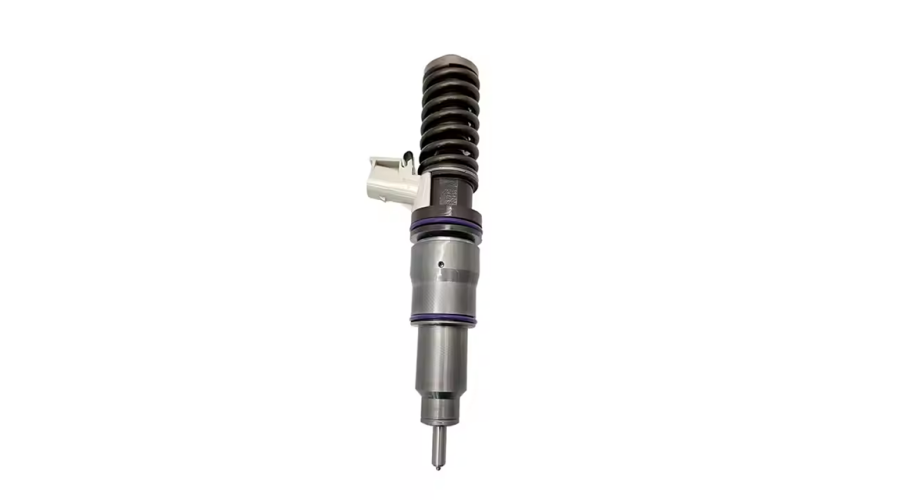
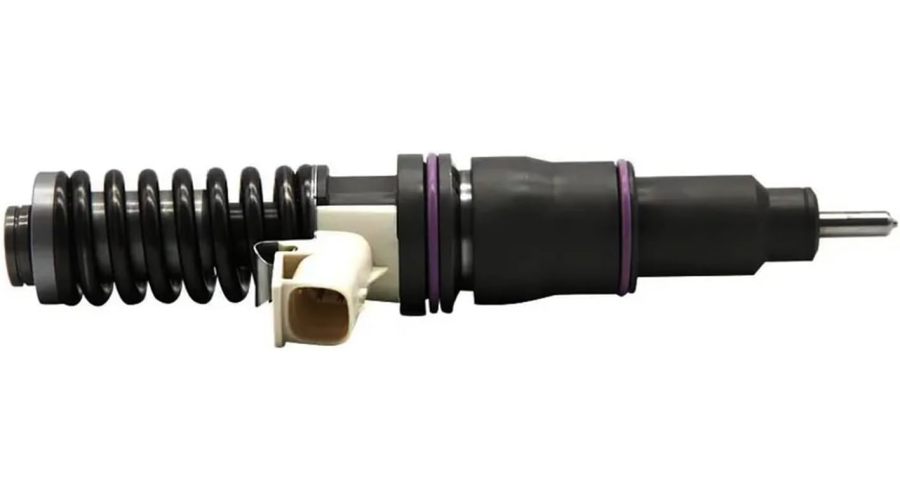
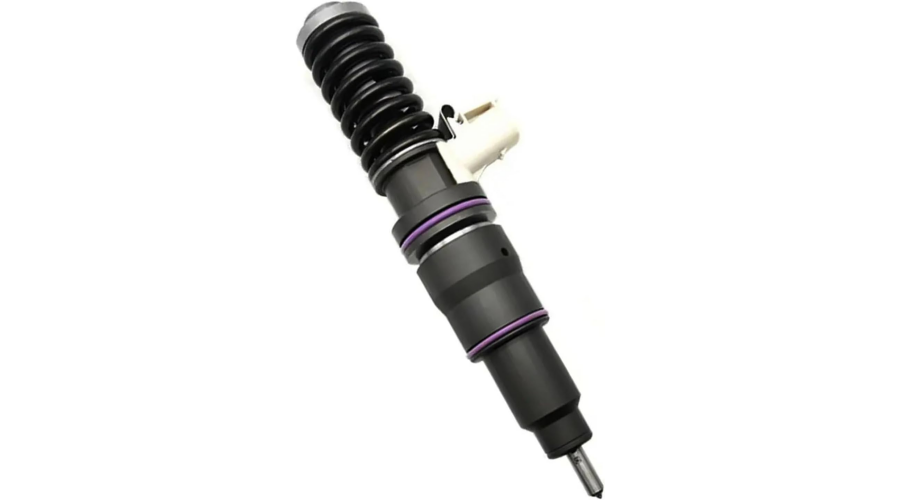
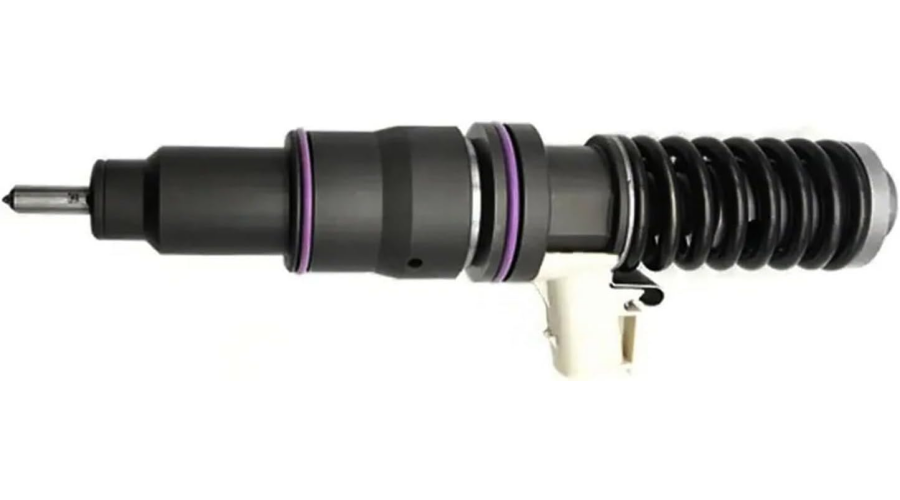
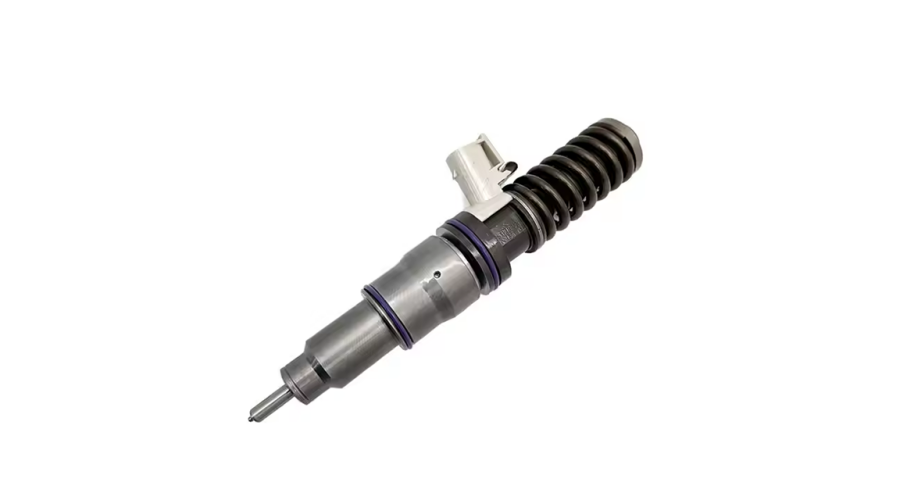
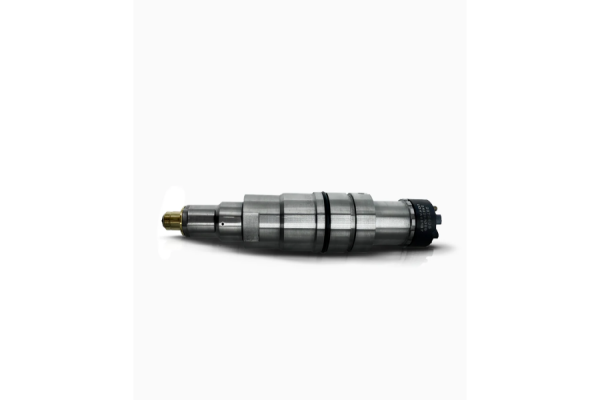
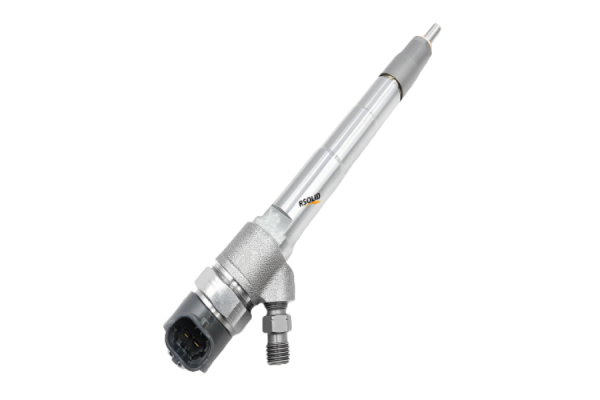
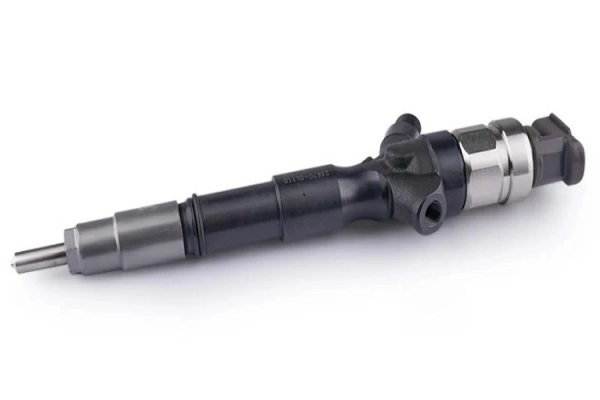
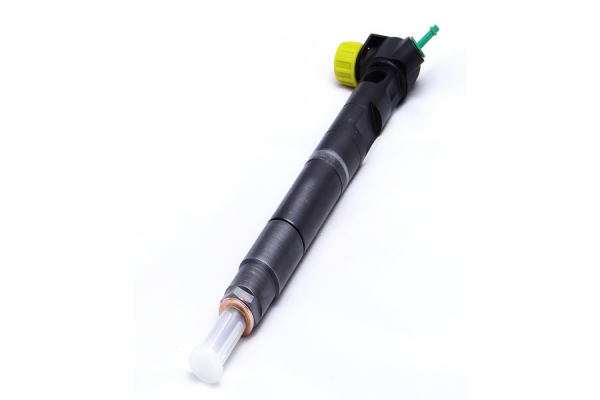
Common issues with these: Nozzle wear, solenoid failure, leakage
The Delphi BEBE4E00101 injector, as part of the "E" generation of Delphi Diesel Systems (now part of BorgWarner) common rail injectors, has several key structural and design advantages that contribute to its performance, efficiency, and durability. These advantages are a result of advanced engineering aimed at meeting stringent Euro 4 and Euro 5 emission standards.
Here are its primary structural advantages:
1. Miniaturized & Integrated Solenoid Valve Design
Advantage: The high-speed solenoid valve is compact and located very close to the nozzle needle. This drastically reduces the hydraulic dead volume (the fuel between the valve and the nozzle).
Benefit: Enables extremely fast and precise needle response—multiple injections per combustion cycle (pilot, main, post) are executed with clean separation and accurate fuel quantities. This reduces noise, NOx, and particulates.
2. Pressure-Balanced Needle Design
Structure: The injector nozzle uses a pressure-balanced needle. Fuel rail pressure acts on both the top and bottom shoulders of the needle in the control chamber.
Advantage: The needle is hydraulically "floated," making its movement independent of the immense rail pressure (1600-2000 bar). This allows a relatively small solenoid force to control a very high injection force.
Benefit: Enables high injection pressures for better atomization without requiring a massive, slow solenoid.
3. Direct-Coupled Ball-Armature Servovalve
Structure: The solenoid acts on a small, lightweight ball that seals the control chamber's drain orifice. This is a direct-acting, servo-hydraulic system.
Advantage: Minimal moving mass and short stroke. The ball's movement is translated directly into a rapid pressure drop in the control chamber above the needle.
Benefit: Achieves incredibly fast injection rate shaping. The start and end of injection are very sharp, improving combustion efficiency and reducing dribble.
4. Robust, Single-Body Machined Housing
Structure: The high-pressure body is typically machined from a single, high-strength steel forging.
Advantage: Maintains integrity under extreme cyclic pressures (fatigue resistance). Minimizes potential leakage paths compared to multi-piece designs.
Benefit: High reliability and long service life under demanding conditions.
5. Thermal Management & Material Selection
Structure: Careful design of fuel passages provides some cooling flow around critical components. The nozzle tip material is hardened to resist wear and coking.
Advantage: Manages the extreme thermal loads from the combustion chamber and high-pressure friction.
Benefit: Reduces performance drift over lifetime and improves resistance to carbon buildup at the nozzle tip.
6. Precise Multi-Hole Nozzle
Structure: The nozzle tip has 5-8 micro-machined, conically-shaped holes (e.g., a 148° or similar spray angle).
Advantage: Creates an optimal spray pattern that matches the combustion bowl of the piston. The conical holes improve fuel-air mixing.
Benefit: Maximizes air utilization, leading to more complete combustion, higher power density, and lower soot formation.