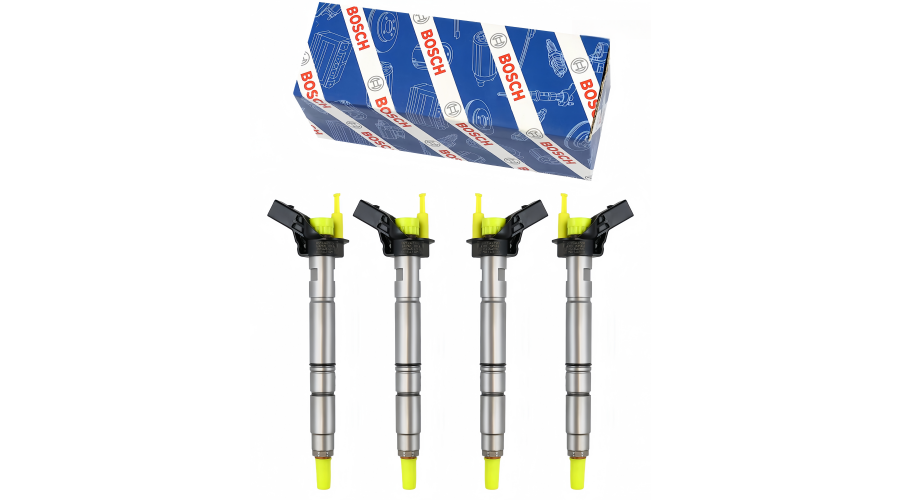
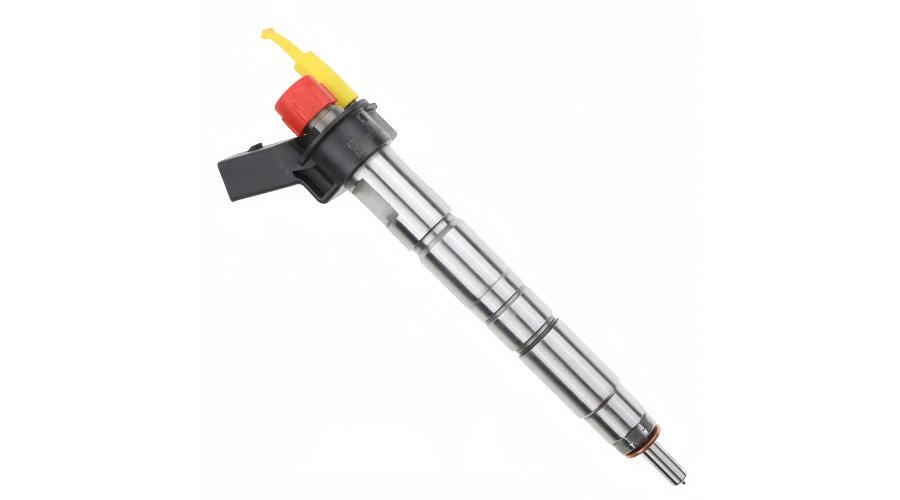
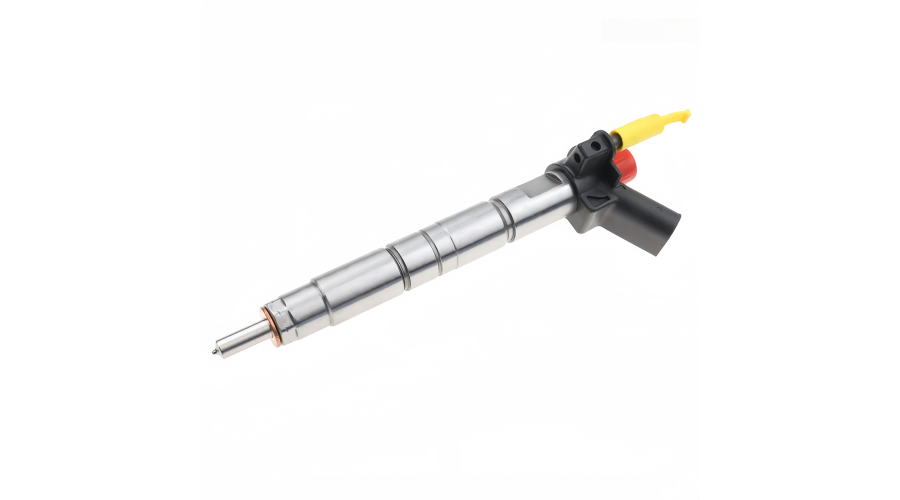
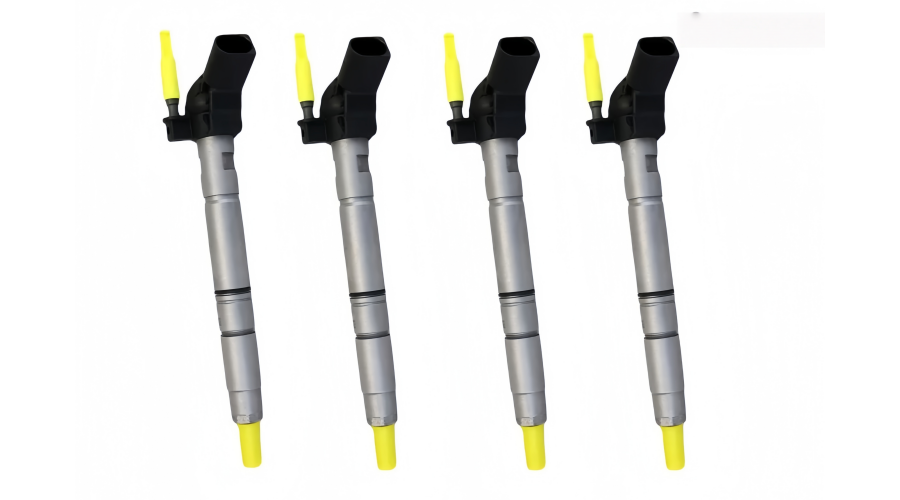
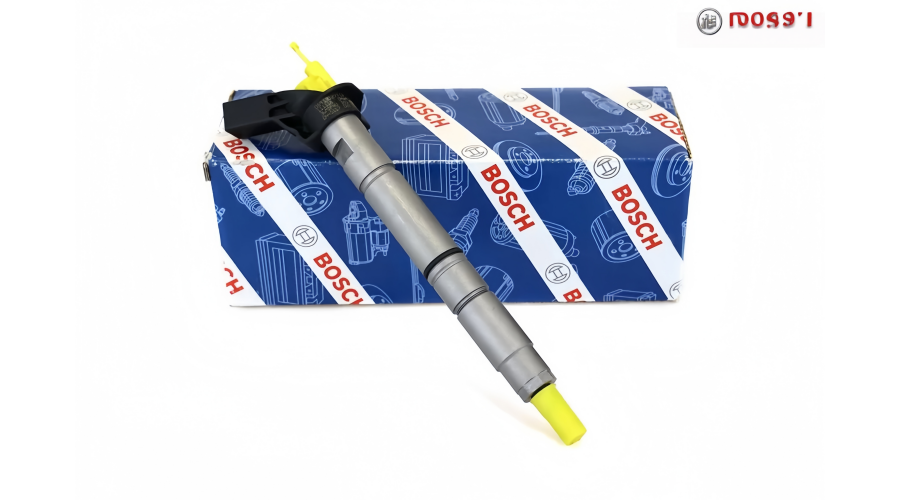
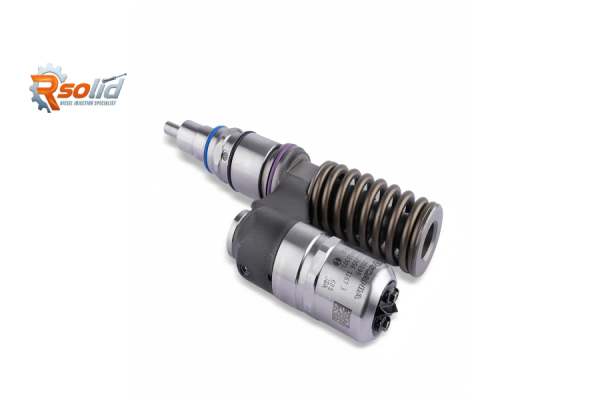
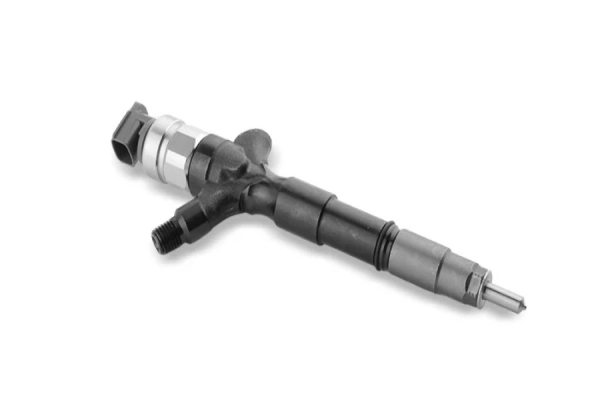
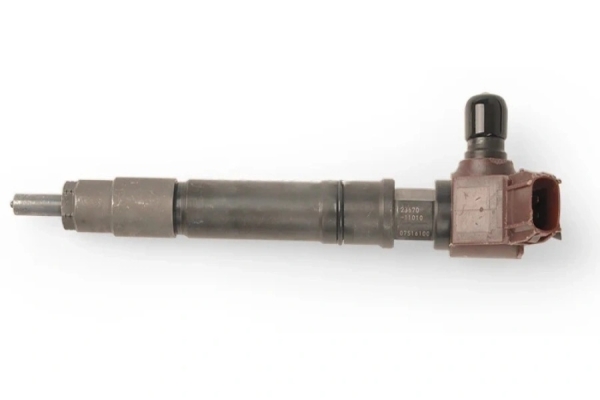
Here is the key information regarding the Bosch Diesel Injector 0445117017 for the BMW 1 Series (E81 / E82 / E87 / E88) with the 2.0d engine.
This injector (Part number 0445117017) is the correct OEM (Original Equipment Manufacturer) part for the following BMW 1 Series models:
*Note: This injector is also used in the BMW 3 Series (E90/E91) of the same era and the BMW X3 (E83) with the N47 engine.*
Part Number: 0 445 117 017 (Displayed as 0445117017)
Type: Piezo Injector (Specifically for the 2nd generation N47 engine).
Pressure: Up to 2000 bar.
Here are the structural and design advantages of this injector:
1. Servo-Hydraulic Control System
Unlike simple injectors that just open and close, this injector uses a hydraulic servo system.
The Structure: It contains a control valve (solenoid), a control chamber, and a nozzle needle.
The Advantage: The injector uses the fuel pressure itself to control the speed of the needle. This allows for very precise control over the start and end of the injection event.
Benefit: This results in a pilot injection capability (a tiny squirt of fuel before the main injection), which softens the combustion cycle. This reduces the "diesel rattle" noise that older diesel engines are famous for.
2. AKS (Anti-Sac) Nozzle Design
This is a critical structural feature for emissions and efficiency.
The Structure: The injector tip features an "Anti-Sac" (Anti-Sacrifice) volume design. This means the hole at the very tip of the injector (the sac) where fuel collects is as small as physically possible.
The Advantage: In older injectors, fuel would collect in the tip after injection, get burned by the heat of the cylinder, and create soot (particulate matter) and unburned hydrocarbons.
Benefit: By minimizing this "dead volume," the injector drastically reduces soot formation and helps the car pass emissions tests (EU4/EU5 standards) while keeping the piston clean.
3. Laser-Drilled, Conical Nozzle Holes
The Structure: The injection holes at the tip are created using a laser drilling process. Furthermore, the holes are shaped conically (wider on the inside, narrower on the outside) rather than being simple straight cylinders.
The Advantage: Hydraulic flow through a conical hole is smoother. It reduces friction loss as the fuel accelerates to supersonic speeds.
Benefit: This creates a finer atomization of the fuel. Smaller fuel droplets burn more completely, giving you more power from the same amount of fuel and lowering fuel consumption.
4. High-Strength Martensitic Steel Body
The Structure: The injector body is forged from high-strength martensitic steel.
The Advantage: Common Rail injectors operate at pressures up to 2,000 bar (approx. 29,000 psi). The steel structure is designed to withstand these immense cyclic pressures without deforming or bursting.
Benefit: Durability. These injectors are designed to last 150,000+ miles if kept clean and fed with proper fuel.