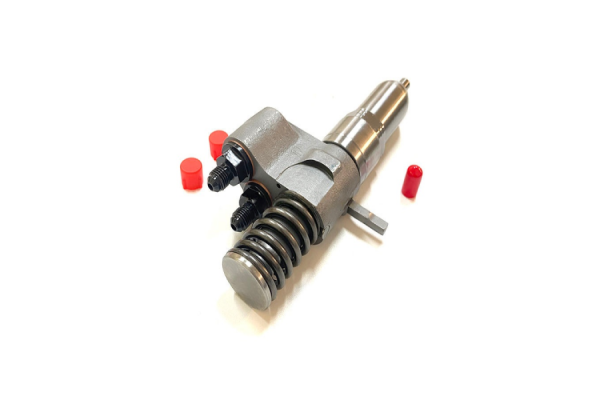
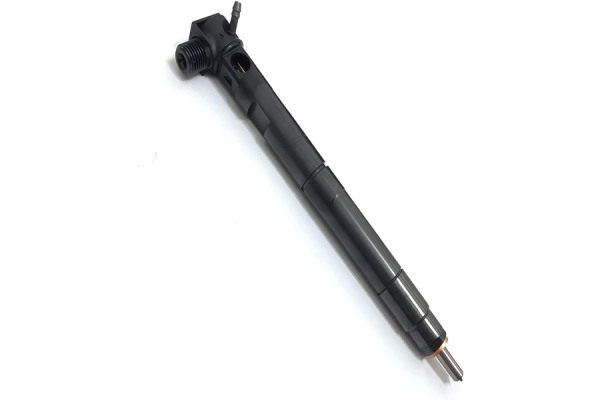
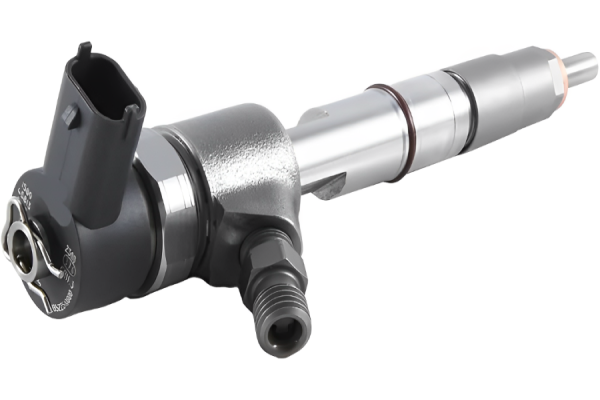
Diesel: Use a scan tool function if available. Otherwise, wait several hours after engine shutdown. Always wrap a rag around the connection when loosening any fuel line.
Disconnect the Battery: Prevent sparks and short circuits. Disconnect the negative terminal.
Work in a Well-Ventilated Area: Avoid fumes.
Have a Class B Fire Extinguisher Nearby.
Wear Safety Glasses: Fuel at high pressure can penetrate skin and eyes.
2. Cleanliness is Non-Negotiable
The Rule: No dirt can enter the open fuel system or engine cylinders.
Clean the Engine Bay: Before starting, use compressed air or a brush to remove dirt/debris from around the valve cover, fuel rail, and injector ports.
Cap Open Ports: Immediately cap the open fuel rail lines and the injector sockets in the cylinder head.
Use New Seals & Components: Never re-use old seals, O-rings, copper washers, or hold-down bolts (if torque-to-yield). Dirt embedded in old seals is a primary cause of new injector failure.
3. Correct Parts & Preparation
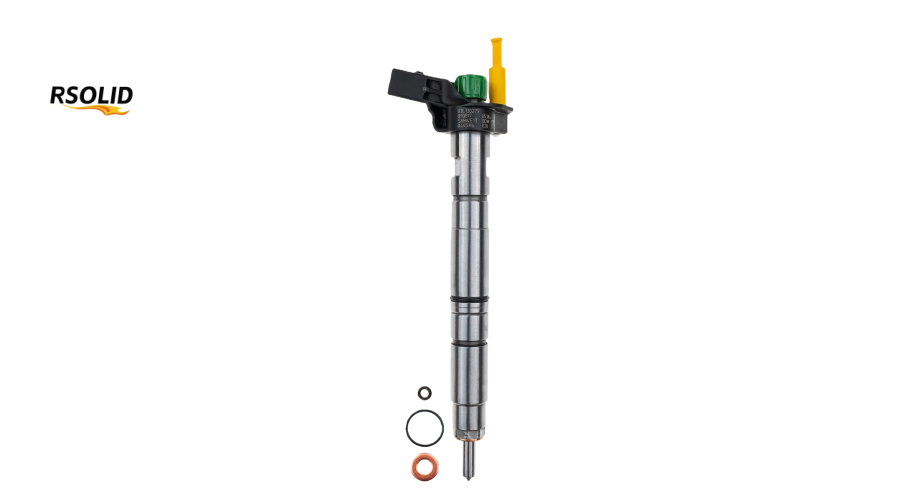
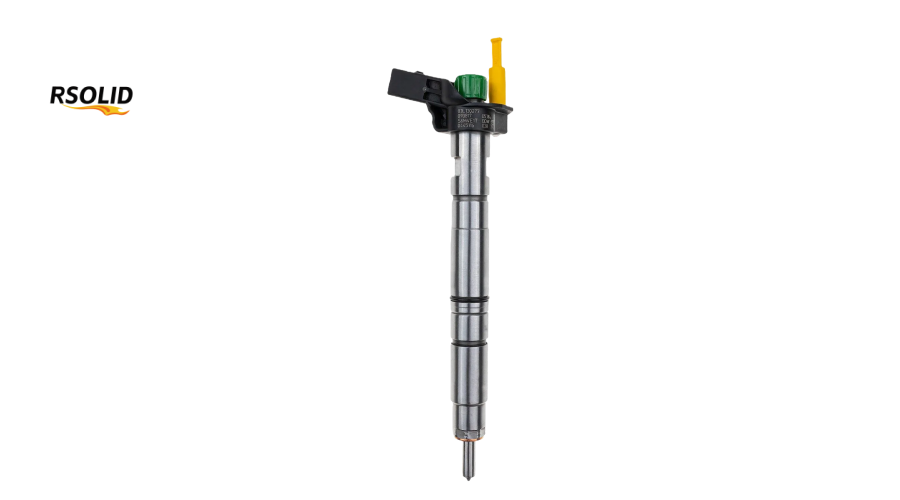
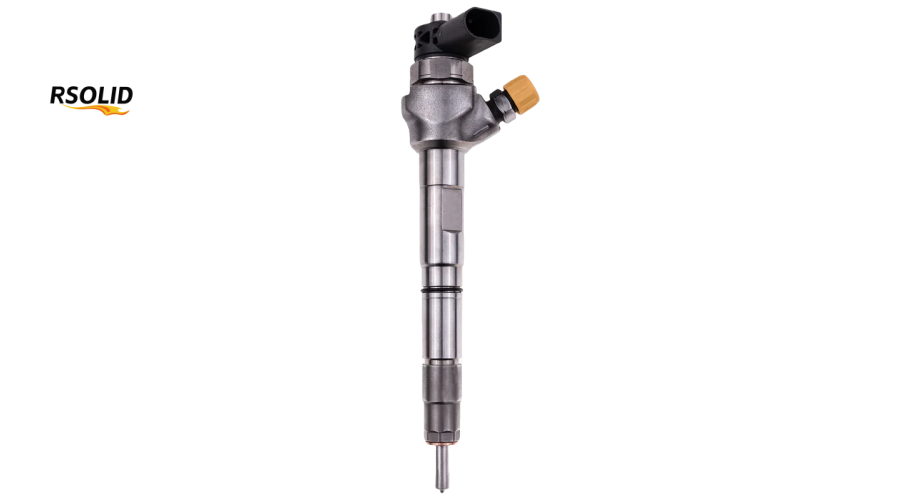
Verify Part Numbers: Double-check the new injector part number matches the old one and is correct for your specific Engine Code (e.g., VW's "CBA", "CJAA").
Obtain Calibration/Code Numbers (Diesel/GDI):
If the code is missing, the ECU cannot calibrate it, leading to poor running.
Consider a Full Set: If one injector fails on a high-mileage engine, others are often weak. Replacing in matched sets (especially on diesels) is often recommended to ensure balanced performance.
4. Proper Removal Technique
Use the Right Tools: Invest in a proper fuel line disconnect tool set. Never use screwdrivers to pry off quick-connect fittings—you will damage them.
For Stuck Injectors (Common on Diesels): Use a dedicated injector puller/slide hammer tool. DO NOT pry or hammer on the injector body. Applying heat (carefully with a torch) to the aluminum cylinder head around the injector bore can help break carbon seal.
Label Everything: If not replacing all, label each injector's cylinder location as you remove it.
5. Installation Precision
Lubricate New Seals: Lightly coat new O-rings and seals with clean engine oil or the specified lubricant (often included). Do NOT use grease or silicone. This prevents tearing during installation.
Hand-Start Threads: Carefully hand-thread all bolts (injector hold-downs, rail bolts) to avoid cross-threading.
Follow Torque Specifications & Sequences EXACTLY: Use a quality torque wrench. Injector hold-down clamps/bolts often have very specific, low torque values (e.g., 8-12 Nm + a specific angle). Over-torquing can warp or crack the injector.
Install Fuel Rail Carefully: Ensure injectors seat fully into the rail before tightening rail bolts. Snug rail bolts in a criss-cross pattern to the specified torque.
Fuel Injector Supplier :
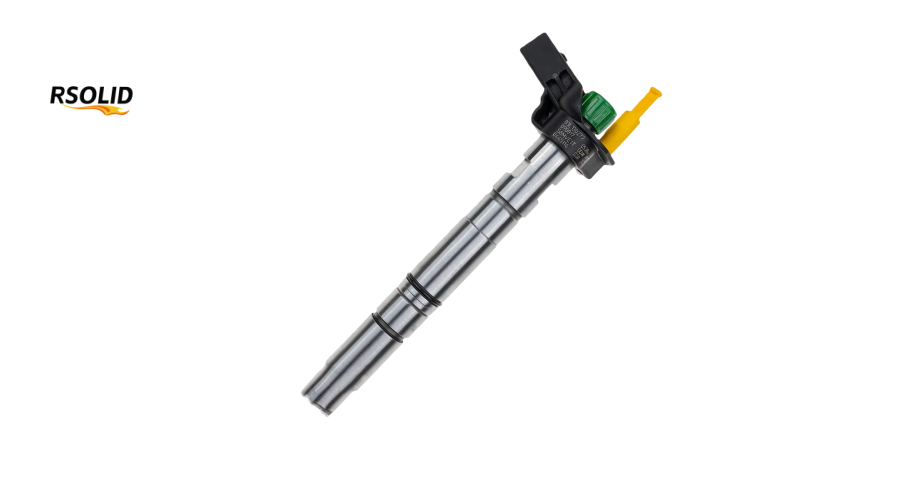
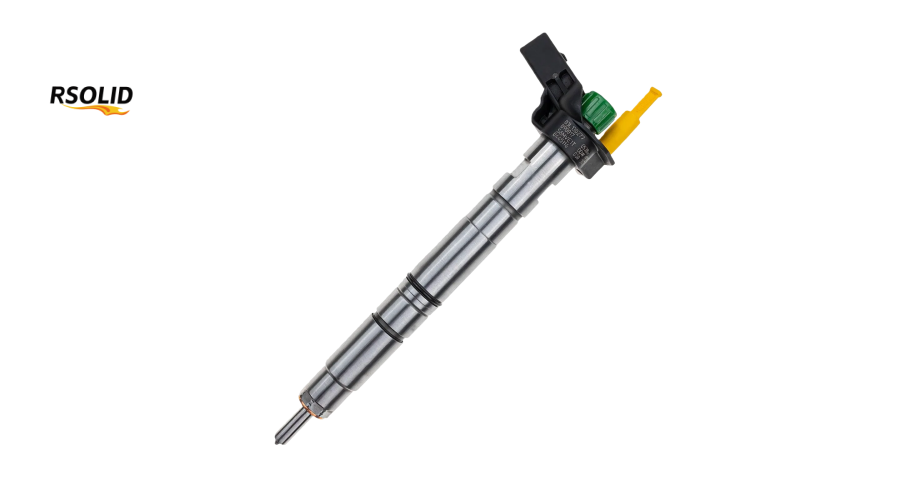
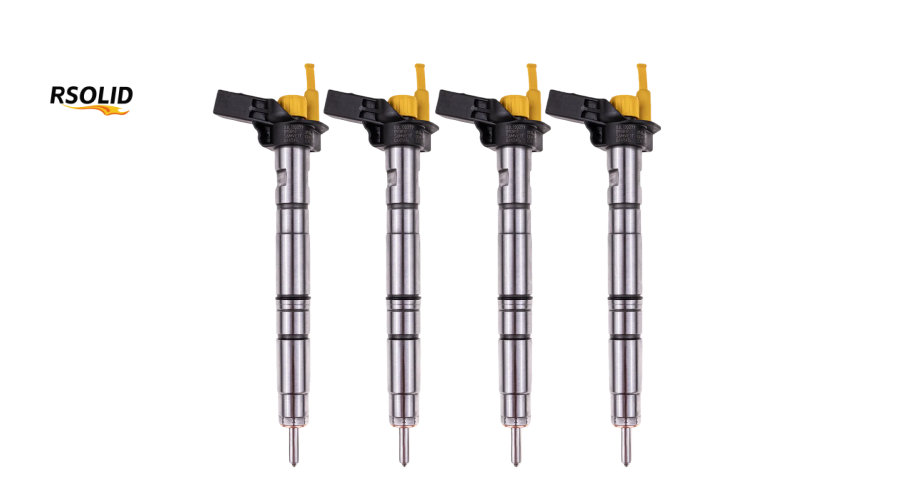
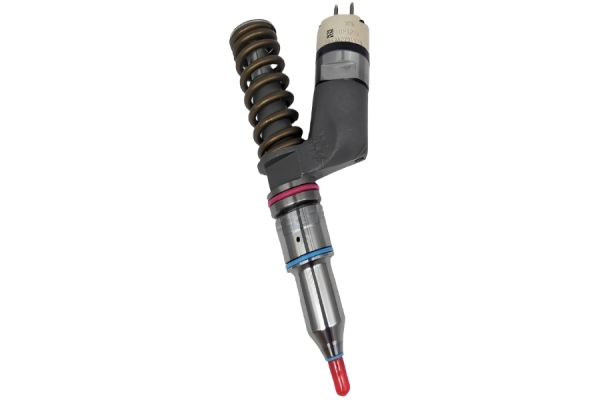
Rsolid is a professional diesel fuel injector manufacturer provides high quality and durable diesel fuel injector replacements for different brands of engines or produce fuel injector according to your request. The company is positioned as a specialized and excellent supplier in the foreign trade of automotive components, including high-quality fuel injectors. With years of experience in the international market, Rsolid has established itself as a reliable partner for global clients seeking authentic Denso products and comprehensive, value-added services. The company operates with a strong commitment to quality assurance, often backed by international certifications common in the automotive parts industry,ensuring that all parts, undergo rigorous testing for flow rate, pressure endurance, and leak integrity before being offered for sale. Rsolid's business model would typically include maintaining a diverse and comprehensive inventory of both OEM and premium aftermarket parts, with cross-compatible options to cater to a wide range of applications and global clientele, from individual workshops to large fleet operators. If you are looking for diesel fuel injector or OEM engine fuel injector, feel free to contact us.