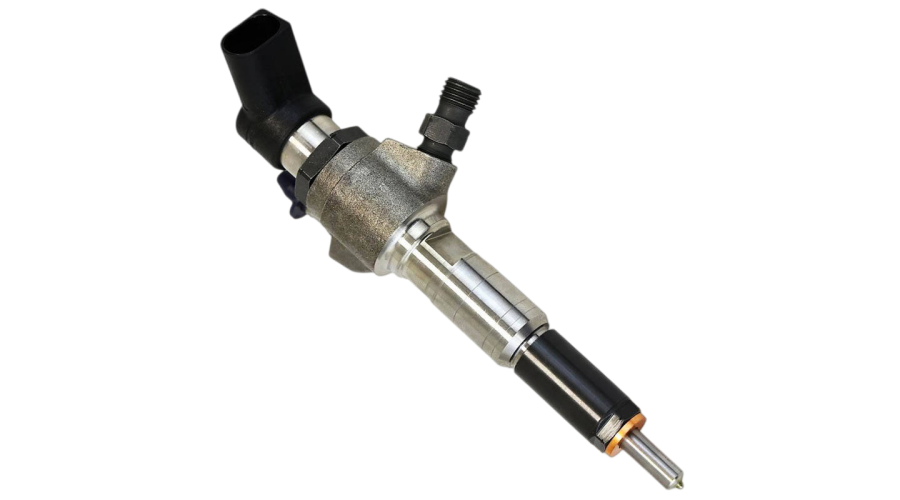
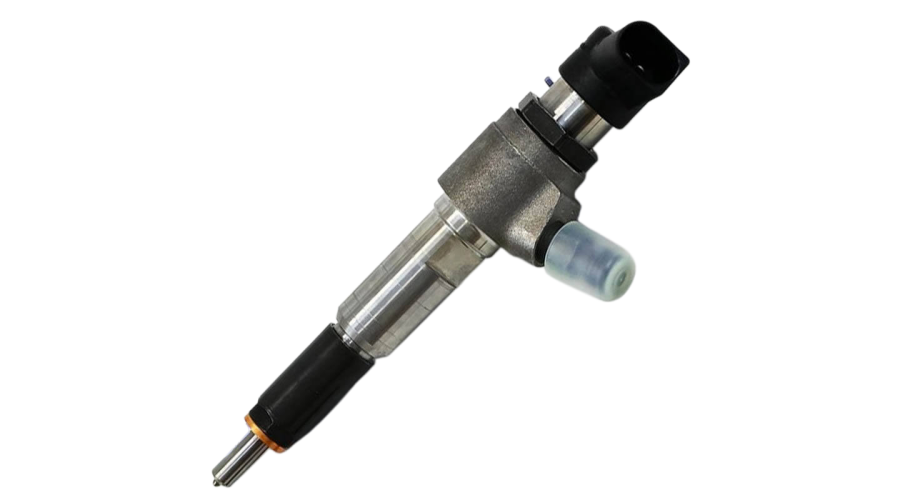
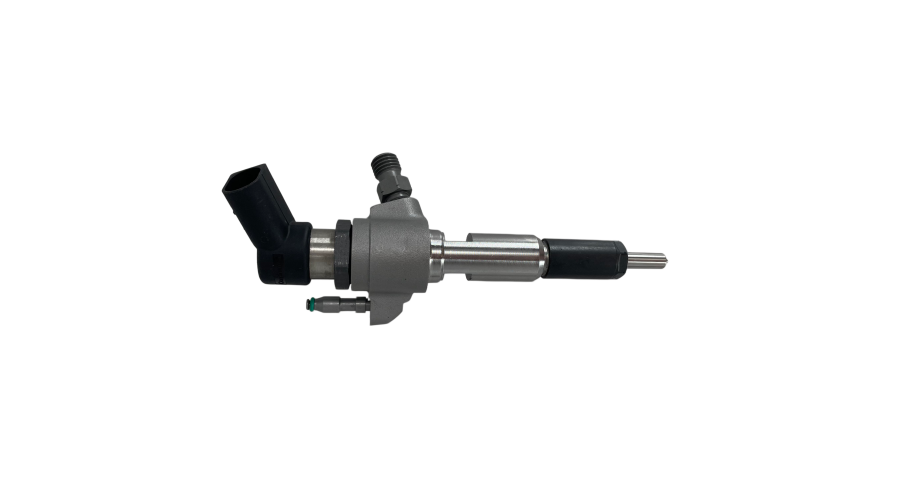
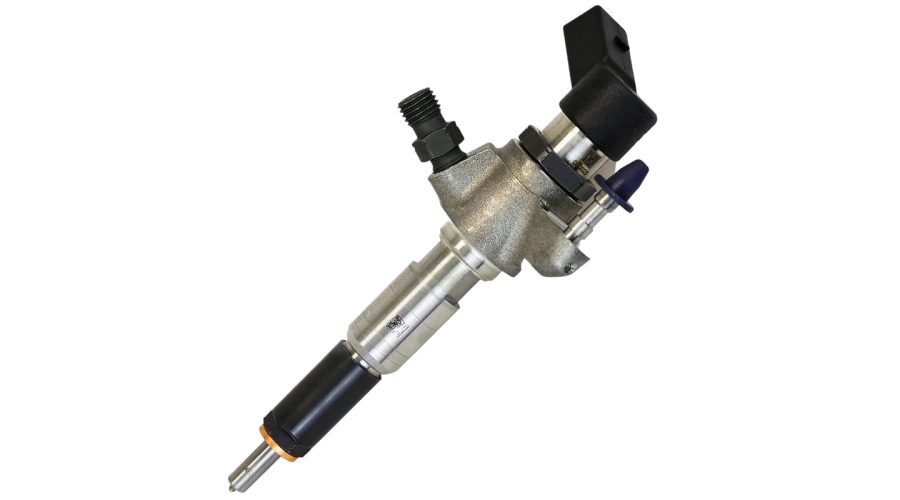
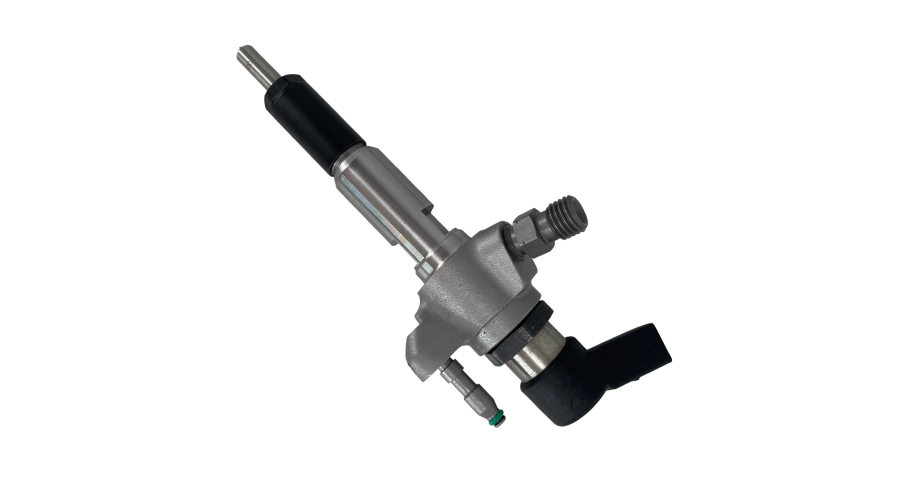
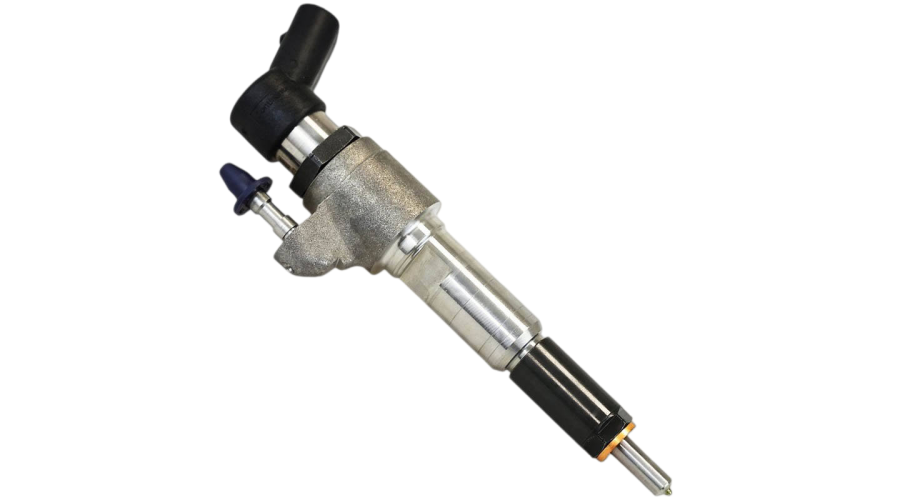
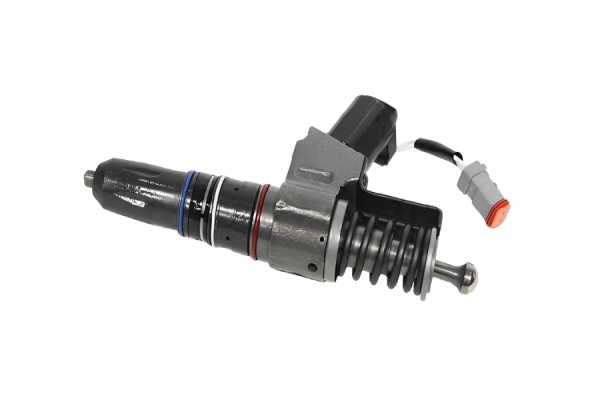
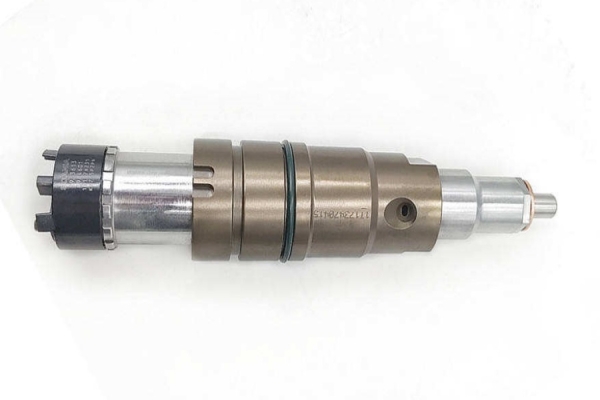
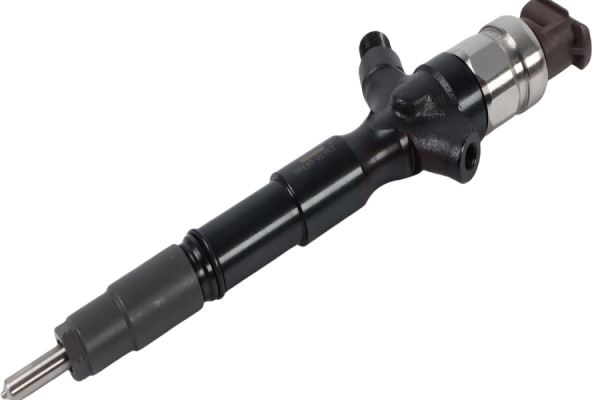
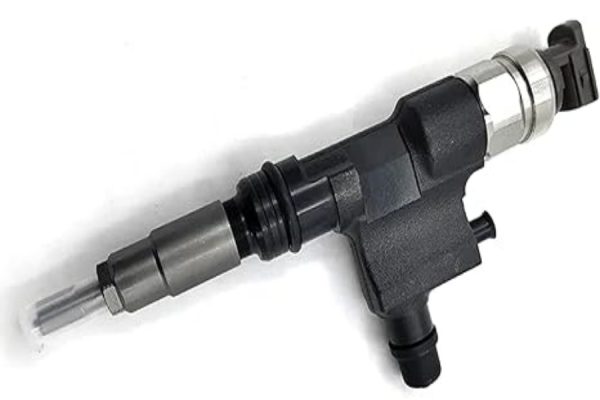
These Siemens injectors are not plug-and-play.
When you buy a new injector for this engine, it comes with a small metal tag or a QR code on the box containing an IMA Code (Injector Adjustment Code). This is a 4-digit number (or alphanumeric code) representing the injector's specific fuel delivery tolerance.
You must program this IMA code into the Engine Control Unit (ECU) using diagnostic software (VIDA, Autocom, or similar) after installation. If you do not calibrate the injectors, the engine will run rough, smoke, and may misfire because the ECU is injecting fuel based on the old injector's characteristics.
Return Line Leaks: The plastic return line banjo bolts on these injectors become brittle. You must purchase new copper washers and new return line hoses/clips before installation, or they will leak air and cause hard starting.
Clamp Bolt Torque: These are sensitive to installation torque. The clamp bolt must be tightened to 8 Nm (usually). Over-tightening distorts the injector body and causes it to stick or fail internally.
Here are the key structural and design benefits of this specific injector:
1. Reduced Sac Volume (RSV) Nozzle
The most significant structural advantage of this injector lies in the tip design.
The Problem: Older injectors had a "sac" (a small volume of fuel at the very tip of the nozzle below the needle seat). After injection, this fuel remains there. In a hot combustion chamber, this leftover fuel gets cooked by the heat, turning into carbon and soot, leading to nozzle coking (blockage).
The Advantage: This Siemens injector utilizes a Reduced Sac Volume or "Micro-Sac" nozzle. By positioning the injector needle sealing point closer to the combustion chamber, the physical space where fuel sits after injection is minimized.
Result: Less post-injection fuel exposure to heat = significantly less carbon buildup on the tip, longer injector life, and consistent spray patterns over time.
2. Hydraulic Servo System (Control Valve)
Unlike Piezo injectors which use a solid-state crystal, this solenoid injector uses a hydraulic servo system to control the needle.
The Structure: It consists of a precision-machined control plunger, a control chamber, and an inlet/outlet orifice.
The Advantage: This design acts as a hydraulic amplifier. A small solenoid force (switching on/off) can control extremely high rail pressures (up to 1,600 bar+ in these units). The structure isolates the delicate electronic actuator from the brutal mechanical force of the combustion chamber, providing a durability buffer.
3. Laser-Welded Solenoid Assembly
The Structure: The solenoid (the electromagnetic coil and armature) is typically laser-welded to the injector body.
The Advantage: In older or cheaper injectors, this joint might be crimped or rely on O-rings internally. Laser welding creates a hermetic (gas-tight) seal that prevents fuel from creeping up into the electronics or the return line improperly. It also ensures that the tiny air gap between the armature and the solenoid remains perfectly consistent for the life of the injector, ensuring stable injection quantities.