Diesel Pump

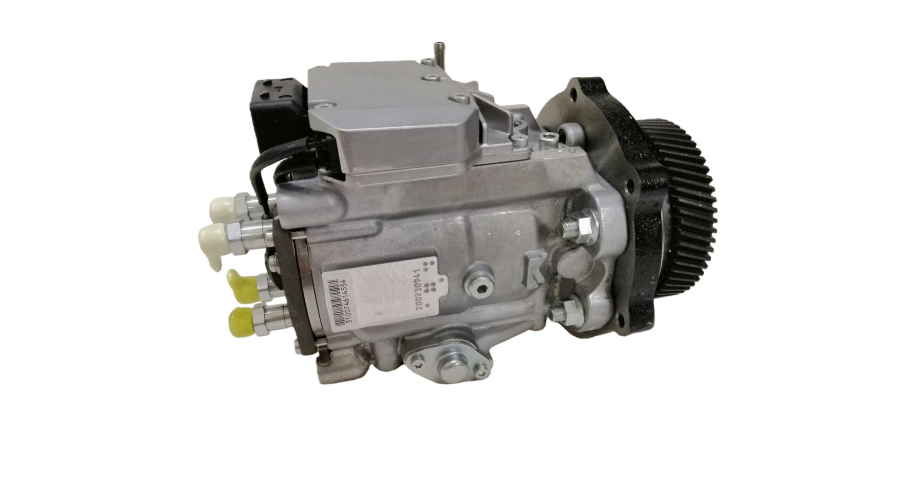
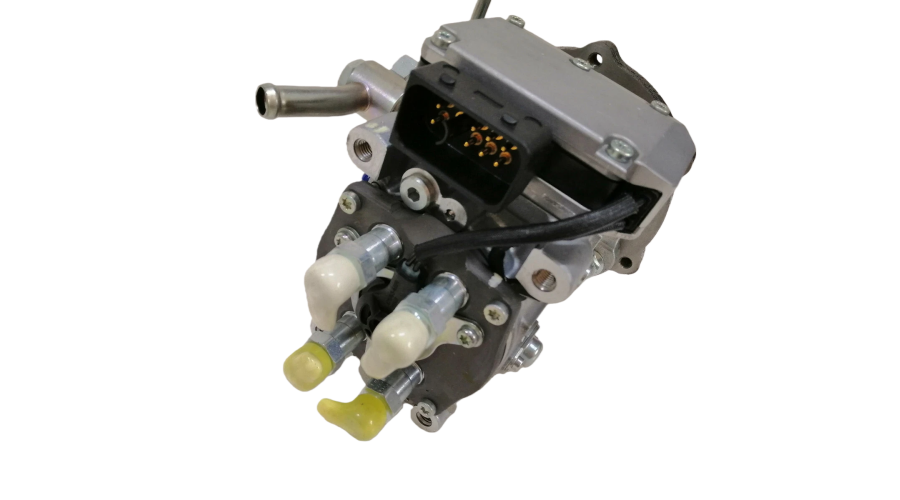
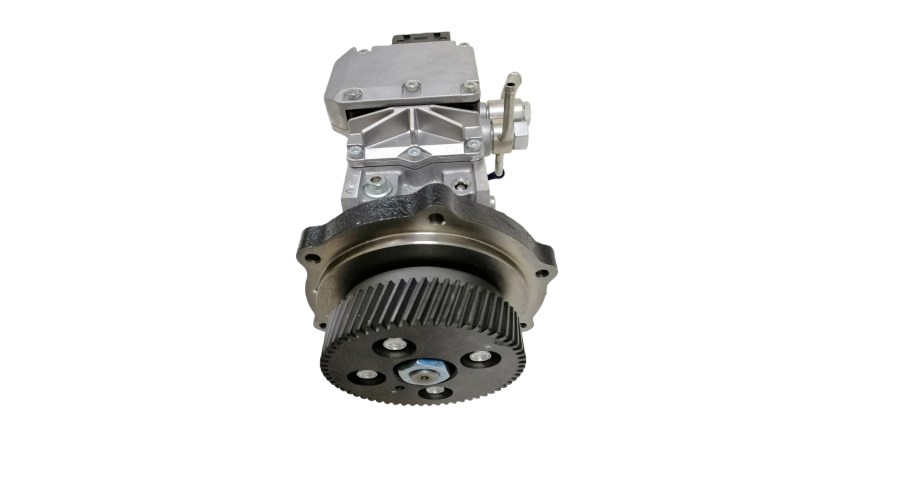
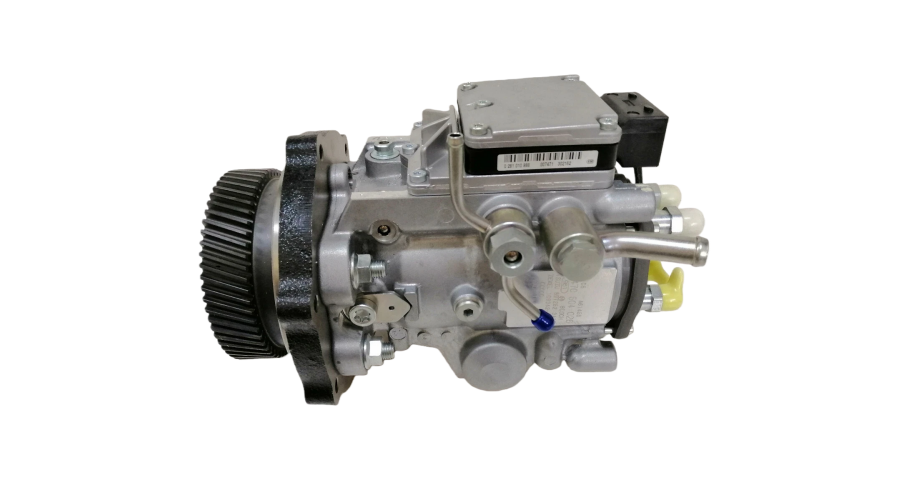
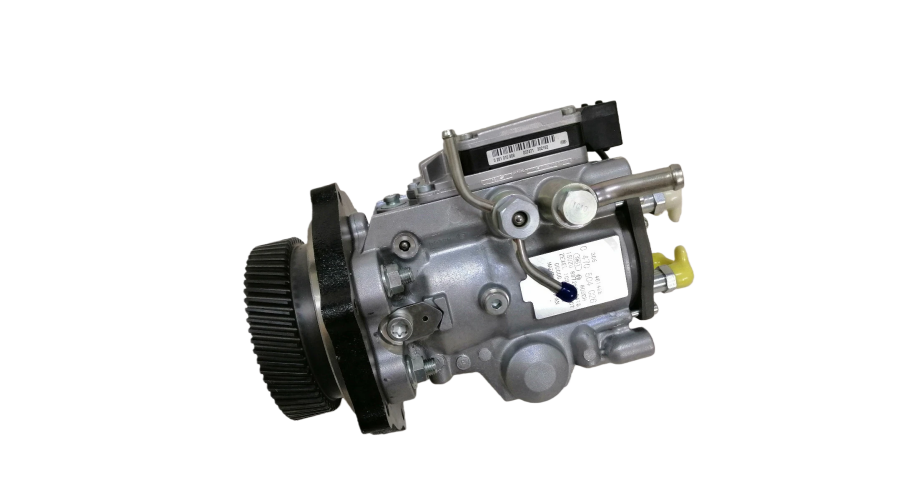
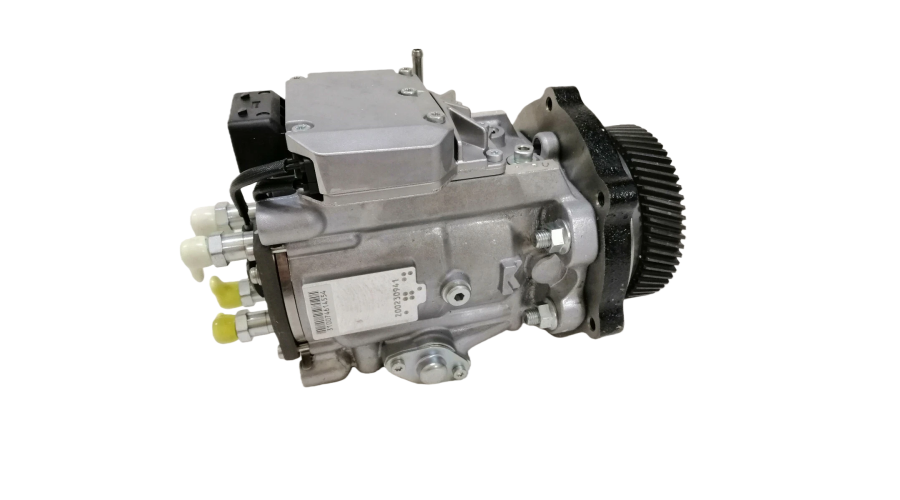
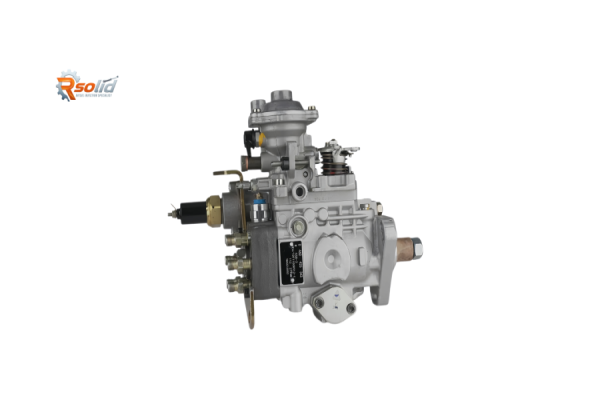
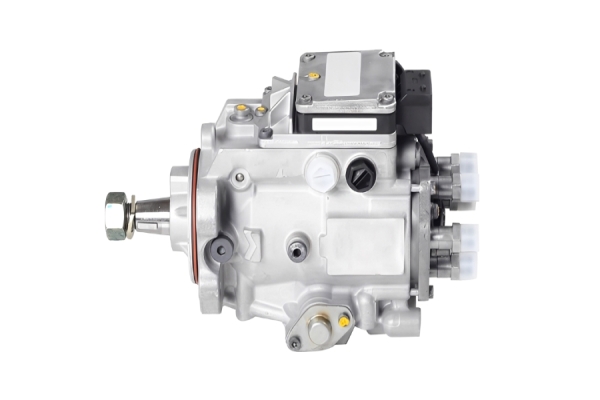
New Bosch VP44 Fuel Injection Pump 109342-1007 for Isuzu NKR77 Rodeo 4JH1 3.0L 4

  • Listed On: Sunday,January 04,2026

Key Information

Part Number:
109342-1007, 8972523415 , 0470504026 , 0 470 504 026
Engine Make:
BOSCH
Inspection Report:
Yes
Warranty:
12 months
Supply Ability:
In stock
Dlivering way:
DHL, UPS, TNT, FEDEX, EMS, BY SEA, BY AIR
Payment Way:
Paypal, Western Union, Visa, Mastercard, T/T
Details:
One model in a neutral box or specific box required by clients.
Port:
Shanghai, Shenzhen, Guangzhou, Lianyungang, Ningbo, Etc.,Hong kong

Description

The Bosch VP44 109342-1007 fuel injection pump is a critical component for a particular generation of the 4JH1-TC engine.

Here is a detailed breakdown of the information you're looking for:

Application & Core Details

  • Engine: Isuzu 4JH1-TC (Turbocharged, direct injection).

  • Vehicle Models: Primarily found in:

    • Isuzu NKR77 / NPS77 (Light & Medium-duty trucks)

    • Isuzu Rodeo / Holden Rodeo (Certain model years, typically early 2000s)

    • Isuzu D-Max (First generation, early models)

  • Displacement: 3.0L (2999cc).

  • Pump Type: Bosch VP44 "Verteilereinspritzpumpe" (Rotary Distributor Pump). This is an electronically controlled unit, often referred to as an "Electronic Diesel Control" (EDC) pump. It's not a purely mechanical pump.

Key Features of the Bosch VP44 Pump

  1. Electronic Control: It has an integrated ECU (on the side of the pump) that receives signals from the engine sensors (crank, cam, coolant temp, boost, accelerator pedal) and controls the injection timing and quantity via a solenoid valve. This allows for better performance, emissions, and fuel economy compared to older mechanical pumps.

  2. High-Pressure Generation: Creates the extremely high fuel pressure needed for direct injection.

  3. Distributor Function: Rotates to distribute fuel to each of the four cylinders in the correct firing order.

Common Symptoms of a Failing VP44 Pump (109342-1007)

If you're researching this part, the vehicle is likely showing problems. Common failure signs include:

  • Hard Starting / Long Cranking: Especially when cold.

  • Loss of Power: Significant lack of power under load (won't rev past 2500-3000 RPM).

  • Engine Stalling: Sudden cut-out or failure to idle.

  • Uneven Running / Misfiring.

  • Smoke from Exhaust: Often black or white smoke under acceleration.

  • No Start Condition: The most severe symptom.

Critical Considerations Before Buying/Replacing

This is a complex and expensive component. Proper diagnosis is essential.

  1. Diagnosis First: The symptoms above can also be caused by other issues:

  2. Faulty Crankshaft Position Sensor: A very common failure on these engines with similar symptoms.

    Fuel Supply Issues: Clogged fuel filter, leaking pickup in the tank, failing lift pump, or air ingress in the fuel lines.

    Wiring Harness Problems: The VP44's ECU communicates via a data bus (K-Line). Corrosion or broken wires in the harness between the pump and the main ECU are common, especially in the engine bay loom.

    Fuel Quality: Poor fuel or water contamination can destroy the pump's internal components.

    "New" vs. "Remanufactured":

    Genuine New: Extremely expensive and often no longer available from Bosch/Isuzu.

    Quality Remanufactured: This is the standard repair path. A properly remanufactured pump will have new internal seals, wear components (roller ring, cam disc), a checked or replaced solenoid, and a recalibrated ECU. This is crucial. Simply swapping the mechanical part without the matched ECU will likely not work.

    Part Number Verification: Double-check the number on your pump's identification tag. Variations exist (e.g., 109342-1006, -1008). Using the wrong variant can cause poor performance or communication errors. Also, verify your engine's exact model code (4JH1-TC****).

    Installation & Calibration:

    Timing is Critical: The pump must be installed with the correct static timing procedure (aligning marks on the pump gear and engine).

    Electronic Adaptation: After installation, using a professional diagnostic scanner (like Tech2 or a high-end aftermarket tool) to perform "pump adaptation" or "coding" is often necessary for optimal operation.


    Main Technical Advantages

    Compared to its purely mechanical predecessors (like the VE pump), the VP44's advantages stem from its integration of high-pressure generation with electronic intelligence.

    Electronic Control of Injection Timing and Quantity:

    Dynamic, Adaptive Timing: The onboard ECU can adjust injection timing millisecond-by-millisecond based on engine load, speed, coolant temperature, and boost pressure. This optimizes power, fuel economy, and significantly reduces cold-start smoke and noise.

    Precise Fuel Metering: Delivers the exact amount of fuel demanded by the driver's pedal andengine conditions, improving efficiency and responsiveness over mechanical governors.

    Higher Injection Pressures:

    Capable of generating soaring injection pressures (up to ~1000 bar / 14,500 psi). This is crucial for the direct injection (DI) 4JH1 engine, where fuel is sprayed directly into the combustion chamber. Higher pressure creates a finer fuel atomization, leading to cleaner, more complete combustion.

    Enabler for Advanced Emission Control:

    This was its primary raison d'être. The precise electronic control allowed manufacturers like Isuzu to meet increasingly stringent emission standards (Euro III / EPA Tier 2 equivalents) without sacrificing drivability. It managed the combustion process to reduce particulate matter (soot) and NOx at their source.

    Integrated Design & Communication:

    Self-Contained ECU: The control unit is mounted directly on the pump, surviving the harsh under-hood environment (vibration, temperature) better than a separate module.

    CAN-Bus Communication (on later models): The pump's ECU doesn't work in isolation. It communicates with the vehicle's main ECU over a data network, sharing information and receiving commands (e.g., from the cruise control or anti-theft system).

    Improved Cold Start & Altitude Performance:

    The ECU can automatically advance timing and increase fuel quantity during cold starts. It can also compensate for atmospheric pressure changes (altitude), maintaining optimal performance where a mechanical pump would lose power.

    Key Application Equipment It Enabled/Required

    The VP44 didn't just plug into an old mechanical engine. It was the centerpiece of a new, integrated Electronic Diesel Control (EDC) system. Here's the key equipment it works with:

    1. Sensor Suite (The "Eyes and Ears" for the Pump ECU):

    Crankshaft Position Sensor (CKP): Critical. Provides engine speed and piston position.

    Camshaft Position Sensor (CMP): Provides cylinder identification (for sequential timing).

    Coolant Temperature Sensor (ECT): For cold-start enrichment and timing correction.

    Boost Pressure Sensor (MAP): Informs the ECU of turbocharger boost to optimize fuel and timing under load.

    Accelerator Pedal Position Sensor (APP): An electronic "drive-by-wire" throttle, sending a voltage signal instead of a cable pull.

    Fuel Temperature Sensor (often in the pump): Corrects for fuel density changes.

    2. Actuators & Ancillary Components:

    In-Check Solenoid Valve: The VP44's primary actuator. The ECU pulses this high-speed solenoid to control the precise moment fuel injection begins (timing) and ends (quantity).

    Electric Lift Pump: Typically in the fuel tank. Provides a constant, air-free supply of fuel at low pressure (3-5 bar) to the suction side of the VP44. This is critical; the VP44's internal vane-type transfer pump is not designed to pull fuel over long distances. Failure of the lift pump is a common cause of premature VP44 failure.

    3. Control & Communication Network:

    Vehicle Main ECU (Engine Control Module): The master computer. It processes inputs from other systems and sets overall torque and speed targets for the VP44's ECU.

    Diagnostic Port (e.g., OBD-II / J-OBD): Allows technicians to read fault codes, view live data (actual injection timing, fuel quantity, sensor values), and perform calibrations.

    4. Supporting Fuel System:

    High-Precision Injectors: Designed to handle the 1000+ bar pressure. Typically, Bosch DLLA-type pencil injectors with very tight tolerances.

    Advanced Fuel Filter/Water Separator: Even more critical than on older systems. A single instance of contaminated fuel can destroy the high-precision plunger and bore inside the VP44 in minutes.

Techspecs

Parameter CategorySpecification for Bosch VP44 109342-1007
Pump TypeElectronically Controlled Rotary Distributor Pump (VP44 EDC)
Engine ApplicationIsuzu 4JH1-TC (3.0L Turbo Diesel)
Number of Cylinders4
Injection Order1-3-4-2 (typical for 4JH1)
Maximum Injection PressureUp to ~1000 bar (14,500 psi)
Governor TypeElectronic (EDC) with integrated ECU
Fuel Supply Pressure Required3 - 5 bar (from in-tank electric lift pump)
Control SolenoidHigh-Speed In-Check Solenoid Valve (for timing & quantity)
Communication InterfaceK-Line (ISO 9141) or early CAN (vehicle-dependent)
Voltage Supply12V (Nominal vehicle system)
Contact Details

FAQ

Who we are

Abbiamo a cuore la soddisfazione del cliente. Forniamo su tutti gli iniettori di carburante forniti da noi una garanzia che non è limitata dal numero di chilometri percorsi. Injectec è inoltre responsabile della sicurezza del trasporto. In caso di smarrimento o danneggiamento della spedizione da parte del trasportatore, questa verrà elaborata di nuovo, in modo completamente gratuito. Grazie alla nostra vasta banca dati, abbiamo la possibilità di verificare che il cliente ordini gli iniettori adatti alla sua auto. I nostri operatori sono così in grado di reagire rapidamente a eventuali discrepanze e di modificare l'ordine in accordo con il cliente.
Al momento distribuiamo iniettori di carburante di BOSCH, VDO Siemens, DENSO, Delphi e Catepillar. La maggior parte degli iniettori di carburante venduti da noi sono prodotti nella Repubblica Ceca o nella regione industriale dell'Europa centrale.

Injectec vende iniettori originali nuovi e usati.

Order

Non richiediamo alcun acconto rimborsabile, vendiamo solo iniettori originali nuovi e usati.

La spedizione è assicurata dal corriere. Se non hai ricevuto la spedizione entro il termine stabilito, ti preghiamo di informarci tramite il modulo di contatto, verificheremo la situazione e, in caso di perdita della spedizione, sostituiremo completamente la merce ordinata inviandoti iniettori supplementari.

Se desideri cancellare il tuo ordine, ti preghiamo di farlo il prima possibile. Se abbiamo già elaborato l'ordine, per favore cancellalo tramite la Gestione dei Resi.

Delivery

Poiché le tue informazioni vengono inviate ed elaborate immediatamente dopo la ricezione del pagamento, è molto difficile fare una modifica. Per favore, compila il tuo indirizzo con attenzione. Se è necessaria una correzione, contattaci il prima possibile.

La spedizione ha un costo forfettario di 15 EUR IVA inclusa. Non addebitiamo alcun costo di imballaggio o altre spese di gestione.

Sì, ti invieremo un codice di tracciamento non appena spediremo il tuo ordine.

Returns and Complaints

Utilizza il nostro servizio di gestione dei resi. Inserisci la tua e-mail, l'ID dell'ordine, trova i tuoi articoli e contattaci.

Il reclamo sarà risolto entro 30 giorni con il rimborso o la sostituzione degli iniettori.

Ti preghiamo di inviare la merce oggetto del reclamo all'indirizzo indicato nella pagina Spedizioni e Resi.

Warranty

Forniamo una garanzia di 24 mesi sui nuovi iniettori per i clienti finali.

Garantiamo gli iniettori usati per 12 mesi.

Ti basta selezionare sul nostro e-shop l'opzione per il controllo della garanzia, inserire la tua e-mail e l'ID dell'ordine. Il nostro sistema ti mostrerà la garanzia rimanente.