



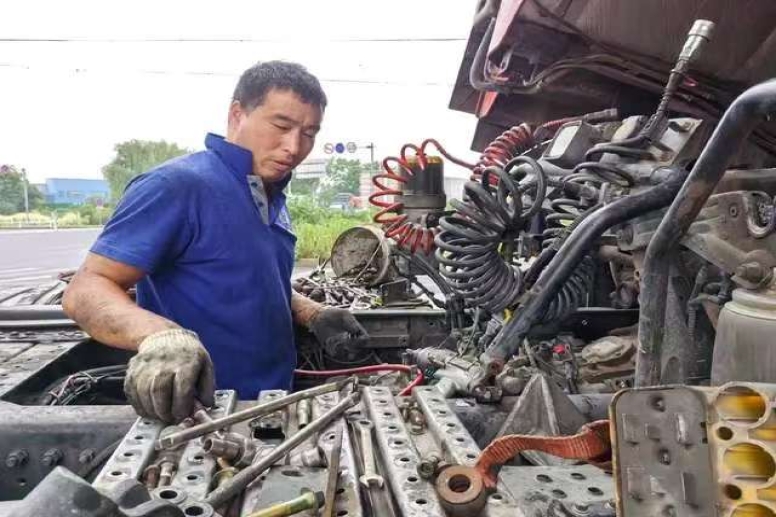
Common Fuel System Malfunctions and Maintenance Suggestions for Scania Trucks
Scania engines are renowned for their durability, but like all complex diesel systems, they can experience specific fuel system failures. These often stem from poor fuel quality, lack of maintenance, or component wear.
Here are the most common fuel system failures in Scania truck engines, categorized for clarity:
1. High-Pressure Injection System Failures (The Most Critical & Costly)
This is the heart of the modern Scania engine (e.g., XPI system used in many models).
Fuel Injector Failures:
Clogging/Nozzle Coking: Caused by contaminated fuel, biodiesel degradation, or excessive idling. Leads to poor spray pattern, misfires, loss of power, increased smoke, and higher fuel consumption.
Internal Leakage or Sticking: Due to wear or contamination. Causes rough idle, cylinder imbalance, and diesel dilution of engine oil.
Electrical Failures: Faulty solenoid or piezoelectric actuator (in XPI systems) can cause injector to stick open or closed, leading to severe misfires and potential engine damage.
High-Pressure Fuel Pump (HPFP) Failure:
Catastrophic Pump Failure: Often the result of loss of lubrication from poor-quality/low-lubricity fuel or contamination (water, fine abrasive particles). This can send metal shavings throughout the entire high-pressure circuit, destroying injectors and the pump itself—a very expensive repair.
Pressure Regulator/Control Valve Failures: Can cause low rail pressure, leading to power loss, hard starting, or engine derating.
Common Rail Failures:
Rail Pressure Sensor Failures: Causes incorrect fuel delivery, putting the engine into "limp home" mode.
Leaks in High-Pressure Lines or Rail: Dangerous and leads to pressure loss.
2. Low-Pressure Supply System Failures
These issues often create or exacerbate high-pressure system problems.
Fuel Lift Pump (In-Tank or In-Line) Failure:
Causes cavitation of the high-pressure pump, leading to power loss, hard starting, and eventual HPFP damage.
Fuel Filter-Related Issues (Extremely Common):
Clogged Filters: The #1 cause of power loss and derating. Scania's engine control unit (ECU) closely monitors filter differential pressure.
Water in Fuel: Not draining the water separator regularly leads to filter icing, corrosion, and internal pump damage. Scania's are sensitive to water contamination.
Using Non-Genuine or Low-Quality Filters: Can fail to remove fine particles critical to protecting the XPI system.
Leaking or Collapsed Fuel Lines (Low-Pressure Side): Introduces air into the system, causing hard starting, rough running, and potential pump damage.
3. Fuel Quality & Contamination (The Root Cause of Many Failures)
Scania's high-precision injection systems (especially XPI) are exceptionally intolerant of poor fuel quality.
Poor Lubricity: Wears out pumps and injectors internally.
Particulate Contamination: Even microscopic particles can abrade tight tolerances.
Water Contamination: Causes corrosion, microbial growth ("diesel bug"), and loss of lubrication.
Incorrect Fuel: Accidental use of gasoline (petrol) is catastrophic.
4. Electronic Control & Sensor Failures
The system is fully electronically controlled.
Fuel Pressure Sensors (Low & High Side): Provide critical data to the ECU. Failure causes incorrect fueling.
Temperature Sensors: Affect fuel density calculations.
Engine Control Module (ECM) Software/Calibration Issues: Can sometimes lead to irregular fueling, though not a "mechanical" failure.
5. Scania-Specific Patterns & Vulnerabilities
XPI System Sensitivity: While brilliant for performance and efficiency, the Scania XPI system's extremely high pressures (over 2,400 bar) mean any contamination has severe consequences. It is less forgiving than some older rotary pump systems.
Diesel Particulate Filter (DPF) Regeneration Issues: Failed or interrupted active regeneration cycles can cause raw diesel to wash into the sump, drastically diluting engine oil. This is often linked to fuel system issues or operating cycles (excessive idling, short journeys).
Leaking O-Rings and Seals: On older models, brittle or worn seals in the low-pressure system can be a common source of air ingress.
Prevention & Best Practices:
Fuel Quality: Always use high-quality, branded diesel from reputable stations. Consider fuel polishing systems for fleets.
Regular Maintenance: Change both primary and secondary fuel filters at Scania's recommended intervals (or more frequently in harsh conditions). Always use genuine Scania filters.
Water Drainage: Drain the water separator daily/as per the manual.
Prompt Attention: Address any engine derating, power loss, or warning lights (like "Fuel Filter Restriction") immediately. Don't ignore "limp mode."
Professional Diagnostics: Use Scania's diagnostic tools (SDP3). Generic code readers often can't access deep fuel system parameters. Proper diagnosis is key to avoiding unnecessary part replacement.
Summary: The most notorious and expensive failure is catastrophic HPFP failure sending metal through the system, often traceable to poor filtration or bad fuel. The most common operational issue is power loss due to clogged filters or water ingress. Proactive, quality-focused maintenance is absolutely critical for Scania fuel system health.
Here is a comprehensive guide to preventive maintenance for Scania truck fuel systems, designed to avoid the costly failures mentioned earlier.
This advice follows a "clean fuel is life" philosophy and is structured from most critical to routine practices.
The Golden Rules: Non-Negotiables
Use Top-Tier Fuel: Always source diesel from high-volume, reputable stations. This minimizes the risk of water, sediment, and poor lubricity.
Genuine Scania Filters: Never compromise on filter quality. Scania's filters are engineered to protect their specific injection tolerances (especially for XPI systems). The extra cost is insignificant compared to a new fuel pump and injectors.
Zero Water Tolerance: Water is the enemy. Drain the water separator daily or as specified in the manual. This is the single most important daily habit.
Scheduled Maintenance: Follow & Exceed
Adhere strictly to Scania's maintenance intervals in your manual, but consider shortening them under severe conditions:
Severe Conditions: Extended idling, frequent short trips (no full operating temp), cold climates, dusty environments, or use of biodiesel blends.
Filter Change: Replace both the primary (pre-filter/water separator) and secondary (final filter) fuel filters at every service. Change them together.
Fuel System Health Check: During major services, request a leak-off test to check injector performance and a fuel pressure test to check pump health.
Proactive & Operational Habits
At Every Refuel/Pre-Trip:
Drain the Water Separator: While the engine is off, open the drain valve at the bottom of the primary filter housing until clean, pure diesel flows out. Do this on a level surface.
Visual Inspection: Quickly check for any signs of fuel leaks around filter heads, lines, and the injection rail.
During Operation:
Avoid Running on Empty: A near-empty tank increases condensation (water) and can draw sediment from the bottom. Try to keep tanks above 1/4 full.
Minimize Idling: Excessive idling leads to incomplete combustion, soot buildup, and frequent DPF regenerations which can cause fuel dilution of the oil.
Respond to Warnings IMMEDIATELY: If the "Fuel Filter Restriction" or "Water in Fuel" warning appears, address it that day. Do not ignore "limp home" mode—it's a last-ditch protective measure.
Complete DPF Regenerations: If an active regeneration starts, allow it to finish. Interrupting it can lead to raw fuel washing into the engine oil sump.
Long-Term & Seasonal:
Biodiesel Awareness: If using biodiesel (FAME), adhere strictly to Scania's guidelines (typically max B7/B10). Biodiesel attracts water and can degrade faster. Shorten filter intervals significantly.
Fuel Tank Management: For fleets, consider annual tank cleaning for bulk storage tanks. On the truck, periodically consider using a recommended biocide if "diesel bug" (microbial growth) is suspected (slime, clogged filters).
Winter Preparation: Use appropriate winter-grade fuel or anti-gel additives approved by Scania. Never use generic "home heating" additives.
Critical Component-Specific Tips
| Component | Preventive Action |
|---|---|
| High-Pressure Pump | Ensure the lift pump is working correctly (you should hear it prime for a few seconds at key-on). A failing lift pump starves the HPFP, causing cavitation and death. |
| Injectors | Use a quality fuel system cleaner approved by Scania at recommended intervals to prevent internal coking. The best "cleaner," however, is clean fuel. |
| Fuel Lines | Check for old, brittle, or weeping lines. Replace any seeping lines immediately to prevent air ingress. |
| ECU Software | Ensure your engine's ECU has the latest Scania software updates. These often optimize calibration for emissions, performance, and component longevity. |
Tools & Investments for Fleets/Owners
Professional Diagnostics: Invest in or have access to Scania's diagnostic platform (SDP3). Regular system scans can reveal early pressure deviations or injector corrections before they cause a breakdown.
Fuel Sampling: Periodically take a fuel sample from the tank drain into a clear glass jar. Let it sit. Look for water (bottom), sediment (bottom), or haziness (microbial growth).
Fuel Polishing System: For fleet operations, installing an offline fuel polishing/recirculation system on bulk tanks is one of the best investments to ensure ultra-clean fuel.
The Bottom Line Mindset
Treat the fuel system like a sterile intravenous line for the engine. Any contamination introduced goes directly into its most sensitive and expensive components. The mantra is:
CLEAN FUEL → CLEAN FILTERS → DRY SYSTEM → PROMPT ACTION
By following this disciplined preventive approach, you will maximize the legendary reliability, fuel efficiency, and longevity of your Scania engine, avoiding the vast majority of catastrophic and expensive fuel system failures.