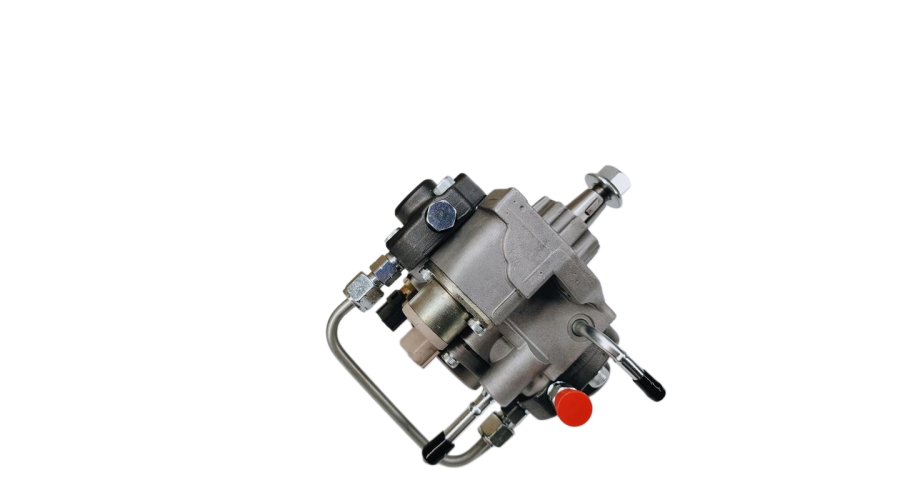
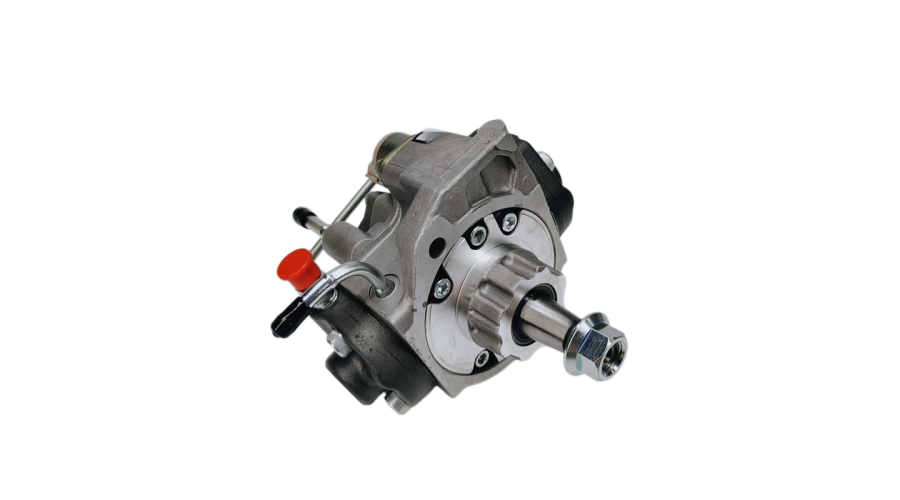
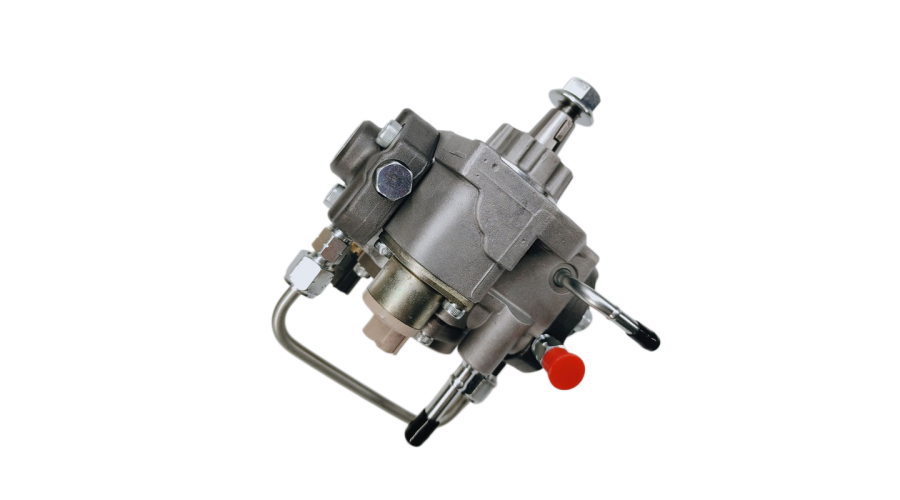
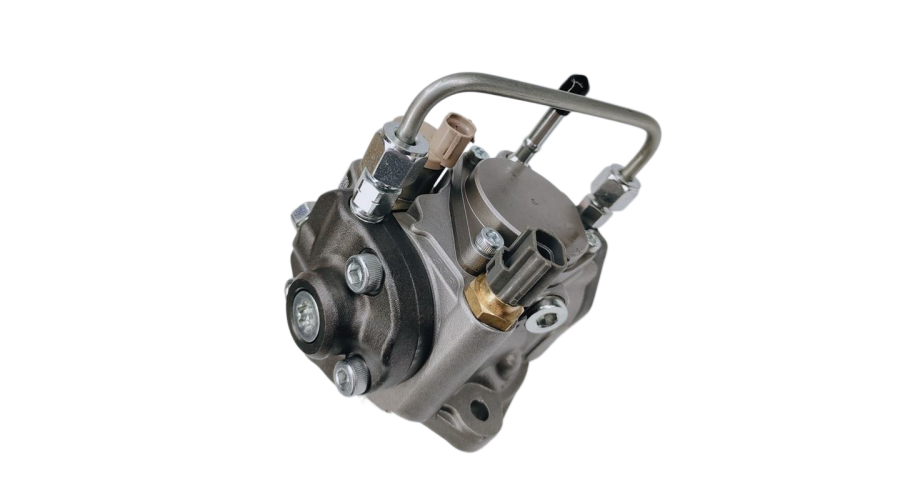
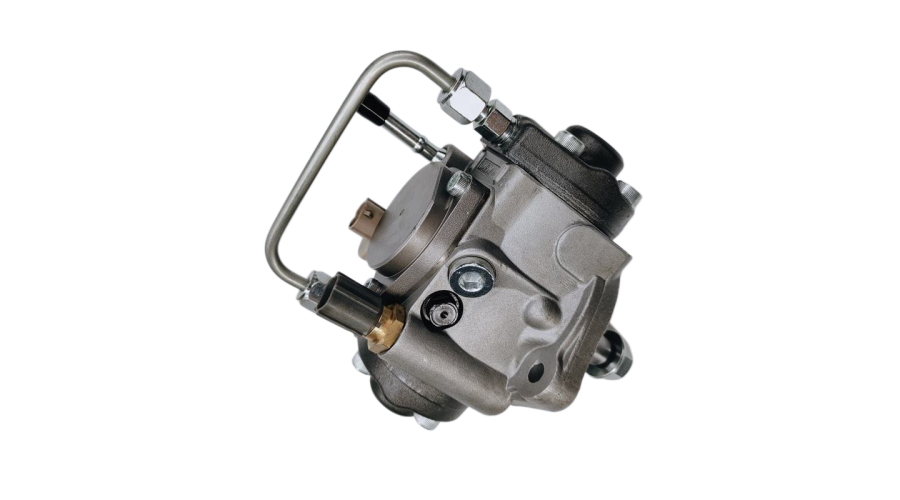
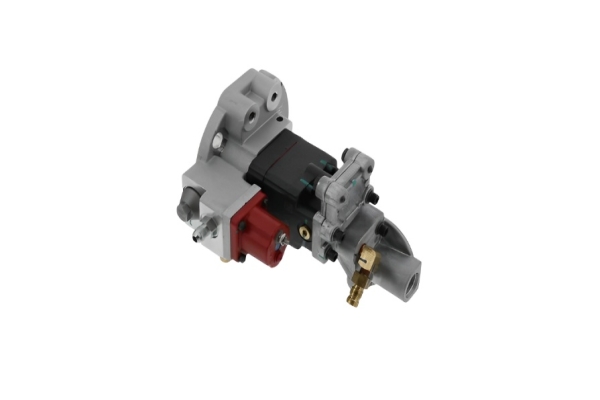
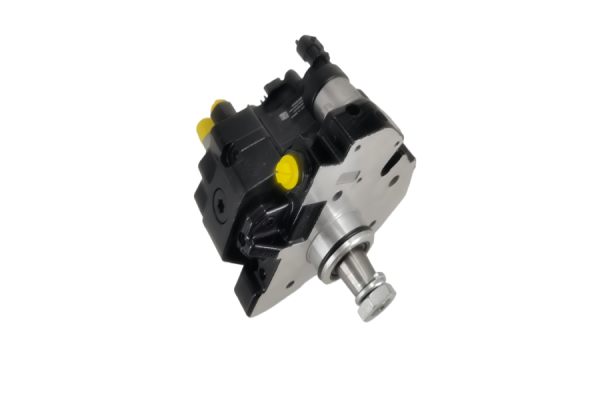
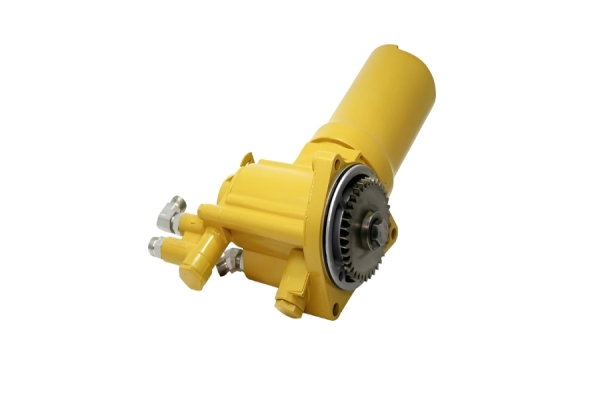
What is the 22100-30100 Denso Fuel Injection Pump ?
The 22100-30100 Denso Fuel Injection Pump is a high-pressure distributor-type rotary pump designed specifically for the Toyota Hilux 7th generation (produced from approximately 2005 to 2015). This pump is fully compatible with Denso’s HP3 series and is engineered for Toyota’s 1KD-FTV (3.0L 4-cylinder turbo diesel) and 2KD-FTV (2.5L 4-cylinder turbo diesel) engines – the workhorses of the legendary Hilux pickup.
The “7” in “Toyota Hilux 7” refers to the seventh generation of this iconic truck (chassis codes AN10, AN20, AN30), which remains one of the most popular light-duty diesel pickups globally, especially in Australia, Southeast Asia, Africa, the Middle East, and Latin America. The 22100-30100 pump (also known as Denso part number 294000-1200 series or Toyota genuine 22100-30100) is a mechanical distributor pump with an electronic governor (often called an “electronic distributor pump” or ECD-V4). It delivers fuel at pressures up to 1,600 bar and precisely controls injection timing based on engine ECU signals.
For Hilux owners who rely on their truck for work, overlanding, or daily driving, a failing injection pump leads to hard starting, rough idle, black smoke, and loss of power – especially critical when the Hilux is used for towing or carrying heavy loads. Aftermarket alternatives compatible with Denso standards, such as those from Rsolid engine parts, offer the same OEM fitment and performance at a fraction of the dealer price, often without a core charge.
How Does the 22100-30100 Fuel Injection Pump Work on the Toyota Hilux 1KD-FTV / 2KD-FTV?
The 22100-30100 pump is a Denso ECD-V4 (Electronic Controlled Distributor pump) – a hybrid design that combines mechanical pressurization with electronic timing and fuel quantity control. Here is a step-by-step explanation tailored to the Hilux 1KD-FTV engine:
Fuel Supply: A vane-type feed pump (integrated into the pump housing) draws diesel from the tank through a water separator and primary filter. It supplies fuel at 2–4 bar to the high-pressure chamber.
High-Pressure Generation: A single plunger inside the distributor head reciprocates via an eccentric cam ring. Each stroke compresses fuel to 1,200–1,600 bar (depending on engine load and RPM).
Distribution: The rotating distributor rotor sends the pressurized fuel to each of the four injectors in the correct firing order (1-3-4-2 for the 1KD-FTV).
Electronic Governor & Timing Control: Unlike purely mechanical pumps, the 22100-30100 uses a spill control valve (SCV) and a timing control valve (TCV) . The engine ECU receives signals from the accelerator pedal position sensor, crank angle sensor, and boost pressure sensor, then commands the SCV to adjust fuel quantity and the TCV to advance or retard injection timing. This provides precise control for low emissions and smooth power delivery.
Feedback Loop: A fuel temperature sensor and a pump cam position sensor (built into the pump) send data back to the ECU, allowing closed-loop control of injection parameters.
When the 22100-30100 pump wears out – common after 250,000–350,000 km – typical symptoms include:
Extended cranking time, especially when the engine is hot.
Erratic idle or stalling at traffic lights.
Black smoke under acceleration (over-fueling).
Limp mode with DTC (diagnostic trouble codes) related to fuel system, such as P0087, P0093, or P1229.
Reduced fuel economy (often 15–20% worse).
Replacing it with a quality compatible pump restores the original injection timing and fuel delivery maps.
Advantages of the 22100-30100 Denso Fuel Injection Pump (Compatible with Toyota Hilux 7)
Why should you choose this specific pump for your Hilux? The advantages are significant for both daily drivers and commercial users.
1. Direct Plug-and-Play Fitment for Hilux 7 (AN10/AN20/AN30)
The 22100-30100 pump matches the exact mounting flange (3-bolt), drive shaft spline (10-tooth), and fuel line ports of the original Denso pump. It also uses the same electrical connectors for the SCV, TCV, and sensors – no wiring modifications or adapter harnesses needed.
2. Restored Power & Driveability
The 1KD-FTV engine produces up to 163 HP and 343 N·m of torque in stock form. A worn pump reduces torque by 15–25%, making the Hilux feel sluggish, especially when overtaking or climbing hills. A new pump restores the factory power curve and throttle response.
3. Improved Fuel Economy – Payback in Months
The Hilux 1KD-FTV typically consumes 9–12 L/100km combined. A failing pump increases consumption by 2–3 L/100km. Over 30,000 km per year, that’s 600–900 liters of extra diesel – enough to pay for a new pump within 6–12 months.
4. Eliminates Black Smoke & Failed Emission Tests
Many countries have periodic diesel emission tests (opacity meters). A worn pump causes visible black smoke, leading to failed inspections. A properly calibrated pump ensures clean combustion and compliance with Euro 3 or Euro 4 standards.
5. Prevents Costly Injector & DPF Damage
Over-fueling from a worn pump can overwhelm the injectors, causing tip erosion and eventual injector failure (costing $200–400 each). On Hilux models with a DPF (diesel particulate filter), excess soot can clog the DPF, requiring expensive regeneration or replacement. A new pump protects downstream components.
6. Cost-Effective Alternative to Genuine Toyota/Denso
A genuine Toyota 22100-30100 pump from a dealer can cost $1,500–$2,200. High-quality aftermarket alternatives from Rsolid engine parts offer the same Denso-compatible performance for 40–60% less, with a full warranty and no core charge.
Applications of the 22100-30100 Fuel Injection Pump
This pump is engine-specific for Toyota’s 1KD-FTV and 2KD-FTV. Which vehicles use these engines? Below is the comprehensive list.
Toyota Hilux 7th Generation (2005–2015)
Hilux AN10, AN20, AN30 series – all variants with 1KD-FTV (3.0L) or 2KD-FTV (2.5L) diesel engines.
Includes single cab, extra cab, double cab, and chassis cab versions.
Specific models: SR, SR5, G, GLX, Vigo (Thailand market), and Invincible (UK/Europe).
Toyota Fortuner (first generation, 2005–2015)
The SUV based on the Hilux platform, with the same 1KD-FTV engine.
Common in Southeast Asia, India, and Australia.
Toyota HiAce (2005–2018, depending on market)
Toyota Land Cruiser Prado (120 series, 2002–2009 with 1KD-FTV)
Important cross-reference: The 22100-30100 supersedes or interchanges with:
Toyota genuine numbers: 22100-30090, 22100-30110, 22100-30120.
Denso numbers: 294000-1202, 294000-1203, 294000-1204, 294000-1205.
Some markets use 22100-30101 or 22100-30102 – confirm with your VIN.
Supplier of the 22100-30100 Fuel Injection Pump: Why Rsolid Engine Parts?
For Hilux owners, reliability is everything. Rsolid engine parts has become a trusted global supplier of diesel fuel injection components for Toyota, Isuzu, Mitsubishi, and Komatsu. Here are their specific advantages for the 22100-30100 pump.
1. 100% Bench-Tested with Electronic Calibration
Each Rsolid 22100-30100 pump is tested on a DENSO Eps200 or Bosch EPS 815 test bench, which simulates the engine ECU signals. The test report includes:
Delivery volume per cylinder (mm³/stroke) at idle, part load, and full load.
SCV current vs. fuel delivery curve.
TCV timing advance map.
Fuel temperature sensor resistance and cam position sensor output.
Leakage at 1,600 bar.
2. Exact OEM Fitment for Hilux 7 (1KD-FTV / 2KD-FTV)
Rsolid reverse-engineers the pump using original Denso castings or sources ISO9001-certified housings. The mounting flange, drive spline, injector line ports, and electrical connector positions match the factory pump exactly. No modification to the engine harness or fuel lines is required.
3. No Core Charge – Keep Your Old Pump
Unlike many rebuilders that charge a $300–$500 core deposit, Rsolid supplies new production pumps with no core charge. This is especially convenient for remote Hilux owners who don’t want to ship back a heavy core.
4. 12-Month Unlimited Mileage Warranty
Rsolid covers any manufacturing defect, seal leak, electronic actuator failure, or calibration drift for one full year (unlimited miles). This includes free replacement if the SCV, TCV, or sensors fail due to internal defects (excluding contaminated fuel or improper installation).