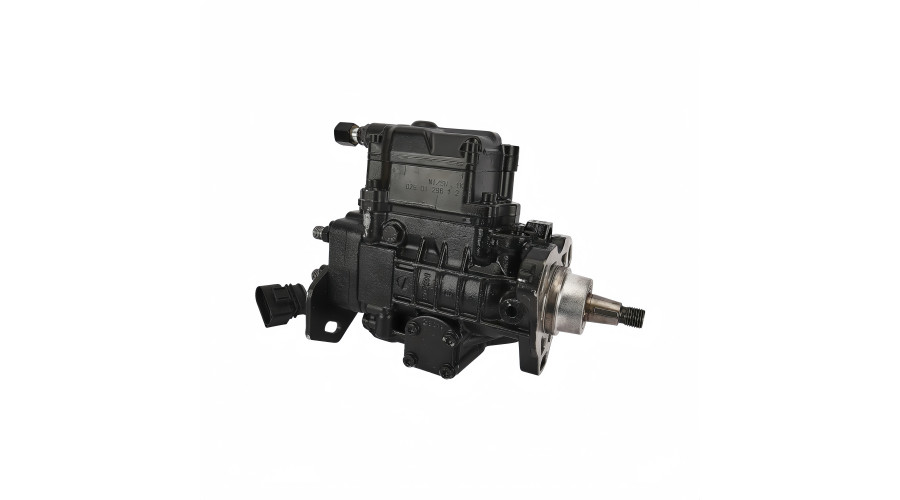
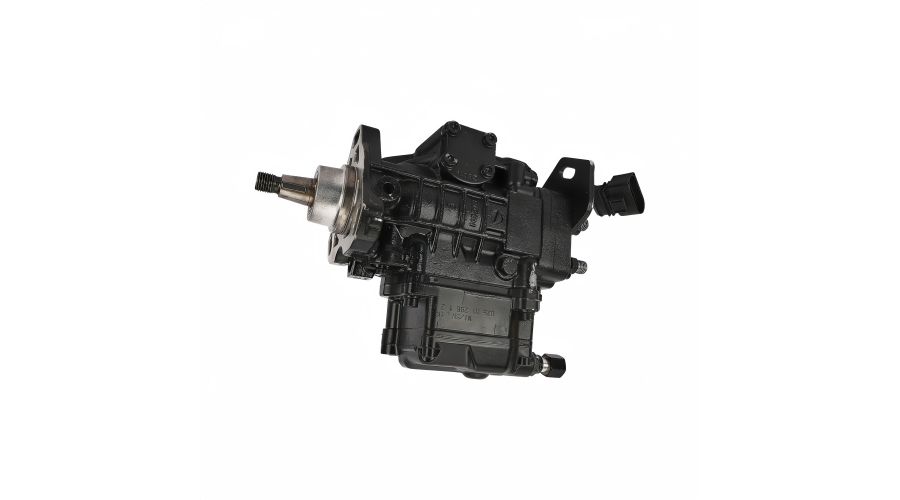
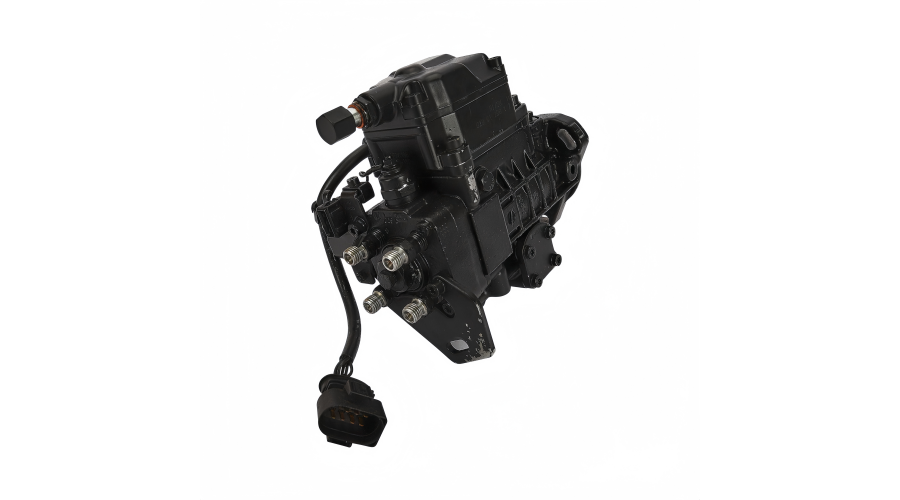
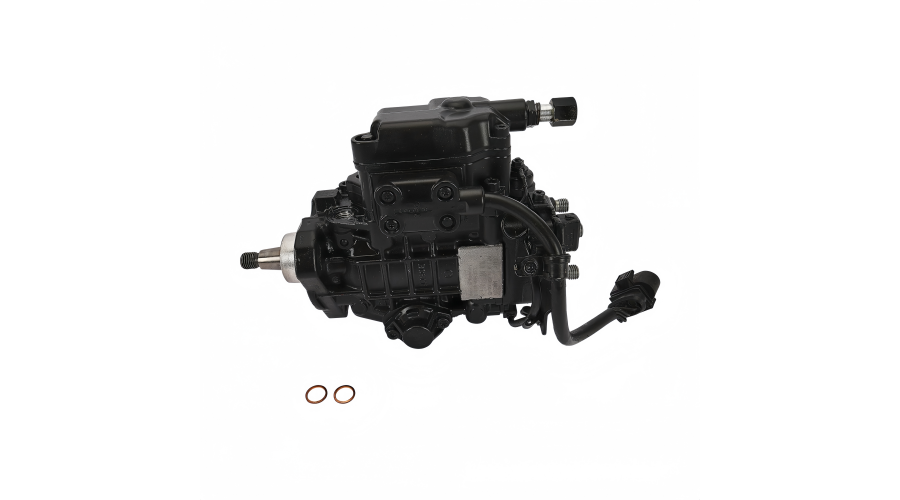
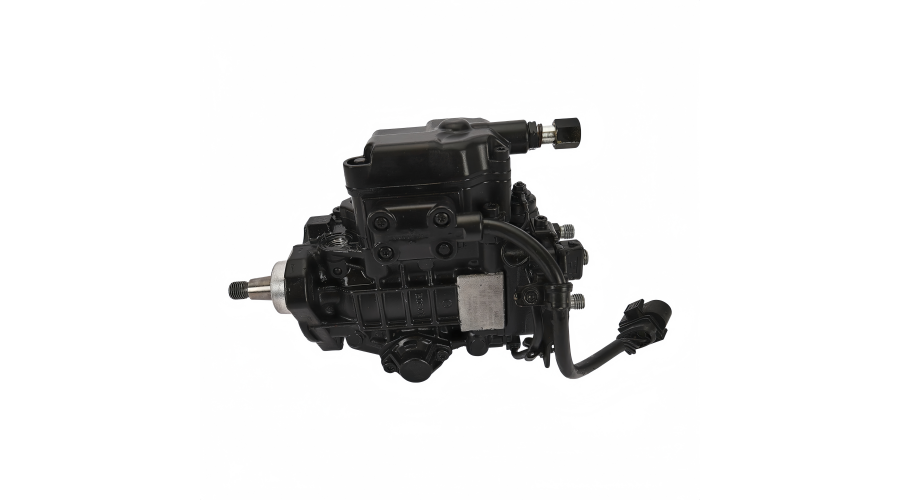
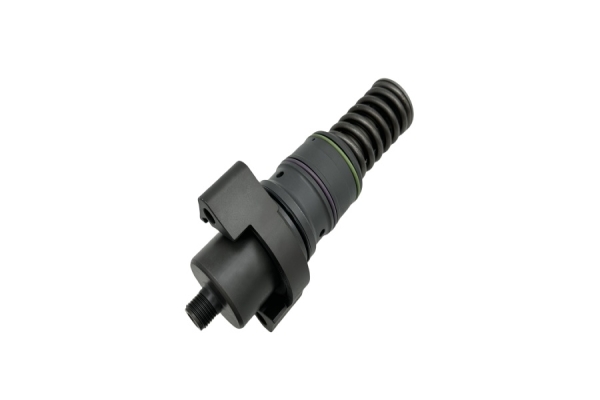
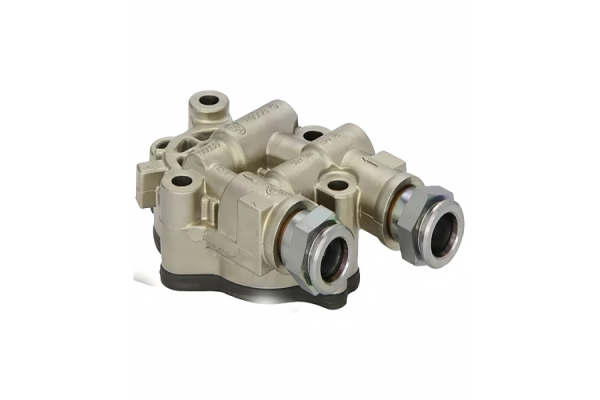
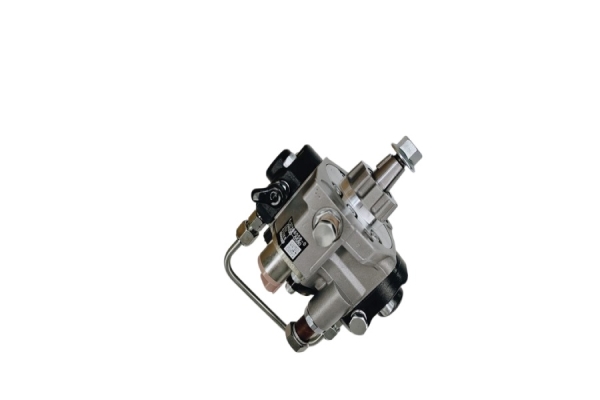
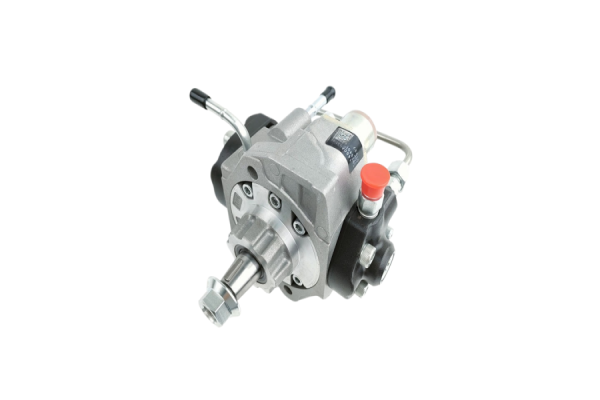
Delving into the structural features and advantages of a Bosch Common Rail pump like the 460404970 explains why it became the industry standard for modern diesel engines. This goes beyond a simple part and into high-precision engineering.
Here’s a breakdown of its key structural features and the resulting advantages:
1. Structural Features (The Design)
A. Radial Piston Design (Most Common for this Class of Pump):
Structure: It typically features 2 or 3 piston plungers arranged radially (like spokes on a wheel) around a central camshaft. The camshaft is not a traditional lobe but an eccentric ring or multi-lobe cam.
Mechanics: As the camshaft rotates, the eccentric ring pushes the plungers inward in sequence, creating the compression stroke. Springs return the plungers on their suction stroke.
B. Integrated Flow Control Valve (Quantity Control Valve - QCV or Metering Unit - MU):
Structure: An electrically operated proportional solenoid valve mounted directly on the pump.
Mechanics: This is the brain of the pump's control. The Engine Control Unit (ECU) precisely modulates the current to this valve, which controls how much low-pressure fuel is allowed into the pumping chambers before compression. This regulates output, making pressure control fast and precise.
C. Outlet Ports to the Common Rail:
Structure: High-pressure outlets (usually 2-4, matching the number of pistons) are machined directly into the pump's housing.
Mechanics: These ports connect via ultra-strong, rigid steel lines to the common rail, delivering the generated high-pressure fuel.
D. Internal Gear-Type Supply Pump:
Structure: A small, low-pressure gear pump is integrated into the pump's inlet or is driven from the same shaft.
Mechanics: Its job is to pull fuel from the tank and feed it at a steady, low pressure (4-6 bar) to the inlet of the high-pressure pumping elements. This ensures the high-pressure pistons are always primed, improving efficiency and preventing cavitation.
E. Built-In Pressure Relief Valve:
F. Drive Shaft & Bearing Assembly:
Structure: A robust shaft supported by high-precision bearings, designed to handle high radial loads from the cam ring.
Mechanics: The shaft is driven by the engine (timing belt, gear, or chain) and rotates at camshaft speed (half of engine RPM).
2. Advantages (The Benefits)
These structural features translate into significant performance gains over older injection systems (like rotary or inline pumps):
| Feature | Resulting Advantage |
|---|
| Radial Piston Design | High Pressure & Compactness: Generates extremely high pressure in a relatively small, lightweight package. More efficient than axial piston designs for automotive pressures. |
| Integrated Quantity Control Valve (QCV/MU) | Unprecedented Precision & Flexibility: The ECU can vary fuel pump output instantly and independently of engine speed. This allows for:
• Ultra-precise rail pressure control for all operating conditions.
• Reduced fuel delivery at idle/low load for quiet operation and lower consumption.
• Instantaneous ramp-up of pressure for acceleration demands. |
| Decoupled from Injection Events | Key Common Rail Benefit: The pump's job is solely to maintain pressure in the rail, a large reservoir. The actual injection is performed by the injectors, controlled by the ECU. This separation allows for:
• Multiple Injections Per Cycle: Pilot, main, and post injections are easily managed for noise reduction, power, and emissions control.
• Constant High Pressure: Injection pressure is high even at low engine RPM, improving atomization and reducing cold-start smoke. |
| Internal Supply Pump | Improved Efficiency & Reliability: Ensures a steady, bubble-free supply to the high-pressure section, reducing wear and improving the pump's ability to create pressure. |
| Robust, Gear-Driven Design | High Reliability & Power Density: The mechanical drive can handle the high torque required for high pressure. When properly lubricated by clean fuel, these pumps are known for very long service life. |
3. Comparison vs. Older Systems
Vs. Rotary (Distributor) Pumps: Older rotary pumps combined pressure generation and injection timing/distribution in one unit. They were limited to lower pressures (~1350 bar max) and could not easily perform multiple injections. The Bosch CR pump's decoupled design is far more flexible and powerful.
Vs. Inline Pumps: These were bulky, heavy, mechanically complex, and their injection timing/pressure was heavily dependent on engine speed.