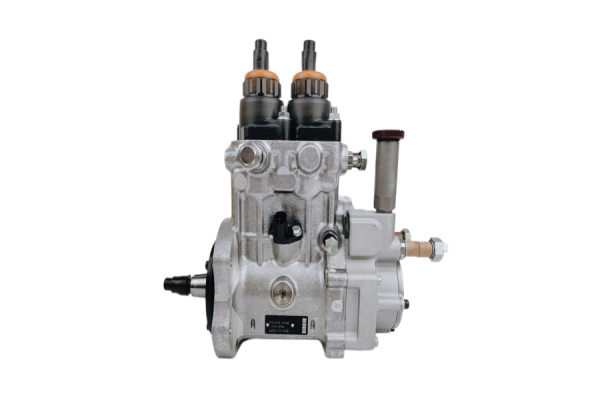
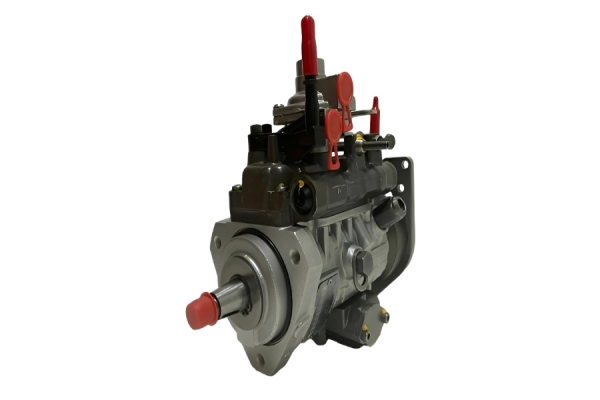
Core Part Information
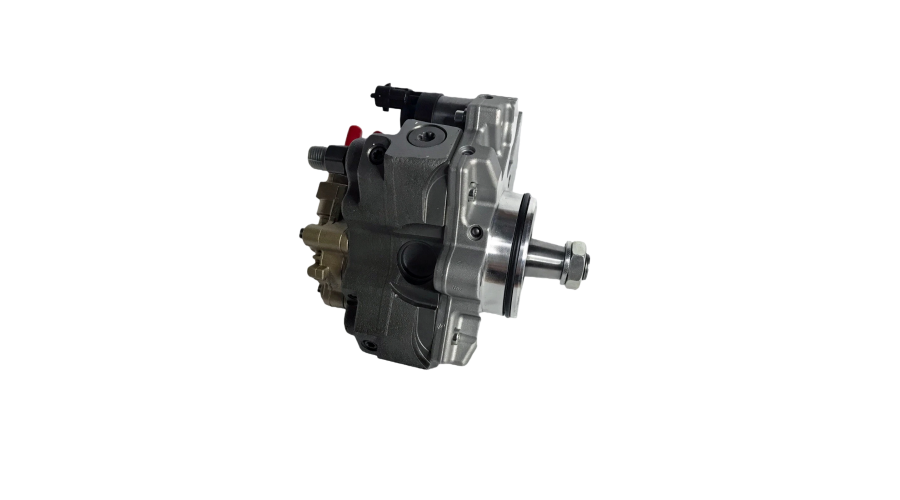
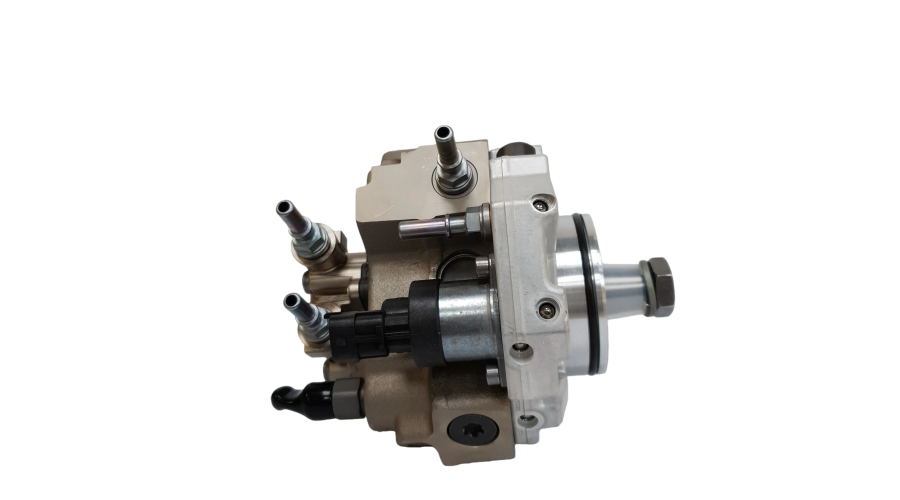
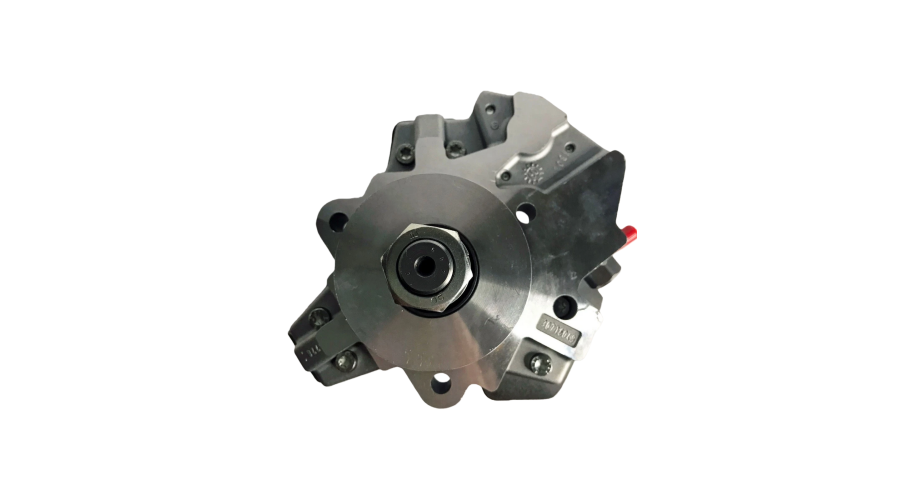
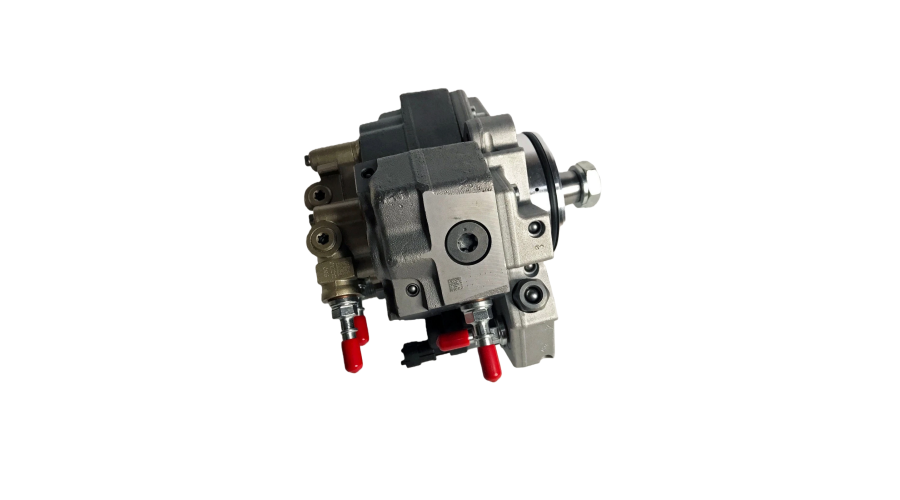
Part Number: 0445020122
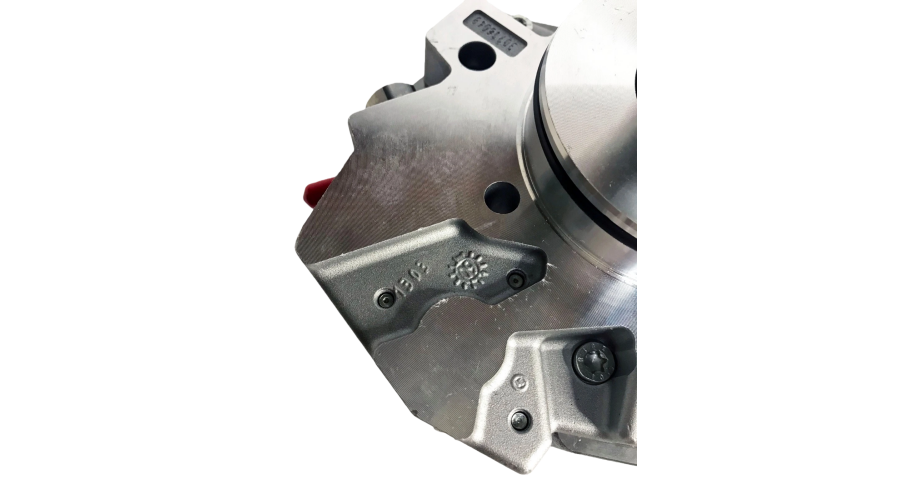
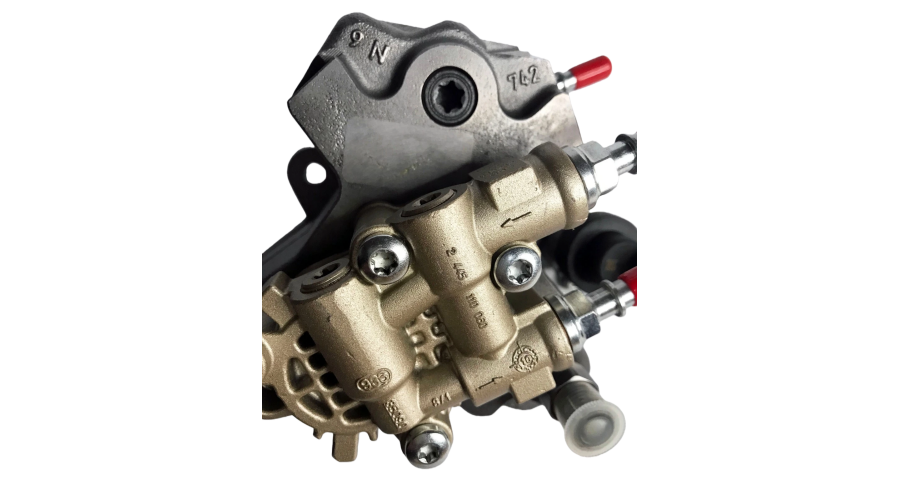
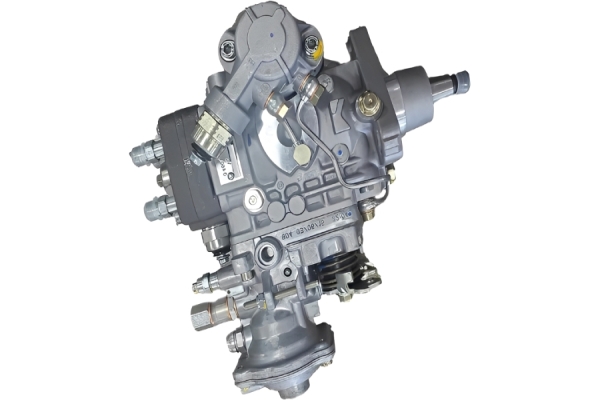
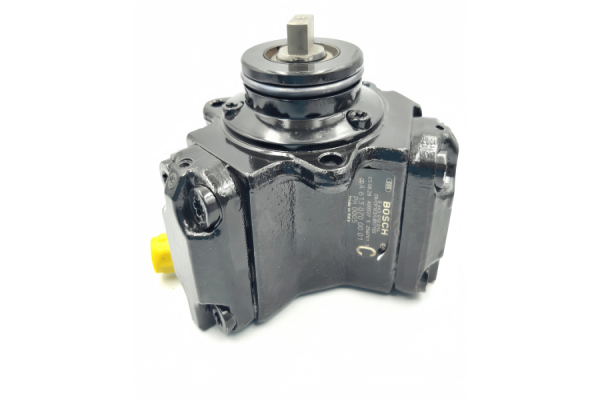
Description: High-Pressure Fuel Pump (Fuel Supply Pump)
Engine Application: Specifically designed for Cummins QSB Series diesel engines, most commonly the:
System: This is a critical component of the High-Pressure Common Rail (HPCR) fuel system.
Typical Equipment Applications
This pump is found in a wide range of machinery and vehicles powered by Cummins QSB engines, including:
Construction Equipment: Excavators, wheel loaders, bulldozers, forklifts.
Power Generation: Diesel generator sets.
Agricultural Machinery: Large tractors, combines.
Industrial & Marine: Some marine propulsion and industrial power units.
Commercial Vehicles: Certain medium-duty trucks and buses.
Function & Importance
Primary Role: As the heart of the HPCR system, this pump takes low-pressure fuel from the tank and pressurizes it to extremely high levels (typically 1600 - 2000+ bar or 23,000 - 29,000+ PSI). It then supplies this high-pressure fuel to the common rail (accumulator).
Critical Impact: It is essential for maintaining precise fuel pressure to the electronic injectors, directly affecting:
Structural Characteristics and Technical Advantages of the High-Pressure Fuel Pump (0445020122)
Structural Characteristics:
A. Compact Modular Design:
Integrated Design: Combines low-pressure transfer pump, high-pressure pumping elements, pressure regulation valve, and fuel metering unit into a single compact housing
Radial Piston Arrangement: Typically features 3 or 4 radially arranged plunger/piston assemblies driven by an eccentric cam
Gear-Driven Operation: Directly driven by the engine gear train at camshaft speed (1:2 crankshaft ratio)
B. Key Components:
Inlet Metering Valve (IMV): Electronically controlled proportional valve regulating fuel entering the high-pressure section
Pressure Relief Valve: Spring-loaded safety mechanism preventing excessive pressure buildup
Plunger and Barrel Assemblies: Precision-machined hardened steel components with micron-level clearances
Tappet and Roller Assemblies: Convert cam motion to plunger movement with minimal friction
Integrated Fuel Temperature Sensor: Monitors fuel temperature for density compensation
C. Material Construction:
High-Grade Alloy Steel: For plungers, barrels, and cam surfaces
Advanced Surface Treatments: Diamond-like carbon (DLC) coatings, nitriding, or chromium plating for wear resistance
Precision Bearings: High-load capacity bearings supporting the camshaft
Technical Advantages:
A. Performance Excellence:
Exceptional Pressure Generation: Capable of producing 1,600-2,000+ bar (23,000-29,000+ psi) rail pressure
High Volumetric Efficiency: Typically 85-92% across operating range
Precise Flow Control: IMV provides accurate metering with response times < 10ms
Wide Operating Range: Functions efficiently from idle (600 rpm) to maximum engine speed (2,800+ rpm)
B. Durability & Reliability:
Extended Service Life: Designed for 8,000-12,000+ hours in heavy-duty applications
Contamination Tolerance: Robust filtration requirements (typically 4-10 micron) but designed to withstand some contamination
Thermal Stability: Maintains performance across -40°C to +140°C fuel temperatures
C. System Integration Advantages:
Simplified Plumbing: Reduces external high-pressure lines compared to earlier systems
Built-In Diagnostics: Supports comprehensive fault detection through the ECM
Adaptive Control: Self-learning capability for wear compensation over service life
Reduced NVH: Optimized cam profiles and balanced design minimize noise and vibration
D. Emission Compliance:
Enables ultra-fine fuel atomization (droplets < 5 microns)
Supports multiple injection events per cycle (pilot, main, post)
Facilitates precise injection timing critical for meeting Tier 3/4, EPA 2010+ standards