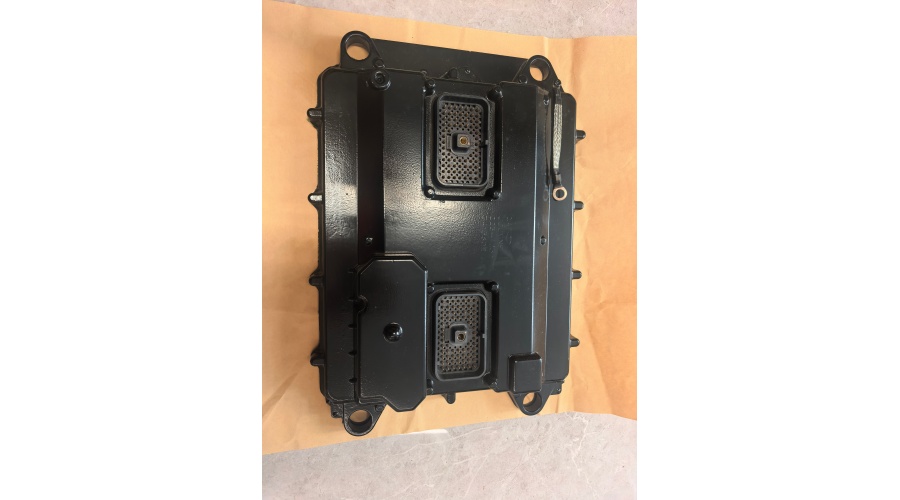
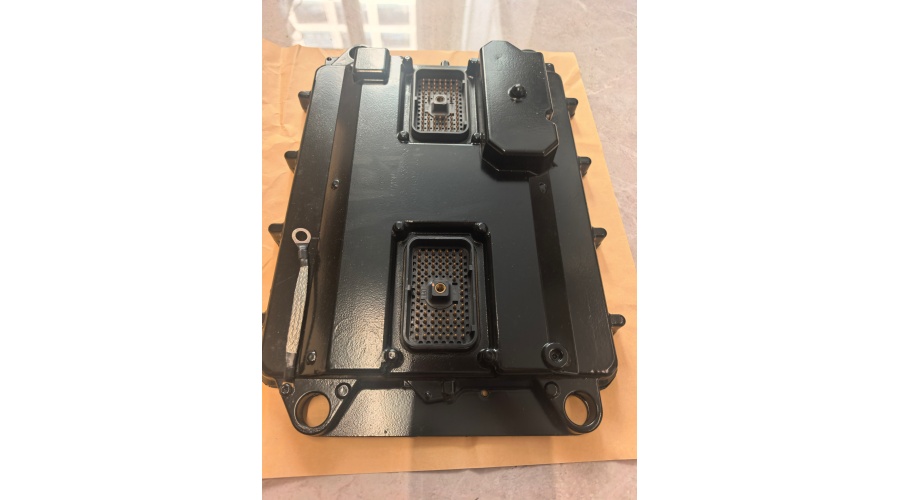
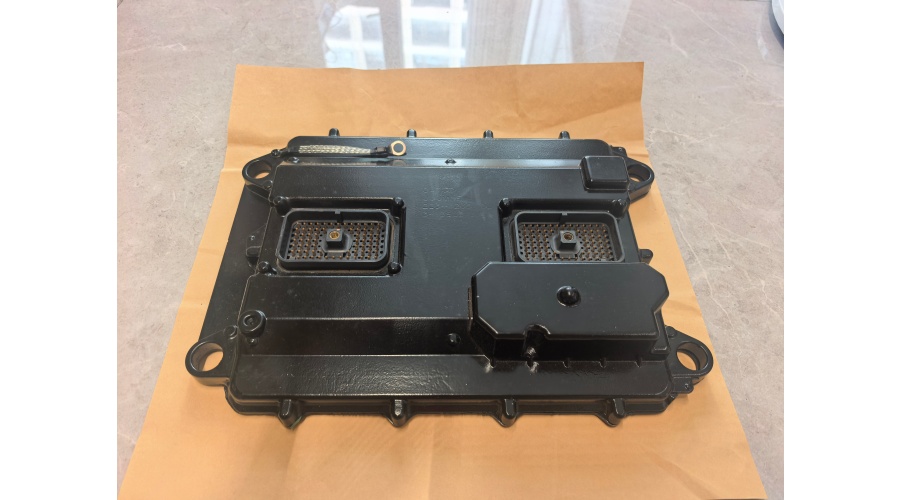
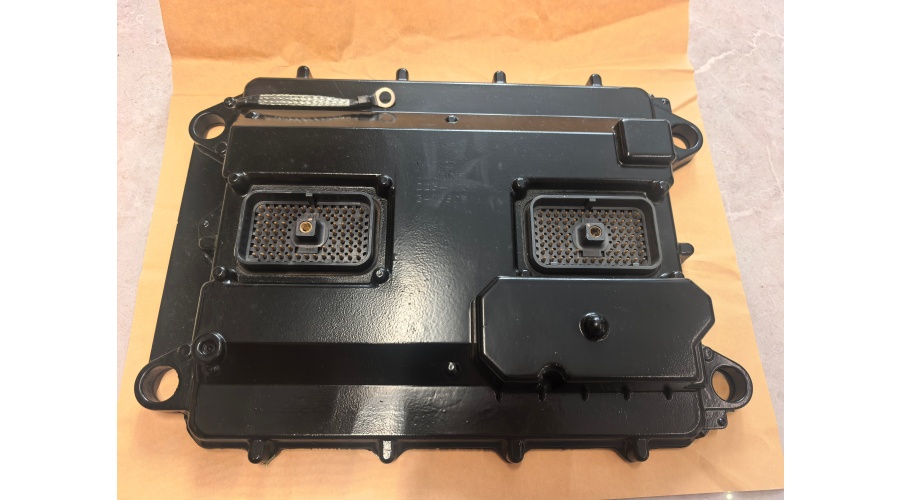
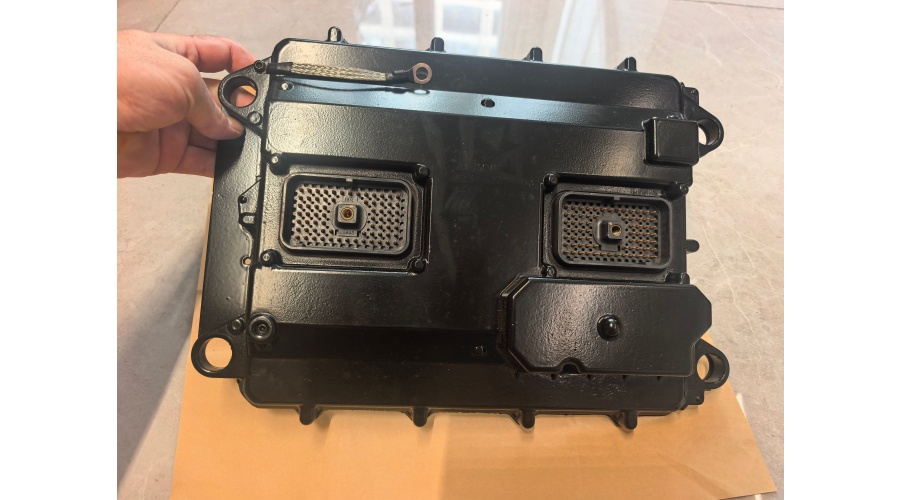
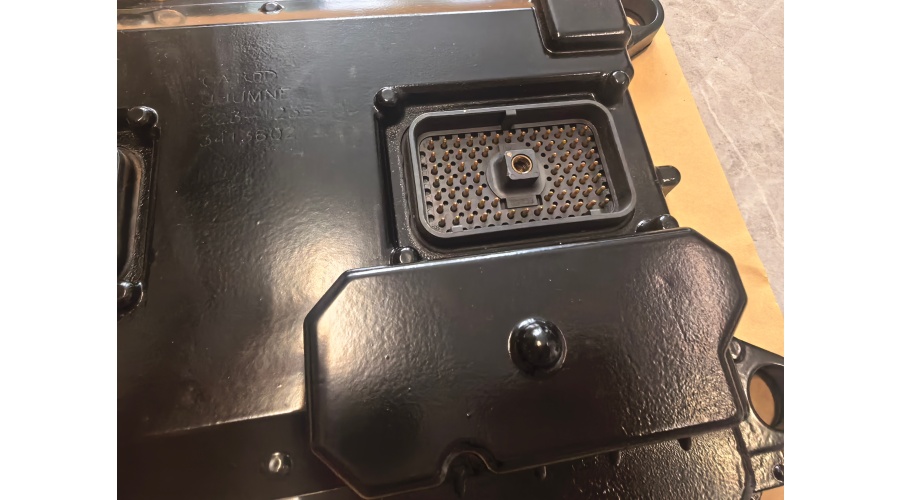
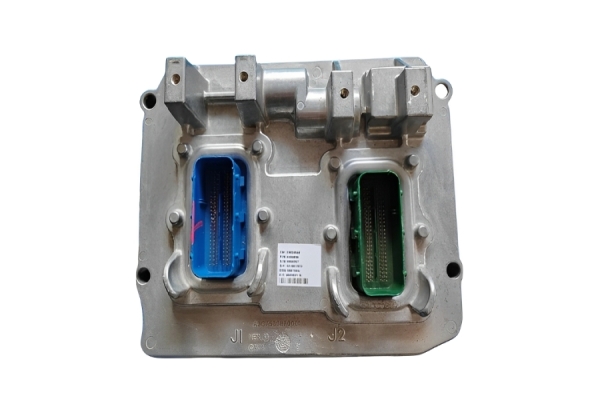
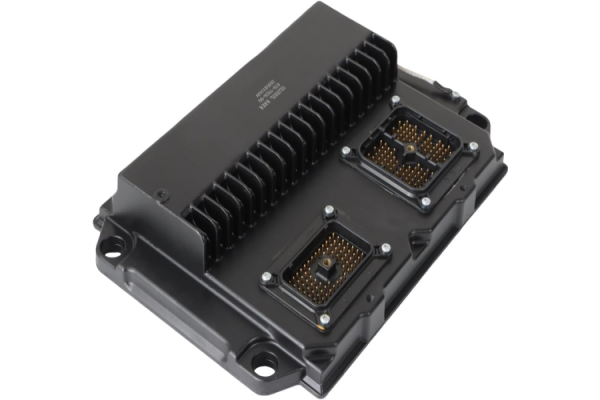
The 223-1235 ECM for Caterpillar C13 engines is a critical control module that manages fuel delivery, injection timing, emissions strategies, diagnostics, and communication between the engine and the machine or vehicle. For owners, mechanics, and parts buyers, understanding how this CAT C13 ECM is built, where it is used, and why it fails can help reduce downtime and avoid unnecessary replacements.
This guide covers the 223-1235 ECM from four practical angles: product structure, engine applications, common faults, and troubleshooting solutions. Always confirm fitment by engine serial number, ECM part number, and software configuration before ordering or installing a replacement.
What Is the 223-1235 ECM?
The 223-1235 ECM is an electronic control module used on specific Caterpillar C13 engine applications. It receives signals from sensors and operator inputs, processes them according to programmed calibration, and controls outputs such as injector drivers and actuator circuits.
Because the ECM is the “brain” of the engine management system, a faulty module or incorrect programming can cause no-start conditions, engine derates, fault codes, poor performance, and communication errors.
Product Structure of the 223-1235 ECM
The 223-1235 ECM for Caterpillar C13 is designed for harsh commercial and industrial environments. While internal designs can vary by production revision, a typical ECM includes the following structure:
1. Rugged Sealed Housing
The module is enclosed in a durable housing designed to protect internal electronics from heat, vibration, dust, moisture, and oil exposure. Mounting points and heat dissipation features help keep the ECM stable under engine-compartment conditions.
2. Printed Circuit Board and Microprocessor
Inside the housing, the printed circuit board contains the microprocessor, memory, signal-conditioning circuits, and control logic. These components process sensor data and execute the engine’s calibration strategy.
3. Power Supply and Output Drivers
The ECM includes power-management circuits and output drivers that control injectors, actuators, and other engine functions. Stable voltage and good grounding are essential for reliable operation.
4. Communication Interfaces
The module communicates with other controllers and diagnostic tools through vehicle/engine data links. This allows fault codes, live data, and programming information to be accessed during service.
5. Connectors and Pins
Multi-pin connectors link the ECM to the engine harness. Corrosion, bent pins, water intrusion, or loose connectors can mimic an internal ECM failure, so connector condition must always be checked.
6. Programmable Software and Configuration
The 223-1235 ECM is not usually a simple “plug-and-play” part. Replacement modules often require correct software flashing, configuration, and calibration using Caterpillar diagnostic tools and procedures. Incorrect programming can cause fault codes or poor engine operation.
Engine Applications: Where the CAT C13 ECM Is Used
The Caterpillar C13 engine is commonly found in heavy-duty and commercial applications. Depending on rating, serial number, and emission configuration, the 223-1235 ECM may be used in applications such as:
Heavy-duty on-highway trucks
Vocational trucks and specialty vehicles
Buses and motorhomes
Construction and industrial power units
Some marine or auxiliary applications, where applicable
Because Caterpillar used different ECM part numbers and software configurations across C13 engine variants, buyers should not rely on engine model alone. Verify the ECM part number 223-1235, engine serial number, and application details before purchase.
Common Faults of the 223-1235 ECM for Caterpillar C13
ECM failures are often caused by external factors rather than the module itself. Common symptoms and causes include:
1. No-Start or Crank-No-Start
A C13 engine may crank but not start if the ECM is not receiving proper power, ground, or communication signals. Faulty ignition circuits, blown fuses, damaged harnesses, or incorrect programming can also be responsible.
2. Engine Derate and Limp Mode
The ECM may command a derate when it detects sensor faults, injector circuit problems, communication errors, or emissions-related issues. Operators may notice reduced power and active warning lamps.
3. Injector Circuit Faults
Rough running, misfire, excessive smoke, or injector codes can result from damaged injector harnesses, poor connectors, or failed driver circuits inside the ECM.
4. Data Link and Communication Errors
Communication faults between the ECM and other modules can prevent starting or cause intermittent operation. Check wiring, termination resistors, connectors, and battery voltage before condemning the ECM.
5. Heat, Vibration, and Corrosion Damage
Long-term exposure to heat, vibration, moisture, and voltage spikes can damage internal electronics. Corroded pins and water intrusion at connectors are common service findings.
6. Incorrect Replacement Programming
A replacement 223-1235 ECM may appear faulty if it has not been programmed with the correct software, configuration, and calibrations for the specific C13 engine.
Troubleshooting and Solutions
Before replacing the 223-1235 ECM, perform a structured diagnostic inspection.
Step 1: Scan for Fault Codes
Use Caterpillar Electronic Technician (Cat ET) or a compatible diagnostic tool to record active and logged codes. Save the fault code list and live data before clearing anything.
Step 2: Check Power, Ground, and Fuses
Verify battery voltage, ECM power supply, ignition circuits, fuses, and grounds. Poor grounds can cause multiple unrelated codes and intermittent no-start conditions.
Step 3: Inspect Harness and Connectors
Check the engine harness for chafing, heat damage, oil intrusion, and loose connectors. Inspect ECM pins for corrosion, bending, or water damage.
Step 4: Test Sensors and Injector Circuits
Follow the OEM diagnostic procedure for sensors, injector harnesses, and actuators. A sensor or harness fault can produce symptoms that look like an ECM failure.
Step 5: Verify Programming and Configuration
If the ECM has been replaced or reprogrammed, confirm that the correct software and configuration are installed. Perform calibration and programming procedures as required.
Step 6: Replace Only When Confirmed
If power, ground, harness, sensors, and programming have been ruled out and internal ECM failure is confirmed, replace the module with the correct 223-1235 ECM and program it properly.
FAQ: 223-1235 ECM for Caterpillar C13
Is the 223-1235 ECM plug-and-play?
No. In most cases, a replacement ECM requires programming, configuration, and calibration. Always follow OEM service procedures.
How do I confirm the 223-1235 ECM fits my C13 engine?
Check the engine serial number, original ECM part number, application, and software configuration. Confirm with a dealer or qualified parts specialist before ordering.
What causes a CAT C13 ECM to fail?
Common causes include heat, vibration, voltage spikes, water intrusion, corrosion, harness damage, and incorrect programming.
Can a bad harness mimic an ECM failure?
Yes. Power, ground, connector, and harness faults can produce the same symptoms as an internal ECM failure. Diagnose the complete circuit before replacing the ECM.