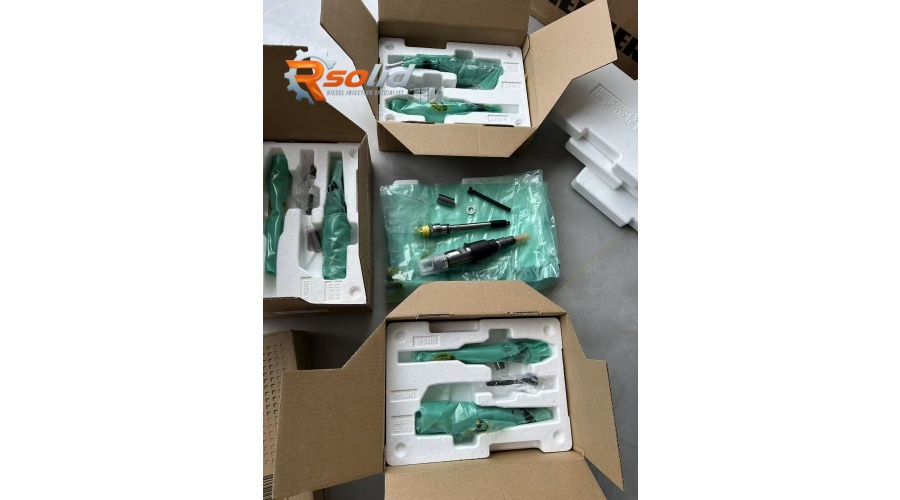
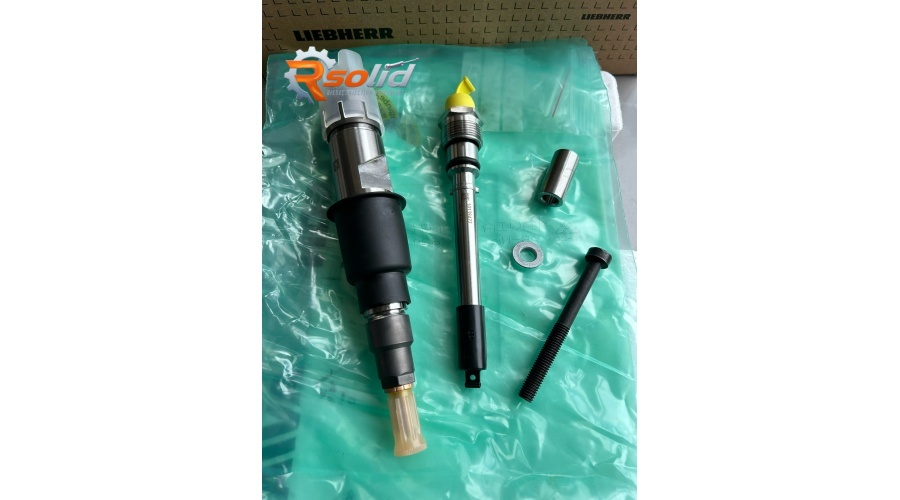
1. Fitment: What Should Be Verified for 13743037?
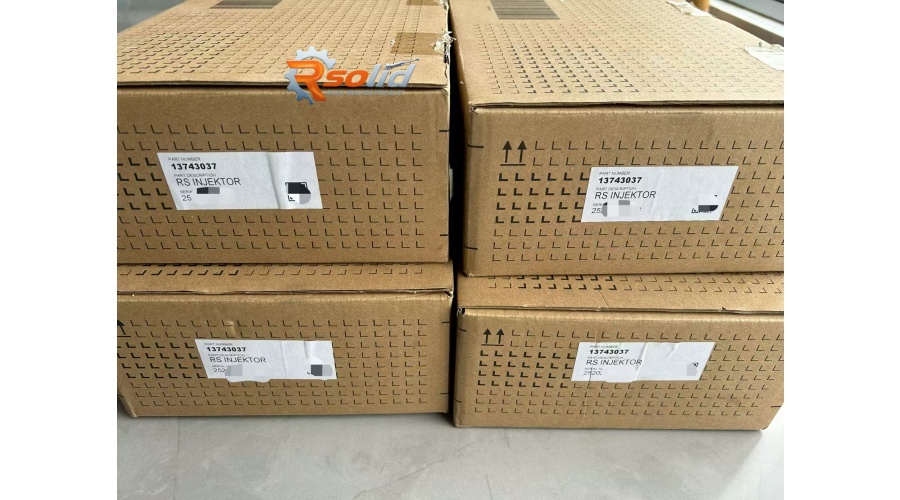
The 13743037 injector should be treated as a fitment-specific part, not a universal Liebherr injector. Confirm:
Liebherr engine model and serial number
Original injector part number on the engine
Whether the engine uses common rail, electronic unit injector, or another fuel system
Injector coding/calibration requirements
Application type: excavator, loader, dozer, mining truck, crane, generator, etc.
Software/ECU configuration
Recommended product-page wording:
“13743037 Diesel Injector – Compatible with Selected Liebherr Diesel Engines. Verify by engine model, serial number, and original injector number before purchase.”
2. Product Structure Analysis
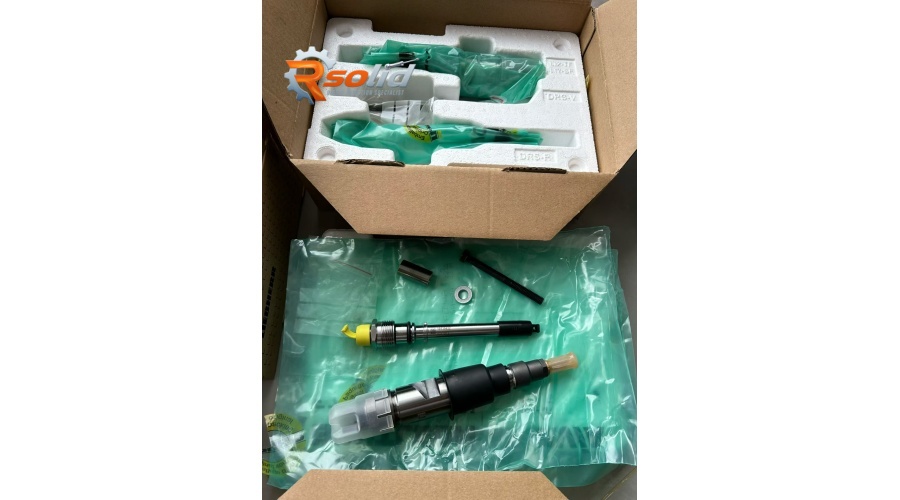
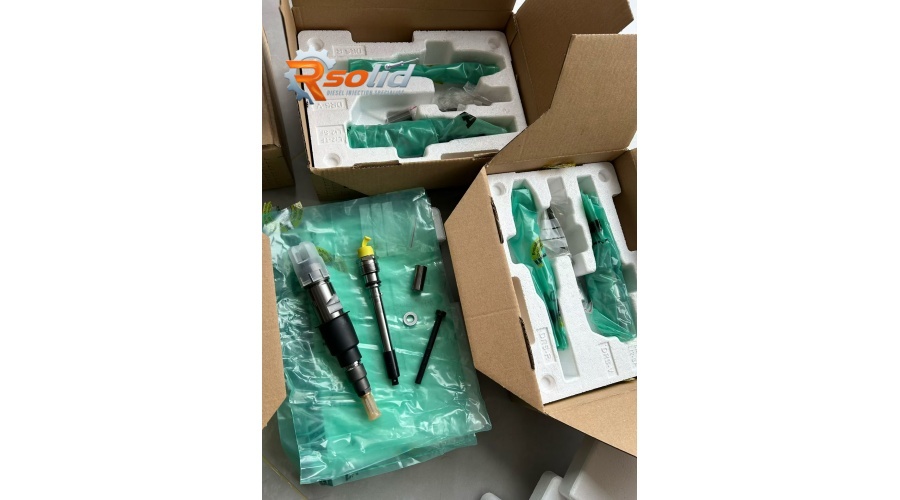
While exact internal details should be confirmed against the actual 13743037 unit and OEM data, a typical diesel injector of this type includes the following structure:
| Component | Function | Inspection Points |
|---|
| Injector housing | Holds internal precision components and mounts to the cylinder head | Cracks, corrosion, thread damage |
| Solenoid or piezo actuator | Controls injection timing and quantity | Resistance faults, coil failure, damaged connector |
| Control valve assembly | Manages fuel pressure and return flow | Wear, sticking, internal leakage |
| Needle and nozzle assembly | Atomizes fuel into the combustion chamber | Carbon buildup, wear, dripping, poor spray pattern |
| Fuel inlet/return ports | Connect high-pressure and return fuel lines | Blockage, leakage, worn seals |
| Electrical connector | Receives ECU control signals | Corroded pins, loose connection, water intrusion |
| Injector coding/calibration data | Allows ECU to compensate for injector tolerance | Must be correctly programmed after replacement |
3. Engine Applications
Liebherr diesel engines are widely used in construction, mining, material handling, and industrial power applications. The 13743037 injector may be relevant to selected applications such as:
Liebherr excavators
Wheel loaders
Bulldozers and crawler tractors
Mining trucks
Crawler cranes
Concrete equipment
Generators and industrial power units
Certain marine or auxiliary power applications
4. Troubleshooting and Repair Solutions
Step 1: Read Fault Codes and Live Data
Use OEM or compatible diagnostic equipment to check injector fault codes, rail pressure, return flow, and injection correction values.
Step 2: Perform a Return Flow Test
Excessive return flow is a common sign of injector wear. Compare results with OEM specifications.
Step 3: Check Fuel Quality and Fuel Circuit
Water, debris, and contaminated fuel can accelerate injector wear. Inspect fuel filters, water separators, and fuel lines.
Step 4: Inspect Harness and Connectors
A faulty injector circuit is not always caused by the injector. Check connector pins, corrosion, loose plugs, and harness damage.
Step 5: Program Injector Codes After Replacement
If the 13743037 injector carries a calibration code, it must be programmed into the ECU. Incorrect coding can cause rough running, smoke, or performance issues.
Step 6: Consider Group Replacement on High-Hour Engines
If multiple injectors are worn, replacing them as a set may reduce repeat labor and downtime.
Step 7: Use Correct Seals and Installation Torque
Cleanliness, correct sealing washers, and proper tightening torque are critical for injector service life.