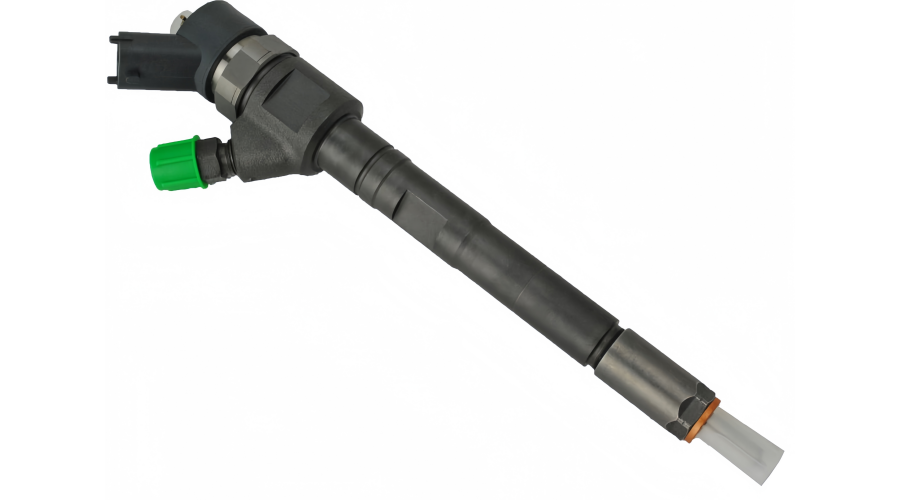
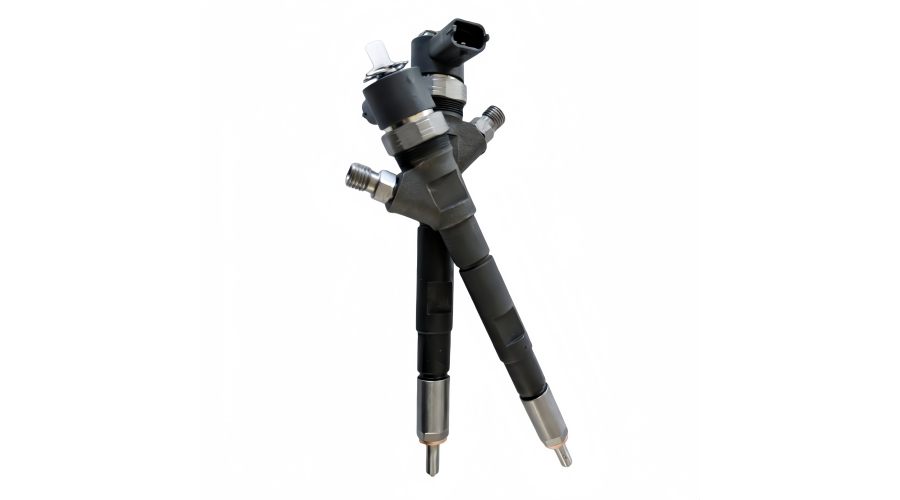
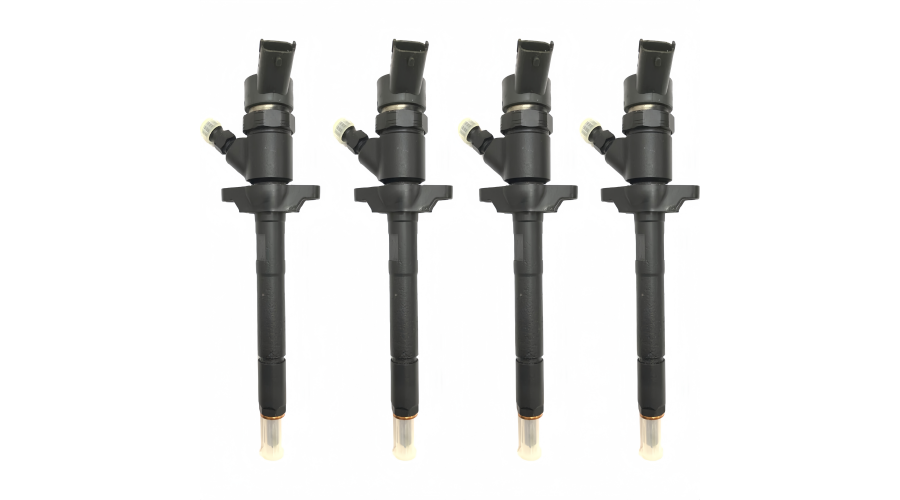
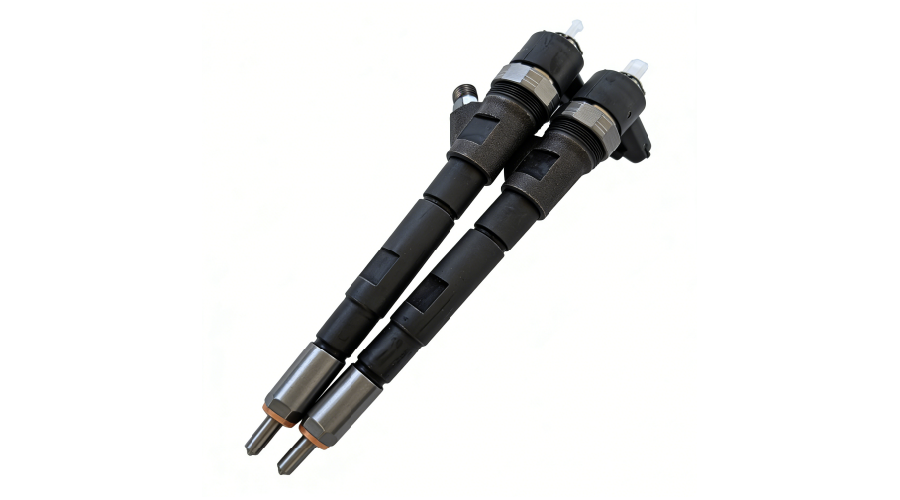
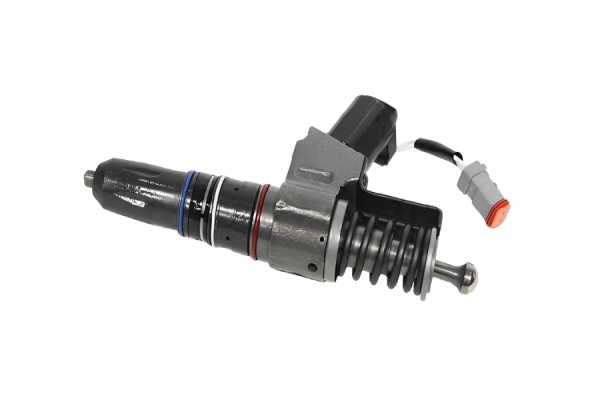
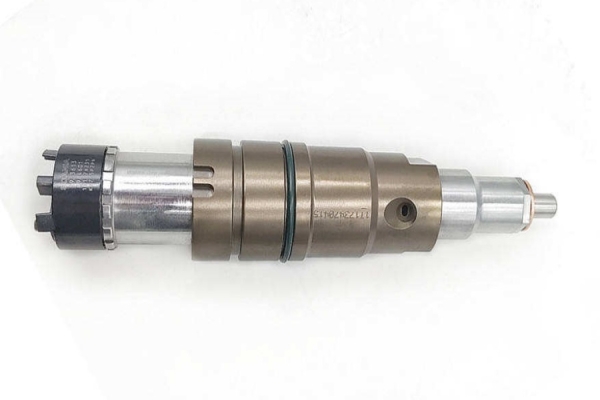
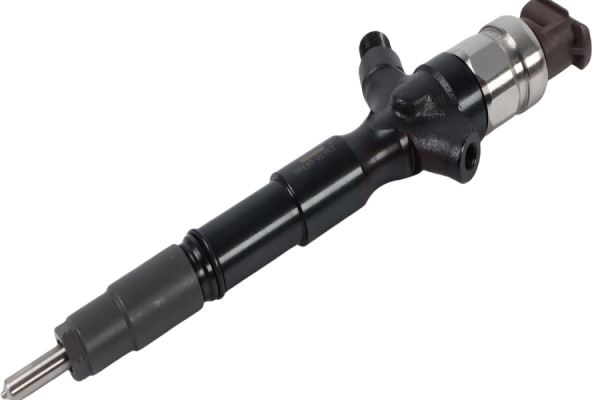
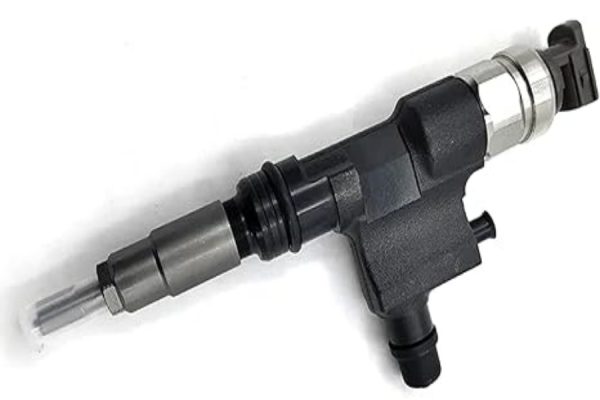
Bosch 0445110259 is new diesel injector for the Volvo C30 1.6D DRIVe produced between 2006 and 2011.
This injector fits the Volvo C30 1.6D (also badged as DRIVe).
These cars are very sensitive to fuel delivery.
If you are replacing these due to a "No Start" or "Crank No Start" condition, also check the fuel pressure sensor on the rail and the TCA (Fuel Pump) in the tank, as these are common failure points on the DRIVe models.
Here is a breakdown of its structural characteristics and the technical advantages they provide:
1. Structural Characteristics
A. Hydraulically Servoed Control Valve (The "Core" Structure)
The Design: Unlike older mechanical injectors, this injector uses a high-speed solenoid valve located at the top of the injector. It controls the pressure above the nozzle needle.
The "Two-Zone" Piston: Inside, there is a precision-machined control piston (plunger) that separates the high-pressure zone (at the bottom) from the low-pressure return zone (at the top). This allows a small solenoid to control massive injection pressures.
B. Micro-Sac Nozzle (The Tip)
The Design: The very tip of the injector contains a laser-drilled, micro-sac nozzle. It features 6 to 7 spray holes (depending on the specific calibration) that are incredibly small and precisely angled.
Material: The nozzle is made from high-strength, wear-resistant steel to withstand the extreme pressures (up to 1,600 bar in this generation).
C. Integrated High-Pressure Seal
The Design: The injector body features a Teflon sealing ring near the tip and a precision-ground pressure shoulder. This ensures that the 1,600+ bar of pressure is contained entirely within the combustion chamber and does not leak back into the cylinder head.
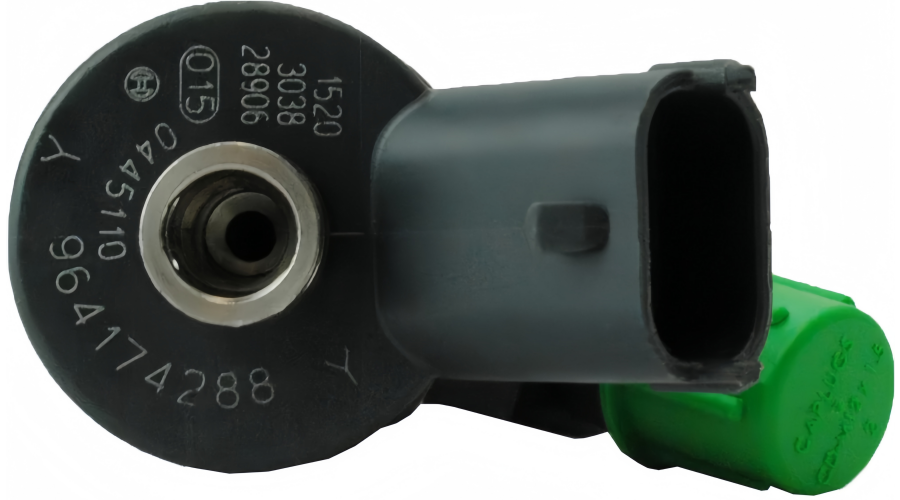
D. Calibration Codes (IQ Code)
Physical Characteristic: While not a "mechanical" part, the laser-etched QR code or alphanumeric code on the side is a structural part of the injector's "identity." It tells the ECU the exact flow characteristics of that specific injector to compensate for manufacturing tolerances.
2. Technical Advantages
A. Multi-Injection Capability (Pilot & Post Injection)
The Advantage: Because the solenoid valve is so fast and precise, the injector can fire multiple times in a single combustion cycle.
Pilot Injection: A tiny amount of fuel is injected before the main burn. This pre-heats the cylinder and reduces the infamous "diesel knock" (noise). For the C30 driver, this means a quieter, more refined engine.
Post Injection: A small amount of fuel is injected after the main burn. This fuel is sent into the exhaust to be burned in the Diesel Particulate Filter (DPF), cleaning it automatically (regeneration).
B. Optimized Spray Pattern
The Advantage: The laser-drilled micro-sac nozzle creates a fine mist (atomization) rather than large droplets.
Better Combustion: Smaller droplets burn more completely.
Power & Economy: This extracts maximum energy from the fuel, directly contributing to the Volvo C30 1.6D's excellent fuel economy.
Cleanliness: More complete combustion means less soot formation, which helps keep the EGR valve and intake manifold cleaner for longer.
C. Leakage-Free Operation
The Advantage: The hydraulically servoed design means that when the injector is closed, it is completely sealed.
D. Stability at High Pressure
The Advantage: The robust construction allows it to handle the 1,600 bar (approx. 23,000 psi) pressure generated by the common rail pump.
E. Serviceability (The IQ Code)
The Advantage: Because each injector has its own unique flow compensation code, technicians can program the ECU to account for the slight variations between injectors. This ensures that even if you replace just one injector (or a set), the engine runs perfectly balanced, preventing vibration and uneven wear.