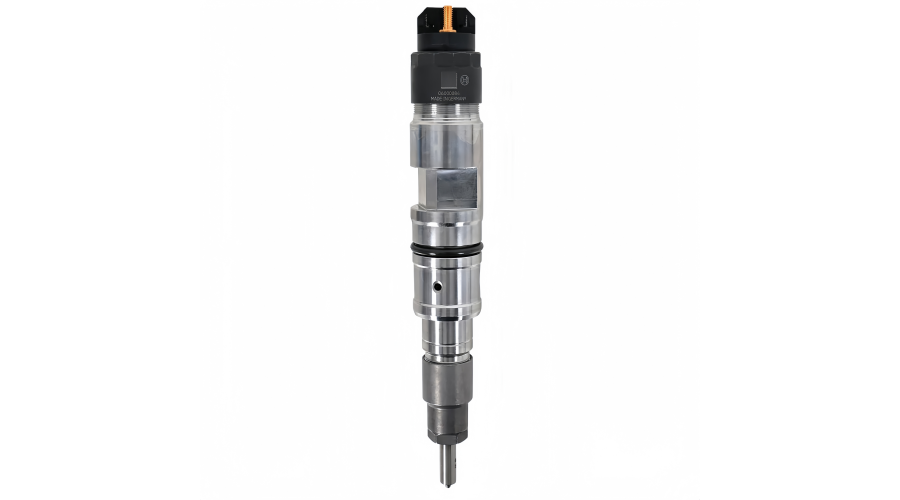
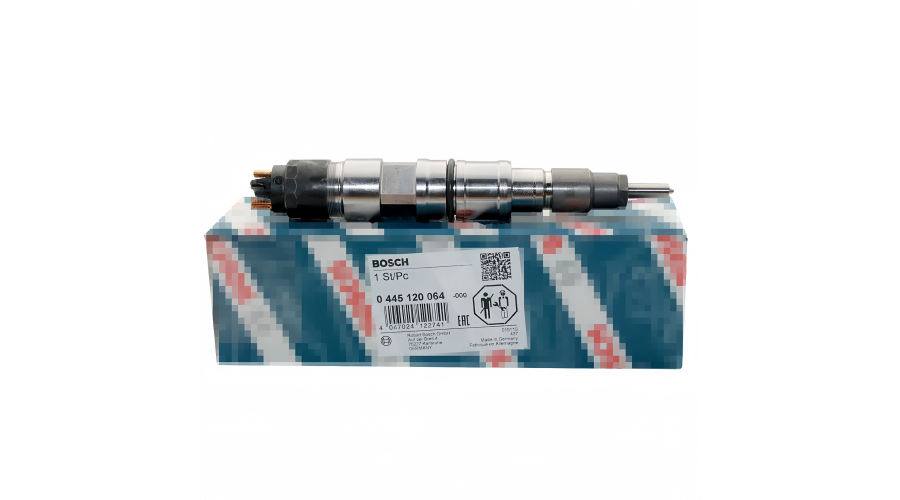
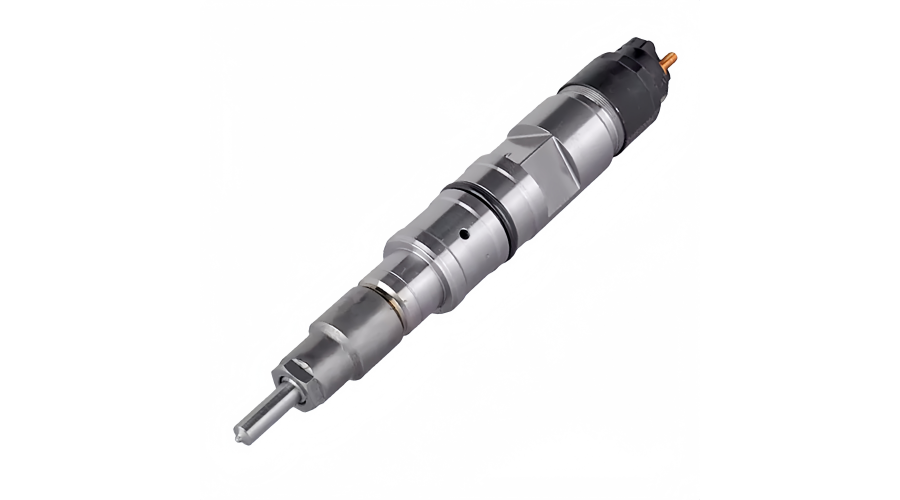
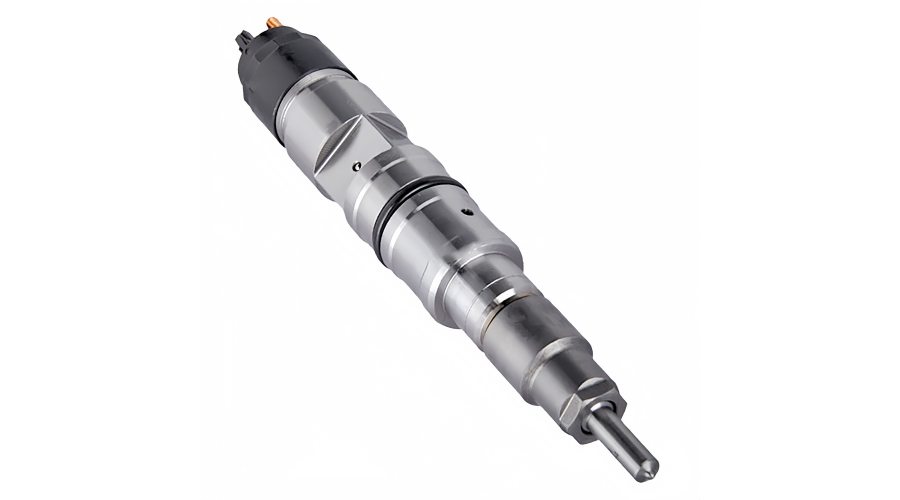
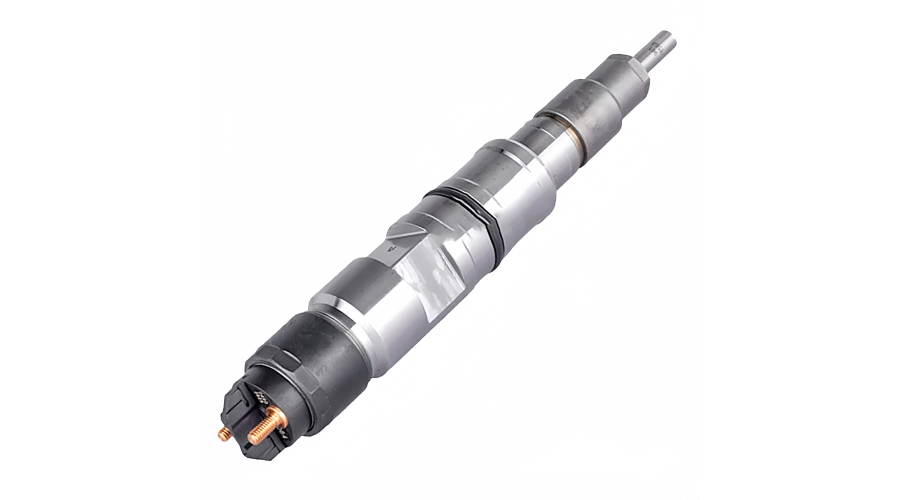
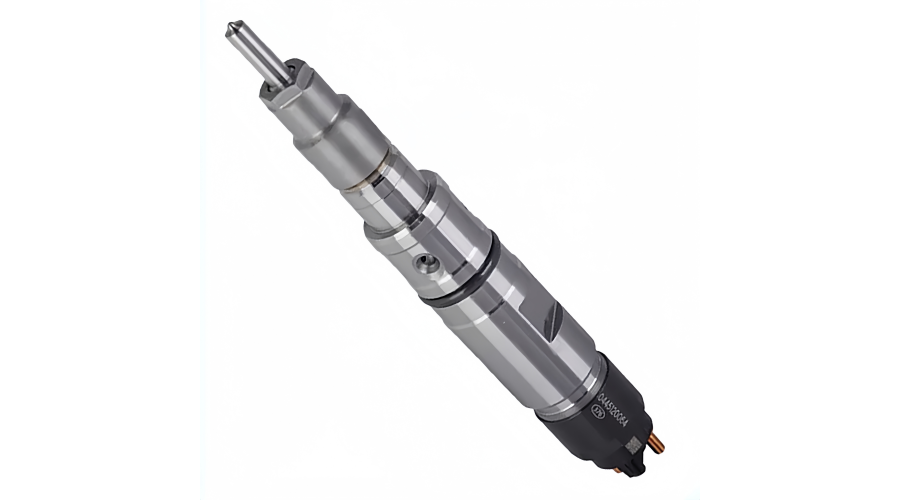
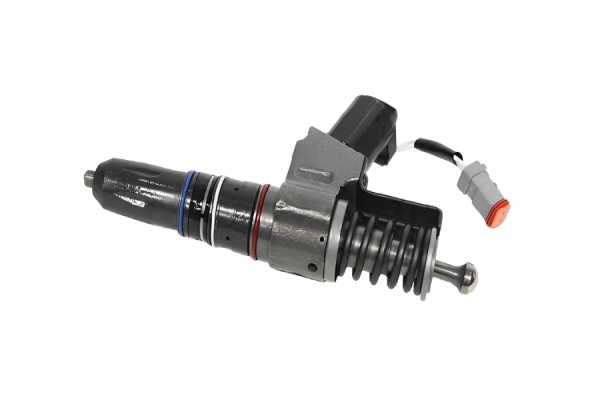
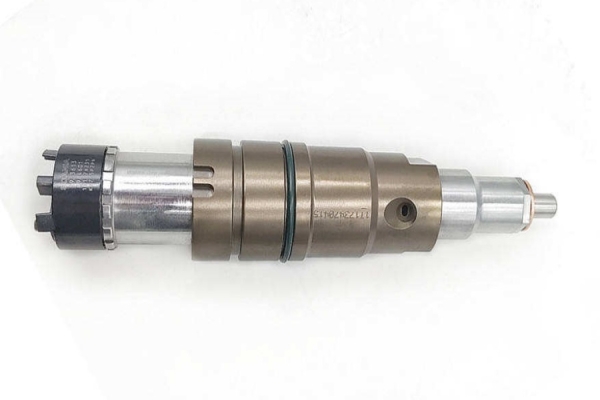
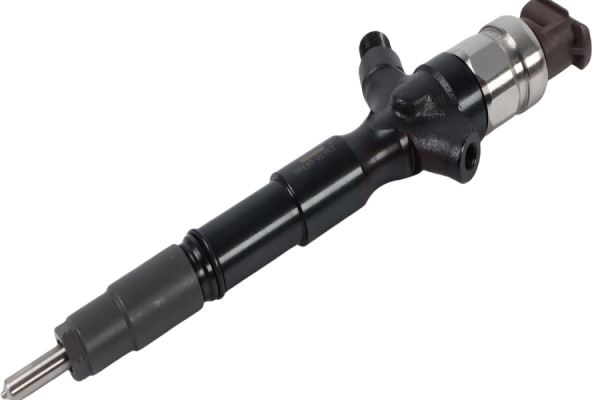
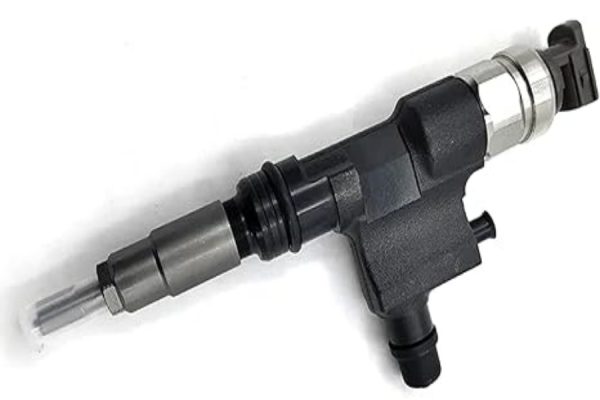
The Bosch Diesel Injector with part number 0 445 120 064 is a common and specific injector used in the Volvo FE series trucks, particularly those equipped with the D7 engine (often referred to as the 7.1L or 7.2L).
Here are the key details regarding this injector:
1. Vehicle Application
Make: Volvo
Model: FE (FE240, FE260, FE280, FE300, etc.)
Engine: D7E240, D7E260, D7E280, D7E290 (The 7.1/7.2 liter engine).
Emission Standard: Euro 3 / Euro 4 / Euro 5 (Depending on the specific year and tuning).
2. Technical Specifications
Injector Type: EUI (Electronic Unit Injector) or sometimes referred to as a Pump-Line-Nozzle injector for these specific Volvo applications (though mechanically it is a unit injector system).
Nozzle Type: It uses a specific hole-type nozzle designed for high-pressure direct injection.
Holes: Typically 7 or 8 holes.
3. Cross Reference / Replacement Numbers
If you are looking for this injector, it may also be listed under:
Volvo OEM Part Numbers: 20460197, 20574773, 20798123 (Always verify by VIN, as Volvo updates their part numbers).
Bosch Service Number: 0 445 120 064 (This is the core Bosch number you provided).
Based on the specific context of the Bosch 0445120064 injector going into a Volvo FE (D7 engine) , here are the critical precautions you must take during installation. Diesel injector installation is a sterile procedure; small mistakes lead to big failures.
1. The "IMA Code" is Mandatory (Critical)
For these Volvo D7 engines (Euro 4/5), the biggest mistake is installing the injector and starting the engine without programming.
Precaution: Before you even put the injector into the engine, have your diagnostic tool (VIDA, Tech Tool, or Texa) ready.
Why: Each new/remanufactured injector comes with a calibration code (IMA code) on the box or a sticker on the injector. The ECU needs this code to know the exact fuel delivery tolerance of that specific injector. If you skip this, the engine will have rough idle, smoke, lack of power, and potentially knock.
2. Absolute Cleanliness (The Golden Rule)
The common rail system (or EUI system) is tolerant to微粒 about the size of a blood cell.
Precaution: Clean the injector pocket (the bore in the cylinder head) before removal. Use a wire brush and compressed air to blow out all debris so nothing falls into the cylinder when you pull the old injector out.
Fuel Lines: Cap all fuel lines and ports immediately with plastic caps or clean rags. Do not let dust enter the fuel rail.
3. The Copper Washer (Sealing & Protrusion)
Precaution: Always use a new copper sealing washer. Never reuse the old one.
Inspection: Before inserting the injector, check the "injector protrusion." Sometimes carbon buildup at the bottom of the bore prevents the new injector from seating correctly. If the injector sits too high, the copper washer won't seal, and combustion gasses will blow by (leading to overheating and injector failure).
4. Lubrication (Assembly Lube)
Precaution: Lightly lubricate the O-rings with clean engine oil or assembly lube.
Warning: Do not use grease or thick lubricants, as they can block oil passages or cause the O-ring to roll out of the groove during insertion. Also, lubricate the threads of the clamping bolt (if applicable) to ensure accurate torque readings.
5. Torque Sequence (The Clamp)
The Bosch 0445120064 is held in by a clamp bolt.
Precaution: Do not just tighten it in one go.
Method: Tighten the clamp bolt to the manufacturer's specified torque (usually in stages, e.g., first to 10 Nm, then to 30 Nm, then a final angle turn). This ensures the injector is pulled down evenly and seated properly on the copper washer.