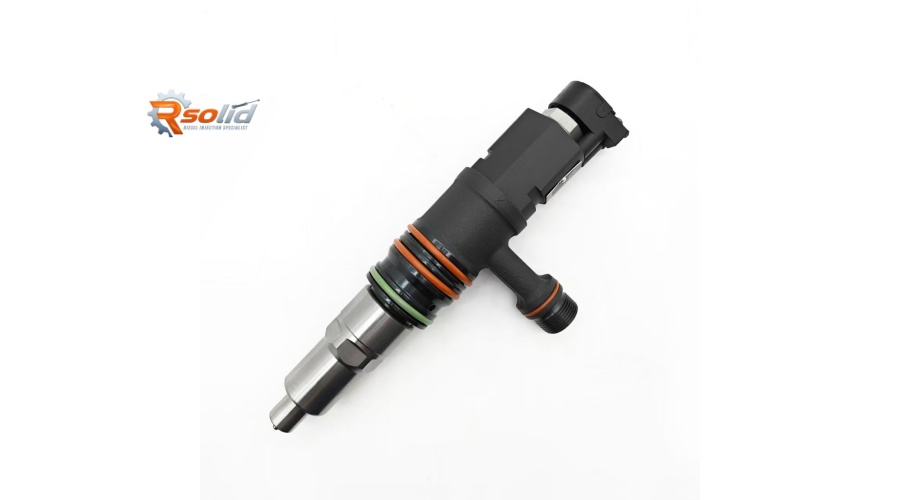
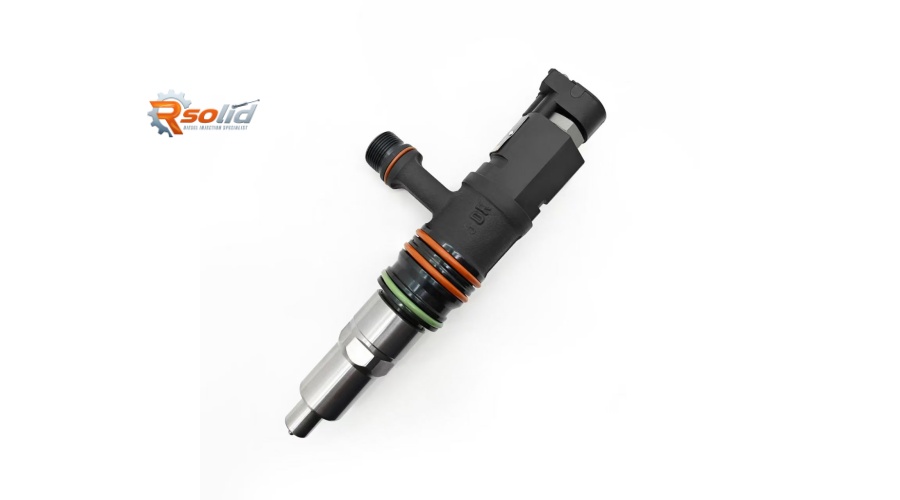
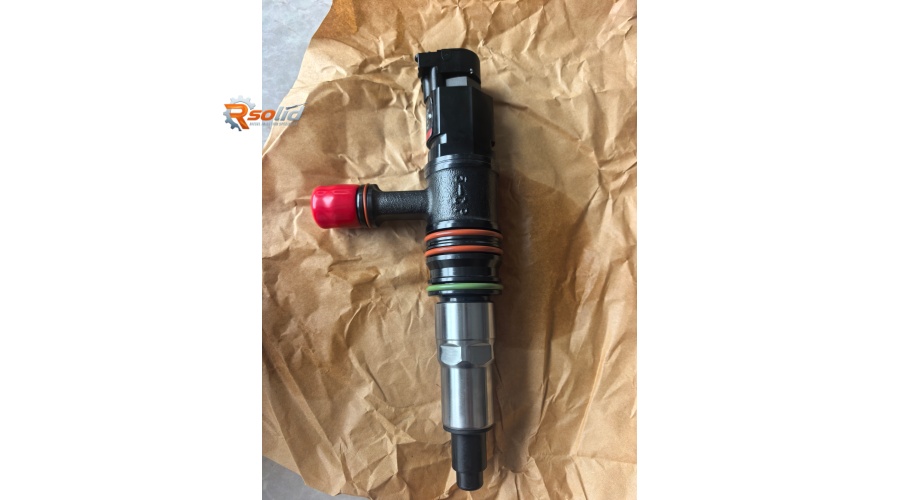
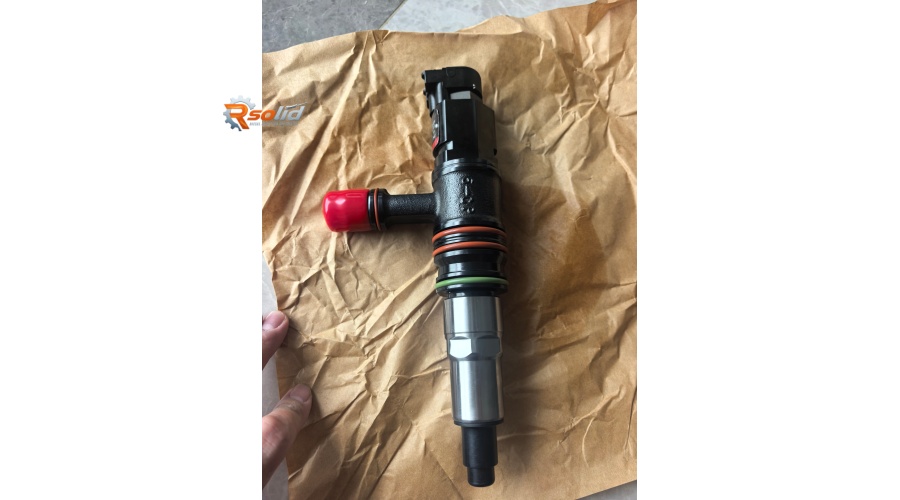
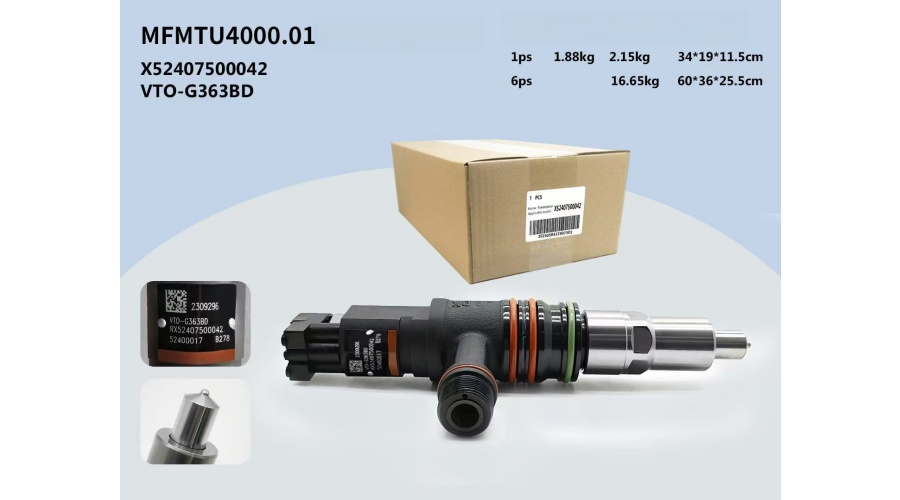
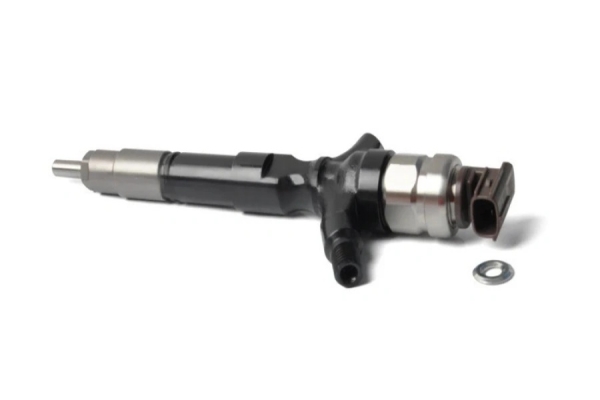
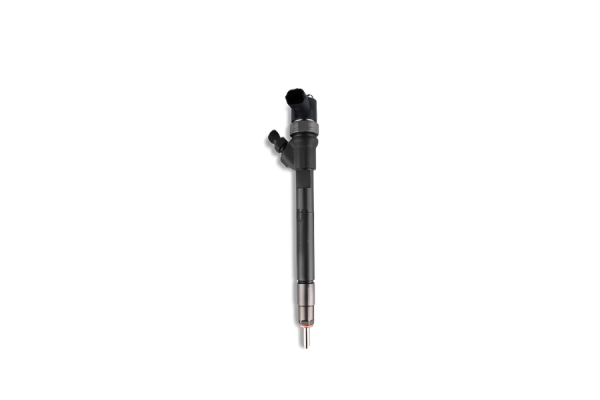
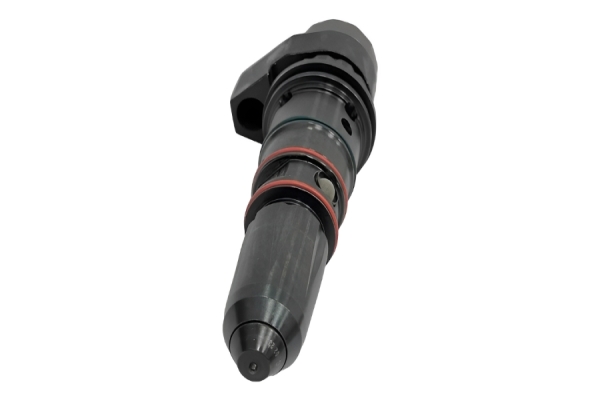
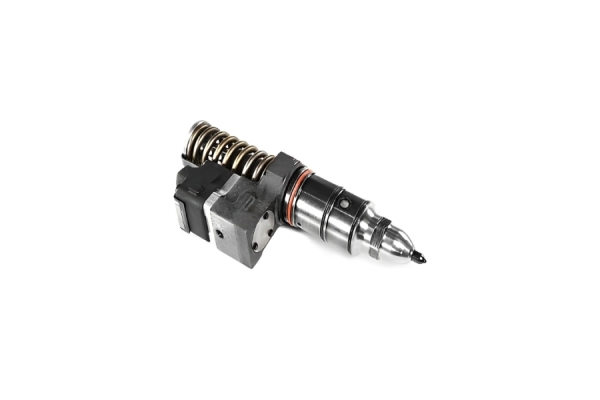
For operators of MTU 4000.01 series engines– whether in mega‑yachts, offshore supply vessels, naval craft, or heavy‑duty industrial power generation – the fuel injector is the single most critical component determining combustion efficiency, power output, and emissions performance. The X52407500050 high‑pressure common rail injector is a premium OEM‑grade replacement engineered specifically for the MTU 4000.01 platform, delivering precise fuel metering, ultra‑fine atomisation, and consistent performance under the most demanding continuous load conditions.
Part of MTU's advanced common‑rail fuel system, the X52407500050 is essential for maintaining the rated power, fuel economy, and emissions compliance of these world‑class engines. Available as a bare injector or as part of a comprehensive repair kit, this injector is designed to meet or exceed original MTU specifications, ensuring a direct drop‑in fit with no modifications required. In this comprehensive guide, we examine its advanced engineering, compatible engine models, common failure signs, professional installation best practices, and why Rsolid Engine Parts is the globally trusted supplier for MTU fuel injection components.
1. Structural Features & Advantages of the X52407500050 Injector
The X52407500050 is a state‑of‑the‑art high‑pressure common‑rail (HPCR) injector, developed specifically for MTU's 4000.01 series. Its design incorporates several advanced features to meet the extreme demands of marine, naval, and industrial applications:
Ultra‑high pressure common‑rail architecture – The X52407500050 is a solenoid‑actuated injector designed for operating pressures up to 2,000 – 2,200 bar (depending on engine calibration). This ultra‑high pressure enables extremely fine atomisation and advanced injection strategies (pilot, main, post, and multiple pilot events), resulting in superior combustion efficiency, lower fuel consumption, and reduced NOx and particulate emissions.
Precision‑engineered multi‑hole nozzle – The injector tip features a carefully designed number of laser‑drilled orifices (typically 8–12 holes, depending on the specific variant) with optimised spray angles to match the MTU 4000.01 combustion bowl geometry. This ensures optimal fuel penetration, complete air‑fuel mixing, and minimal cylinder wall impingement – critical for the high BMEP (Brake Mean Effective Pressure) characteristic of these engines.
Fast‑response solenoid actuator – The high‑speed solenoid provides exceptionally rapid opening and closing times (typically under 0.2 ms), enabling:
Multiple pilot injections – Reducing combustion noise and NOx formation.
Main injection – Delivering the primary fuel charge for maximum power.
Post injections – Aiding in DPF regeneration and reducing particulate emissions.
Hardened high‑grade alloy steel construction – Manufactured from premium, corrosion‑resistant steel with precision‑ground internal components (plunger, barrel, control valve, and needle). This ensures consistent fuel delivery over thousands of hours, even with varying fuel quality and in harsh marine environments.
Integrated fine‑mesh inlet filter – A high‑efficiency filter protects the sensitive nozzle and control valve from fuel‑borne debris, significantly extending service life and reducing the risk of injector sticking or premature wear.
Precision‑ground control valve and seat – The internal control valve and seat are lapped to sub‑micron tolerances, ensuring a positive, leak‑free seal at the end of each injection cycle. This maintains consistent injection timing and prevents fuel leakage into the cylinder, which can dilute engine oil and cause severe engine damage.
Advanced wear‑resistant coatings – Critical internal components feature Diamond‑Like Carbon (DLC) or similar low‑friction coatings to reduce wear, improve durability, and ensure consistent performance over extended service intervals.
OEM‑grade calibration with trim code – Each injector is factory‑calibrated to deliver the exact fuel quantity vs. energising time (IQ‑ET) curve required for MTU 4000.01 engine control units (ECUs). A unique trim code (IQA) is provided with each injector for precise programming into the engine's electronic management system.
Operational benefits for vessel owners and plant engineers:
Fuel savings of 3‑6% compared to worn or low‑quality injectors, thanks to precise metering and optimised spray patterns.
Reduced exhaust emissions – Cleaner combustion helps meet IMO Tier II / Tier III and EPA emissions standards.
Quieter operation – Advanced pilot injection strategies significantly reduce diesel knock and engine noise.
Improved cold starting and low‑speed response – Consistent pilot and main injection ensure reliable ignition and smooth power delivery, even in cold marine environments.
Extended injector service life – High‑quality materials and precision manufacturing deliver up to 10,000 – 15,000 hours of reliable service.
100% direct drop‑in fit – Identical to the original MTU injector in all critical dimensions – no adapters or modifications required.
2. Compatible Engine Models & Typical Applications
The X52407500050 injector is specifically engineered for the MTU 4000.01 series – a family of V‑configuration, 4‑stroke, turbocharged, water‑cooled diesel engines manufactured by Rolls‑Royce Power Systems. These engines are widely used in high‑end marine, naval, and industrial applications where reliability and performance are paramount.
| Engine Model | Configuration | Typical Applications |
|---|
| MTU 12V 4000.01 | V12, 48 litres | Mega‑yachts, large fishing vessels, offshore supply vessels, naval craft |
| MTU 16V 4000.01 | V16, 65 litres | Large cargo ships, ferries, naval vessels, prime power generation |
| MTU 4000.01 (Genset) | V12 / V16 | Prime and standby power generation for data centres, hospitals, offshore platforms |
| MTU 4000.01 (Industrial) | V12 / V16 | Mining equipment, compressor drives, pumping stations, drilling rigs |
Critical cross‑reference: The X52407500050 is the genuine MTU part number for this high‑pressure common‑rail injector. It is often associated with MTU's advanced fuel injection system and may be cross‑referenced with numbers such as X52407500051 (variant) or Bosch equivalent numbers. Always confirm your engine serial number (e.g., 12V4000‑, 16V4000‑) and existing injector part number before ordering. This injector is typically supplied as a bare unit; sealing washers, O‑rings, and hold‑down components are ordered separately or as part of a complete installation kit.
3. Common Failure Modes & Installation/Replacement Recommendations
Typical Warning Signs That Your Injector Needs Replacement
Rough idle and engine misfire – Inconsistent fuel delivery from a worn, sticking, or electronically faulty injector causes uneven firing, especially noticeable at low RPM – a critical issue for vessel manoeuvring.
Excessive black smoke under load – A leaking, sticking, or poorly atomising injector results in incomplete combustion, producing heavy soot and visible smoke.
Increased fuel consumption – A worn or incorrectly calibrated injector may over‑fuel or under‑fuel, both of which negatively impact fuel efficiency.
Hard starting or extended cranking – Loss of residual injection pressure due to internal leakage or a stuck control valve makes cold starts difficult.
Fuel dilution of engine oil – A leaking injector can allow fuel to run down the cylinder walls and contaminate the sump oil, reducing its lubricating properties and risking crankshaft and bearing damage.
High exhaust gas temperature (EGT) and power loss – Incomplete combustion leads to afterburning in the exhaust manifold, elevating EGTs and reducing available torque.
Engine warning lights / fault codes – The ECU may trigger codes related to injector circuit malfunctions, fuel quantity deviations, or cylinder balance faults.
Professional Installation Best Practices
Injector replacement on MTU 4000.01 engines requires exceptional cleanliness and precision. Follow these essential steps:
Clean the injector bore and surrounding area – Before removal, thoroughly clean the area around the injector to prevent debris from falling into the combustion chamber. After removing the old injector, use a specialised bore brush and vacuum to clean the injector sleeve and sealing seat in the cylinder head. The sealing seat must be perfectly clean and free of carbon deposits.
Inspect and replace all sealing components – Always install a new copper sealing washer and new O‑rings with the injector. These are single‑use items; reusing them will result in combustion gas leakage and poor heat transfer. Also replace the hold‑down clamp and bolt if specified by MTU.
Lubricate O‑rings – Lightly coat the new O‑rings with clean diesel fuel or a specialised assembly lubricant. Never use silicone grease or petroleum jelly – these can cause O‑rings to swell, extrude, or degrade.
Install the injector carefully – Carefully insert the injector into the cylinder head bore, ensuring it seats squarely against the copper sealing washer. Do not force it – if it does not seat easily, check for debris, misalignment, or a damaged sealing seat.
Torque the hold‑down bolt – Tighten the retaining bolt to MTU's specified torque (typically 70 – 90 N·m – consult your engine manual for the exact value for 4000.01). Over‑tightening can distort the injector body and cause needle binding; under‑tightening will cause combustion gas leakage and injector movement.
Reconnect electrical connectors – Ensure all electrical connections are clean, dry, and securely fastened. Check the wiring harness for chafing or damage. Apply dielectric grease to the connector pins if recommended.
Reconnect high‑pressure fuel lines – Replace any high‑pressure line seals or washers (if required). Torque the line fittings to MTU's specified value (typically 40 – 50 N·m). Over‑tightening can damage the line or fitting.
Prime the fuel system – After installation, prime the fuel system to remove any trapped air. Use the hand primer pump or electric lift pump to circulate fuel until no air bubbles are visible in the return line.
Program the injector trim code – Using MTU diagnostic software (such as MTU ECO or similar), enter the new injector's unique trim code into the ECU. This code ensures accurate fuel delivery calibration for that specific injector.
Perform a leak test and cylinder cut‑out test – Start the engine and check for fuel leaks around the injector and high‑pressure lines. Perform a cylinder cut‑out test to verify even fuel delivery across all cylinders – fuel rate deviations should be within ±3% of each other.
Break‑in and validation – Run the engine through a warm‑up cycle and gradually apply load. Monitor fuel consumption and exhaust smoke levels to confirm correct operation.
4. Why Rsolid Engine Parts Is Your Preferred Global Supplier
Rsolid Engine Parts has been a premier supplier of MTU, Cummins, Caterpillar, and other heavy‑duty diesel components for over 15 years, serving the marine, naval, power generation, and industrial sectors across six continents. Here is why the X52407500050 injector from Rsolid is the intelligent choice:
OEM‑equivalent manufacturing – Produced in ISO 9001:2015 and IATF 16949 certified facilities, using identical high‑grade alloy steel, solenoid designs, and calibration processes as genuine MTU injectors. Every batch is tested for flow, spray pattern, internal leakage, and electrical response.
100% leak and performance tested – Each injector undergoes stringent bench testing for internal leakage, opening pressure, and fuel delivery at multiple energising times. Calibration test reports are available upon request.
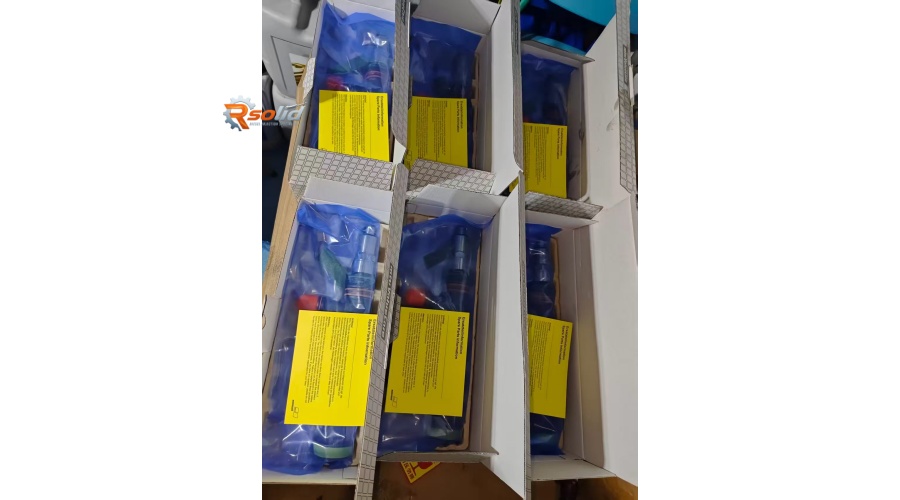
Complete installation kits – We offer the injector together with the required copper sealing washers, O‑rings, and hold‑down hardware in a convenient kit, simplifying your ordering process and ensuring you have everything needed for a reliable installation.
Global inventory and rapid dispatch – Strategically warehoused in Asia, Europe, and North America, ensuring 3‑7 working day delivery to most international ports and airports.
Competitive wholesale pricing – Attractive volume discounts for workshops, fleet operators, and parts distributors. Enquire about our bulk order programme for large marine fleets.
Free expert technical support – Our in‑house diesel engineers provide installation torque guides, MTU diagnostic software assistance, and troubleshooting advice via WhatsApp or email.
Solid warranty – 12 months / 2,000 operating hours against manufacturing defects, premature wear, and material failures – with a straightforward return and replacement policy.
Contact Rsolid Engine Parts Today
📧 Email: amy@rinjector.com
📱 WhatsApp: +86 15975376778
Whether you need a single X52407500050 injector for a running repair or a full set for a complete MTU 4000.01 overhaul (12 or 16 cylinders), Amy and her team will provide a detailed quotation, stock confirmation, and shipping schedule within 2 hours. We also supply complementary parts – injector harnesses, fuel filters, seal kits, and complete fuel system components – for comprehensive engine rebuilds.
Choose the X52407500050 high‑pressure common‑rail injector from Rsolid – engineered to deliver precise fuel metering, ultra‑low emissions, and reliable power for your MTU 4000.01 marine and industrial diesel engine.