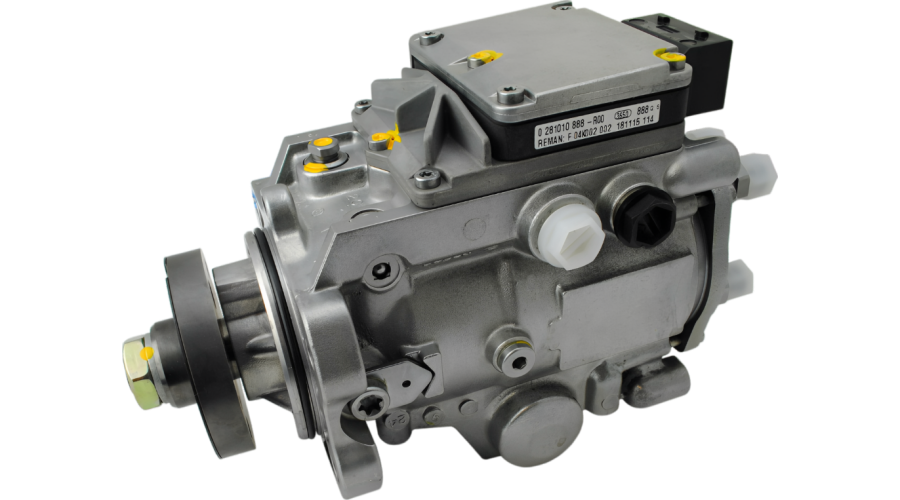
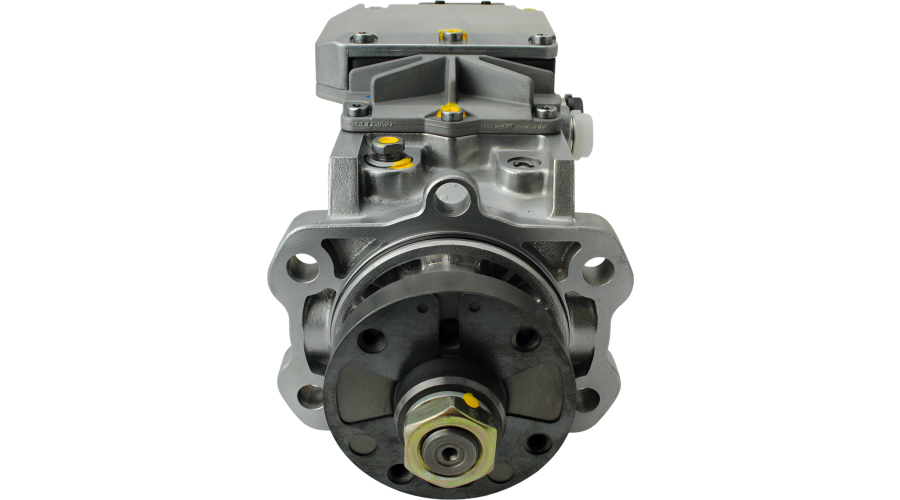
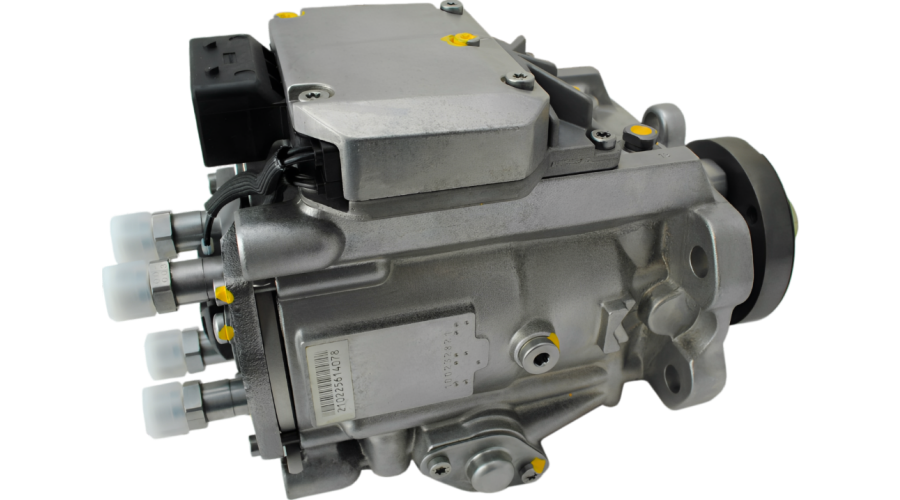
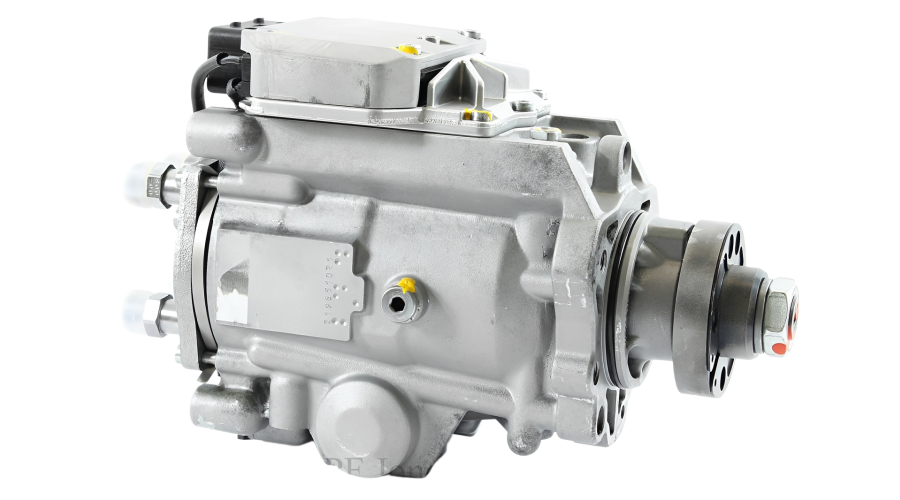
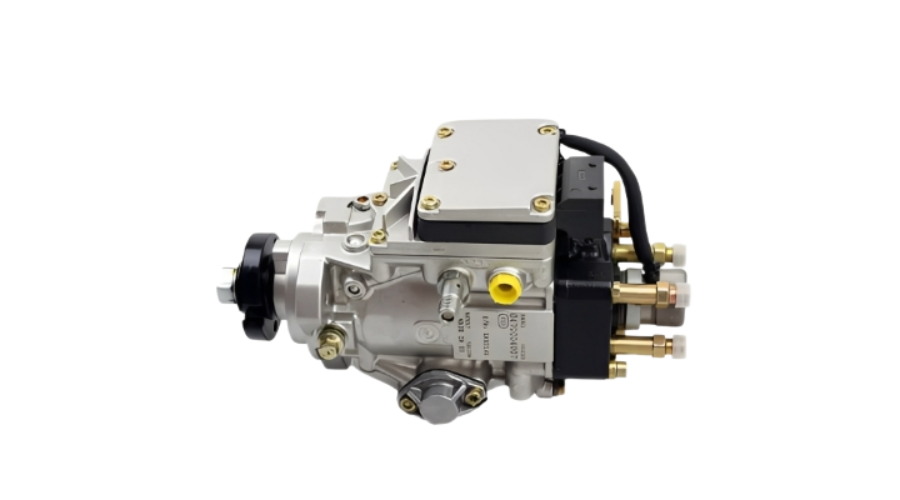
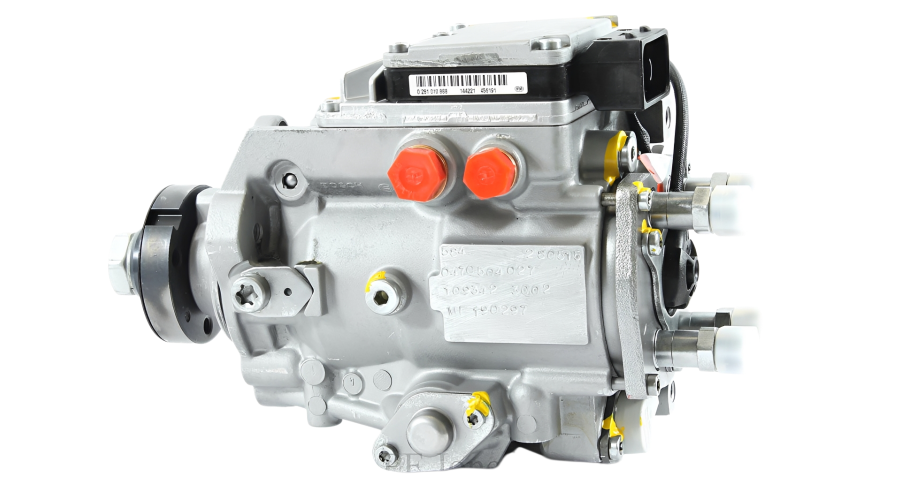
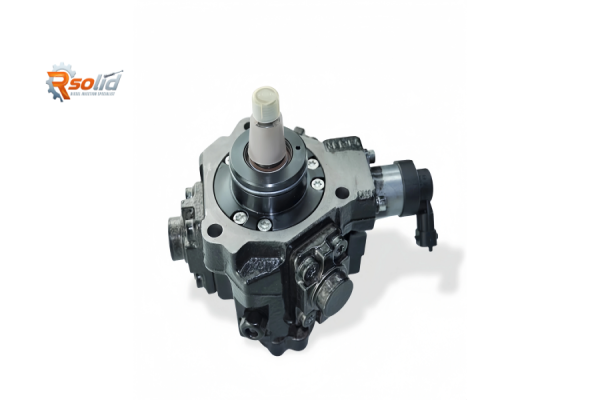
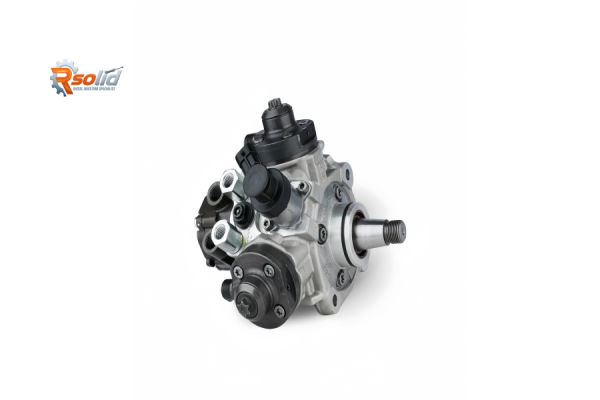
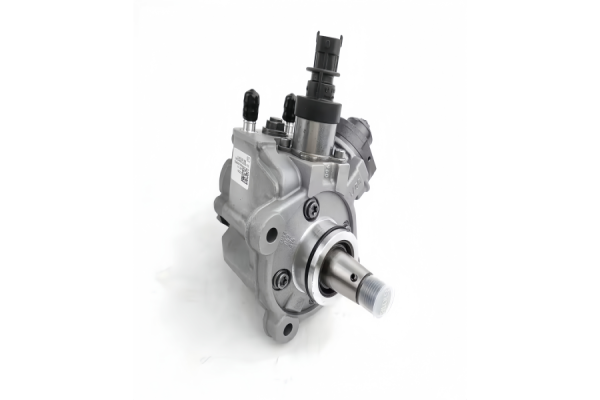
The Bosch VE pump is a single-plunger distributor pump. Unlike inline pumps that have a separate pumping element for each cylinder, the VE pump uses a single pumping element to serve all cylinders.
Here is the breakdown of its structure and why it is advantageous:
1. Key Structural Characteristics
A. The Drive Shaft and Vane Pump
Structure: The pump is driven by the engine. Inside, the driveshaft rotates a vane-type transfer pump (also called a feed pump).
Function: This vane pump draws fuel from the tank and pressurizes it inside the pump housing (typically 3-7 bar). This "internal pressure" is a key feature of the VE design.
B. The Hydraulic Head and Distributor Rotor
Structure: This is the heart of the pump. It consists of a stationary hydraulic head and a rotating distributor rotor.
Function: As the rotor spins, it aligns with ports in the hydraulic head. It performs two actions:
Filling: It aligns with the inlet port to allow fuel into the high-pressure chamber.
Distributing: It aligns with the outlet port corresponding to the correct cylinder (1-3-4-2) to send the high-pressure fuel out.
C. The Single Plunger and Cam Plate
Structure: Inside the rotor, there is a single plunger pair (two plungers facing each other). Behind them is a stationary cam plate with lobes (one for each cylinder).
Function: As the rotor spins, rollers on the plate ride over the cam lobes. This forces the plungers together, generating the high pressure (up to 700-900 bar) needed for injection.
D. Solenoid Valve (Stop Valve)
Structure: An electrical solenoid mounted on top of the pump head.
Function: When you turn the ignition on, it opens to allow fuel into the high-pressure circuit. When you turn the ignition off, it cuts the fuel supply, shutting down the engine. (This replaced the old mechanical cable stop on older pumps).
E. Mechanical Governor and Advance Device
2. Advantages of this Design (Why Mitsubishi chose it)
A. Compact and Lightweight
Advantage: Because it uses one pumping element instead of four, the VE pump is significantly smaller and lighter than the inline pumps it replaced (like the Bosch A or P-type). This allows manufacturers like Mitsubishi to design smaller, more compact engine bays for their Canter trucks.
B. Built-in Self-Lubrication
C. Integrated Timing Advance
D. Reliability and Tolerance
Advantage: The VE pump is renowned for being robust. For a Mitsubishi Canter used in commercial applications (where maintenance isn't always perfect), this pump tolerates minor fuel contamination better than modern high-pressure common rail systems. It also doesn't require a complex electronic control unit (ECU) to manage timing, making it easier for mechanics in remote areas to diagnose and repair.
E. Simplicity of Calibration
Advantage: While it looks complex, the fact that all cylinders are fed by a single plunger means that the fuel delivery is inherently equal to all cylinders. In an inline pump, if one cylinder element wears out, that cylinder runs rough. In a VE pump, if the plunger wears, all cylinders are affected equally, making diagnosis easier.
Diesel pump supplier:
Rsolid is a professional diesel injector manufacturer that relies on the precision manufacturing capabilities of its own factories to provide high-quality solutions for the global commercial vehicle, construction machinery, marine, and agricultural diesel engine markets. Rsolid's business model typically includes maintaining a diverse and comprehensive OEM and high-end aftermarket parts inventory, and providing cross compatibility options to meet the needs of various applications and global customers, from individual workshops to large fleet operators. If you are looking for diesel injectors or OEM engine injectors, please feel free to contact us at any time.