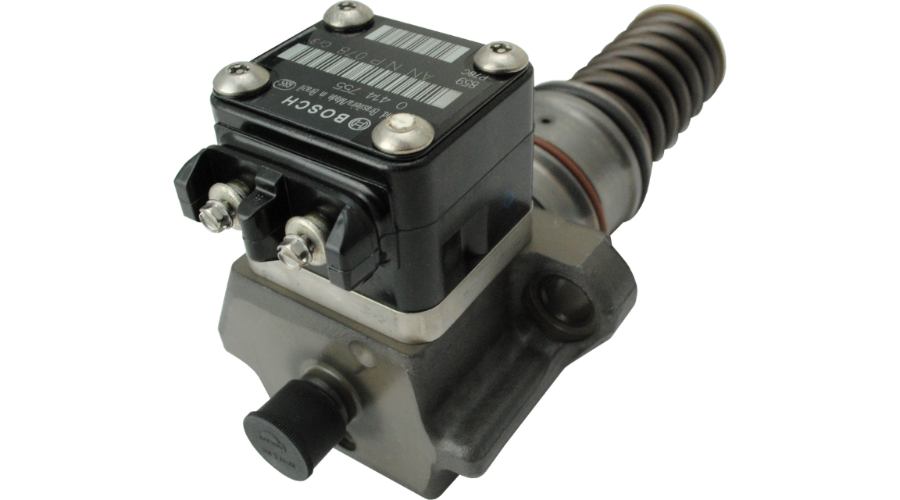
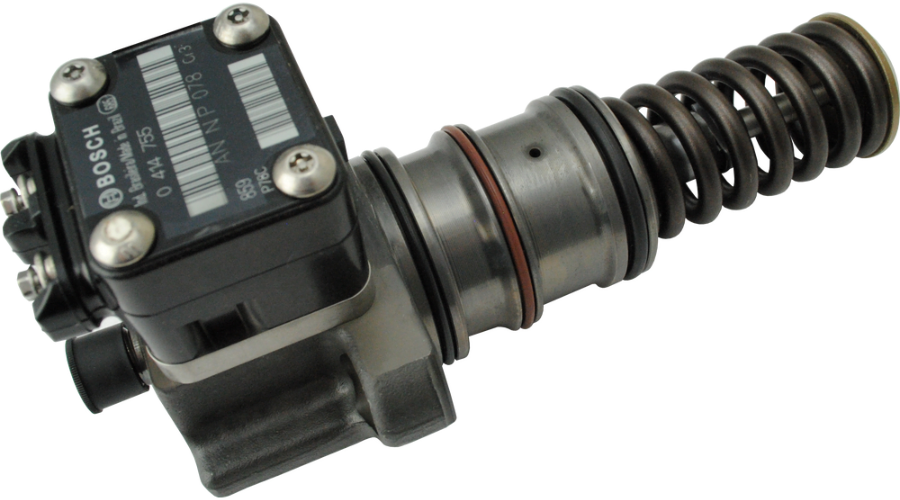
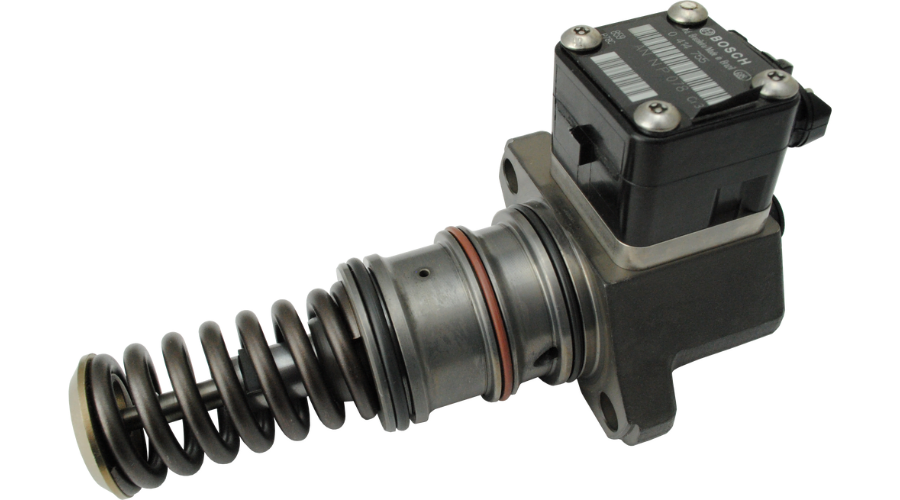
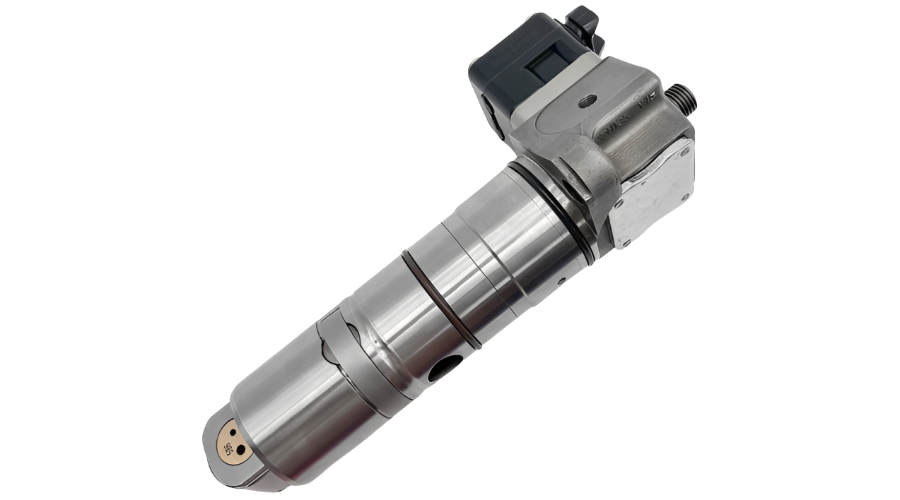
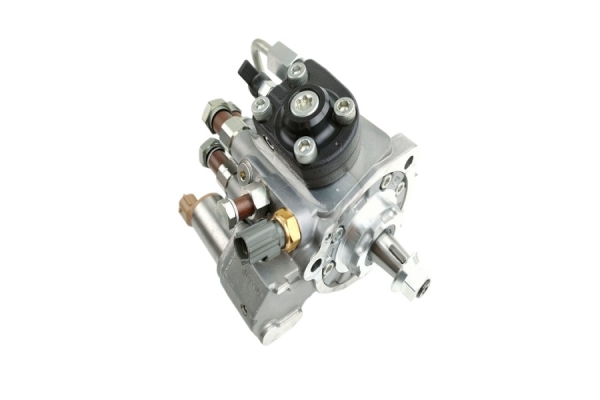
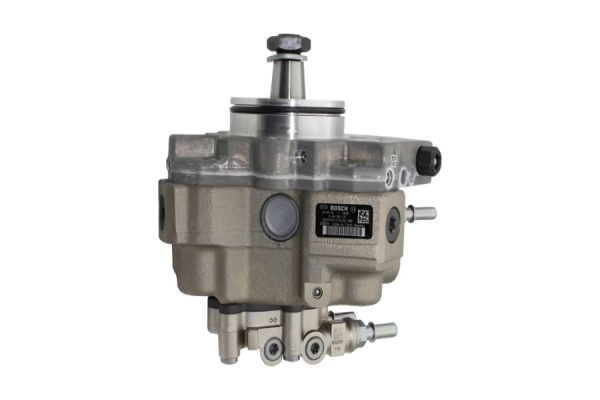
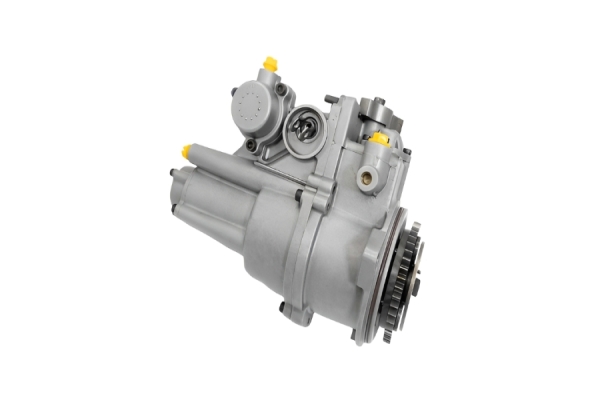
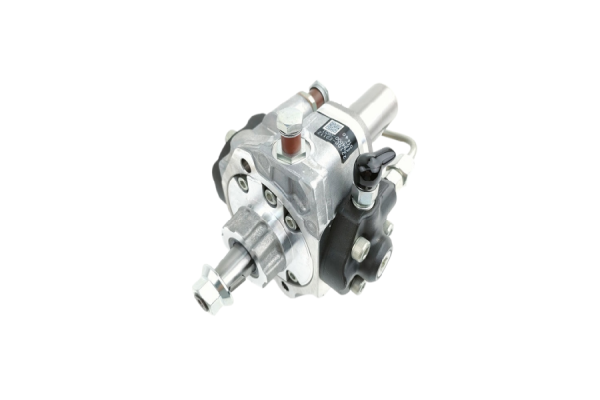
Brand: Bosch
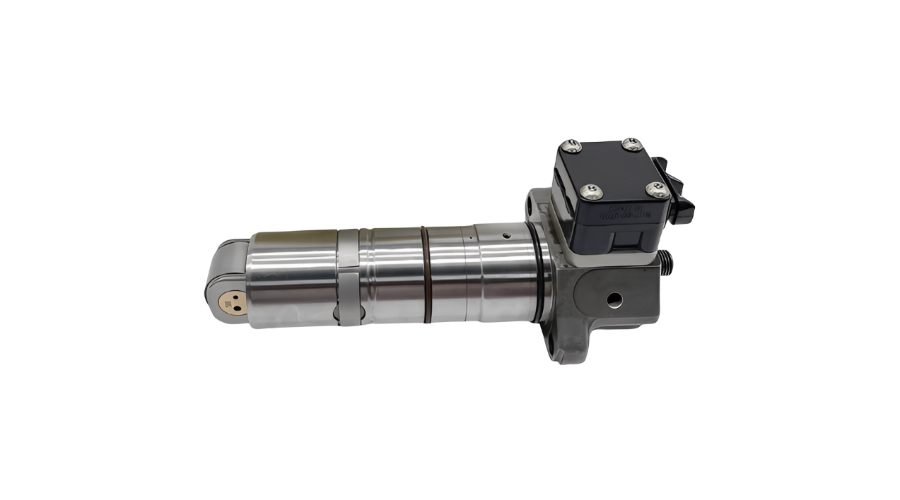
Part Number: 0 986 445 013 (0986445013)
Type: Exchange Diesel Fuel Injection Pump (Core return required)
Vehicle Application: DAF CF Series
Engine Applications:
DAF 9.2 liter engine
DAF 12.6 liter engine
System Type: This is typically part of the Common Rail or UDES (Unit Pump) system injection hardware, depending on the specific engine variant within the CF series.
1. Structural Features (The Hardware)
A. Radial Piston Design
Feature: Unlike older inline pumps that used a single camshaft to push plungers vertically, this Bosch pump typically uses a radial piston arrangement.
Structure: It consists of a drive shaft with an eccentric cam ring. As the shaft rotates, it pushes multiple pistons (usually 2 or 3) radially inward and outward in a star-shaped pattern.
Benefit: This creates a very compact, rigid structure that fits neatly on the engine block without taking up excessive space.
B. High-Pressure Sealing
Feature: The pump head is designed with "hydraulic head" technology where the delivery valves and high-pressure passages are integrated into a single steel block.
Structure: It uses hardened steel components and precision-ground sealing surfaces to withstand internal pressures.
C. Integrated Gear Pump (Feed Pump)
Feature: Many versions of this pump include a mechanical gear-type transfer pump mounted on the back or inside the main housing.
Structure: This low-pressure stage pulls fuel from the tank, passes it through the filter, and feeds it to the high-pressure section.
D. Electronic Actuator (for modern variants)
Feature: On newer CF models (Euro 4/5/6), the pump features a digital proportional valve or actuator mounted on the side.
Structure: This replaces old mechanical governor linkages with an electromagnetic coil that precisely controls fuel metering.
2. Technical Advantages (Why It Matters for the DAF CF)
A. Extreme Pressure Generation (Common Rail Suitability)
Advantage: The radial piston design allows this pump to generate immense pressure—typically up to 1,600 to 2,200 bar (depending on the specific CP variant).
Why it matters: For the 9.2L and 12.6L DAF engines, this high pressure is essential for forcing fuel through the tiny holes in the injectors. This atomizes the fuel into a fine mist, allowing for a more complete burn and thus more power from less fuel.
B. Modular Lubrication
Advantage: The pump is designed to be lubricated by the diesel fuel itself (fuel-lubricated).
Why it matters: This simplifies the engine design (no oil lines running to the pump) and reduces the risk of engine oil diluting the fuel or vice versa, which is critical for the longevity of DAF heavy-duty engines.
C. Efficiency and Heat Management
Advantage: The short, stiff internal passages and the radial piston design minimize internal fuel leakage (slippage) inside the pump.
Why it matters: Less leakage means less fuel is heated up unnecessarily. It keeps the fuel cooler before it enters the rail, which improves volumetric efficiency and prevents the ECU from derating the engine due to high fuel temperatures.
D. Smooth Power Delivery
Advantage: Because the pump fires multiple pistons per revolution (overlapping pressure strokes), the fuel rail pressure remains exceptionally stable.
Why it matters: For a heavy truck like the DAF CF hauling a load, this means the engine response is smooth. There are no pressure dips when the driver stomps on the accelerator, ensuring instant torque delivery without smoke.
E. Serviceability (Exchange Design)
Advantage: The pump is built as a sealed, calibrated unit.
Why it matters: While it is not a "user-serviceable" item in the field (requiring specialized shims and testing rigs), the exchange (core) structure allows a mechanic to swap the unit in a few hours, sending the old one back to Bosch to be remanufactured to factory tolerances. This minimizes truck downtime.
Summary for the DAF CF
For your specific DAF CF 9.2/12.6, the Bosch 0986445013 provides the structural rigidity to handle high torque loads directly from the engine timing gears, and the technical advantage of precise, high-pressure fuel delivery required to meet modern emission standards while maximizing fuel economy for long-haul operations.