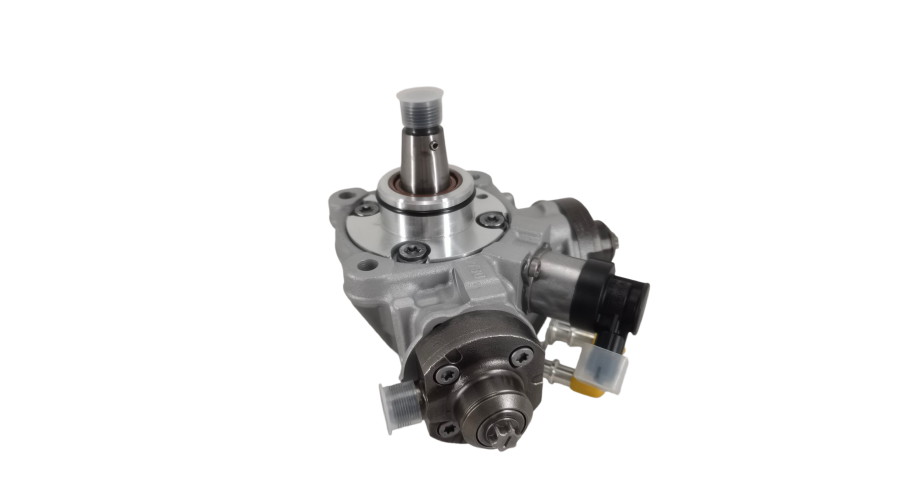
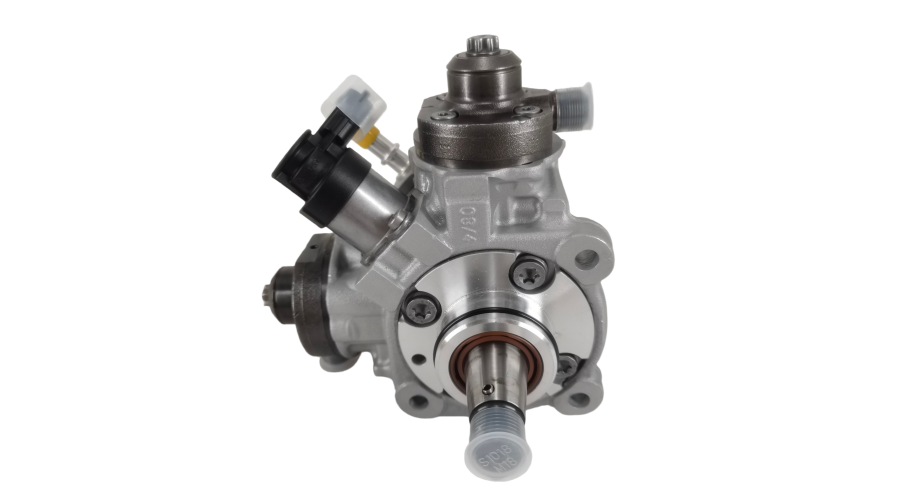
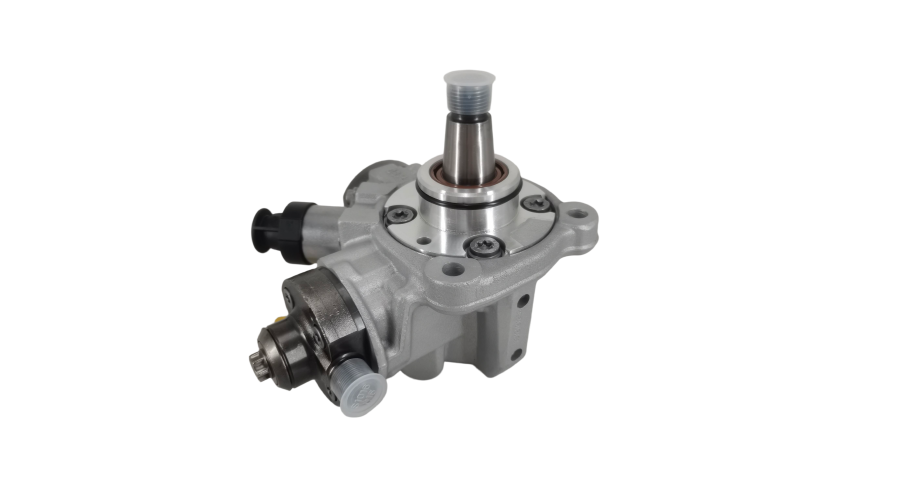
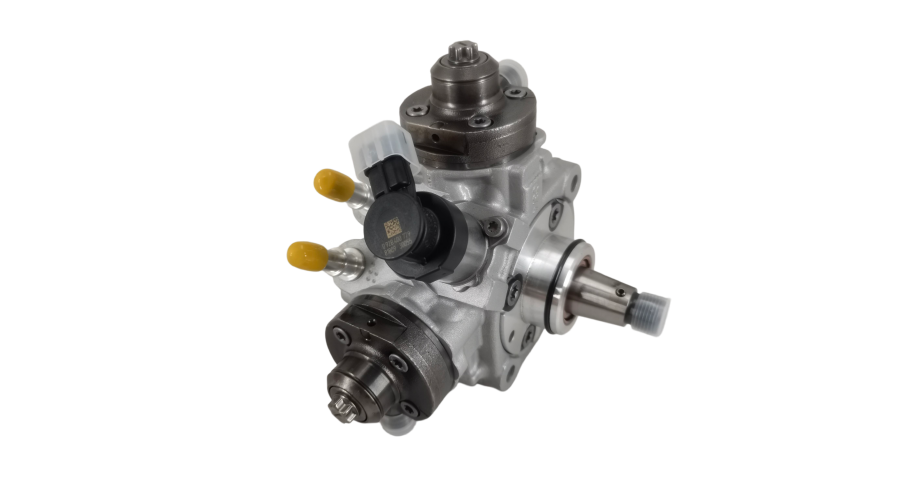
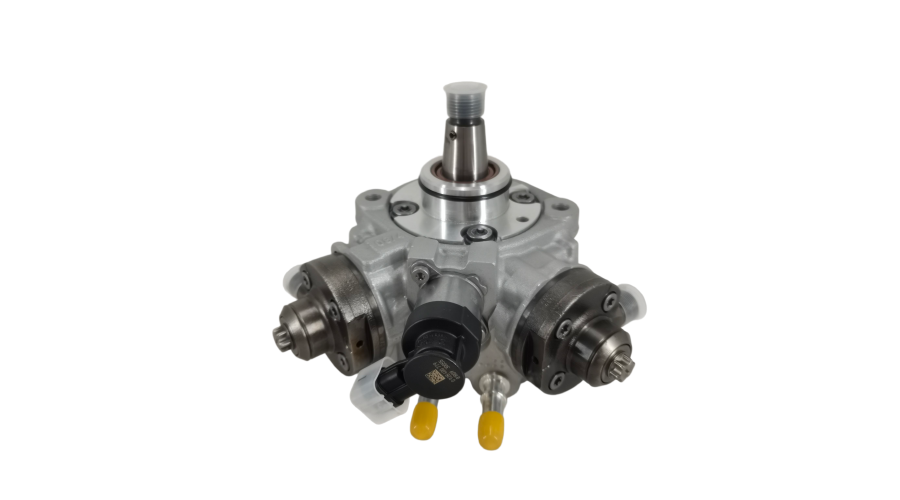
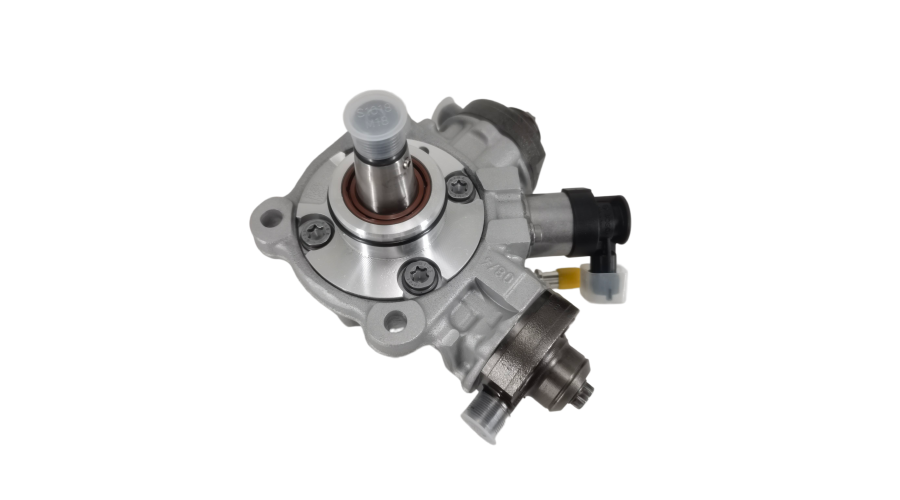
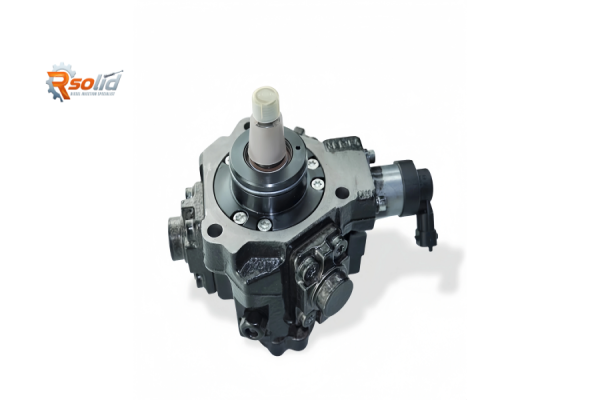
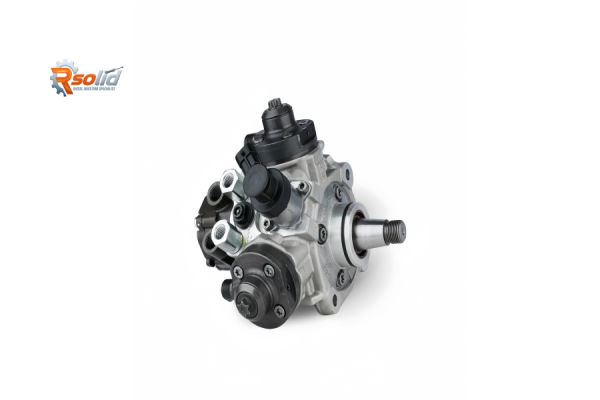
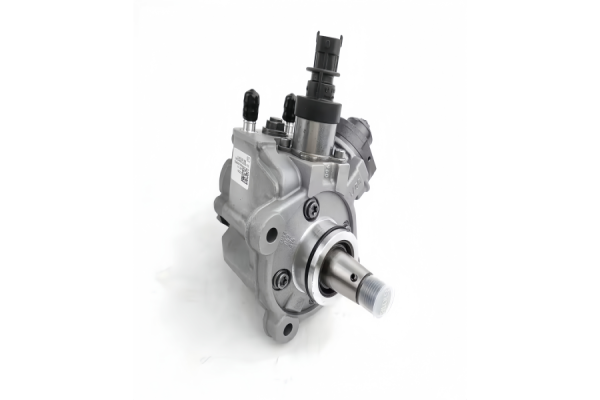
This part number is a Bosch CP1H common rail injection pump.
Here is the breakdown of its application and what you need to know about it:
1. Vehicle Compatibility
Vehicle: Jeep Grand Cherokee (WK/WH generation)
Engine: 3.0 CRD (Common Rail Diesel)
Engine Code: OM642 (This is a Mercedes-Benz engine)
Years: Typically 2005 – 2010
Important Note: Because Jeep used a Mercedes-Benz diesel engine in these models, this pump is also commonly found in:
Mercedes-Benz E-Class (W211) E320 CDI / E350 BlueTEC
Mercedes-Benz ML-Class (W164) ML320 CDI / ML350
Mercedes-Benz R-Class (W251)
Chrysler 300C CRD
2. What to look for (Common Failure Symptoms)
If you are searching for this part because your Jeep is having issues, the Bosch CP1H pump on the 3.0 CRD is known for specific failure modes:
Fuel in Oil: The high-pressure seal inside the pump can fail, allowing diesel fuel to leak past the plunger and into the engine oil pan. You must check your oil level. If the oil level is rising and smells like diesel, the pump is failing.
Hard Starting / No Start: Especially when the engine is hot, a failing pump can cause extended cranking.
Loss of Power / Limp Mode: Insufficient fuel rail pressure due to internal wear.
3. Sourcing the Part (0445010858)
Bosch New Unit: This is the preferred route. Be wary of "remanufactured" units unless they come from a very reputable Bosch-authorized center, as the CP1H is sensitive to rebuild quality.
Bosch Exchange: When you buy a new Bosch pump, you usually pay a core charge and return your old pump to them for remanufacturing.
4. Replacement Advice
Replacing this pump on a 3.0 CRD is not a simple plug-and-play job. If you are having it done, ensure the mechanic follows these critical steps:
Fuel System Flush: The entire fuel system from the tank to the injectors must be cleaned.
Oil Change: If the pump leaked internally, the engine oil will be contaminated with diesel. This diesel destroys the lubricity of the oil and can ruin the engine bearings. A full oil and filter change is mandatory.
Glow Plugs: On the OM642 engine, glow plugs are notoriously brittle. If they snap off in the head during removal, it becomes a major repair.
Here is a breakdown of its structural features and the advantages derived from that design.
1. Structural Features
A. Radial Piston Design (The Core)
Configuration: Unlike axial piston pumps where pistons move back and forth parallel to the shaft, the CP1H uses three pistons arranged radially (like spokes on a wheel) around an eccentric shaft.
The Drive Shaft: The shaft has a lobe or an eccentric ring. As the shaft turns, this lobe pushes the pistons outward.
The Return: The pistons are pushed back inward by the high fuel pressure and internal springs once the lobe passes.
B. Integrated Low-Pressure (Feed) Pump
Feature: Mounted on the back of the CP1H (usually driven by the same shaft) is a mechanical vane-type transfer pump.
Function: This vane pump sucks fuel from the tank and pushes it through the fuel filter and into the high-pressure section at a pressure of roughly 4-6 bar. This makes the pump "self-contained" rather than relying solely on an in-tank pump.
C. Fuel Lubrication and Cooling
Feature: The CP1H does not have its own dedicated oil sump. It is lubricated and cooled solely by the diesel fuel flowing through it.
Precision Components: The internal parts (pistons, cylinder head, shaft bearings) are machined to extremely tight tolerances to maintain pressure while relying on the fuel's lubricity to prevent metal-on-metal contact.
D. Quantity Control Valve
Feature: Located on the intake side of the pump, this is an electronically controlled solenoid valve.
Function: The Engine Control Unit (ECU) sends a signal to this valve to open and close rapidly. It meters the exact amount of fuel allowed into the high-pressure chamber. This prevents the pump from working harder than necessary (reducing parasitic loss).
E. High-Pressure Outlet
Feature: The pump head contains the outlet fitting, which connects to the high-pressure fuel rail. It often includes a safety valve to relieve pressure if the rail pressure sensor fails or if pressure exceeds safe limits.
Diesel pump supplier:
Rsolid is a professional diesel injector manufacturer that relies on the precision manufacturing capabilities of its own factories to provide high-quality solutions for the global commercial vehicle, construction machinery, marine, and agricultural diesel engine markets. Rsolid's business model typically includes maintaining a diverse and comprehensive OEM and high-end aftermarket parts inventory, and providing cross compatibility options to meet the needs of various applications and global customers, from individual workshops to large fleet operators. If you are looking for diesel injectors or OEM engine injectors, please feel free to contact us at any time.