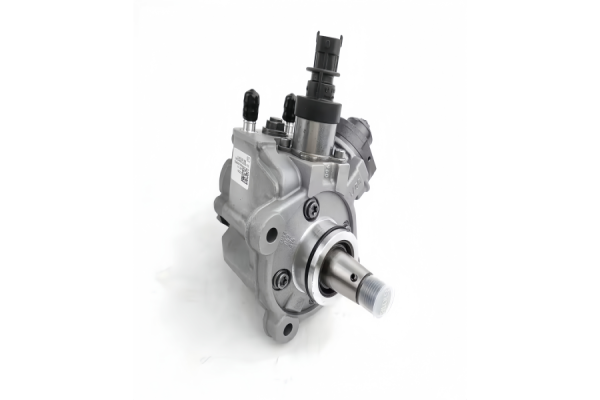
Plunger Diameter: Usually around 9.0 mm - 9.5 mm (specific to the 0451 calibration).
Cam Ring Lift: Standard HP4 profile.
Rotation: Clockwise or Counterclockwise? This specific part number is usually configured for Clockwise rotation (viewed from the drive shaft end), but you must verify based on your SC9DF engine rotation.
Pressure Range: Can generate rail pressure up to approximately 1800 bar (26,000 psi) , depending on the ECU calibration.
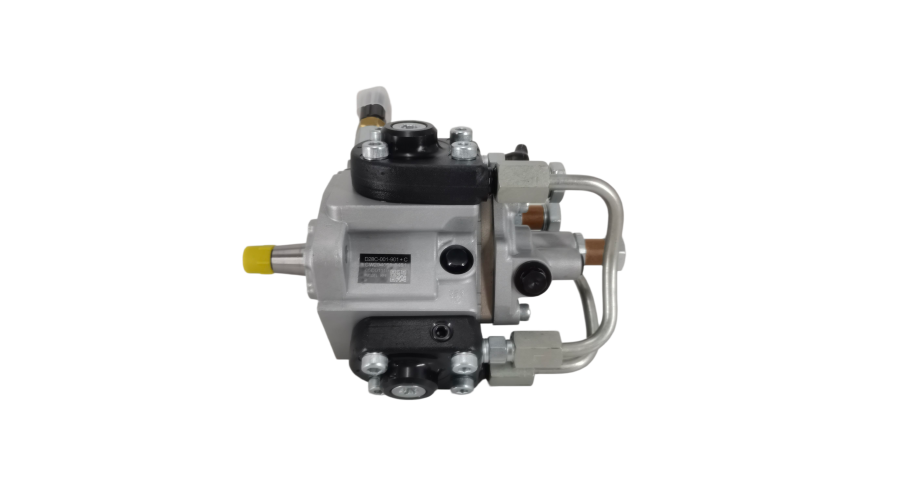
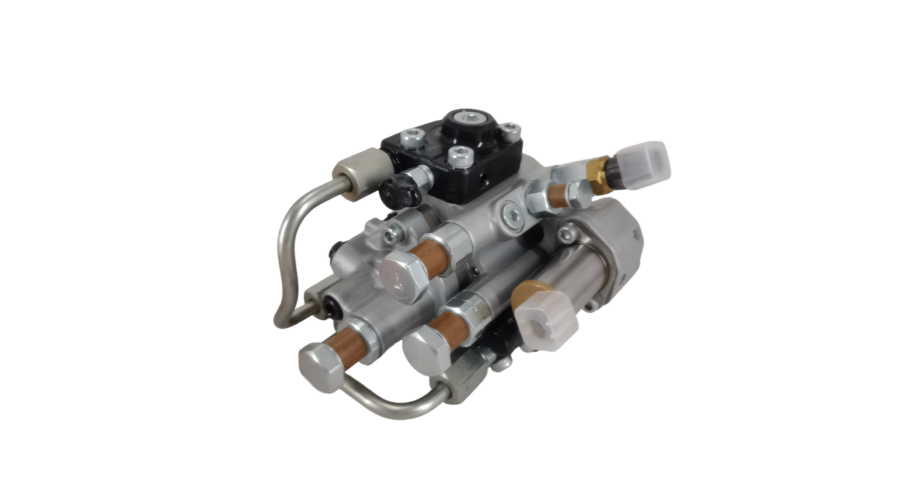
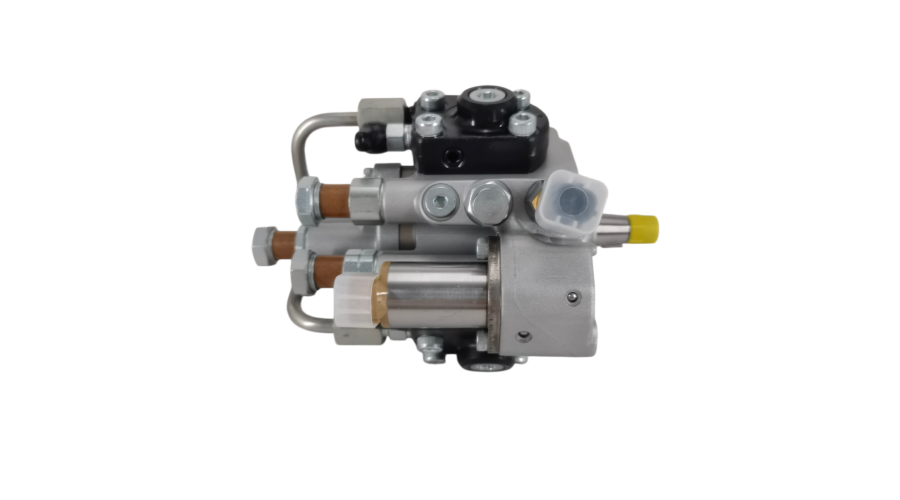
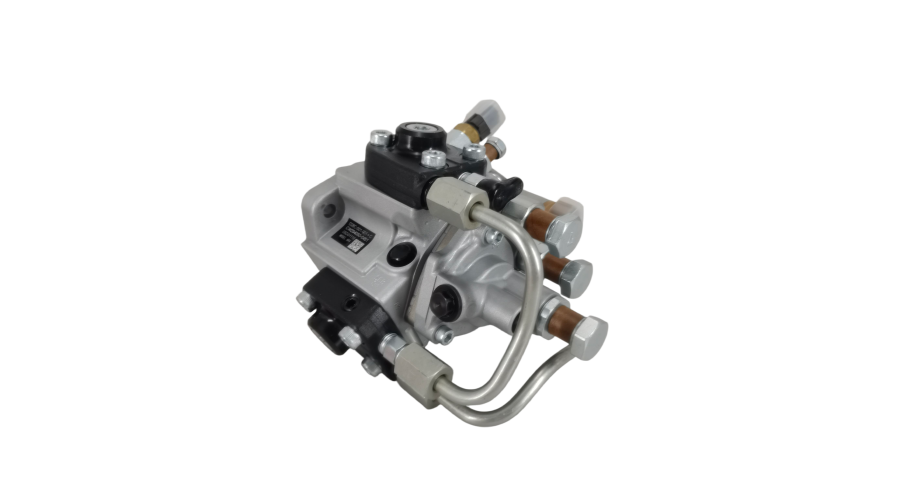
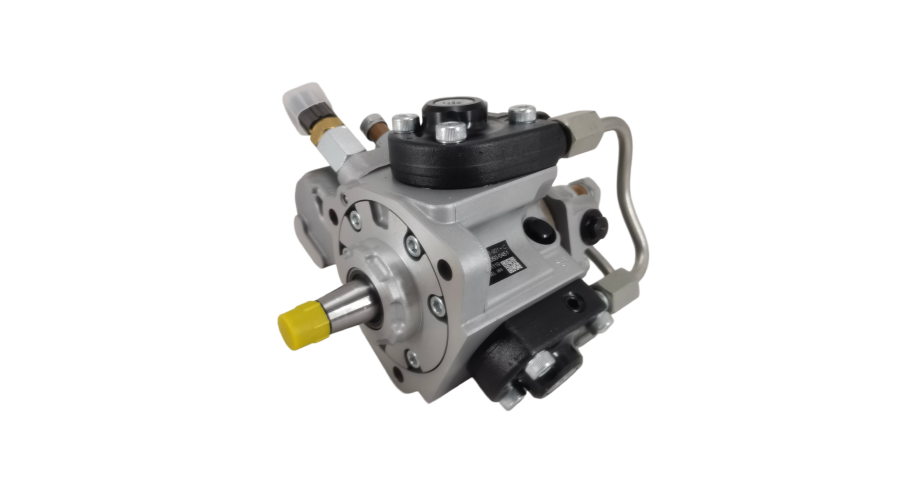
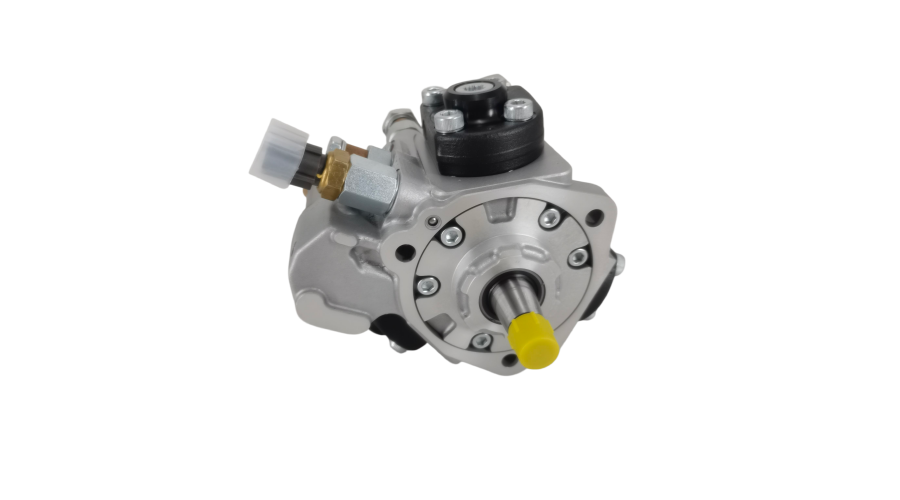
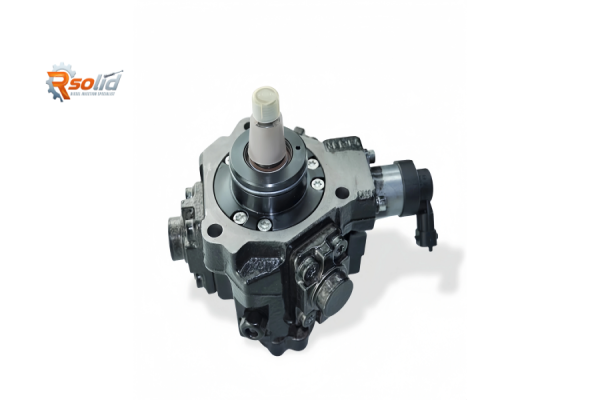
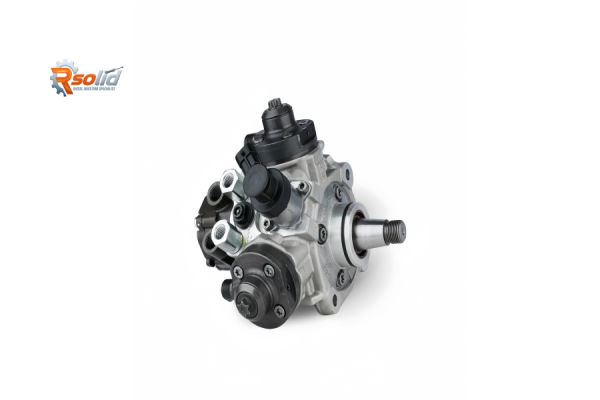
The Denso HP4 pump (Part #294050-0451) used on the SC9DF engine represents a significant evolution in diesel fuel injection technology. It moves away from the old "mechanical" style pumps (like inline or distributor pumps) and embraces the Common Rail architecture.
Here is a breakdown of its structural characteristics and the resulting advantages for your engine:
1. Structural Characteristics
Unlike older pumps that both generated pressure and timed the injection, the HP4 is strictly a high-pressure supply pump. Its structure is designed for this single, demanding task.
Radial Plunger Design:
Structure: Inside the pump, there are typically 2 or 3 plungers arranged radially (like spokes on a wheel) around a central eccentric cam or ring.
Function: As the camshaft rotates, it pushes the plungers outward. They are then forced back inward by springs, pressurizing the fuel. The 3-plunger configuration is common for the HP4 to ensure high flow rates.
Integrated Low-Pressure Feed Pump (Tandem Pump):
Structure: At the back or front of the HP4 housing, there is usually a mechanical gear pump (or trochoid pump) attached to the same drive shaft.
Function: This sucks fuel from the tank and pushes it through the fuel filter to the high-pressure section. It also feeds a small amount of fuel into the pump housing to cool and lubricate the internal mechanisms.
Inlet Metering Valve (IMV or SCV):
Structure: This is an electronically controlled solenoid valve located at the fuel inlet of the high-pressure chamber.
Function: It is the "brain" of the pump. It does not just let all the fuel in all the time. Based on signals from the ECU, it precisely controls how much fuel is allowed to enter the compression chamber. The rest is bypassed back to the tank or inlet.
Integrated Fuel Gallery (Internal Lubrication):
Structure: The pump casing contains machined passages that route fuel to the bearings, cam ring, and plungers.
Function: This ensures that all moving parts are constantly bathed in diesel fuel, which acts as both a lubricant and a coolant.
2. Advantages of this Design for the SC9DF Engine
The structural design of the HP4 provides distinct operational benefits compared to older mechanical pumps.
Pressure Independence (The "Common Rail" Advantage):
Easier cold starts.
Lower idle noise (the "diesel clatter" is reduced).
More torque at low RPMs for the SC9DF.
Advantage: Because the HP4 only builds pressure (and the injectors are fired electronically by the ECU), the injection pressure is not dependent on engine speed.
Result: At low RPMs (idling or pulling away), you still get very high fuel pressure (up to 1800 bar). This leads to better atomization of the fuel, which means:
Precise Fuel Control via the IMV:
Fuel Efficiency: Less parasitic loss from the pump. It isn't wasting energy compressing fuel that will just be dumped back to the tank via a pressure relief valve.
Heat Reduction: Compressing fuel generates heat. By only compressing what is needed, the fuel stays cooler, protecting the pump and injectors.
Advantage: The Inlet Metering Valve ensures the pump only compresses the exact amount of fuel the engine needs at that exact moment.
Result:
Compact and Robust Structure:
Advantage: The radial plunger design (multiple small plungers) creates high pressure with less stress on individual parts than a single large plunger.
Result: The pump is relatively compact for the power output of the SC9DF, and it is mechanically durable enough to handle the high pressures required for modern emissions standards.
Diesel pump supplier:
Rsolid is a professional diesel injector manufacturer that relies on the precision manufacturing capabilities of its own factories to provide high-quality solutions for the global commercial vehicle, construction machinery, marine, and agricultural diesel engine markets. Rsolid's business model typically includes maintaining a diverse and comprehensive OEM and high-end aftermarket parts inventory, and providing cross compatibility options to meet the needs of various applications and global customers, from individual workshops to large fleet operators. If you are looking for diesel injectors or OEM engine injectors, please feel free to contact us at any time.