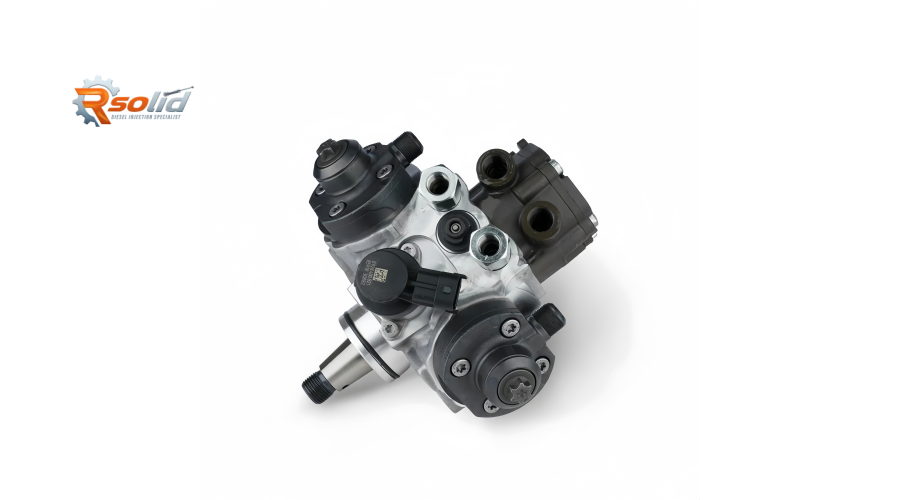
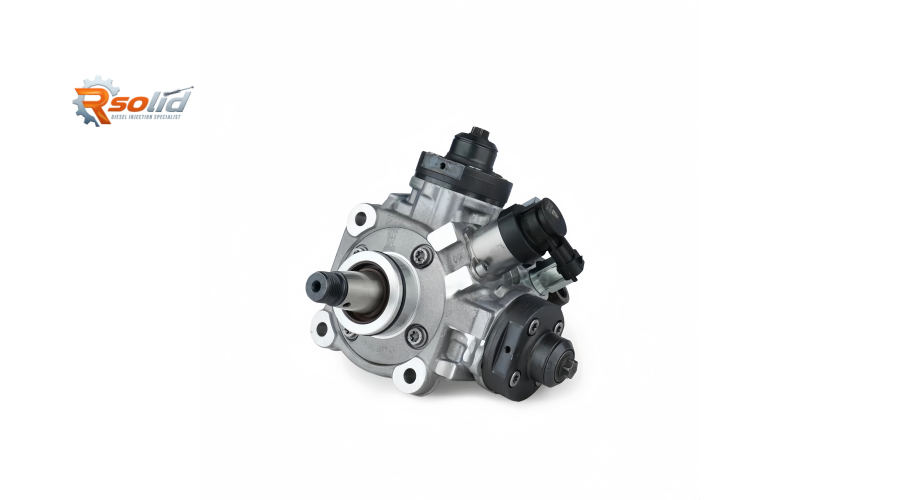
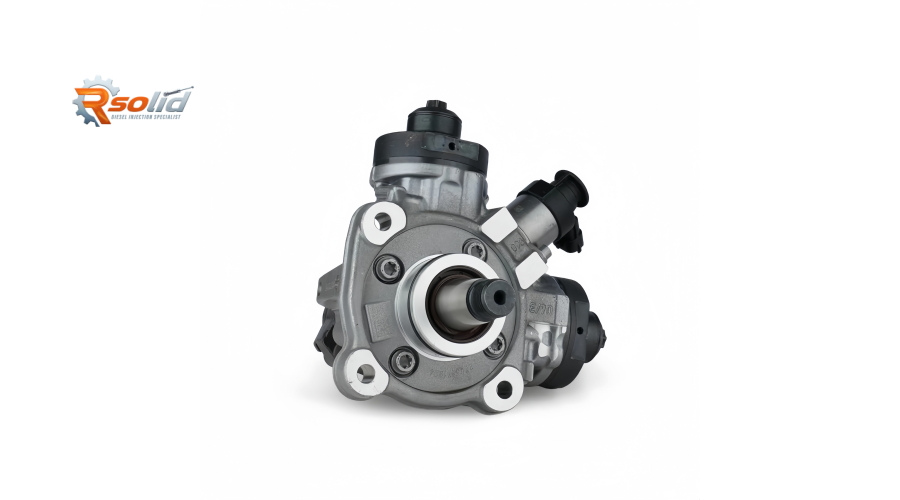
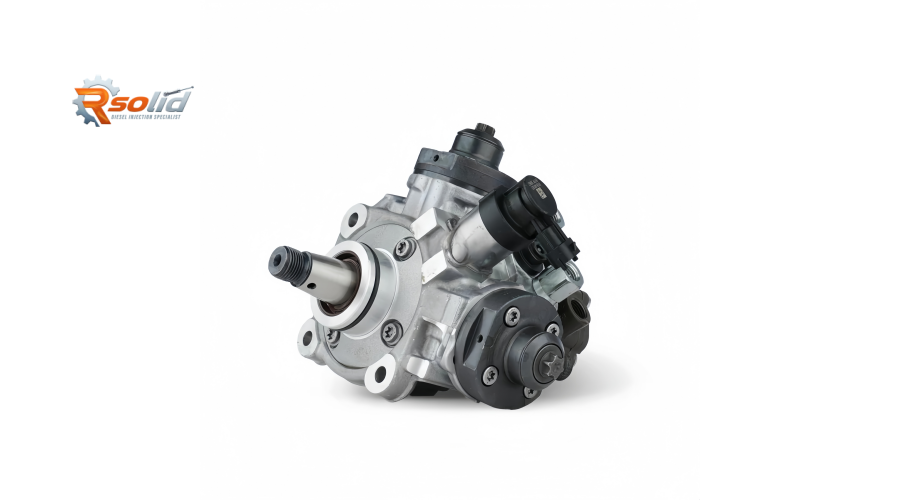
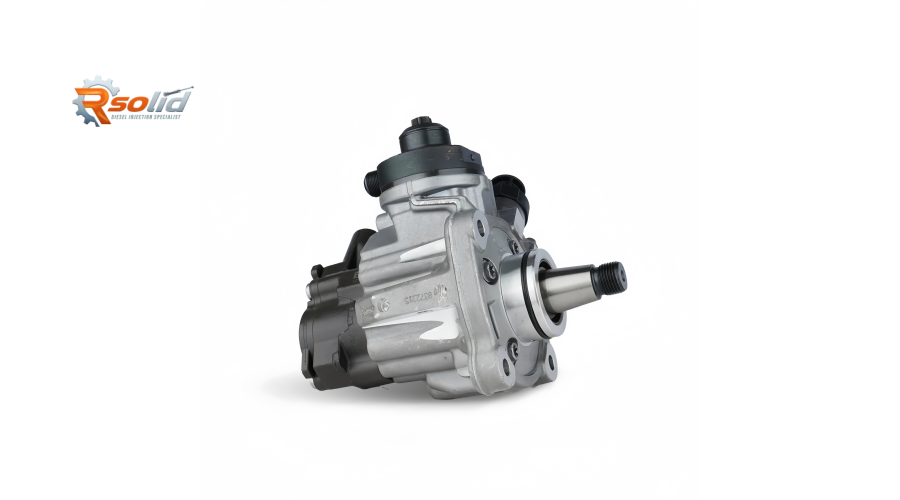
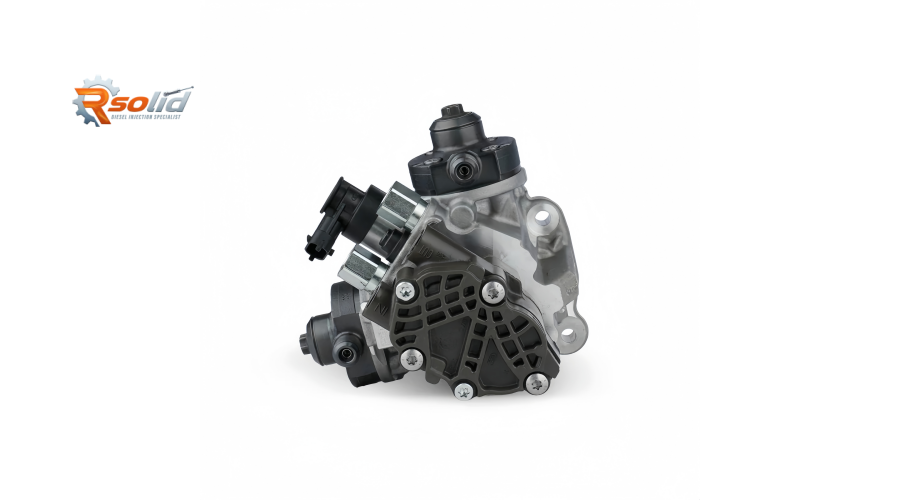
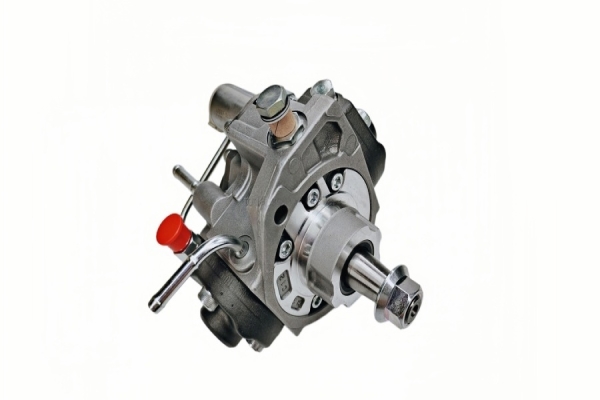
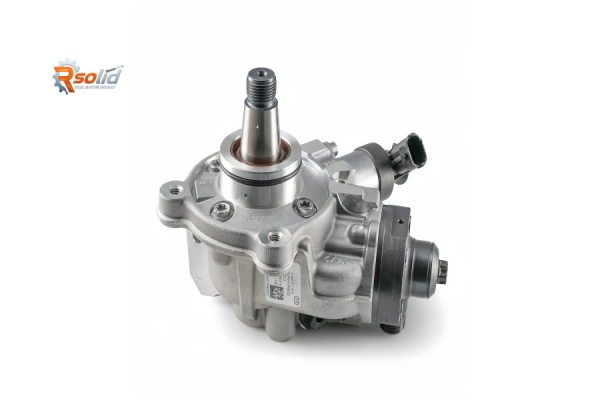
0445020610 Diesel Injection Pump – Bosch-Compatible CP3 High-Pressure Pump for Cummins QSB Engines
The 0445020610 diesel injection pump (Bosch compatible) is a high‑pressure common rail pump engineered for Cummins QSB series industrial diesel engines – including QSB4.5, QSB5.9, QSB6.7 and the agricultural QSB T3, Tier 3, and Stage IIIA variants. This CP3‑type radial piston pump delivers reliable fuel pressurisation up to 1,800 bar, ensuring precise injection timing, lower emissions, and consistent power output for heavy‑duty equipment. Below we explore its structural advantages, compatible engine fitment, common failure symptoms, installation best practices, and why Rsolid engine parts is your trusted global supplier.
1. Structural Advantages of the 0445020610 CP3 Pump
The 0445020610 belongs to Bosch’s CP3 (Common Rail Pump 3) family, a high‑pressure radial piston pump widely adopted by Cummins for their QSB platform. Its key engineering benefits include:
Three‑plunger radial piston design – Three precision‑ground hardened steel plungers arranged radially around an eccentric cam deliver smooth, high‑volume fuel flow with minimal pressure pulsation, ensuring stable rail pressure even under rapid load changes – critical for excavators, loaders, and generators.
High‑pressure capability – Rated for up to 1,800 bar (26,100 psi), compatible with Cummins QSB common rail systems from Tier 3 to Tier 4 interim standards.
Integrated inlet metering valve (FMV / ZME) – Electronically controlled by the ECU, this valve precisely regulates fuel quantity entering the pumping chamber, reducing parasitic power loss and improving fuel efficiency by up to 5% compared to fixed displacement pumps.
Built‑in overflow / pressure relief valve – Protects the pump and downstream components (rail, injectors) from over‑pressure events, returning excess fuel to the tank.
Heavy‑duty cast aluminium housing – Designed to withstand vibration, thermal cycling, and corrosion in off‑road environments (construction, agriculture, mining). The housing also acts as a heat sink, stabilising fuel temperature.
Direct bolt‑on replacement – Matches Cummins OEM mounting pattern, drive coupling, and high‑pressure port orientation, enabling straightforward installation without modifications.
Serviceable CP3 architecture – Unlike disposable pumps, the CP3 can be professionally rebuilt with new plungers, seals, and metering valves, offering lower long‑term ownership costs for fleet operators.
These features translate into dependable high‑pressure delivery, improved fuel economy, and long service life in demanding industrial applications.
2. Compatible Engines & Equipment – Cummins QSB Series
The 0445020610 high‑pressure pump is specifically designed for Cummins QSB family – 4.5L, 5.9L, and 6.7L common rail diesel engines. Verified applications include:
| Engine Model | Displacement | Power Range | Typical Equipment |
|---|
| QSB4.5 | 4.5L (4,500 cc) | 95–130 kW (130–175 hp) | Compact wheel loaders, backhoe loaders, skid steers |
| QSB5.9 | 5.9L (5,880 cc) | 115–160 kW (155–215 hp) | Excavators, telehandlers, forklifts |
| QSB6.7 | 6.7L (6,700 cc) | 145–225 kW (195–300 hp) | Large excavators, wheel loaders, generators, marine propulsion |
| QSB T3 / Tier 3 / Stage IIIA | Various | 110–225 kW | Off‑highway equipment (construction, agriculture) |
Note: Always verify your original pump part number – look for 0445020610, 0445020615, 0445020616 (variant), or Cummins OEM numbers 4921531, 4921532, 3974276, 3967372, 3933166, 3933167, 3933168, 4326169, 4310562. Some QSB engines use a CP3 pump with a different mounting flange – check your pump’s Bosch number before ordering.
3. Common Failure Symptoms & Installation Replacement Advice
The CP3 pump on QSB engines is durable, but failures occur due to fuel contamination, water ingress, electrical faults, or wear after 5,000–10,000 operating hours. Early recognition prevents costly injector and rail damage.
Typical failure symptoms of a failing 0445020610 pump:
Hard starting / extended cranking – Pump cannot build minimum rail pressure (typically 200–250 bar) due to worn plungers, faulty inlet metering valve (FMV), or internal leakage. Common on QSB engines with high hours.
Loss of power / limp mode – Rail pressure drops under load, triggering diagnostic trouble codes P0087 (Fuel Rail Pressure Too Low), P0088 (Pressure Too High), or P0191 (Pressure Sensor Plausibility). Engine may derate to idle.
Engine stalling, especially hot – Fuel viscosity drops when hot; internal leakage increases, causing pressure collapse. Restarting may require extended cranking.
Rough idle / uneven running – Unstable rail pressure (±50 bar fluctuation) due to metering valve wear, plunger damage, or air ingress in the low‑pressure circuit.
Fuel in engine oil – Front drive shaft seal failure allows diesel to enter the timing gear case, then into the sump. Check dipstick for rising oil level and diesel smell – dangerous risk of engine runaway.
Abnormal noise (whining / rattling) – Worn bearings, cam plate, or plungers create audible noise from the pump area. Excessive axial play indicates internal thrust washer failure.
Electrical fault codes (P0090, P0200, P1260) – Inlet metering valve or fuel control actuator circuit faults due to wiring harness damage, poor connections, or solenoid failure.
Metal particles in fuel filter – Catastrophic internal pump failure. Entire fuel system (tank, lines, rail, injectors) must be flushed or replaced.
Installation & replacement best practices for QSB CP3 pump (0445020610):
Perform thorough diagnosis – Use Cummins INSITE™ or a generic diagnostic tool to read rail pressure at idle (>250 bar) and under load (>1,200 bar). Test the FMV solenoid resistance (typically 3–5 Ω). Check fuel filter for debris.
Replace all fuel filters – Install new OEM‑spec fuel filters (Cummins FS1000, FS2000, or equivalent) before fitting the new pump.
Flush the fuel system if contamination present – If the old pump failed internally, drain and clean the fuel tank, replace low‑pressure hoses, clean banjo bolt screens, and replace the rail and injectors if metal debris found.
Lock engine at TDC (Top Dead Centre) – Mark the pump flange position relative to the gear housing before removal. The drive coupling has a specific alignment slot; misalignment will cause incorrect injection timing and possible engine damage.
Replace the drive coupler / gear – The rubber or plastic coupler (or timing gear) can wear over time. Install a new coupler with the new pump.
Install new O‑rings and shaft seal – The pump comes with a new drive shaft seal. Apply a thin film of clean diesel to the seal lip. Ensure the pump mounting face is clean and free of old gasket material.
Torque pump mounting bolts precisely – Use 25–30 Nm for the three M8 mounting nuts (refer to Cummins service manual). Over‑torquing distorts the pump housing; under‑torquing causes vibration damage.
Prime the low‑pressure circuit – QSB engines typically have an electric lift pump or hand primer. Operate the lift pump for 60 seconds or hand prime until fuel flows from the pump return port. Never dry crank – CP3 pumps are destroyed within seconds without priming.
Bleed high‑pressure lines – Loosen the injector line nuts at the injectors (one at a time), crank the engine (10–15 second intervals, 2 minute cooling between) until fuel spurts, then tighten to 30–35 Nm using new copper sealing washers.
Reset ECU adaptations – Using Cummins INSITE™, perform “Fuel System Prime” and “Injector Trim Code Reset” if injectors were also replaced. Reset fuel pressure adaptation values.
Inspect for leaks – Run the engine at idle and high idle (1,800–2,200 rpm), check all fuel connections and the pump shaft seal area.
Perform rail pressure test – Verify rail pressure reaches 1,600–1,800 bar at full load (using INSITE™ data logging).
Measure return flow – At idle, pump return flow should be less than 800 ml/min. Higher flow indicates internal leakage or improper priming.
Injector coding – If injectors were replaced, code them using the 10‑character IMA codes. QSB injectors require coding via INSITE™.
4. Why Choose Rsolid Engine Parts as Your Supplier?
At Rsolid engine parts, we specialise in high‑quality diesel fuel injection components for construction, agricultural, and industrial equipment. Here‘s why equipment dealers, repair shops, and fleet owners trust us:
100% test‑bench verified – Every 0445020610 pump is calibrated on a professional common rail test bench (up to 2,000 bar) for accurate flow, pressure regulation, and leakage – guaranteed within ±2% tolerance.
Bosch‑compatible, OE fitment – Direct replacement for Cummins OEM pumps (4921531, 3967372, etc.); matches all dimensions, drive coupling, and high‑pressure ports.
New build or premium remanufactured options – Choose according to your application and budget.
Competitive wholesale pricing – Ideal for fleet operators, repair workshops, and parts distributors.
Fast global shipping – Inventory available from warehouses in Asia, Europe, North America, and the Middle East.
Expert technical support – Our team helps with pump identification, torque specifications, timing alignment, and INSITE™ diagnostic troubleshooting.
12‑month warranty – Against manufacturing defects and premature wear.
📧 Contact us for a quote or technical assistance:
📱 WhatsApp: +86 15975376778
✉️ Email: amy@rinjector.com
🌐 Website: www.rinjector.com