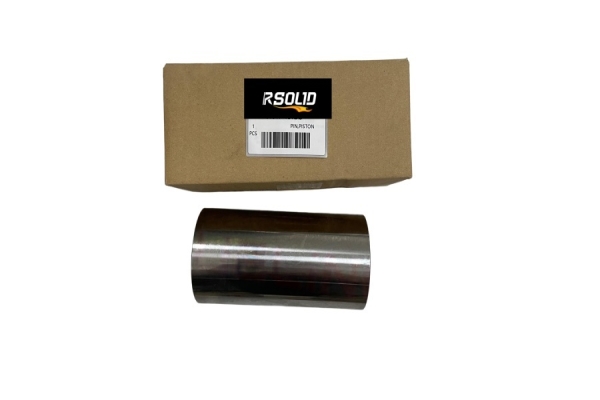
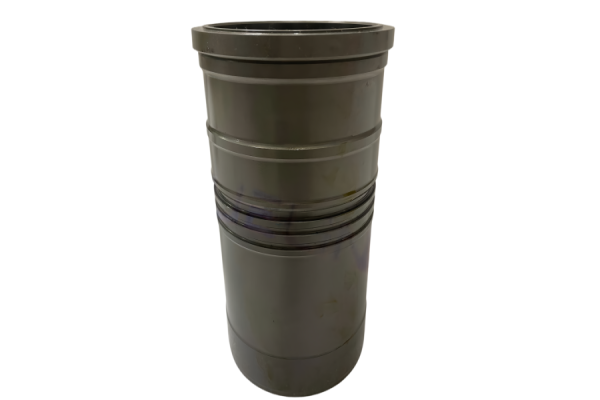
740695-01600 Cylinder Liner – Premium Quality for YMR Marine Engine Parts
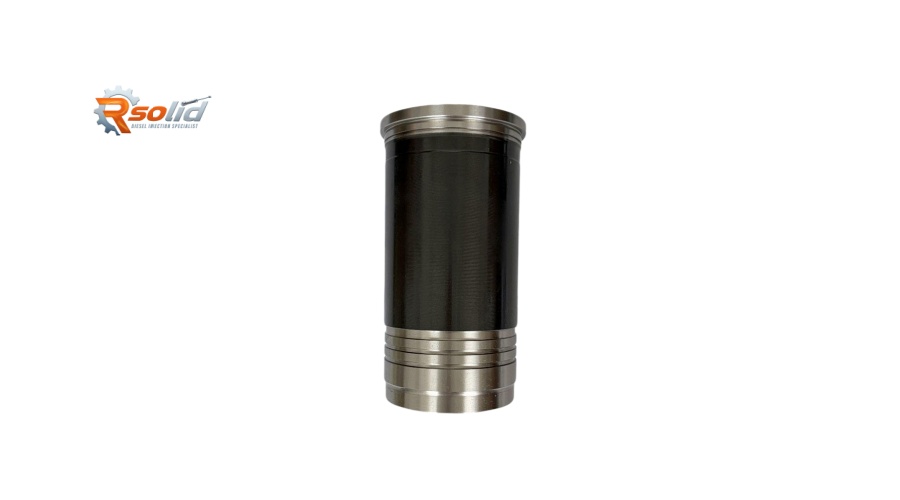
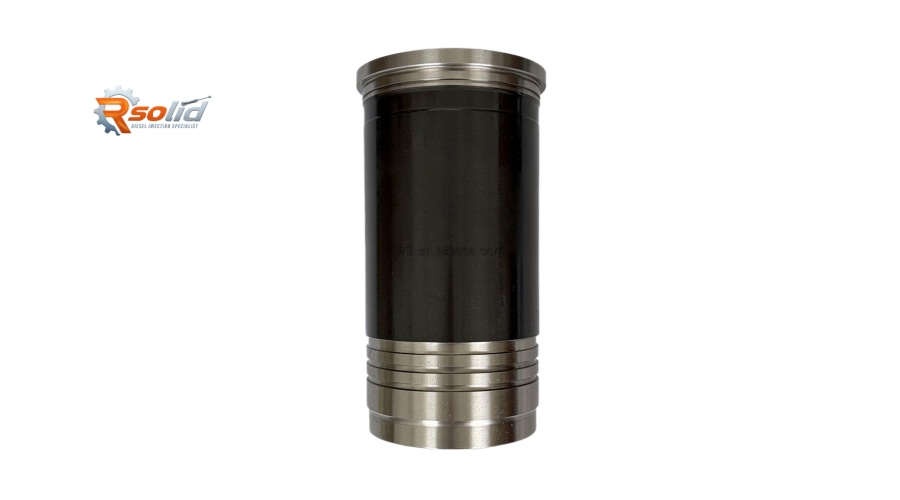
For marine propulsion systems that demand uncompromising reliability and sustained power output, the cylinder liner is one of the most critical components in the engine's combustion chamber. It must withstand extreme pressures, intense thermal cycling, and continuous piston ring friction – all while maintaining a perfect seal and efficient heat transfer. The 740695-01600 cylinder liner is a high‑grade, OEM‑equivalent replacement engineered specifically for YMR series marine diesel engines, offering exceptional wear resistance, precise dimensional accuracy, and a direct drop‑in fit.
Whether you are performing a major overhaul on a commercial fishing vessel, a coastal freighter, or a marine generator set, this liner – often supplied as a bare unit or with matching O‑ring seals – restores compression, eliminates blow‑by, and extends your engine's time between overhauls. In this comprehensive guide, we examine its advanced construction, compatible engine variants, common failure signs, professional installation best practices, and why Rsolid Engine Parts is the preferred global supplier for YMR marine components.
1. Structural Features & Advantages of the 740695‑01600 Cylinder Liner
The 740695‑01600 is not a generic casting – it is a precision‑engineered component designed to meet the rigorous demands of marine diesel operation. Its key design features include:
High‑alloy wear‑resistant cast iron – Manufactured from a specialised chromium‑molybdenum (Cr‑Mo) alloy cast iron, this material offers exceptional resistance to adhesive wear (scuffing), abrasive wear, and thermal fatigue. The alloy chemistry is specifically optimised to maintain hardness at elevated operating temperatures (up to 300°C on the inner surface), preventing bore softening and ensuring consistent ring sealing over thousands of hours.
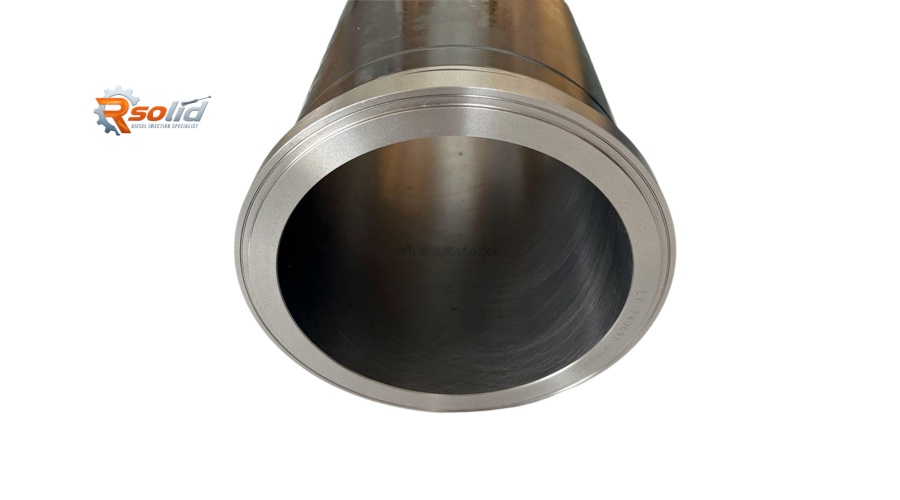
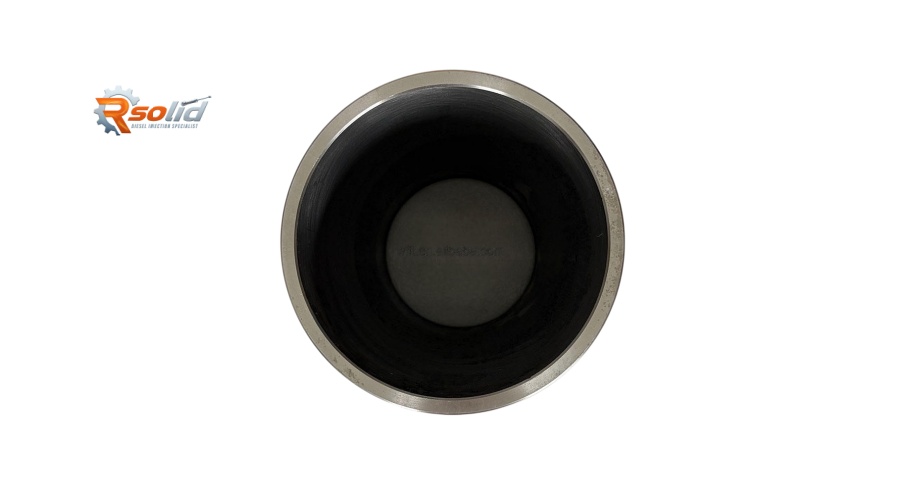
Induction‑hardened and plateau‑honed bore – The inner running surface is induction‑hardened to achieve a uniform surface hardness of HRC 52‑58, providing a durable wear layer that resists scoring from piston ring micro‑movement. The final finishing process uses a multi‑stage plateau honing technique, creating a controlled cross‑hatch pattern (30‑45° included angle) with a surface roughness (Ra) of 0.15 – 0.30 µm. This optimises oil film retention for rapid ring seating during break‑in and significantly reduces oil consumption throughout the liner's service life.
Precision wet liner design with O‑ring sealing – As a wet‑type liner, the outer surface is in direct contact with engine coolant. The 740695‑01600 features accurately machined O‑ring grooves at the lower section, designed to accommodate high‑temperature FKM (Viton®) seals. These grooves maintain a positive coolant seal, preventing coolant migration into the crankcase (oil emulsification) and combustion gases from entering the cooling system (overheating).
Corrosion‑resistant outer surface treatment – The external water‑jacket area receives a specialised anti‑cavitation coating and passivation treatment, which resists pitting and erosion caused by coolant vibration and chemical attack – a critical feature for marine engines operating with seawater‑cooled heat exchangers.
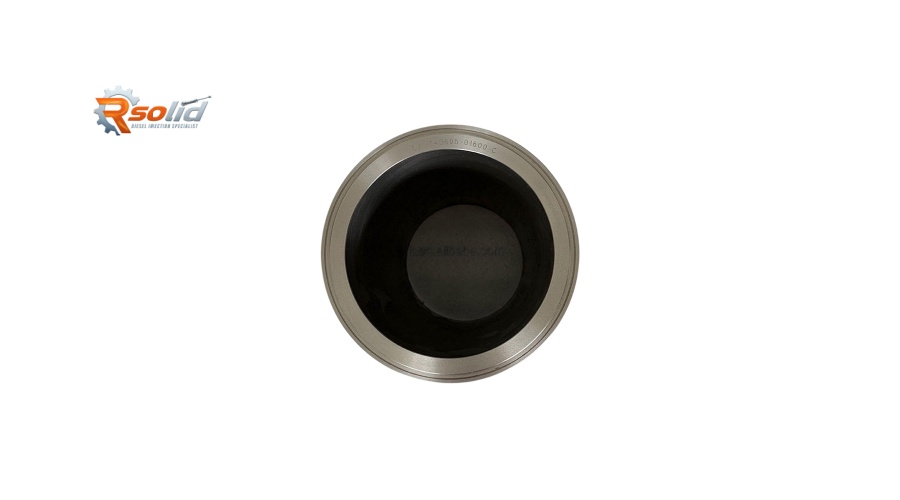
Precision‑ground top flange – The upper flange is ground to a mirror finish with micron‑level flatness (typically ±0.02 mm), ensuring a perfect seal against the cylinder head gasket. The correct liner protrusion (factory set at 0.05‑0.15 mm above the block deck) is maintained to exact specifications, guaranteeing optimal head gasket compression and combustion sealing under extreme cylinder pressures.
Operational advantages for marine engineers and vessel owners:
Reduced oil consumption – The plateau‑honed finish and optimal roundness minimise oil bypass past the rings, cutting top‑up frequency by up to 25% compared to worn liners.
Extended overhaul intervals – With proper fuel, air filtration, and coolant maintenance, this liner reliably achieves 10,000 – 15,000 hours of service life.
Consistent compression and power – A true, unworn bore ensures maximum cylinder pressure, translating to better fuel economy and reduced black smoke under heavy load.
Prevents premature ring wear – The correct bore hardness and finish extend the life of compression rings, reducing overall rebuild costs.
100% direct drop‑in fit – Identical to the original YMR part in all critical dimensions – no block boring or shimming required.
2. Compatible Engine Models & Typical Applications
The 740695‑01600 cylinder liner is specifically engineered for YMR series marine diesel engines – a family of inline, 4‑stroke, water‑cooled engines widely used in commercial and auxiliary marine roles.
| Engine Model / Series | Typical Applications |
|---|
| YMR‑6 series (6‑cylinder inline) | Main propulsion for fishing vessels, coastal freighters, harbour tugs |
| YMR‑Genset variants | Prime and standby power generation on offshore platforms and land‑based plants |
| Compatible with Yanmar 6‑cylinder platforms | Often used as aftermarket replacement for Yanmar 6HA, 6LY, or similar – verify fitment |
Critical cross‑reference: The 740695‑01600 is a widely recognised service part number for YMR engine cylinder liners. Always confirm your engine serial number, cylinder bore measurement, and existing liner casting number before ordering. This liner is typically supplied as a bare unit; O‑ring seals, head gaskets, and piston rings are ordered separately or as part of a complete overhaul kit.3. Common Failure Modes & Installation/Replacement Recommendations
Typical Warning Signs Your Liner Needs Replacement
High oil consumption with blue exhaust – Indicates bore glazing, excessive wear, or deep scoring that prevents the rings from properly scraping oil from the cylinder wall.
Excessive blow‑by and crankcase pressurisation – Oil mist from the dipstick tube or breather due to worn bore ovality or deep scuff marks.
Coolant loss without visible external leaks – Milky oil emulsion (coolant in oil) points to a failed lower O‑ring seal or a cracked liner allowing coolant into the crankcase.
Combustion gas in coolant – Bubbles in the expansion tank indicate a cracked liner or failed upper seal allowing high‑pressure gases into the cooling system.
Loss of power and rough running – Reduced compression from a worn or scored liner leads to hard starting, misfiring, and reduced load capacity.
Professional Installation Best Practices
Correct installation is critical for achieving maximum liner life. Follow these essential steps:
Clean the cylinder block bore – Remove the old liner and thoroughly clean the block's liner seat using a suitable solvent and a non‑abrasive pad. Remove all carbon deposits, old sealant, and rust. The seat must be perfectly dry and free of any foreign material.
Measure the block housing – Use a dial bore gauge to measure the block's liner housing for ovality and out‑of‑round. Ensure it is within service limits (typically less than 0.03 mm variation). If worn, oversize liners or block machining may be required.
Inspect and lubricate O‑rings – Lightly coat the new FKM O‑rings (purchased separately or as a kit) with clean engine oil or a specialised rubber lubricant. Never use silicone grease or petroleum jelly – these can prevent O‑rings from seating correctly and cause coolant leaks.
Install the liner with even pressure – Using a dedicated liner installation tool or a hydraulic press, insert the liner straight down into the block bore. Never use a hammer directly on the liner flange, as this will distort the honed bore. Apply steady, even pressure.
Measure liner protrusion – After installation, measure the liner's height above the block deck at three or four points using a dial gauge and a bridge piece. Protrusion should be consistent (typically 0.05 – 0.15 mm) and within specification – the variance should not exceed ±0.03 mm. Incorrect protrusion causes head gasket failure.
Final bore check – Re‑check the bore for roundness and taper to ensure no distortion occurred during fitting.
Assemble piston and rings – Fit the piston rings using a proper ring expander, stagger gaps at 120°, and lubricate the piston and liner bore with clean engine oil. Use a ring compressor to insert the piston assembly smoothly.
Re‑torque cylinder head – Follow the engine manufacturer's torque sequence and specifications. Re‑torque after the initial heat cycle and again after 50 operating hours.
Break‑in procedure – Run the engine at low idle (no load) for 15‑20 minutes, then gradually increase load over the next 8‑10 hours. Avoid sustained full‑load operation during break‑in. Change the engine oil and filter after the initial break‑in period.
4. Why Rsolid Engine Parts Is Your Preferred Global Supplier
Rsolid Engine Parts has been a trusted supplier of Yanmar, Mitsubishi, Caterpillar, and other marine diesel components for over 15 years, serving fleets, power plants, and workshops across six continents. Here is why the 740695‑01600 cylinder liner from Rsolid is the right choice:
OEM‑equivalent manufacturing – Produced in ISO 9001:2015 and IATF 16949 certified foundries, using the identical chromium‑molybdenum alloy chemistry and induction‑hardening processes as genuine service parts.
100% precision inspected – Every liner is checked for bore roundness, straightness, surface finish (Ra), hardness (HRC), and flange dimensions using advanced CMM equipment. We guarantee a perfect fit.
Matching seal kits available – We supply high‑temperature FKM (Viton®) O‑rings and seal kits, so you have everything needed for a leak‑free installation.
Global stock and rapid dispatch – Strategically warehoused in Asia, Europe, and North America – typical delivery 3‑7 working days to major international ports and airports.
Competitive wholesale pricing – Volume discounts for workshops, fleet operators, and parts distributors. Ask about our bulk order and container shipping rates.
Free expert technical support – Our in‑house marine engineers provide installation torque guides, protrusion measurement tips, and troubleshooting via WhatsApp or email.
Solid warranty – 12 months / 2,000 operating hours against casting defects, premature wear, and material failures – with a straightforward return and replacement policy.
Contact Rsolid Engine Parts Today
📧 Email: amy@rinjector.com
📱 WhatsApp: +86 15975376778
Whether you need a single 740695‑01600 liner for a running repair or a full set of liners for a complete YMR engine overhaul, Amy and her team will provide a detailed quotation, stock availability, and shipping schedule within 2 hours. We also supply complementary parts – piston assemblies, ring kits, connecting rod bearings, O‑ring seals, and complete gasket sets – for comprehensive engine rebuilds.
Choose the 740695‑01600 cylinder liner from Rsolid – engineered to deliver exceptional wear resistance, consistent compression, and reliable power for your YMR marine engine.