
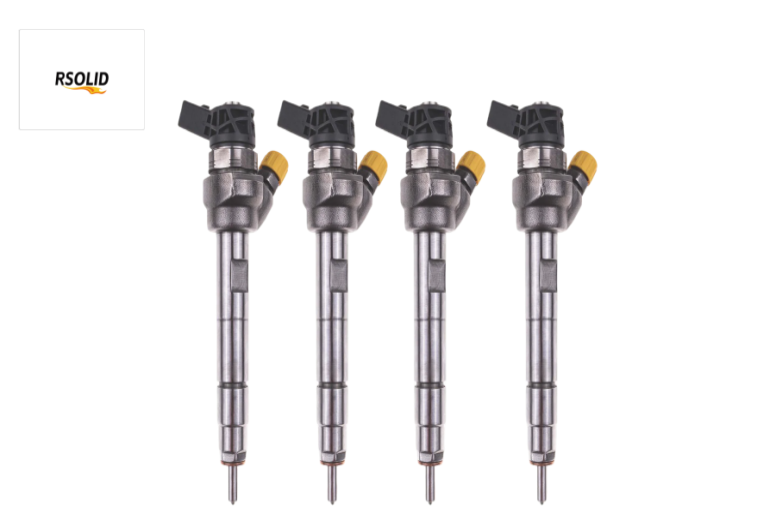
Bad day: The engine experienced insufficient fuel supply and abnormal oil pressure, while the fuel injectors were clogged
Why These Problems Occur Together (The Root Cause)The three issues you described—insufficient fuel supply, abnormal oil pressure, and clogged fuel injectors—are interconnected and typically form a vicious cycle. The primary culprits are usually poor fuel quality and/or engine oil-related problems.
The Chain Reaction:
Root Cause: Poor Quality Fuel/Oil or Mechanical Wear.
Low-grade fuel contains impurities and gums that carbonize under heat, directly leading to injector clogging.
Poor-quality, degraded, or contaminated engine oil loses its lubricity and viscosity, contributing to low oil pressure.
Engine mechanical wear (e.g., worn piston rings) can cause excessive oil consumption ("burning oil"). This unburned oil forms severe carbon deposits, clogging injectors and worsening the situation.
The Cycle:
Clogged fuel injectors → Insufficient or poorly atomized fuel supply → Causes rough idle, loss of power, poor acceleration, and increased fuel consumption.
This inefficient combustion creates more deposits and can lead to higher operating temperatures.
Simultaneously, abnormal oil pressure (too low) means critical engine components (crankshaft, camshaft, bearings) are not properly lubricated. This risks catastrophic engine damage (seized components, scored cylinders).
Problems fuel each other: Deposits from oil burning worsen injector clogs; poor combustion can contaminate engine oil, further reducing its effectiveness.
In summary: This is a serious combination where a fuel delivery problem is happening alongside a potentially catastrophic lubrication problem.
What You Should Do (Action Plan)
This requires immediate professional attention. Do not ignore it.
Step 1: Stop Driving Immediately (Safety First)
Do not drive the car normally, especially under load or at high speeds. Driving with genuinely low oil pressure can destroy your engine in minutes.
If possible, have the vehicle towed to a trusted repair shop. This is the safest course of action.
Step 2: Professional Diagnosis (The Critical Step)
A mechanic must perform a systematic check:
Scan for Trouble Codes: Use an OBD-II scanner to read codes from the Engine Control Unit (ECU) and oil pressure sensor.
Verify True Oil Pressure: Connect a mechanical oil pressure gauge directly to the engine. This confirms if the low pressure is real (mechanical failure) or a faulty sensor/electrical issue.
Inspect Fuel Injectors: Perform a fuel injector balance/leak-down test and/or use a borescope to visually check for deposits. They may need to be removed for ultrasonic cleaning and flow testing.
Check Engine Oil: Inspect the oil level, smell for fuel contamination (which thins oil), and check for excessive metal particles or sludge.
Compression Test / Leak-Down Test: If oil burning is suspected, these tests help assess the health of piston rings and valves.
Step 3: Targeted Repairs (Likely Scenarios)
Based on the diagnosis:
Priority #1: Fix the Oil Pressure Issue
If it's just oil/filter: Replace with high-quality, manufacturer-specified oil and a new filter.
If mechanical (most serious): Repair could involve replacing a faulty oil pump, cleaning a blocked oil pickup tube, or addressing worn engine bearings. This can be costly.
Priority #2: Fix the Fuel Delivery Issue
Clean or Replace Injectors: Professionally ultrasonic clean the injectors and test their flow pattern. Severely clogged injectors must be replaced.
Clean the Fuel System: Replace the fuel filter. Consider a fuel system cleaning service for the tank and lines.
Clean Carbon Deposits: Clean intake valves and combustion chamber deposits (via walnut blasting or chemical cleaning) for a complete fix.
Step 4: Address the Root Cause
Use Top-Tier Fuel: Always use high-quality gasoline from reputable stations to minimize future deposits.
Fix Oil Consumption: If the engine is burning oil (e.g., worn valve seals, piston rings), a more extensive engine overhaul may be necessary to prevent the problem from quickly recurring.
Cost Estimate
Injector cleaning & carbon cleaning: $200 - $800+
Oil and filter change: Standard cost.
Oil pump replacement: $500 - $1,200+ (parts and labor).
Engine overhaul for low oil pressure/oil burning: $2,000 - $4,000+, depending on the engine and damage.
Critical Companion Steps (DO NOT SKIP):
Addressing the clog is only half the job. You must find and fix the root cause:
Fuel Filter: ALWAYS replace the fuel filter(s) when dealing with injector issues. A clogged or failing filter is a prime culprit.
Fuel Quality: Contaminated or poor-quality diesel is a major cause. Stick to reputable stations. Consider using additives regularly if fuel quality is suspect.
Short-Trip Driving: Diesels need to get hot to burn off carbon. Ensure the vehicle is taken on longer, highway drives periodically.
Check for Faulty Components: A failing EGR valve, turbocharger, or oxygen sensor can contribute to excessive carbon buildup.
Summary & Recommendation
For mild symptoms / maintenance: Try a high-quality diesel injector cleaner and replace the fuel filter.
For clear performance loss: Take it to a qualified diesel technician for a balance test and consider a professional fuel system cleaning.
For severe symptoms (misfires, heavy smoke): Plan on removing the injectors for professional ultrasonic cleaning and testing by a diesel injection specialist. Always replace the fuel filter.
If cleaning fails or isn't economical: Replace the injector(s), following manufacturer procedures for coding/calibration.