



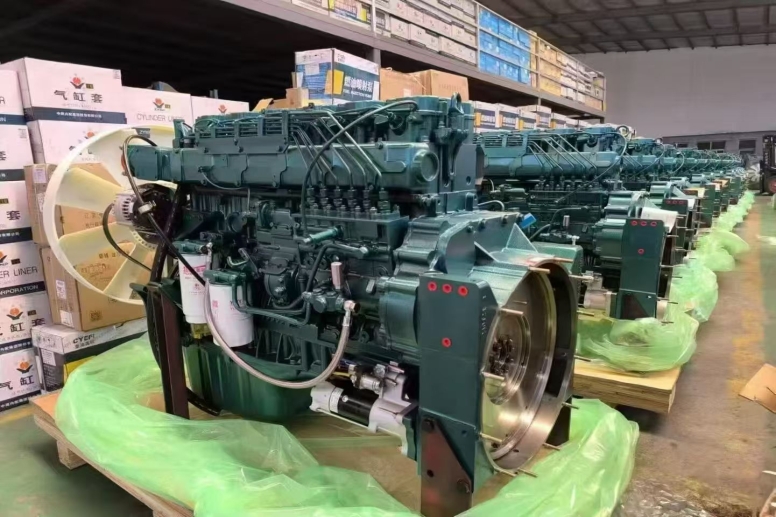
Common Diesel Engine Malfunctions and Preventive Maintenance Recommendations
Common Diesel Engine Malfunctions and Preventive Maintenance Recommendations
Diesel engines are renowned for their durability, fuel efficiency, and high torque output. However, like any precision machine, they are susceptible to specific failures—often due to contamination, heat stress, or neglected service intervals. Understanding these common diesel engine malfunctions and implementing a robust preventive maintenance schedule can save you thousands in repair costs and extend engine life beyond 500,000 miles.
Top 5 Common Diesel Engine Malfunctions
1. Hard Starting or No Start
Symptoms: Extended cranking, white smoke from exhaust, or a complete failure to turn over.
Root Causes:
Failed glow plugs or intake heater
Air intrusion in the fuel lines (leaks allow fuel to drain back to the tank)
Weak battery or corroded cables (diesels require high cranking amps)
2. Black or White Exhaust Smoke
Black Smoke: Indicates incomplete combustion. Common causes include clogged air filters, faulty fuel injectors, or a dirty EGR valve.
White Smoke (at operating temp): Usually points to coolant entering the cylinders (blown head gasket) or retarded injection timing.
3. Loss of Power Under Load
The "Derate" Effect: Modern diesel engines enter "limp mode" when sensors detect abnormal data.
Primary Culprits:
Clogged fuel filters (starving the injection pump)
Stuck turbocharger vanes (VGT turbos)
Failing mass airflow (MAF) sensor
4. High Fuel or Oil Consumption
Fuel Consumption: Often linked to leaking injectors or a faulty injection pump.
Oil Consumption: Blow-by past piston rings or worn turbocharger shaft seals. Excessive oil consumption is a leading indicator of internal wear.
5. Overheating
While gasoline engines overheat suddenly, diesels often overheat gradually due to restricted coolant flow. Watch for:
Collapsed radiator hoses
Failed viscous fan clutch
Cavitation erosion (pitting on cylinder liners caused by improper coolant chemistry)
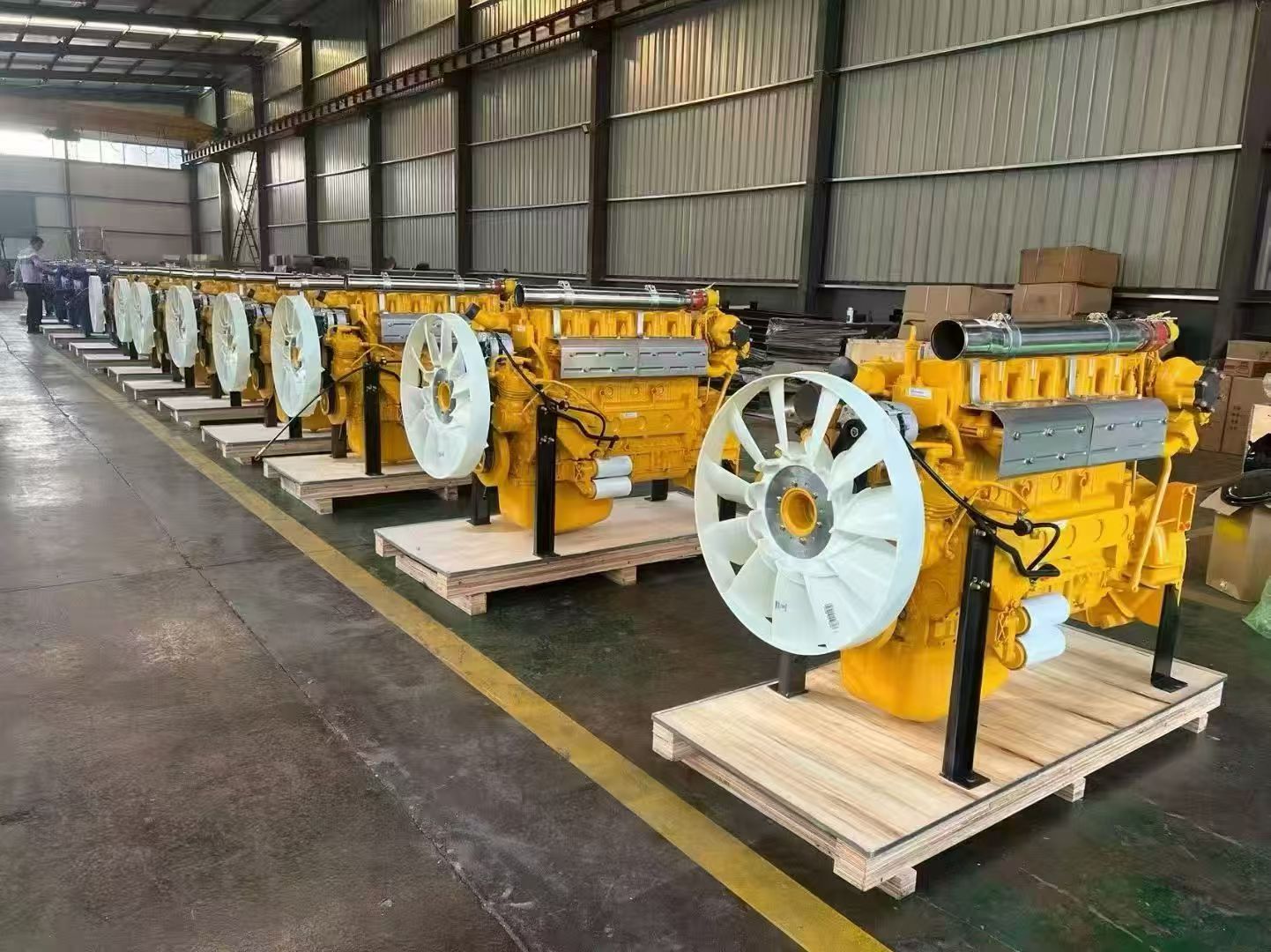
Preventive Maintenance Recommendations
Proactive care is the cheapest insurance against the malfunctions listed above. For commercial fleets and individual owners, follow these data-driven maintenance protocols.
1. Prioritize Fuel System Hygiene (The #1 Rule)
Diesel injection systems operate at 30,000+ PSI. Water and debris are fatal.
Replace fuel filters every 10,000–15,000 miles (or per OEM spec).
Drain the water separator weekly for heavy-use vehicles.
Use premium fuel with a high cetane rating and biocide additive if storing fuel for over 30 days.
2. Execute "The 3 Essential Fluid Checks"
Engine Oil (CK-4/FA-4 grade): Change every 5,000–7,500 miles (severe duty). Diesel soot thickens oil rapidly, leading to bearing failure.
Coolant (SCA supplement): Test coolant monthly for nitrite levels. Diesels need Supplemental Coolant Additives to prevent cylinder liner cavitation.
DEF (Diesel Exhaust Fluid): Never let DEF drop below 10%. Do not store DEF in direct sunlight; it degrades within 12 months.
3. Air Intake and Turbo Care
Inspair filter restriction gauge daily. A clogged air filter increases EGTs (Exhaust Gas Temperatures) and melts pistons.
On turbocharged engines: Idle for 30-60 seconds before shutdown to let the turbo spin down and cool with oil flow. "Hot shutdowns" are the #1 killer of diesel turbos.
4. Electrical System Resilience
Diesels rely on massive electrical loads (glow plugs, ECM, lift pumps).
Load test the battery every autumn (Cold cranking amps drop in winter).
Clean grounds and starter terminals. A 10% voltage drop reduces injector performance by 15%.
5. Listen for "The Golden Hours"
After starting, let the oil pressure stabilize (15–20 seconds) before revving. Once warm, listen for unusual knocking—diesel knock is normal, but a sudden change in pitch often indicates injector failure or piston slap.
Seasonal Maintenance Checklist
| Season | Critical Task |
|---|---|
| Winter | Test glow plugs; Use anti-gel additive in fuel; Check battery CCA rating. |
| Summer | Clean radiator fins; Check fan clutch operation; Inspect all coolant hoses. |
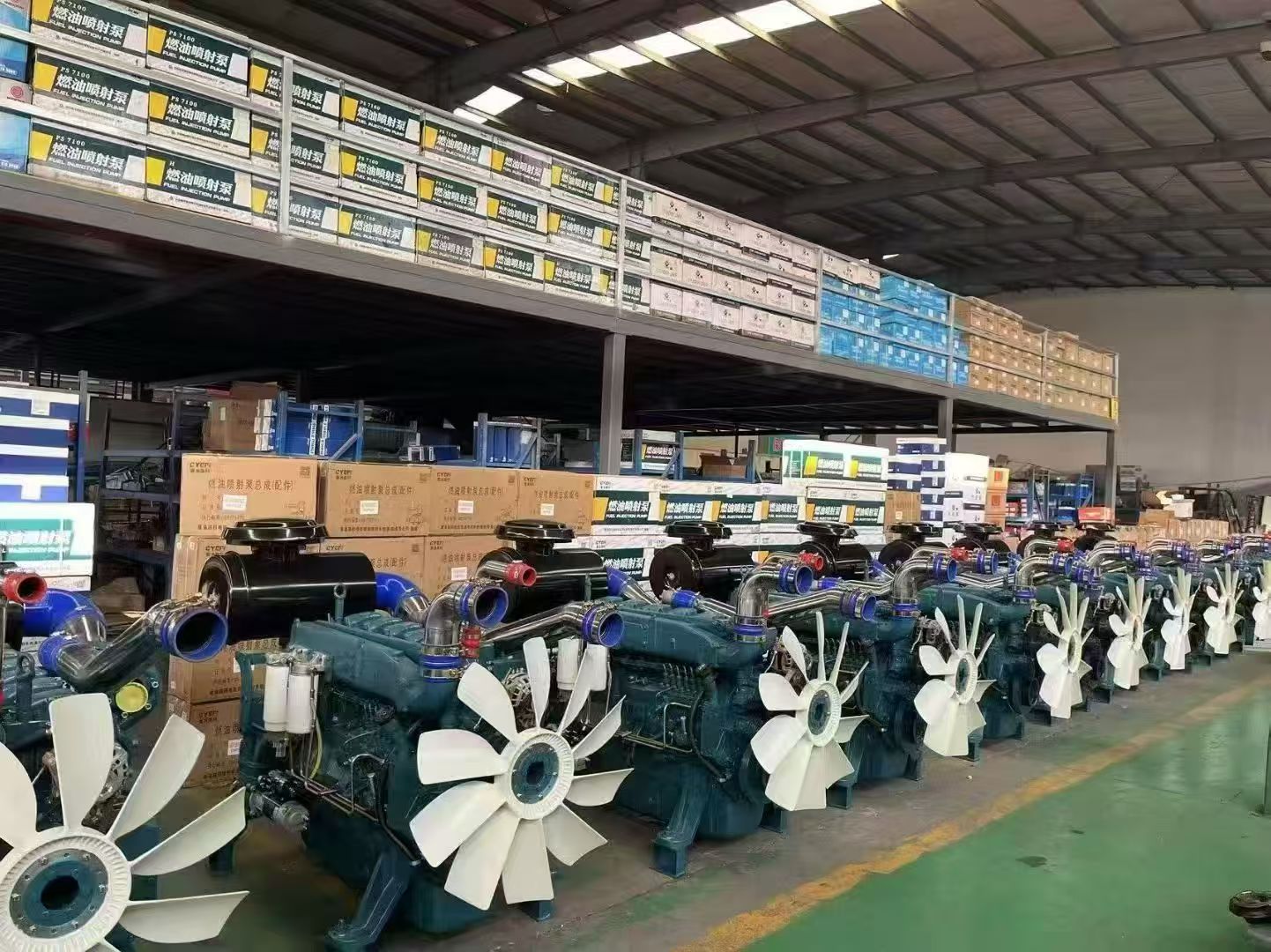
When to Call a Professional
While preventive maintenance is DIY-friendly, seek a diesel specialist immediately if you notice:
Fuel in the engine oil (sign of injector seal failure—risk of runaway engine).
Coolant bubbling in the degas bottle (combustion gases leaking past head gasket).
Metallic flakes in the fuel filter (injection pump is self-destructing).
Conclusion
Diesel engines reward owners who respect their specific needs: clean fuel, proper coolant chemistry, and unrestricted air. By following these preventive maintenance recommendations, you will avoid 80% of common malfunctions. Remember: In the diesel world, ignoring a <math xmlns="http://www.w3.org/1998/Math/MathML">