
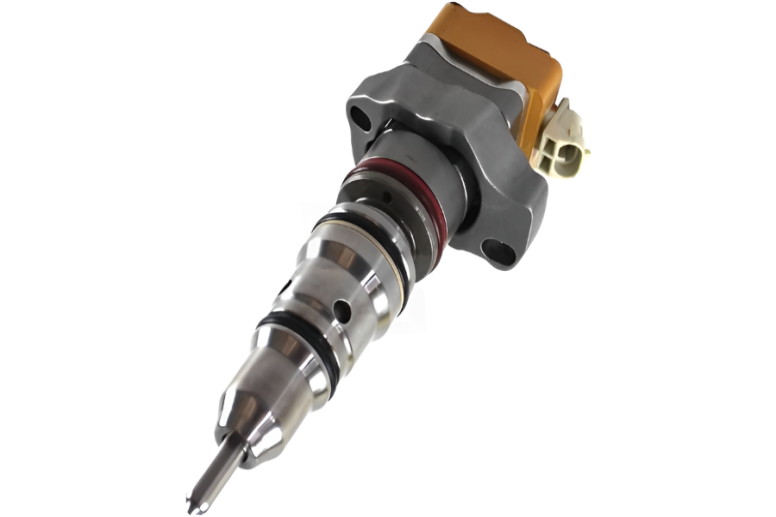
Complete Guide to Fuel Injectors: Categories, Structures, Common Problems, and Professional Maintenance Recommendations
Complete Guide to Fuel Injectors
I. Categories of Fuel Injectors
A. By Fuel Type
Gasoline Injectors
Port Fuel Injectors (PFI): Located in intake manifold
Gasoline Direct Injectors (GDI): Mounted directly in combustion chamber
Dual Injection Systems: Combine PFI and GDI
Diesel Injectors
Conventional Diesel Injectors
Common Rail Diesel Injectors
Unit Injectors
B. By Operating Principle
Electromechanical Injectors
Solenoid-type (most common)
Ball/seat or disc valve designs
Piezoelectric Injectors
Faster response time (up to 4x faster than solenoid)
Multiple injection capability per cycle
Used in advanced diesel and some GDI systems
C. By Control Method
Continuous Injection
Older mechanical systems (K-Jetronic)
Sequential Multiport Injection
Injectors fire in engine firing order
Simultaneous Injection
All injectors fire simultaneously
II. Internal Structures and Components
A. Core Components
Nozzle/Orifice Plate
Micron-level precision holes (typically 4-12 holes)
Hole diameters: 0.08-0.2mm for gasoline, smaller for diesel
Different spray patterns: hollow cone, solid cone, multi-stream
Electromagnetic Coil
Copper windings with high-temperature insulation
Resistance typically 12-16 ohms
Valve Assembly
Needle valve and seat
Precision-machined surfaces (1-2μm clearance)
Filter
Inlet screen (10-20 micron)
Protects from debris
B. Advanced Features in Modern Injectors
Integrated pressure sensors (in some common rail systems)
Temperature compensation circuits
Dual spring designs for multi-stage injection
Laser-drilled nozzles for optimized spray patterns
III. Common Problems and Symptoms
A. Performance Issues
Clogging/Deposits
Symptoms: Rough idle, hesitation, misfires, reduced power
Causes: Carbon buildup, fuel varnish, contaminated fuel
Common in: GDI systems (intake valve deposits), older PFI systems
Leaking Injectors
External leaks: Fuel odor, visible wetness
Internal leaks: Hard starting, rich running, fuel dilution of oil
Drip leaks: Hydro-lock risk, severe misfires
Electrical Failures
Open coil: No injection, cylinder dead
Short circuit: Blown fuse/injector driver
Intermittent connections: Erratic performance
B. Diagnostic Symptoms
Cold Start Problems
Poor Fuel Economy (10-30% reduction)
Failed Emissions Test (high HC, NOx)
Engine Knocking/Pinging (lean condition)
Black/White Smoke (diesel applications)
IV. Professional Maintenance Recommendations
A. Preventive Maintenance
Regular Fuel System Cleaning
Every 30,000-45,000 miles for port injectors
Every 15,000-20,000 miles for GDI systems
Use top-tier detergent gasoline consistently
Filter Replacement
Replace fuel filters per manufacturer schedule
Consider early replacement with contaminated fuel exposure
Professional Inspection
Flow testing: Measure flow rate and pattern
Leak-down testing: Check for internal leaks
Electrical testing: Coil resistance, current draw analysis
B. Cleaning Procedures
On-Vehicle Cleaning
Fuel additive cleaners: For mild deposit issues
Professional induction cleaning: For GDI intake deposits
Ultrasonic cleaning: With injectors removed
Off-Vehicle Cleaning
Ultrasonic baths with specialized solvents
Reverse flushing to clear obstructed nozzles
Micro-sandblasting for severe carbon deposits
C. Replacement Guidelines
When to Replace
Flow variation exceeds 10-15% between injectors
Physical damage to nozzle or body
Unresponsive electrical components
Persistent leaks after cleaning
Installation Best Practices
Always replace seals and o-rings
Use proper torque specifications (typically 15-20 Nm)
Lubricate seals with clean engine oil (not grease)
Prime system before starting to prevent dry operation
D. Special Considerations by System Type
GDI Systems
More prone to carbon deposits on both injector tips and intake valves
Require specialized cleaners and more frequent service
Use low-SAPS oil to reduce combustion chamber deposits
Common Rail Diesel
Extremely high pressures (up to 2,500+ bar)
Zero tolerance for contamination
Never reuse high-pressure seals
Require scan tool adaptation after replacement
Hybrid/Electric Vehicle Injectors
May develop issues from infrequent use
Require regular exercise of fuel system
Special procedures for extended storage
V. Advanced Diagnostics Tools
Professional Equipment
Injector Test Benches: Measure flow rate, pattern, and leakage
Oscilloscopes: Analyze current waveforms for coil health
Infrared Thermography: Detect cold cylinders from faulty injectors
Scan Tools: Read fuel trim data, injector duty cycles, adaptation values
VI. Cost Considerations
Cleaning Service: $100-$300 for full set
Reconditioned Injectors: $100-$250 each
New OEM Injectors: $200-$600 each
Labor for Replacement: 2-4 hours typically
Note: Always use injectors specifically calibrated for your engine. "Coded" injectors require electronic registration with the ECU.
Conclusion
Proper fuel injector maintenance is critical for engine performance, fuel economy, and emissions compliance. Modern direct injection systems require more frequent attention than older port injection designs. When problems occur, professional diagnosis using proper equipment is essential to avoid unnecessary replacement costs. Regular use of quality fuel, timely filter changes, and periodic professional cleaning can extend injector life to 150,000+ miles in many applications.