
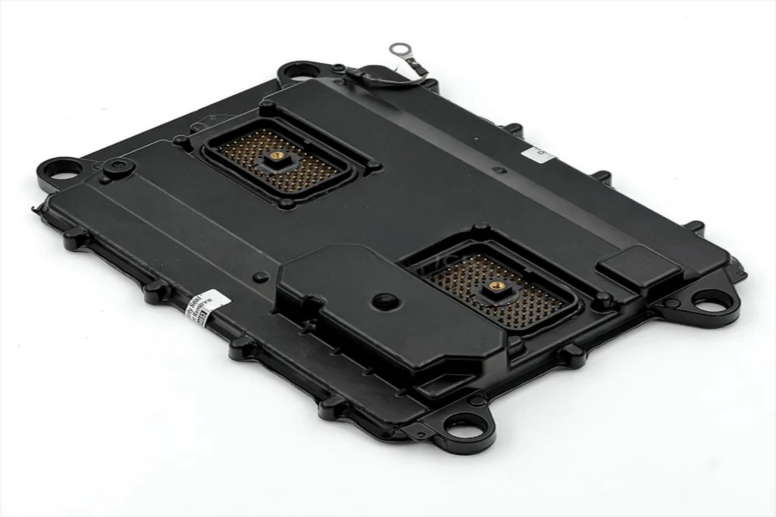
The occurrence of these symptoms in the engine may be a problem with the ECU/ECM
A malfunctioning Engine Control Unit (ECU) or its associated sensors/wiring can cause a wide range of engine symptoms, from subtle to severe. It's important to note that the ECU itself rarely fails; more often, the problem lies with its power supply, ground connections, sensors (inputs), or actuators (outputs).
Here’s a breakdown of common symptoms, diagnostic insights, and potential solutions.
Common Symptoms of ECU/PCM Malfunction or Related Issues
1. Check Engine Light (CEL) & Diagnostic Trouble Codes (DTCs)
Symptoms: Illuminated CEL, sometimes flashing under load. Multiple, seemingly unrelated, or "implausible" fault codes that keep returning after being cleared. Codes for sensors showing "circuit high/low," "signal erratic," or "communication errors."
Cause: ECU receiving no signal, a corrupted signal, or losing communication with sensors/actuators.
2. Engine Performance Problems
Poor Fuel Economy & Rough Idle: ECU miscalculates air/fuel mixture due to faulty sensor data (e.g., MAF, O2 sensors).
Hesitation, Stumbling, or Lack of Power: Incorrect ignition timing or fuel delivery. The engine may feel like it's "missing."
Stalling or Difficulty Starting: ECU fails to adjust idle air control (IAC) or provide correct cranking fuel mixture. May crank but not start, or start and die immediately.
3. Ignition & Fuel System Issues
Misfires on Multiple Cylinders: If misfire codes appear on cylinders that don't share a common coil or injector, the ECU's driver circuits for those components could be faulty.
No Spark or No Fuel Pump Prime: ECU not providing the ground signal to activate the fuel pump relay or ignition coils.
4. Erratic or Uncontrollable Operation
Uncontrollable Revving or Surging: Faulty throttle position sensor (TPS) input or a malfunction in electronic throttle control (ETC) managed by the ECU.
Intermittent Operation: Works fine when cold, then fails when hot (or vice-versa), suggesting an internal ECU component or solder joint failure due to thermal expansion.
5. Transmission Shifting Problems
Harsh, delayed, or missing shifts: In modern cars, the ECU (often called PCM for Powertrain Control Module) also controls the automatic transmission. Internal faults can disrupt shift logic.
6. Complete Failure
Engine Won't Crank/Start, No Communication: The most severe symptom. The ECU is completely dead, often due to a short circuit, water damage, or major power surge. A scan tool will not be able to communicate with the ECU.
Diagnosis: Steps to Isolate the Problem:
Never replace the ECU as a first step! It's expensive and often not the root cause. Follow a systematic diagnostic approach:
Scan for Codes: Use a professional-grade OBD-II scanner (not just a basic code reader) to retrieve all stored codes (permanent, pending, history). Note the specific code definitions.
Check TSBs: Search for Technical Service Bulletins for your specific make, model, and year. Known ECU software glitches or failures are often documented by manufacturers.
Inspect Basics First (The ECU's Environment):
Battery & Voltage: Check battery health and alternator output. Low voltage is a prime suspect for erratic ECU behavior.
Power & Grounds: Locate the ECU's power supply relays and fuses. Inspect and test them. Corroded, loose, or damaged ground connections are extremely common culprits. Clean and tighten all major engine and chassis grounds.
Physical Inspection: Locate the ECU (often in the engine bay, under dash, or behind kick panels). Look for signs of water damage, corrosion, burnt smells, or damaged connectors.
Check Inputs (Sensors): Before blaming the ECU, verify the data it's receiving. Use a multimeter or oscilloscope to test key sensors (e.g., Crank Position Sensor, Cam Sensor, MAF) for proper voltage, resistance, and signal.
Check Outputs (Actuators): Verify that components like fuel injectors and ignition coils are receiving the correct signal from the ECU. A "noid light" or lab scope can help here.
Consider Signal Integrity: Check wiring harnesses for chafing, rodent damage, or pinched wires that could cause shorts or open circuits.
ECU Integrity Tests:
Flash/Reprogram: If software is corrupt, a dealer or specialist can attempt to re-flash the ECU with the latest firmware.
Component Test: Some advanced diagnostics can test internal ECU driver circuits.
Swap/Bench Test: In some cases, swapping with a known-good ECU (ensuring it's compatible/security matched) can confirm the fault. Specialists can also perform bench tests on a removed ECU.
Solutions & Repairs:
| Root Cause | Possible Solution | Notes |
|---|---|---|
| Blown Fuse / Bad Relay | Replace fuse or relay. | Always find and fix the short that caused the fuse to blow. |
| Poor Ground / Corrosion | Clean, repair, and secure all ground connections. | A highly effective and low-cost fix for many weird electrical issues. |
| Faulty Sensor (Input) | Replace the malfunctioning sensor (e.g., Crank Sensor, TPS). | Clears the bad data the ECU was acting on. |
| Damaged Wiring Harness | Repair or replace damaged wiring/sections. | Pay special attention to areas near heat sources or moving parts. |
| Software Corruption | Re-flash/Reprogram the ECU with updated software. | Done by a dealer or specialized auto programmer. |
| Internal ECU Damage | 1. ECU Repair/Refurbishment: Send to a specialized ECU repair service. 2. ECU Replacement: Requires new ECU + Programming + Security Matching (Immobilizer, VIN, keys). | Repair is often 1/3 the cost of a new unit. Replacement is complex and dealer/ specialist-dependent. |
| Water/Physical Damage | Repair or replacement. If repaired, must address the moisture source to prevent recurrence. |
Important Considerations for Replacement/Repair
Programming & Immobilizer: Modern ECUs are married to the car's immobilizer system, instrument cluster, and other control modules. A new/replacement ECU must be professionally programmed and security-matched. This is not a simple plug-and-play operation.
Used ECUs: Can be a cost-effective option, but they must come from a compatible vehicle (same make, model, engine, transmission, and often production year range) and will still require full programming.
Professional Help: Due to the complexity and security features, diagnosis and replacement of an ECU is a job best suited for experienced mechanics, dealerships, or dedicated automotive electronics specialists.