
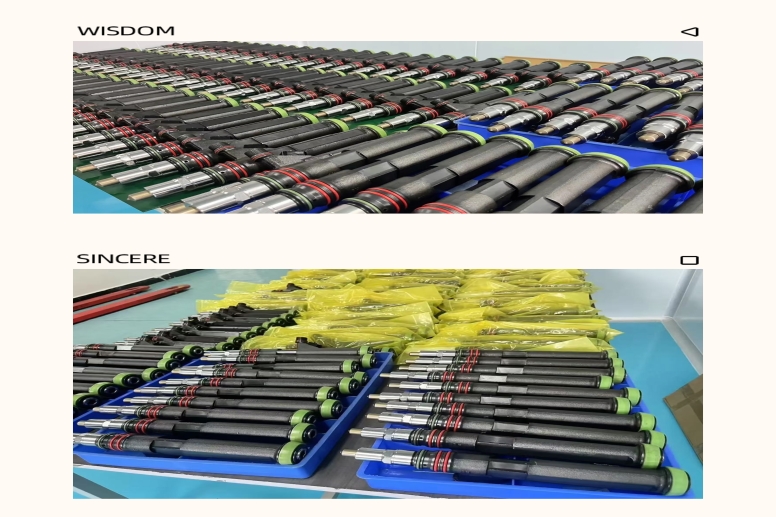
The workflow, precautions, and installation points for repairing MTU diesel injectors
Repairing MTU diesel injectors is a precision task requiring strict adherence to procedures. Here is a comprehensive guide covering the workflow, precautions, and installation points.
I. Workflow for Repairing MTU Diesel Injectors
A systematic, clean, and documented approach is critical.
Phase 1: Removal & Initial Inspection
Preparation: Obtain the technical manual for the specific MTU engine series (e.g., Series 2000, 4000). Gather clean tools and containers.
Safe Removal: Depressurize the fuel system. Clean the injector and surrounding area thoroughly before disconnection. Label each injector with its cylinder number.
External Inspection: Check for obvious damage: carbon buildup, cracked body, damaged electrical connector (for electronic units), or stripped threads.
Phase 2: Disassembly & Cleaning
4. Disassembly in a Clean Room: Perform all subsequent steps in a dust-free environment. Use a dedicated injector test bench and disassembly tooling. Follow the manufacturer's sequence to avoid damage.
5. Component Segregation: Place all disassembled parts (nozzle, needle valve, pressure spring, shims, solenoid valve, etc.) in an organized tray, keeping them per injector.
6. Ultrasonic Cleaning: Clean all metal parts in a specialized ultrasonic cleaner using approved solvent. Remove all carbon deposits and varnish. Never clean the solenoid or piezoelectric actuator ultrasonically unless explicitly specified by MTU. Clean these with approved electrical contact cleaner only.
7. Rinsing & Drying: Rinse components with clean, filtered diesel or isopropyl alcohol. Dry with oil-free, lint-free air. Do not wipe precision surfaces with cloth.
Phase 3: Detailed Inspection & Measurement
8. Visual Inspection (Magnified):
* Nozzle & Needle Valve: Check for scoring, wear patterns (on the guide and seat), pitting, and cavitation erosion. The sealing surface ("seat") must be perfect.
* Spray Holes: Use a microscope to inspect for coking, erosion, or blockage.
* Body & Other Parts: Check for cracks, wear, and spring fatigue.
9. Dimensional & Functional Checks:
* Use micrometers and dial gauges to check critical dimensions per MTU specifications.
* Perform a leak-off test on the nozzle to check the guide clearance.
* Check the cracking pressure of the nozzle on a test bench.
* For electronic injectors, check the solenoid coil resistance or perform a dynamic response test on a capable bench.
Phase 4: Replacement & Reassembly
10. Parts Replacement: Always replace the nozzle as a matched set (nozzle and needle valve). Replace all seals, O-rings, and gaskets with genuine MTU kits. Replace any part not meeting specification.
11. Precision Reassembly: Assemble in the reverse order of disassembly, following the manual's torque sequences and values precisely. Use alignment tools where specified. Lubricate sealing surfaces and threads with clean diesel fuel only.
Phase 5: Testing & Calibration
12. Bench Testing on an Injector Tester: This is mandatory.
* Cracking Pressure & Chatter: Verify opening pressure and listen for a sharp, crisp "chatter" sound, indicating proper needle movement.
* Seating Test: Check for drips after injection. Any leakage fails the injector.
* Spray Pattern: Visualize the pattern. It must be symmetrical, conical, and finely atomized without stray streams.
* Electronic Function Test (if applicable): Verify solenoid operation, response time, and, if possible, perform a flow rate calibration at different pulse widths.
Phase 6: Final Installation
13. Preparation for Installation: Install new cylinder head copper gaskets/sealing rings. Ensure the injector bore in the cylinder head is impeccably clean.
14. Installation: Insert the injector carefully without dropping it. Hand-tighten retaining nuts or bolts.
15. Torquing: Follow the exact two-stage torque and angle specification from MTU (e.g., torque to X Nm, then tighten an additional Y degrees). This is critical for proper sealing and clamping force.
16. Reconnection: Connect high-pressure fuel lines and electrical connectors. Follow torque specs for fuel line nuts.
Phase 7: Post-Installation
17. Bleeding the System: Prime the low-pressure and high-pressure fuel systems to remove air.
18. Start-up & Monitoring: Start the engine and check for leaks. Use the engine's diagnostic system to perform an injector cut-out test or cylinder balance test to ensure all cylinders are firing evenly. Check for abnormal smoke or noise.
19. Documentation: Record the injector serial numbers, cylinder positions, and test results for maintenance history.
II. Critical Precautions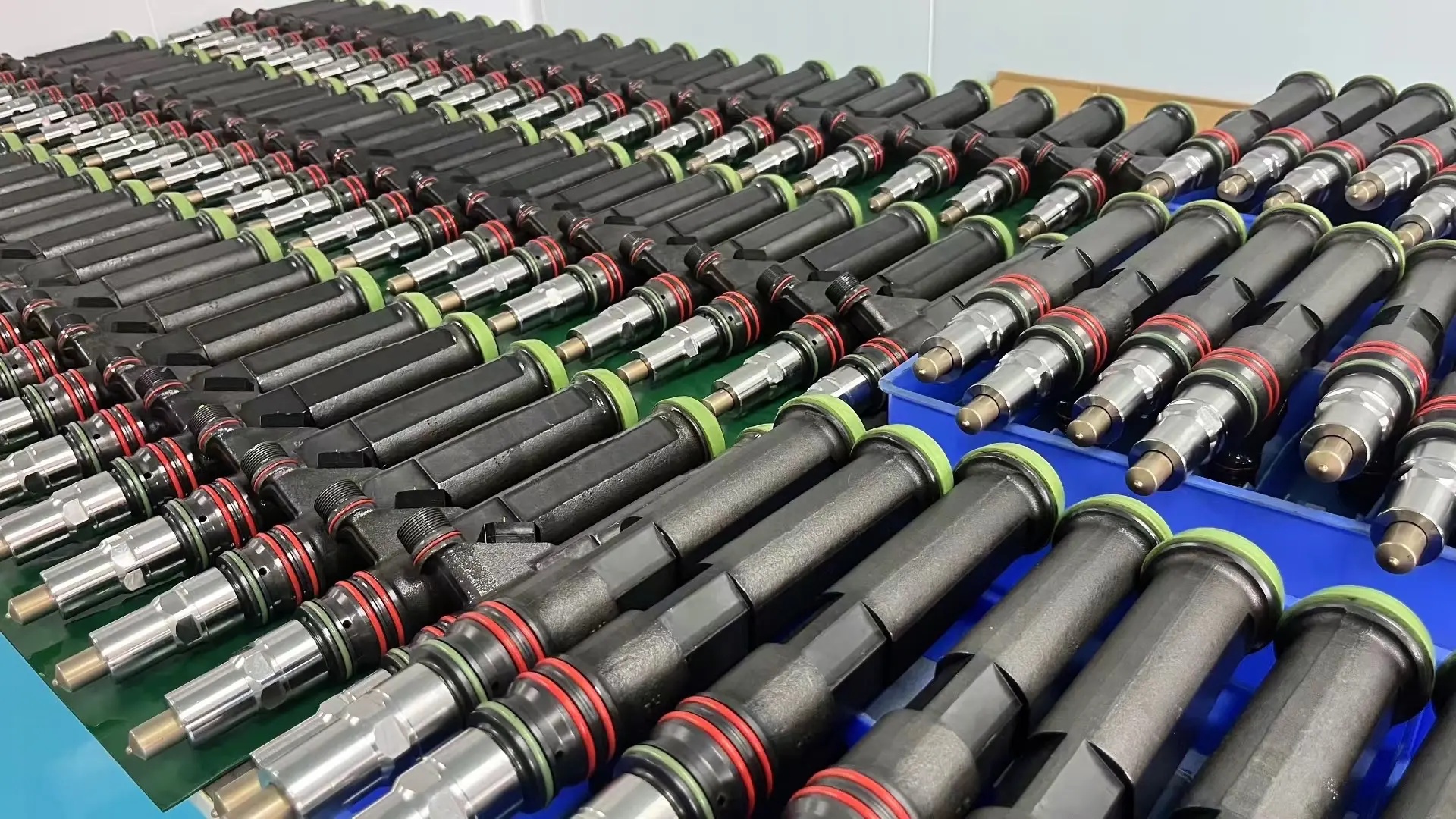
Cleanliness is Paramount: A single particle of dirt can destroy a new nozzle. Work in a clean area. "Hospital-clean" standards apply.
No Mixing of Parts: Components from different injectors are not interchangeable. Keep them strictly separated.
Proper Tooling: Never use adjustable wrenches or pliers on precision parts. Use dedicated sleeve wrenches, torque wrenches, and assembly fixtures.
Nozzle Handling: Never touch the polished surface of the needle valve or the interior of the nozzle. Skin acids cause corrosion.
Solenoid/Piezo Care: Protect electronic components from impact, moisture, and inappropriate cleaning fluids. Store them in a static-safe bag.
Torque Specifications: Never guess. Over-torquing can distort the injector body; under-torquing can cause leakage and burning of the sealing gasket.
Bench Test is Non-Negotiable: An injector should never be installed without being validated on a calibrated test bench.
III. Key Installation Points
Sealing Surfaces: The conical seat in the cylinder head and the matching seat on the injector must be flawless. Any carbon residue will cause combustion gas leakage and overheating, leading to injector failure.
Sealing Gasket/Ring: Always use a new, correct part number copper gasket or sealing ring. This seal is crucial for heat transfer and combustion sealing.
Thread Care: Ensure the threads in the cylinder head and on the injector are clean and undamaged. Use a thread chaser if needed, but avoid getting debris into the cylinder.
Alignment: When inserting the injector, ensure it seats straight into the bore. Do not force it if it binds.
Fuel Line Connections: Tighten high-pressure line nuts to the specified torque in the correct sequence. Overtightening can damage the injector's internal fuel gallery or the line itself.
Final System Check: After start-up, monitor engine parameters closely. Use infrared thermometers to check exhaust manifold runner temperatures for uniformity as a quick indicator of proper injector function.
Disclaimer: This guide is for informational purposes. The official MTU Service Manual for your specific engine model and serial number is the ultimate authority and must be consulted for all procedures, specifications, and safety warnings. Injector repair is a specialized skill; if in doubt, entrust the task to a certified MTU service technician.