



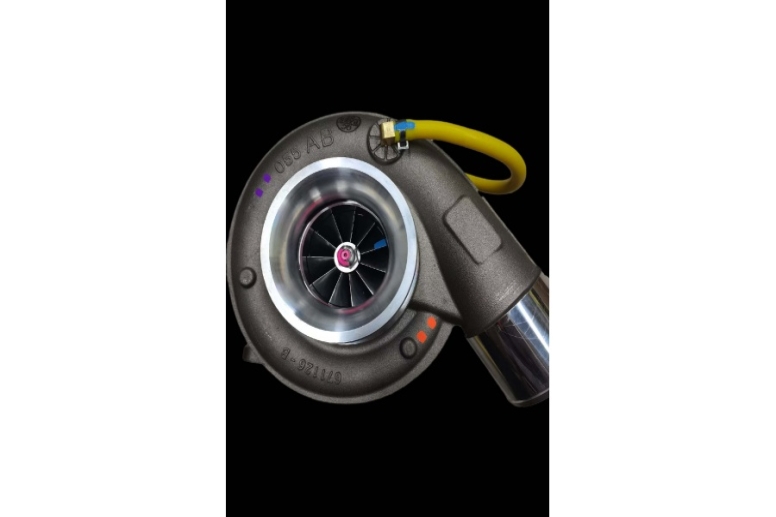
Turbocharger Showdown: Quality vs. Cheap – Plus Common Failures and Smart Replacement Tips
Discover the critical differences between premium and budget turbochargers, learn the most common turbo failures, and get expert installation and replacement advice to protect your engine and wallet.
Introduction: The Heart of Forced Induction
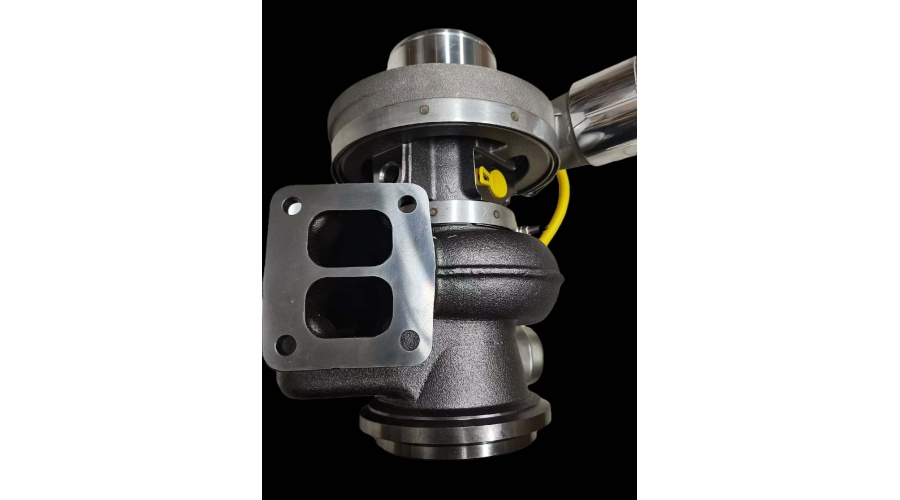
Your turbocharger is the unsung hero of modern performance. It crams more air into your cylinders, unleashing extra horsepower and torque while improving fuel efficiency—when it works right. But not all turbos are created equal. And when they fail, the repair bill can skyrocket.
In this guide, we’ll break down:
What separates a high‑quality turbo from a cheap knock‑off.
The most frequent turbocharger faults (and their warning signs).
Proven installation and replacement strategies to extend turbo life.
Whether you’re a DIY mechanic or a shop owner, this is your roadmap to making the right choice—and avoiding costly mistakes.
1. High‑Quality vs. Cheap Turbochargers: The Real Difference
At first glance, two turbos may look identical. But beneath the housing, the engineering tells a completely different story.
Materials & Metallurgy
Premium turbos use high‑grade stainless steel or Inconel turbine wheels, cast‑iron housings with precise wall thickness, and dual‑ceramic ball bearings. These materials withstand extreme EGTs (exhaust gas temperatures) up to 1,050°C without warping or cracking.
Cheap turbos often rely on low‑carbon steel wheels, thin castings, and plain brass bushings. They degrade faster under heat cycling, leading to shaft play, seal failure, and even wheel fragmentation—which sends metal shrapnel straight into your engine.
Balancing & Tolerance
A quality turbo is dynamically balanced to within 0.1‑gram accuracy on both the compressor and turbine wheels. This ensures smooth spooling, minimal vibration, and bearing life of 150,000+ miles.
Budget units often skip final balancing or use single‑plane static balancing. The result? Whining noises, oil leakage, and premature bearing wear within 10,000–20,000 miles.
Actuator & Wastegate Precision
Premium brands (Garrett, BorgWarner, Mitsubishi) calibrate wastegate actuators with exact spring rates and vacuum response curves. This gives you consistent boost pressure without spikes or droop.
Economical clones have inconsistent actuator settings—overboosting can trigger limp mode or blow head gaskets; underboosting robs you of power and fuel economy.
Oil Seals & Thrust Bearings
High‑end turbos feature labyrinth‑style oil seals with PTFE coating, paired with robust thrust collars that handle sudden throttle changes.
Cheap units use rudimentary rubber O‑rings and thin thrust washers. They leak oil into the intake or exhaust, creating blue smoke and carbon fouling.
The Bottom Line
A cheap turbo may cost 60% less upfront, but when you factor in premature failure, towing costs, and potential engine damage, the total cost of ownership is often higher than buying quality from day one.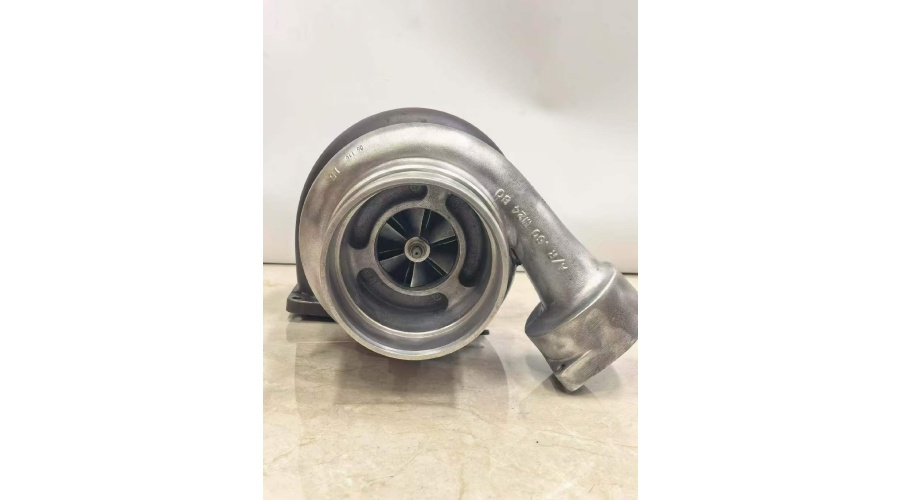
2. Common Turbocharger Failures – What to Watch For
Even the best turbos can fail. Recognizing symptoms early saves you thousands.
⚠️ Failure #1: Oil Starvation / Coking
Cause: Infrequent oil changes, using low‑grade oil, or shutting down the engine immediately after hard driving. Hot oil cooks inside the bearing housing, forming hard carbon deposits (coking) that block oil passages.
Signs: Whining or grinding noise at idle, intermittent boost, and increased oil consumption.
Prevention: Use full‑synthetic oil meeting API SP or ACEA C3, and let the engine idle for 30‑60 seconds after spirited driving to cool the turbo.
⚠️ Failure #2: Shaft Play & Bearing Wear
Cause: Contaminated oil (dirt, metal particles) or poor balancing erodes the journal or ball bearings. Excessive radial and axial play allows the wheels to touch the housings.
Signs: A “siren” or “scraping” sound under acceleration, visible oil in the charge pipes, and boost fluctuation.
Diagnosis: With the engine off, gently push the compressor wheel sideways—over 0.5mm of movement means danger.
⚠️ Failure #3: Boost Leaks & Wastegate Sticking
Cause: Deteriorated silicone hoses, cracked intercooler pipes, or a rusty wastegate flap that fails to close fully.
Signs: Loss of power above 3,000 RPM, black smoke (over‑fueling), and a check engine light with P0299 (underboost) or P0234 (overboost) codes.
Fix: Boost leak tester and visual inspection of all vacuum lines.
⚠️ Failure #4: Compressor Surge
Cause: A mismatched turbo (too large) or a faulty blow‑off valve that doesn’t release pressure when the throttle closes. The compressed air backs up and stalls the compressor wheel.
Signs: Rapid “chuffing” or “flutter” sounds on lift‑off, accompanied by jerky acceleration.
Effect: Repeated surge fatigues the shaft and can snap it in extreme cases.
⚠️ Failure #5: Foreign Object Damage (FOD)
Cause: Dirt passing through a dirty air filter, or loose bolts/nuts from a previous repair. Even small particles erode the aluminium compressor blades.
Signs: Noticeable loss of boost and a high‑pitched whistle that changes with RPM.
Prevention: Always use OEM‑grade air filters and inspect the intake tract during installation.
 3. Installation & Replacement – Best Practices for Longevity
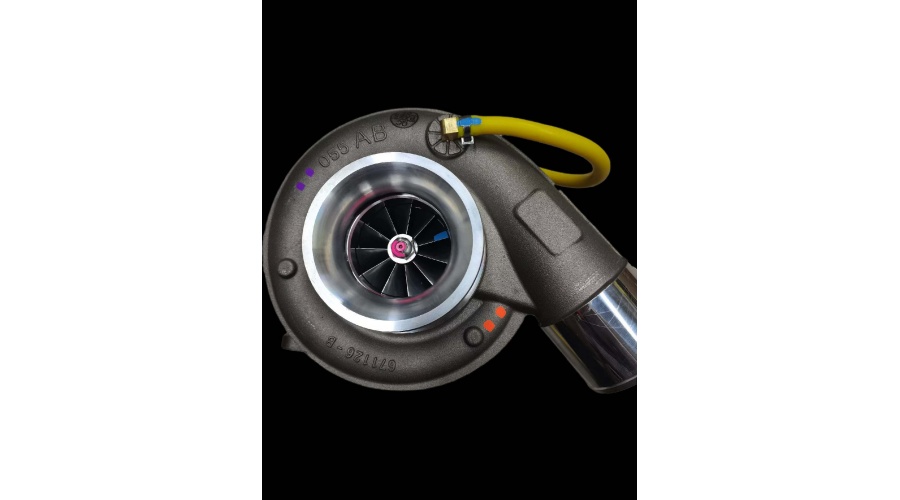
Replacing a turbo is not a “bolt‑on and go” job. Follow these professional steps to avoid repeating the failure.
Before You Install
Prime the oil system: Disable the fuel pump or ignition, then crank the engine for 10‑15 seconds until the oil pressure light goes off. This fills the turbo bearing housing before first fire‑up.
Replace all oil feed and drain lines: Old lines carry sludge and metal debris from the failed turbo. Flushing them is not enough—install new OE‑style lines.
Check the oil cooler and pan: If the old turbo suffered catastrophic bearing failure, drop the oil pan and clean out metal shavings. Otherwise, they’ll ruin your new unit within 100 miles.
Upgrade the oil filter: Use a high‑efficiency filter with a bypass valve rated for turbo applications (e.g., Bosch DistancePlus or Wix XP).
During Installation
Torque everything to spec: Over‑tightening the manifold studs or the center housing bolts distorts the bearing bore. Always use a torque wrench and fresh locking nuts.
Use anti‑seize on exhaust hardware: This ensures you can remove the turbo later without breaking studs.
Set the wastegate actuator rod correctly: Adjust pre‑load according to the manufacturer’s specification (usually 3‑5 mm of rod travel). Improper pre‑load causes overboost or sluggish spool.
Clean all charge air pipes: Remove oil residue and carbon deposits with brake cleaner—this prevents contamination of the intercooler and throttle body.
Post‑Installation Break‑In
First 50 miles: Drive gently, keeping boost below 0.5 bar (7 psi). Vary engine speed but avoid full throttle.
Change the engine oil and filter after the first 500 miles—this flushes out any assembly lube and seating wear particles.
Inspect for leaks: Check the oil return for drips and listen for unusual noises during cold starts.
Pro Tip – ECU Tune Adjustment
If you upgraded to a larger or more efficient turbo, your stock ECU maps may not compensate. A custom remap ensures proper air‑fuel ratios and ignition timing, preventing detonation and EGT spikes.
Final Verdict: Invest Wisely, Maintain Religiously
| Factor | Premium Turbo | Cheap Turbo |
|---|---|---|
| Initial cost | $$$ | $ |
| Expected lifespan | 100k–150k miles | 20k–40k miles |
| Risk of engine damage | Low (if installed correctly) | High (wheel breakage, oil starvation) |
| Warranty | Often 12–24 months | Usually 90 days or none |
| Resale value | Adds credibility | Raises red flags |
Our recommendation: Choose a turbo from an established brand with a proven warranty. Pair it with fresh oil lines, a meticulous installation, and a break‑in routine. That combo delivers reliable boost for years—and keeps your engine smiling.
 Frequently Asked Questions
Q: Can I rebuild a cheap turbo instead of replacing it?
A: Rebuilding is possible if the core (shaft and wheels) is undamaged. However, cheap cores often have sub‑standard replacement parts available—opt for a genuine rebuild kit from the OEM.
Q: How often should I change my turbo oil?
A: Every 5,000–7,500 miles with full‑synthetic oil, or as per your vehicle manufacturer’s severe‑service schedule.
Q: What’s the labour time for a turbo swap?
A: Typically 4–8 hours for a RWD/AWD vehicle, more for transverse V6 engines. Always factor in new gaskets, studs, and coolant (if water‑cooled).