



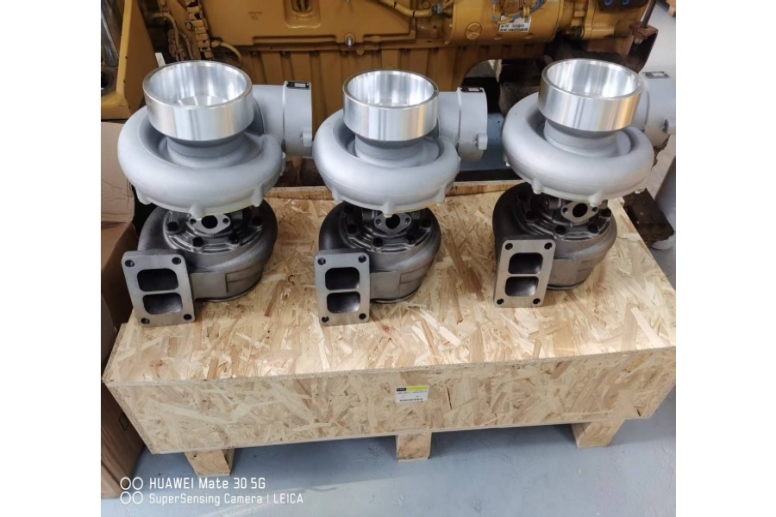
49181-05220 Turbocharger for Mitsubishi S12A2 Marine Engine – Performance, Reliability, and Smart Replacement Guide
When it comes to heavy-duty marine propulsion, the Mitsubishi S12A2 engine is a trusted workhorse. At the heart of its power delivery lies the turbocharger—and the 49181-05220 genuine-spec unit is the direct-fit upgrade that keeps your vessel running at peak efficiency. Whether you are a fleet manager, marine engineer, or independent mechanic, understanding the engineering, fitment, failure signs, and replacement best practices for this turbocharger saves downtime and protects your investment.
1. Engineered for Tough Seas – Structural Advantages of the 49181-05220 Turbocharger
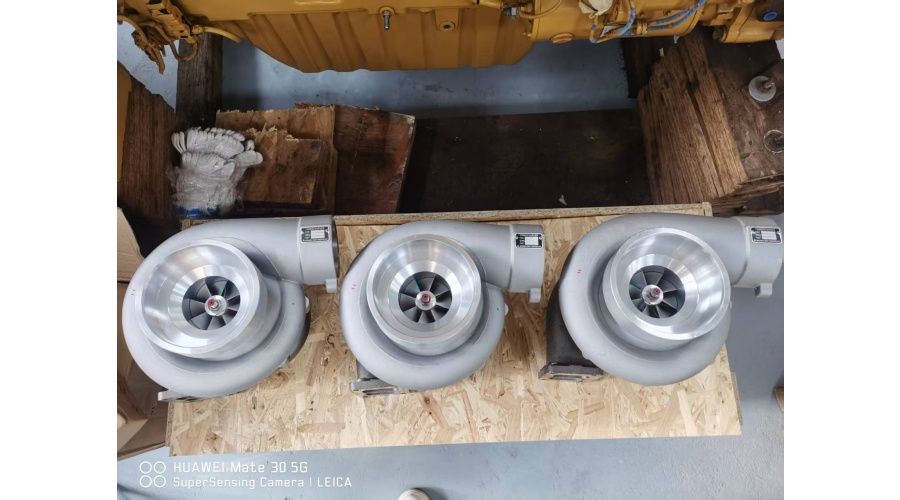
The 49181-05220 is not a generic aftermarket copy; it is designed to match Mitsubishi’s original performance parameters with several structural enhancements that withstand continuous high-load marine operation.
High-Temperature Nickel-Alloy Turbine Wheel – Cast with precision balancing to endure exhaust gas temperatures exceeding 750°C. The improved creep resistance reduces blade fatigue, even during prolonged WOT (wide-open throttle) runs.
Dual-Sealed Bearing Housing – Features a stepped labyrinth oil seal combined with a Teflon-coated piston ring on the compressor side. This dual-containment design minimizes oil migration into the intake or exhaust, a common failure point in older single-seal designs.
Reinforced Center Housing with Integrated Cooling Channels – The water-cooled bearing housing (optional on certain variants) and optimized oil galleries ensure stable lubrication under extreme pitch and roll conditions. The housing itself uses high-ductile cast iron (GGG-40) to resist thermal shock and saltwater corrosion when properly coated.
Aerodynamic Compressor Wheel – The 7+7 splitter blade geometry improves surge margin by 15% compared to conventional 6+6 designs. This translates to smoother boost delivery across the RPM range, faster throttle response, and lower smoke emissions during cold starts.
Precision-Balanced Rotating Assembly – Each unit is VSR (Vibration Spectrum Rating) balanced to ISO 1940 G2.5 grade, ensuring vibration-free operation up to 120,000 RPM. This extends bearing life and reduces noise, a critical factor for crew comfort and neighbouring vessels.
These structural choices make the 49181-05220 a robust, long-life component that handles the cyclic thermal loads of fishing trawlers, cargo ships, and pleasure yachts alike.
2. Exact Fitment – Which Engines and Vessels Use the 49181-05220?
This turbocharger is purpose-built for the Mitsubishi S12A2 series – a 12-cylinder, 4-stroke, water-cooled diesel engine widely used in marine propulsion and auxiliary power. Key applications include:
Primary Marine Propulsion:
Fishing vessels (purse seiners, trawlers)
Coastal cargo and Ro-Ro ships
Tugboats and workboats
Ferries and passenger craft
Pleasure yachts with S12A2-MPTA / MPTK variants
Auxiliary / Gen-set Duty:
S12A2-PTA driving 300–600 kWe generators
Emergency fire-pump diesel sets
Cross-reference part numbers: 49181-05220 is interchangeable with Mitsubishi OEM part 49181-05220 and commonly replaces older numbers like 49181-05210, 49181-05200, and 49181-05100 (always verify gasket kit compatibility).
Important: While physically similar to some S6A or S12R turbos, the AR ratio and wastegate calibration are S12A2-specific. Using a non-matched unit will cause over-boost or low-boost issues—always confirm your engine serial number prefix (e.g., 8Bxxx, 9Cxxx) before ordering.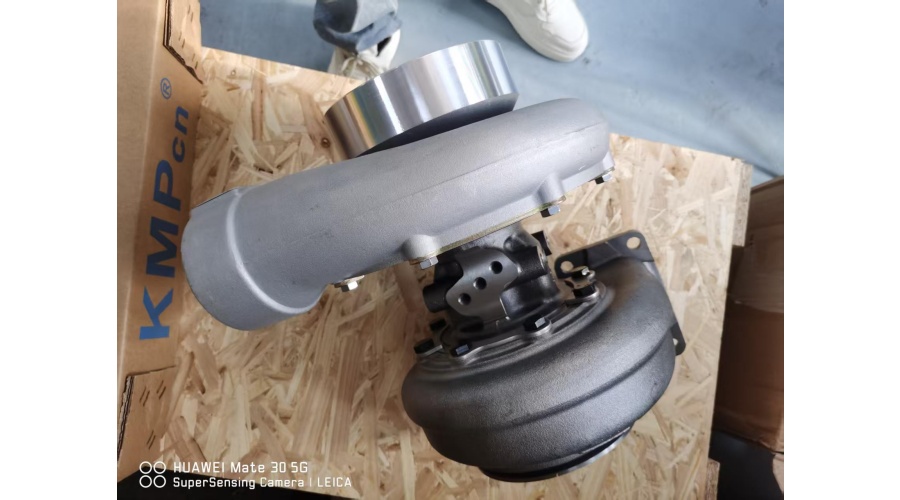
3. Common Failure Modes & Professional Installation/Replacement Advice
Even the best turbocharger can fail if neglected. Here are the top five failure patterns seen in the S12A2 and how to address them:
| Symptom | Likely Cause | Recommended Action |
|---|---|---|
| Loss of boost / black smoke | Clogged compressor inlet (salt crystals, debris) or worn turbine nozzle ring | Inspect air filter and charge-air cooler; measure boost pressure at full load. If below 2.5 bar, replace turbo. |
| Excessive oil consumption / blue smoke | Failed piston-ring seal on turbine side or worn journal bearings | Check crankcase pressure; if positive, inspect PCV system. Replace turbo with new oil feed and drain gaskets. |
| High-pitched whine / grinding noise | Bearing cage fatigue or foreign object damage (FOD) to compressor wheel | Immediately stop engine—metal particles can destroy cylinders. Remove turbo and inspect both wheels; replace complete assembly. |
| Boost surging (rapid fluctuation) | Mismatched actuator setting or sticking wastegate (if equipped) | Calibrate actuator stroke (15–18 mm at 4.0 bar). If sticky, clean linkage; if unresolved, swap actuator or turbo. |
| External oil leaks at centre housing | Cracked O-ring or warped sealing face due to over-torquing | Use new OEM-spec gaskets; torque centre housing bolts to 45–50 N·m in a cross pattern. |
Installation best practices (do’s and don’ts):
✅ Do replace the oil filter, engine oil, and flush the oil supply line before fitting the new turbo. Old carbon deposits will destroy new bearings within 50 hours.
✅ Do pre-fill the centre housing with clean SAE 40 marine-grade oil through the top port before connecting the oil feed—dry start is the #1 killer.
✅ Do use new copper crush washers and O-rings for water/oil connections. Reusing old seals invites leaks.
✅ Do run a no-load idle for 3–5 minutes after first start, then increase to 1500 RPM for 2 minutes to verify boost and temperature.
❌ Don’t over-tighten the V-band clamp (max 12 N·m)—deformation causes exhaust gas recirculation leaks.
❌ Don’t use Teflon tape on banjo bolts—fibres can block the oil jet. Use liquid sealant sparingly.
❌ Don’t ignore the charge-air cooler—clean it simultaneously; a 20% pressure drop across a dirty cooler can mimic turbo failure.
Replacement interval: In commercial marine duty, we recommend a thorough inspection every 2,500 running hours and proactive replacement at 6,000–8,000 hours, or sooner if any of the above signs appear.
4. Why Choose Rsolid Engine Parts – Your Trusted Marine Turbo Supplier
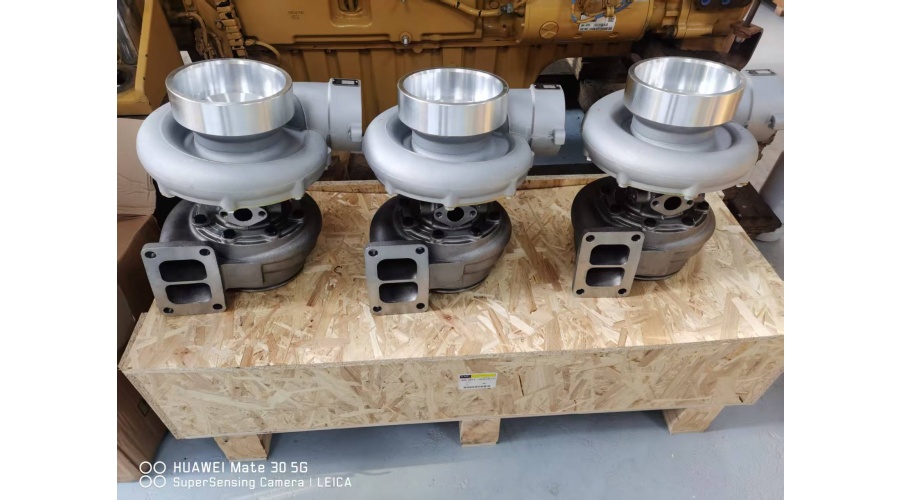
With countless sellers offering “compatible” turbos, Rsolid Engine Parts stands out through engineering transparency, rigorous quality control, and customer-first logistics.
Genuine-Grade Manufacturing – Every 49181-05220 unit is produced in an IATF 16949-certified facility, with raw material certificates (EN 10204 3.1) available upon request. We do not sell refurbished or “rebuilt” cores—only brand-new, factory-balanced assemblies.
100% Tested Before Shipping – Each turbo undergoes a hot-gas test bench simulation at four load points (idle, cruise, rated, and overspeed) to confirm boost pressure, oil pressure differential, and vibration signature. We provide a test report with every order.
OEM Interchangeability – Our parts match Mitsubishi’s dimensional and metallurgical specs exactly. No grinding, shimming, or adapter plates required—true bolt-on replacement.
Stock & Fast Dispatch – With a dedicated marine warehouse, we maintain deep inventory of the 49181-05220 and related gasket kits, oil pipes, and actuators. Most orders ship within 24 hours via DHL/ FedEx priority, with tracking to major ports worldwide.
Technical Support You Can Rely On – Our in-house engineers (former Mitsubishi service technicians) provide remote installation guidance, torque specs, and trouble-shooting via WhatsApp or email—even on weekends.
Competitive Pricing + Volume Discounts – Fleet operators benefit from tiered pricing and consignment stock options. We also offer a 12-month / 2,000-hour warranty against manufacturing defects, with hassle-free replacement.
Ready to secure your S12A2 engine’s performance?
Contact Rsolid Engine Parts today for a quote, technical datasheet, or installation video.
📱 WhatsApp : +86 15975376778
📧 Email: amy@rinjector.com