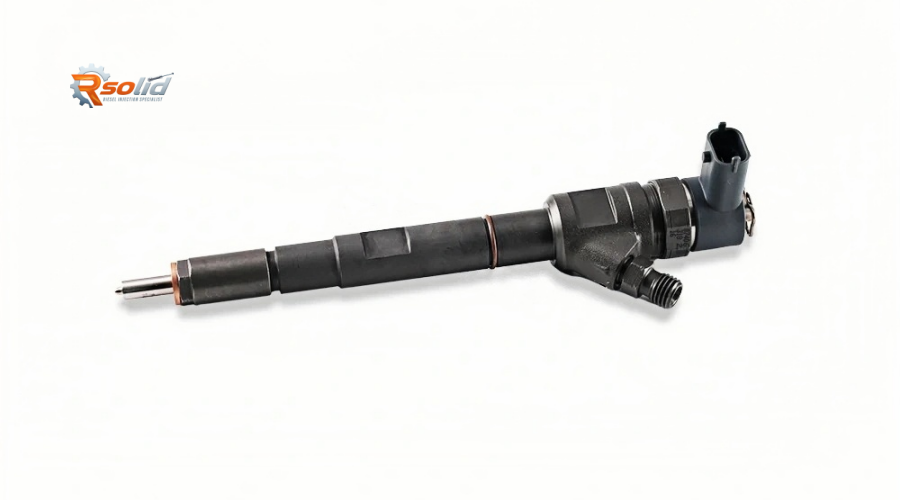
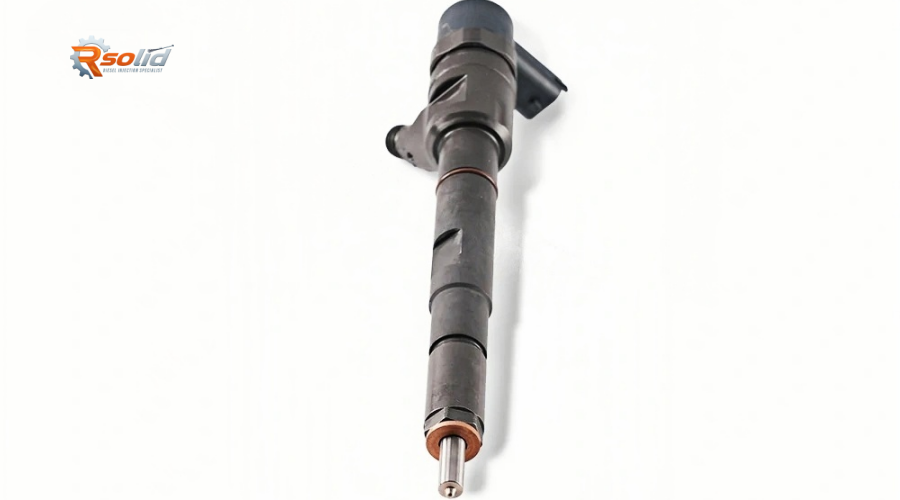
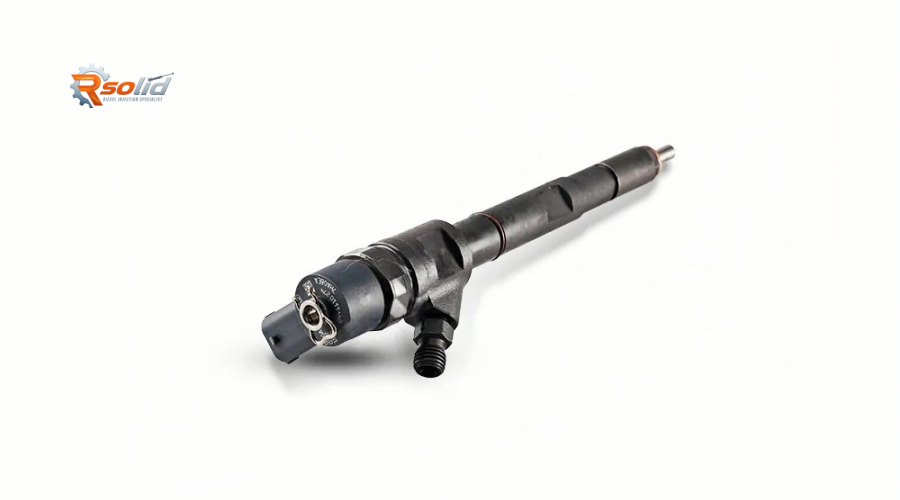
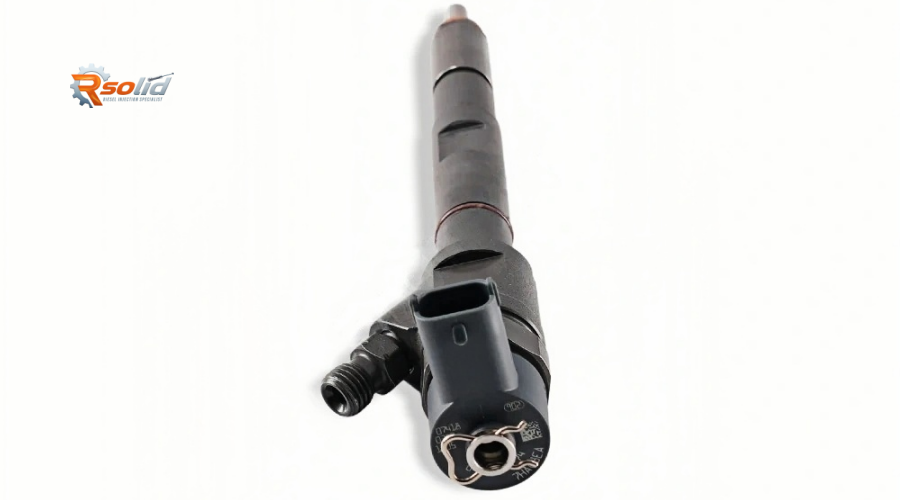
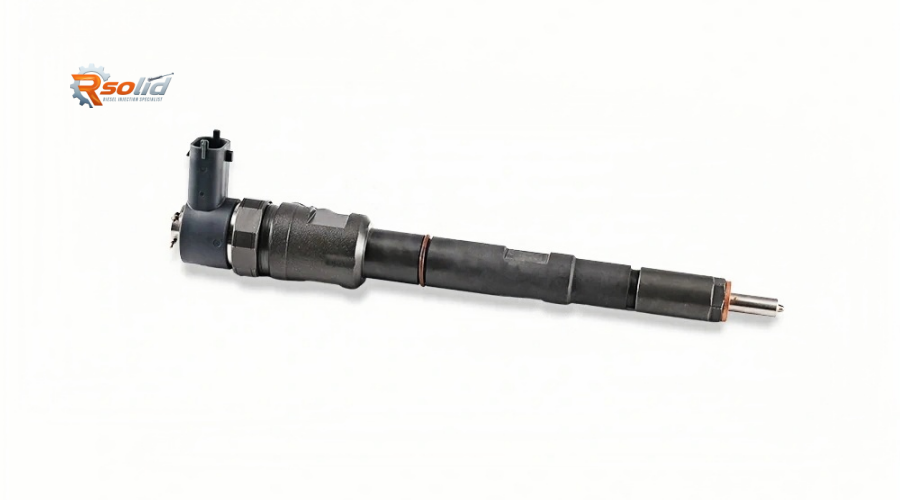
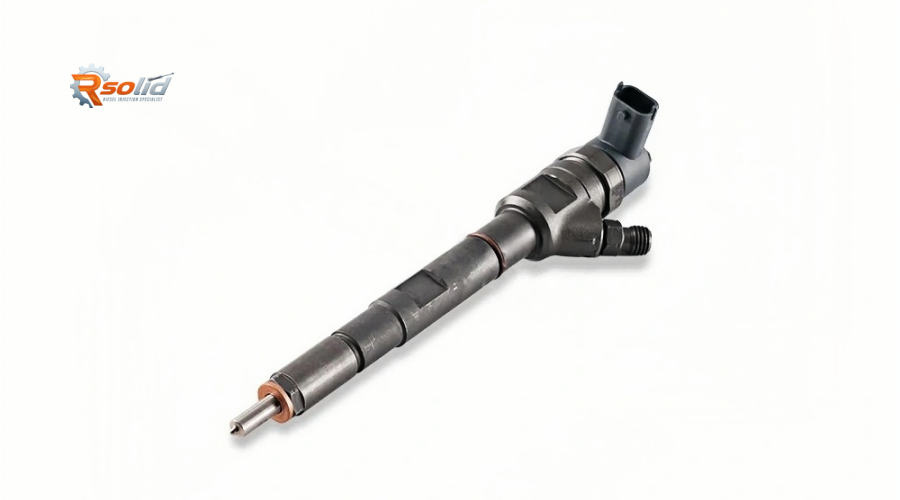
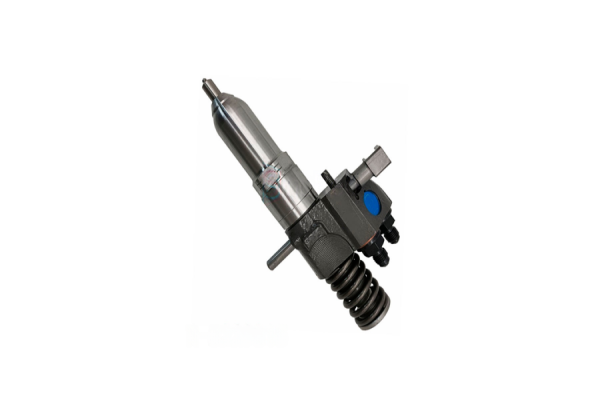
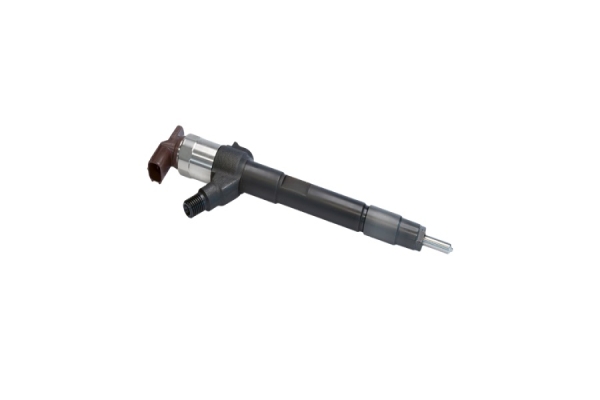
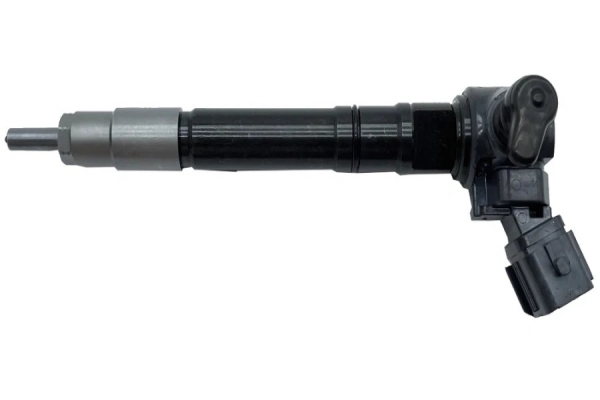
0445110274 Fuel Injector – Bosch-Compatible Common Rail Injector for Hyundai D4CB Diesel Engine
The 0445110274 common rail solenoid injector (Bosch compatible) is a precision fuel injection component specifically calibrated for the Hyundai D4CB diesel engine – a 2.5L CRDi powerplant found in numerous Hyundai and Kia commercial vehicles, SUVs, and vans. This injector delivers factory‑correct spray patterns, improved cold-start performance, and reduced emissions. Below we examine its structural advantages, vehicle fitment, common failure signs, installation best practices, and why Rsolid engine parts is your ideal supplier.
1. Structural Advantages of the 0445110274 Injector
The 0445110274 belongs to Bosch’s CRI2‑20 solenoid injector family, offering robust engineering for medium‑duty diesel applications:
High‑speed magnetic solenoid – Achieves opening times below 0.2 ms at 1,600 bar, enabling multiple pilot injections per cycle. This reduces combustion noise (diesel knock) and lowers NOx and particulate emissions.
Hardened stainless steel body – Rated for rail pressures up to 1,800 bar and resistant to corrosion, cavitation, and high thermal cycling – ideal for engines operating under continuous load, such as delivery vans and passenger vans.
6‑hole micro‑sac nozzle – Laser‑drilled orifices produce an ultra‑fine fuel spray that matches the D4CB‘s combustion chamber geometry, improving cold starts, reducing soot, and extending DPF life.
Balanced hydraulic servo system – Minimizes internal leakage and ensures consistent injection quantity across all cylinders, critical for smooth idle and balanced power delivery on 4‑cylinder engines.
Plug‑and‑play electrical connector – Matches OEM pin assignment and coil resistance (0.23–0.27 Ω), allowing direct ECU connection without modifications.
These features translate into quieter operation, lower fuel consumption, and reliable performance in both urban stop‑and‑go and highway driving.
2. Compatible Engine & Vehicle Models – D4CB
The 0445110274 injector is specifically designed for the Hyundai D4CB diesel engine – a 2.5L (2,497 cc) common rail CRDi unit. Verified applications include:
| Engine Code | Displacement | Fuel System | Typical Power Output | Common Vehicle Types |
|---|
| D4CB (also D4CB‑L, D4CB‑E) | 2,497 cc | Bosch CP3 (1,600 bar) | 103–125 kW (140–170 hp) | Vans, SUVs, light trucks |
Detailed vehicle list (Hyundai & Kia models):
| Make | Model | Years | Engine Code | Notes |
|---|
| Hyundai | H-1 / Grand Starex (TQ) | 2007–2018 | D4CB | 2.5L CRDi (van / passenger) |
| Hyundai | Santa Fe (CM / DM) | 2006–2015 | D4CB | 2.5L CRDi (some markets) |
| Hyundai | Porter II / H100 Truck | 2009–present | D4CB | Light commercial truck |
| Kia | Carnival / Grand Carnival (VQ) | 2006–2014 | D4CB | 2.5L CRDi (MPV) |
| Kia | K2500 / K2700 (Bongo III) | 2008–present | D4CB | Light truck / van |
| Kia | Sorento (BL / XM) | 2006–2014 | D4CB | 2.5L CRDi (select markets) |
Note: Always verify your original injector part number – look for 0445110274 or Hyundai OEM numbers 33800‑4A500, 33800‑4A510, 33800‑4A520. Some D4CB engines use injector 0445110248 or 0445110269 – check fitment carefully.
3. Common Failure Symptoms & Installation Replacement Advice
The D4CB engine, especially in high‑mileage commercial vehicles, is prone to injector wear. Recognising early symptoms can prevent costly DPF, EGR, or turbocharger issues.
Typical failure symptoms of a failing 0445110274 injector:
Rough idle, especially when warm – Engine shakes at traffic lights; cylinder balance values > ±2.5 mg/stroke (visible on diagnostic tool like GDS or KDS).
Excessive black smoke under acceleration – Over‑fueling due to worn needle seat or stuck solenoid.
White smoke on cold start – Poor atomisation from a clogged or worn nozzle tip.
Hard starting or extended cranking – Rail pressure cannot build due to internal leakage (return flow > 30 ml/min at idle).
Increased fuel consumption – Fuel is pumped but not properly injected; return fuel volume high.
Engine oil dilution – Diesel leaks past injector tip into cylinders, then past rings into sump. Check for rising oil level and diesel smell – dangerous.
Loss of power under load – One or more injectors delivering insufficient fuel.
Frequent DPF regeneration (if equipped) – Excess soot production clogs the filter quickly.
Injector circuit trouble codes – Solenoid coil electrical failure (P0201–P0204 for respective cylinders).
Installation & replacement best practices for D4CB engine:
Always replace all sealing components – Use a new copper sealing washer (14mm ID), upper and lower O‑rings (Bosch seal kit 2 418 227 053 or equivalent). Never reuse old seals – they cause combustion blow‑by.
Clean the injector bore thoroughly – Use a 14mm injector seat reamer to remove carbon deposits from the cylinder head. Even a thin carbon layer prevents proper sealing.
Lubricate new O‑rings with clean diesel fuel – Never use grease or engine oil, which can block fine internal passages.
Torque injector hold‑down clamp precisely – For D4CB: typical 25 Nm + 90° (use a new clamp bolt each time). Always consult the service manual. Over‑torquing distorts the injector body; under‑torquing causes leakage and combustion gas ingress.
Replace the fuel filter – Contaminated fuel is the #1 killer of new injectors. Install a genuine Hyundai fuel filter (HDF 0C0A1 or equivalent).
Prime the fuel system – Use the hand primer on the fuel filter housing or cycle ignition to run the lift pump for 30–60 seconds. Never crank without priming – dry firing damages new injectors.
Code the injector using a diagnostic tool – The 0445110274 has a 10‑character IMA (Injector Matching Adjustment) code laser‑marked on its top. Using Hyundai GDS, Kia KDS, Autel MaxiSys, Launch X431, or other professional scanner, enter the code into the ECU. Without coding, the engine will run unevenly and may trigger fault codes.
Perform leak‑off test after installation – Run engine at idle for 2 minutes, then measure return fuel from each injector using graduated cylinders. All should be below 20 ml/min and within 5 ml/min of each other.
Reset adaptation values – After coding, perform “Injector Quantity Adaptation” and “Fuel Pressure Adaptation” via diagnostic software.
Road test – Drive for 15–20 minutes to allow ECU to fine‑tune adaptations.
4. Why Choose Rsolid Engine Parts as Your Supplier?
At Rsolid engine parts, we specialise in high‑quality diesel fuel injection components. Here’s why workshops, fleets, and individual owners trust us:
100% test‑bench verified – Every 0445110274 injector is calibrated on a professional common rail test bench (up to 2,000 bar) with flow balance guaranteed within ±2%.
Bosch‑compatible, OE fitment – Direct replacement for Hyundai 33800‑4A500 series; matches all dimensions, solenoid resistance, and spray angles.
New build, not remanufactured – All units are newly manufactured to Bosch specifications, not reconditioned or repaired.
Competitive wholesale pricing – Ideal for volume buyers, repair shops, and individual owners.
Fast global shipping – Stock available from our warehouses in Asia, Europe, and North America.
Expert technical support – Our team helps with IMA coding, torque specifications, and troubleshooting for D4CB and similar engines.
12‑month warranty – Against manufacturing defects and premature wear.
📧 Contact us for a quote or technical assistance:
✉️ Email: amy@rinjector.com
🌐 Website: www.rinjector.com