


6 Warning Signs Your Diesel Injectors Are Failing
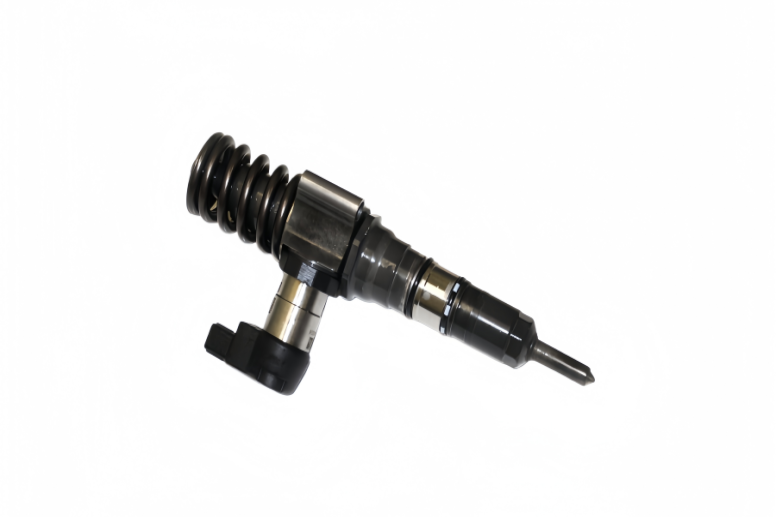
Diesel injectors are the heart of your engine’s fuel delivery system. They atomize fuel at precise intervals, ensuring efficient combustion, strong performance, and good fuel economy. But when injectors start to fail, the symptoms often appear gradually—and ignoring them can lead to expensive repairs, reduced reliability, and even catastrophic engine damage.
Below are six warning signs every diesel owner should recognize, along with a clear explanation of what each one means. Spotting them early can save you thousands in repair costs and keep your truck, van, or equipment running at its best.
1. Rough Idling or Misfires
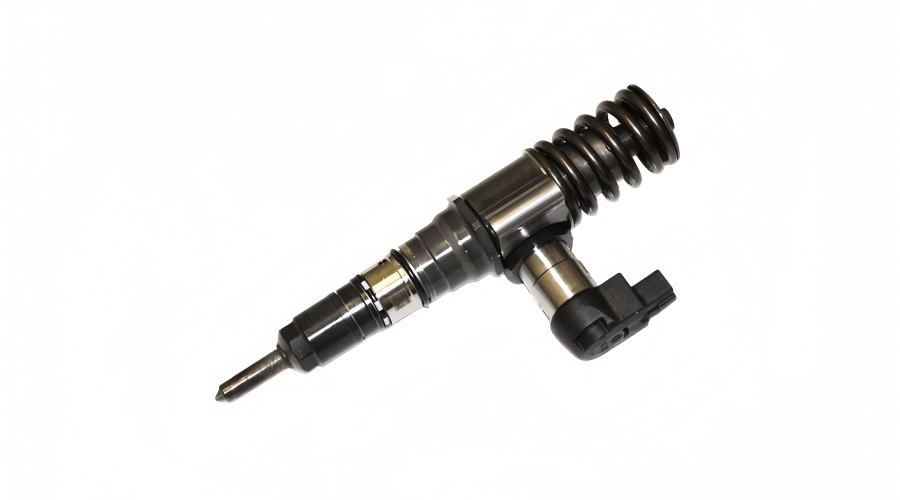
What it means: A failing injector may not deliver fuel consistently at low engine speeds. This causes the engine to stumble, shake, or misfire—especially when idling. You might feel a rhythmic vibration or hear a popping sound from the exhaust. In severe cases, the engine may stall.
Rough idling is one of the earliest indicators of injector wear or clogging. If left unchecked, unbalanced fuel delivery can stress the crankshaft and engine mounts over time.
2. Poor Fuel Economy
What it means: When an injector leaks or fails to atomize fuel properly, the engine compensates by burning more diesel to maintain power. You’ll notice more frequent trips to the pump and a drop in miles per gallon (MPG).
A sudden 10–20% decrease in fuel efficiency is a classic red flag. It often points to injector tip erosion, internal leaks, or a stuck-open injector that wastes fuel.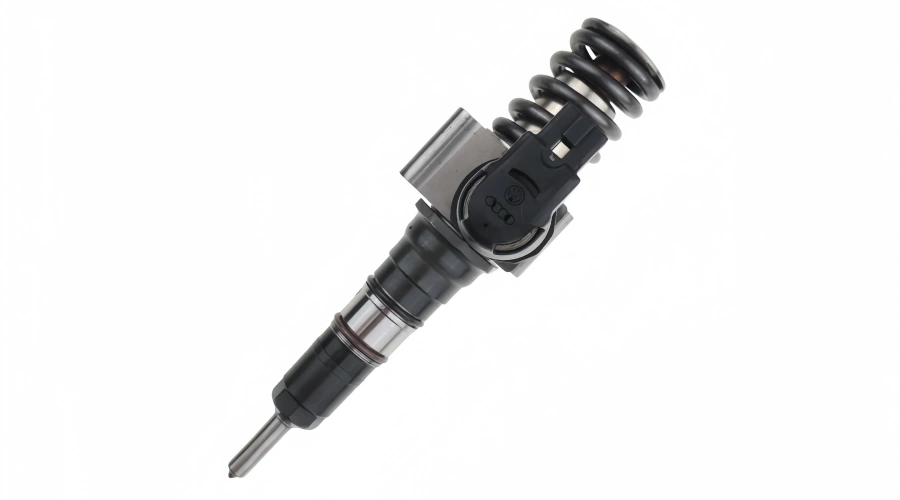
3. Excessive Exhaust Smoke
What it means: Diesel injectors that drip or over-fuel create incomplete combustion. The result? Thick black smoke (unburned fuel), white smoke (unburned diesel vapor), or blue smoke (oil burning due to washed cylinder walls).
Black smoke → too much fuel from leaking injectors
White smoke → injector timing issues or low compression
Blue smoke → fuel dilution of engine oil (serious)
Any unusual smoke color warrants an immediate injector inspection.
4. Loss of Power or Hesitation
What it means: If one or more injectors under-deliver fuel, the engine can’t produce its rated power. You’ll feel sluggish acceleration, hesitation during passing, or a “dead spot” when climbing hills.
Modern common-rail diesels often enter limp mode to protect the engine when injector imbalance is detected. This symptom usually worsens quickly, so don’t delay diagnosis.
5. Hard Starting or No-Start Conditions
What it means: A worn injector may leak fuel pressure back to the tank, causing long crank times—especially when the engine is cold. In extreme cases, the engine won’t start at all.
Hard starting is often linked to excessive injector return flow (back-leakage). A simple back-leak test can confirm whether injectors are the culprit. Cold-start issues should never be ignored, as they can strand you at the worst possible time.
6. Check Engine Light & Diagnostic Trouble Codes (DTCs)
What it means: Modern diesel engines monitor injector performance continuously. A failing injector will trigger codes like P0201–P0208 (injector circuit faults), P0087 (fuel rail pressure too low), or P1090 (fuel pressure regulation). The check engine light may be accompanied by reduced power or rough running.
These codes are your engine’s way of saying “inspect the injectors now.” Ignoring them can lead to secondary damage to the high-pressure fuel pump and DPF system.
What Should You Do If You Notice These Signs?
Don’t wait for a minor injector issue to become a major engine failure. Early diagnosis is key. A professional diesel technician can perform:
Back-leak testing to measure injector return flow
Cylinder contribution testing to identify weak injectors
Fuel pressure and rail analysis
Injector tip and nozzle inspection
Depending on the results, you may need injector cleaning, recalibration, or replacement. Using quality remanufactured or OEM injectors—and having them coded properly—is essential for long-term reliability.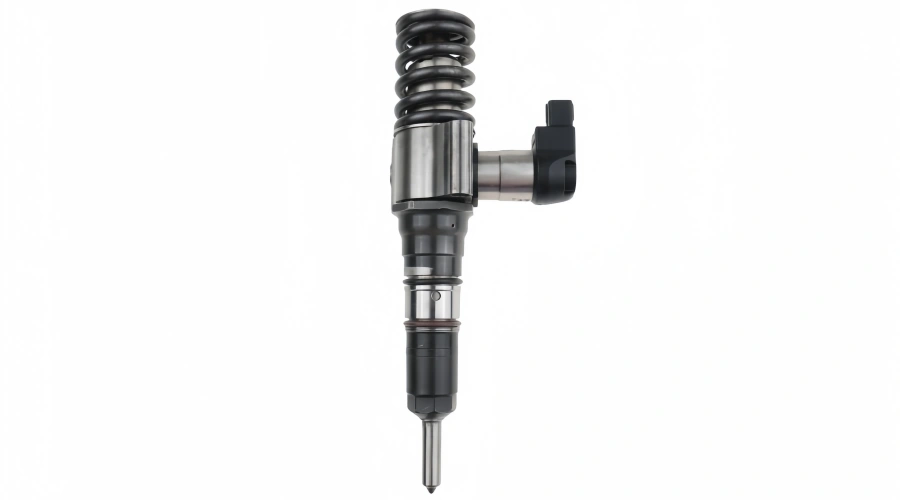
Bottom Line
Your diesel injectors are small components with a big job. Rough idling, poor fuel economy, excessive smoke, power loss, hard starting, and diagnostic codes are all clear warnings that something is wrong. Recognizing these six signs early means faster repairs, lower costs, and fewer breakdowns on the road.
Need help diagnosing failing diesel injectors? Contact a trusted diesel service specialist today—or browse our selection of tested, high-quality diesel injectors to get your engine back to peak performance.