



Ultimate Guide: Winter Maintenance for Diesel Engine Injectors and Diesel Pumps
As temperatures plummet, diesel engine owners face a unique set of challenges. Unlike gasoline engines, diesel engines rely on high compression and precise fuel delivery to operate. When the mercury drops, the fuel itself changes characteristics, becoming thicker and more prone to gelling.
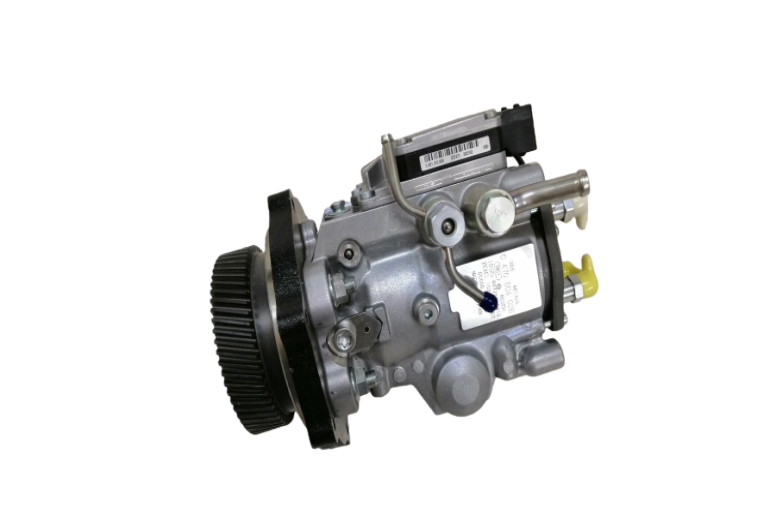
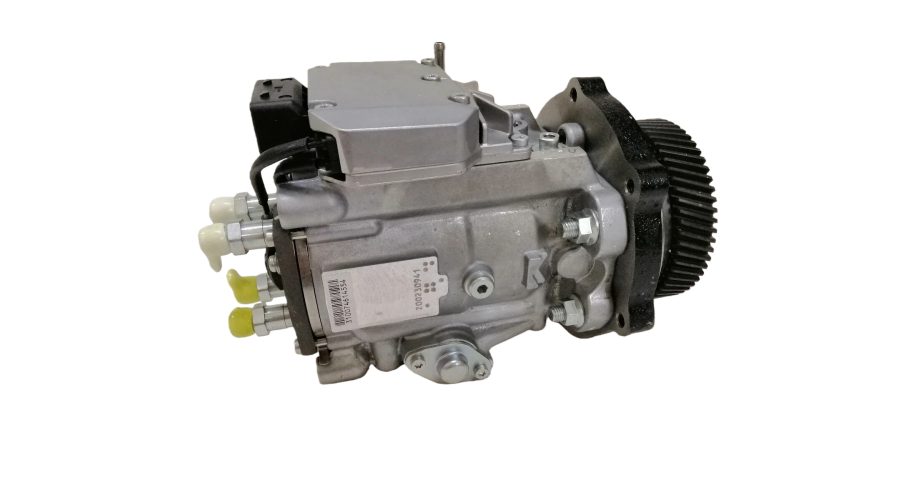
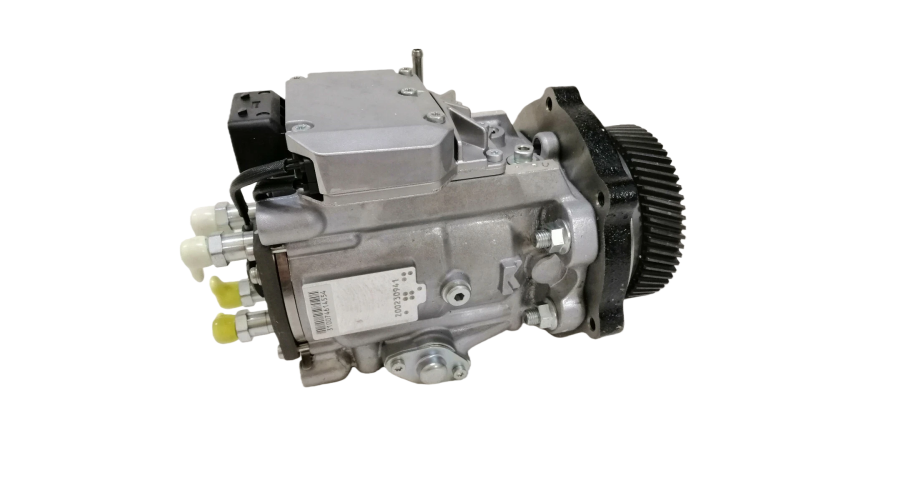
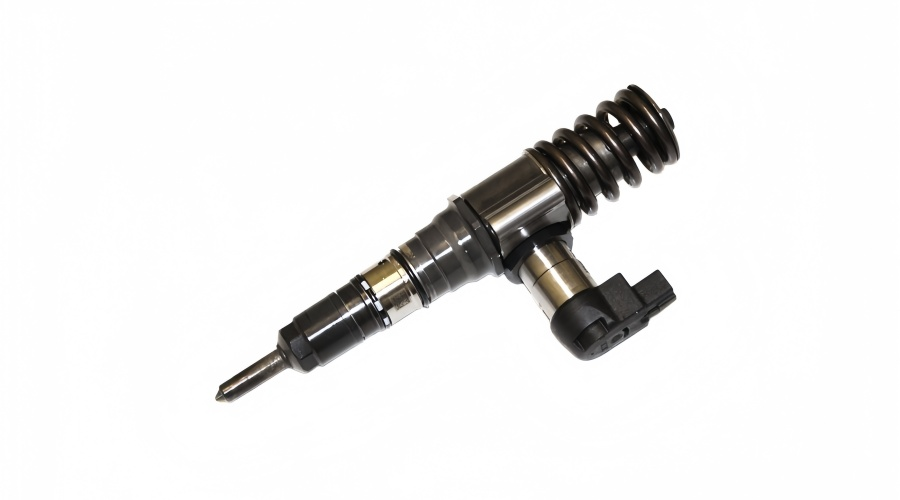
The heart of your diesel's fuel delivery system is the diesel pump and the diesel engine injectors. If these components fail in the winter, you aren’t just looking at a rough idle—you are looking at a complete breakdown.
To keep your fleet, truck, or heavy machinery running smoothly through the coldest months, proactive winter diesel engine maintenance is essential. Here is your comprehensive guide to protecting your injectors and pumps this winter.
Why Cold Weather is Hard on Diesel Fuel Systems
Before diving into maintenance, it’s important to understand what winter does to your fuel system:
Fuel Gelling: Standard summer diesel (Diesel #2) contains paraffin wax. In freezing temperatures, this wax crystallizes and thickens the fuel, clogging fuel filters and preventing it from reaching the injectors.
Water Condensation: Temperature fluctuations cause condensation inside the fuel tank. Water is heavier than diesel and sinks to the bottom, which can cause catastrophic corrosion or freezing inside the high-pressure diesel pump.
Increased Viscosity: Cold diesel is harder to pump, putting extra strain on your fuel pump and forcing the injectors to work harder to atomize the fuel.
Essential Diesel Injector Maintenance for Winter
Diesel injectors are responsible for spraying a fine mist of fuel into the combustion chamber. If they are clogged or damaged, you will experience hard starts, misfires, and decreased fuel economy.
1. Use High-Quality Anti-Gel Additives
The simplest way to protect your injectors is to treat your fuel before the temperature drops. A premium winter fuel additive will lower the cold filter plugging point (CFPP) of your diesel, preventing wax crystals from clogging the microscopic nozzles of your injectors.
2. Change Fuel Filters Frequently
Water and debris are the number one enemies of diesel injectors. In winter, water in the fuel can freeze and block the flow. Change your fuel filter more frequently during winter months and always use a filter with a reliable water-separator feature.
3. Watch for Warning Signs
If you notice a rough idle, excessive white smoke, or a noticeable drop in power, your injectors may be coking up. Consider using a reputable injector cleaner or, if the problem persists, have them professionally tested and cleaned.
Protecting Your Diesel Pump in Freezing Temperatures
Whether you have an older mechanical pump or a modern common rail system, the diesel pump operates under extreme pressure.
1. Ensure Proper Lubricity
Ultra-Low Sulfur Diesel (ULSD) has reduced natural lubricity. In winter, when fuel is already thick, the moving parts inside your diesel pump are at a higher risk of wear. Using a fuel additive that includes a lubricity package will protect the internal components of your pump from metal-on-metal friction.
2. Drain the Water Separator Regularly
Most diesel fuel systems have a water separator bowl located near the fuel filter. Make it a weekly habit to drain this valve during the winter. Catching water before it reaches the high-pressure pump is the cheapest and most effective maintenance you can do.
3. Check for Fuel Leaks
Cold weather causes rubber seals and O-rings to contract and become brittle. Inspect the area around your diesel pump for any signs of weeping or leaks. Even a microscopic leak can introduce air into the system, leading to hard starting.
Best Practices for Winter Diesel Operation
Beyond the components themselves, how you operate your vehicle plays a massive role in winter longevity:
Never Run on Empty: Keep your fuel tank at least half full during winter. This minimizes the empty space in the tank where condensation can form.
Use Block Heaters: If you operate in extreme climates, an engine block heater or a fuel line heater is an excellent investment. It warms the engine and the fuel, making cold starts incredibly easy and drastically reducing wear on the injectors and pump.
Idle Gently: Today's diesel engines do not need to idle for 20 minutes to warm up. Start the engine, let the oil pressure build for 30 seconds to a minute, and then drive gently until the engine reaches operating temperature.
The Bottom Line
Winter is unforgiving to diesel engines. The combination of cold fuel, water condensation, and increased friction can quickly destroy an unprepared diesel injector or diesel pump.
By investing in quality winter additives, keeping up with filter changes, and monitoring your fuel system, you can avoid costly breakdowns and keep your diesel running strong until the spring thaw.