



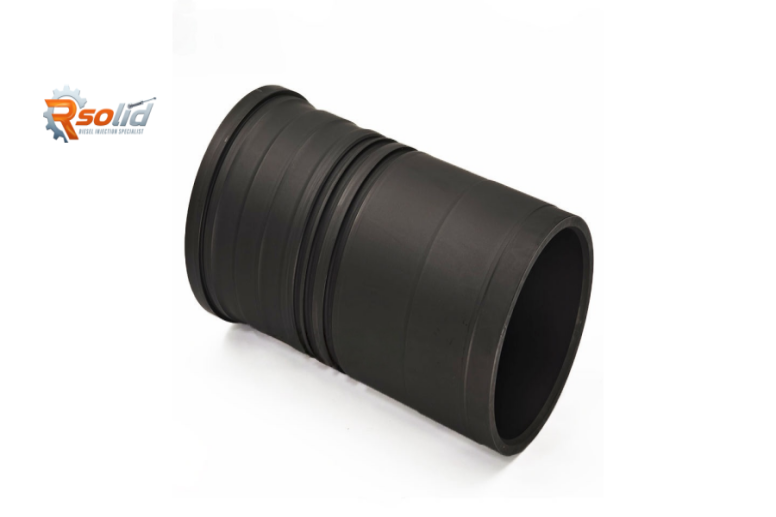
35A07-32500 cylinder liner for Mitsubishi S6A3 marine diesel engine
The Complete Guide to the 35A07-32500 Cylinder Liner for Mitsubishi S6A3 Marine Diesel Engine
For decades, the Mitsubishi S6A3 has been a trusted workhorse in the marine industry. Whether powering fishing trawlers, coastal freighters, tugboats, or auxiliary generator sets, this inline-6, four-stroke turbocharged diesel engine is renowned for its compact footprint, fuel efficiency, and raw durability. It produces between 250 and 600 horsepower depending on the configuration, making it a favorite for vessels that demand reliability in harsh saltwater environments.
However, even the toughest marine engines face a relentless enemy: cylinder liner wear. The liner—specifically the OEM part number 35A07-32500—is the replaceable sleeve that forms the cylinder wall. It provides the smooth, wear-resistant surface that piston rings slide against, transfers combustion heat to the cooling water, and seals the high-pressure combustion gases.
When this component fails, your vessel's operational readiness is compromised. In this guide, we will explore the critical role of the 35A07-32500 cylinder liner, how to identify failure signs, a real-world replacement case study, and essential installation best practices.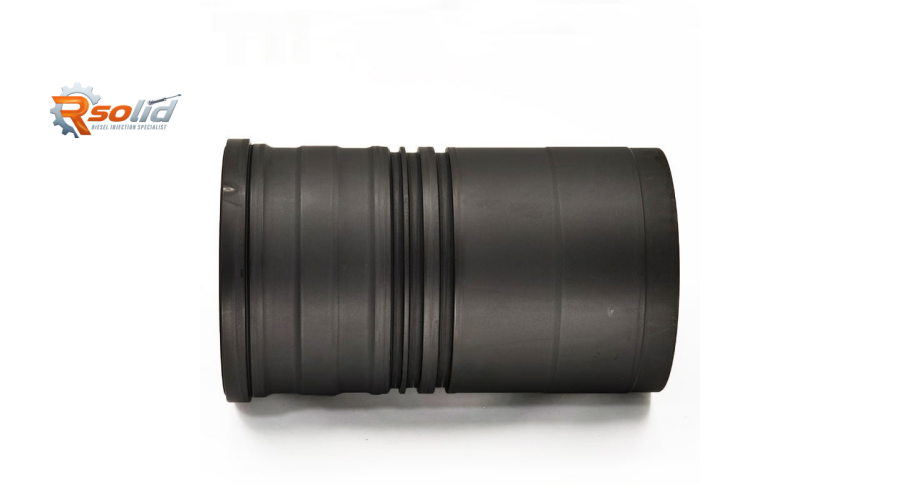
What is the 35A07-32500 Cylinder Liner?
The 35A07-32500 is the OEM-specification cylinder liner (also called a cylinder sleeve) specifically engineered for the Mitsubishi S6A3 heavy-duty marine diesel engine.
Design: This is a wet-type liner. This means its outer surface is in direct contact with the engine's coolant (freshwater/antifreeze mixture), allowing for excellent heat dissipation.
Material: It is manufactured from high-grade, centrifugally cast pearlitic grey cast iron or ductile iron. This material provides exceptional wear resistance against the piston rings and excellent corrosion resistance against cooling water cavitation.
Key Features: The liner features precision-honed internal cross-hatching to retain lubricating oil, securely seated O-ring grooves at the bottom to prevent coolant leaks, and a specific top flange height to ensure proper cylinder head clamping force.
Replacing a worn 35A07-32500 liner is a standard part of a major overhaul, typically performed every 8,000 to 12,000 running hours for commercial marine applications.
Top 5 Symptoms of a Failing Cylinder Liner
Identifying a failing liner early can save you from a costly crankshaft seizure or a ruined engine block. Watch for these unmistakable warning signs:
Coolant Loss with No External Leak: This is the classic "red flag" for a wet liner. If you are constantly topping up the expansion tank but see no water dripping under the engine, the liner may be cracked, or the O-rings have failed, allowing coolant to seep into the combustion chamber.
White Steam or Sweet-Smelling Exhaust: When coolant enters the cylinder and is vaporized by combustion, it produces thick, white steam that does not dissipate quickly. If you smell a sweet (antifreeze) odor from the exhaust, the 35A07-32500 liner is likely compromised.
Overheating and Air Bubbles in the Coolant: Combustion gases escaping past a cracked liner or worn rings pressurize the cooling system. You may see air bubbles rising in the coolant filler neck and the engine temperature gauge spiking unexpectedly.
Oil Contamination (Milky Oil): If the liner crack is severe enough, coolant can wash down the cylinder wall and mix with the engine oil. Check the dipstick—if the oil appears chocolate-milky, immediate action is required to prevent main bearing failure.
Loss of Compression and Hard Starting: A scored or glazed cylinder liner cannot hold compression. This results in extended cranking times, rough idling, and a noticeable lack of power when the vessel is under load.
Real-World Case Study – Trawler Engine Overhaul
To demonstrate the critical importance of a quality 35A07-32500 liner replacement, let’s review a recent case from a commercial fishing operation.
Background: A 65-foot steel-hulled trawler operating out of the North Sea had a Mitsubishi S6A3 engine with approximately 9,500 running hours. Over two weeks, the chief engineer noticed that the expansion tank required topping up daily—about 5 liters per day—yet no puddles were found in the bilge.
Diagnosis: The team performed a pressure test on the cooling system. Pressure dropped gradually, indicating an internal leak. They removed the injectors and scoped the cylinders. Cylinder #4 showed a clean, polished (steam-cleaned) piston crown, while the other five had normal carbon deposits. This was a classic sign that coolant was entering Cylinder #4, effectively "steam-cleaning" the piston.
The Damage:
The 35A07-32500 liner in Cylinder #4 had suffered cavitation erosion at the 6 o'clock position (next to the thrust side).
The cavitation pits were deep enough to have perforated the liner wall.
The O-rings were hard and flattened, no longer sealing effectively.
The Solution: The fishing vessel scheduled a 10-day in-frame overhaul.
The connecting rod and piston assembly for Cylinder #4 were removed.
The damaged liner was extracted using a liner puller tool.
The cylinder block bore was cleaned and inspected.
A new 35A07-32500 cylinder liner was installed with fresh O-rings, coated with a light sealant to prevent future micro-cracks.
A new piston ring set and connecting rod bearings were fitted.
The Results:
The engine was restarted and run through a 4-hour sea trial.
Coolant level remained perfectly stable for the next 300 operating hours.
The engine ran smoother, with balanced exhaust temperatures across all six cylinders.
The vessel saved approximately $15,000 in potential engine rebuild costs by addressing the failure early rather than waiting for a hydrolock (where coolant fills the cylinder and stops the engine instantly, often breaking the connecting rod).
Key Takeaway: Replacing a single faulty 35A07-32500 liner on time prevented a catastrophic failure that could have ruined the engine block and stranded the vessel at sea for days.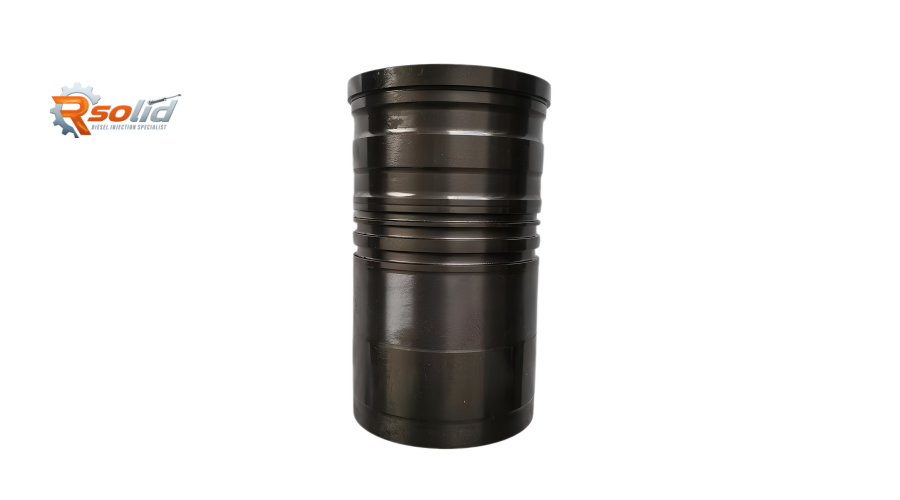
Installation Best Practices for the 35A07-32500 Liner
Installing a wet cylinder liner in a marine engine is not a "drop-in" job. Follow these critical rules to ensure a successful rebuild:
Measure Protrusion (Top Deck Height): Once the new liner is seated, use a dial gauge to measure the liner protrusion above the engine block deck. It must be within the factory spec (typically 0.05–0.12mm). Too little protrusion = head gasket failure. Too much = cracked cylinder head.
Lubricate O-Rings: Never install dry O-rings. Coat them with clean engine oil or water-soluble lubricant to prevent them from rolling or pinching as the liner slides into the block.
Check Liner Honing: Before installation, verify the cross-hatch pattern angle. A 45° angle is standard for proper oil retention. If the liner feels too smooth (glazed), it may require light plateau honing.
Use New O-Rings Every Time: The O-rings for the 35A07-32500 are critical. Never reuse old O-rings—they take a "set" and will leak under compression.
Pressure Test After Installation: Before reinstalling the cylinder head, seal the coolant passages and pressure-test the cooling system to ensure no leaks are present at the bottom of the new liner.
Contact Rsolid Engine Parts Today
Don't let a failing cylinder liner keep your vessel tied to the dock. Secure the durability and reliability your Mitsubishi S6A3 deserves.
WhatsApp (Fast Response & Inquiry): +8615975376779
Email (Detailed Quotes & Technical Questions): Amy@rinjector.com
Reach out to Amy at Rsolid Engine Parts for premium-quality components that keep you running through the toughest sea conditions.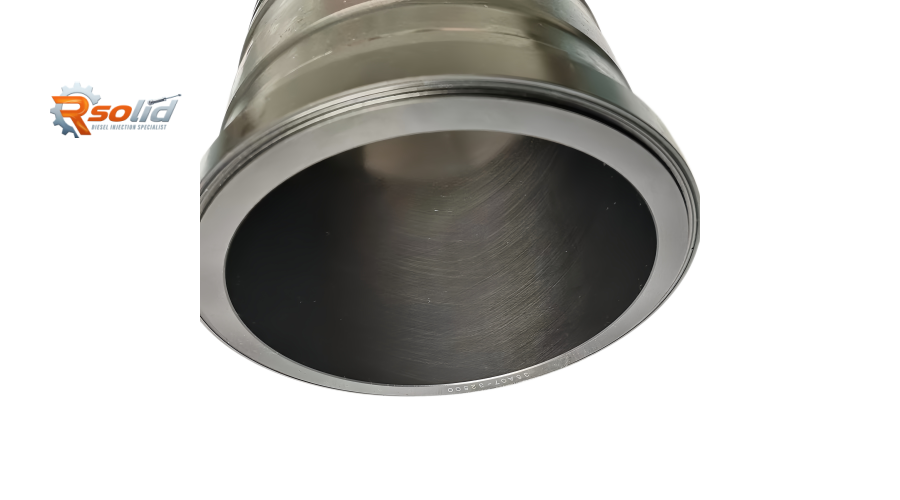
Frequently Asked Questions (FAQ)
Q1: Can I replace just one 35A07-32500 cylinder liner, or should I replace all six?
A: You can replace a single liner if the others are within wear tolerance and show no scoring. However, we recommend inspecting all six. If your engine is nearing 8,000+ hours, a full set replacement ensures balanced compression and equal service life.
Q2: What causes cavitation in wet cylinder liners?
A: Cavitation is caused by the rapid vibration of the liner wall from the piston's lateral movement. This vibration creates tiny vacuum bubbles in the coolant that collapse violently, eroding the metal surface. Using the correct coolant additive (SCA - Supplemental Coolant Additive) helps buffer this effect.
Q3: How do I know if the liner I receive is genuine-spec (35A07-32500)?
A: Always check for the part number cast or laser-engraved on the inner top flange. Genuine-spec liners will also have a specific weight and bright, uniform honing surface. Rsolid Engine Parts provides certification of material composition with each order.
Q4: Is it necessary to replace the piston rings when installing a new liner?
A: Absolutely. Never install old piston rings into a fresh honed liner. The rings must "bed-in" with the new cross-hatch surface. Always fit a new ring set alongside the 35A07-32500 liner to ensure proper oil control and compression sealing.