



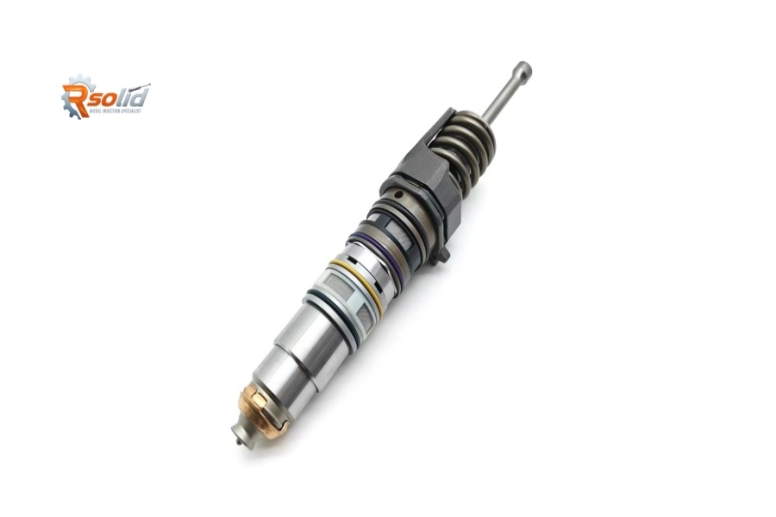
Diesel Injector Torque Specs: Why the Hold-Down Bolt Matters More Than You Think
When a diesel engine starts running rough, losing power, or blowing white smoke, the immediate diagnosis is often a faulty injector. Mechanics and DIY enthusiasts rush to order a replacement, confident that swapping the part will solve the problem.
However, there is a silent killer in the diesel world that causes more premature injector failures than bad fuel or worn nozzles combined: Improper Hold-Down Bolt Torque.
While the injector itself is the star of the show, the humble hold-down bolt is the supporting actor that determines whether the job succeeds or fails. Here is why ignoring the torque specs on your hold-down bolt is a mistake you cannot afford to make.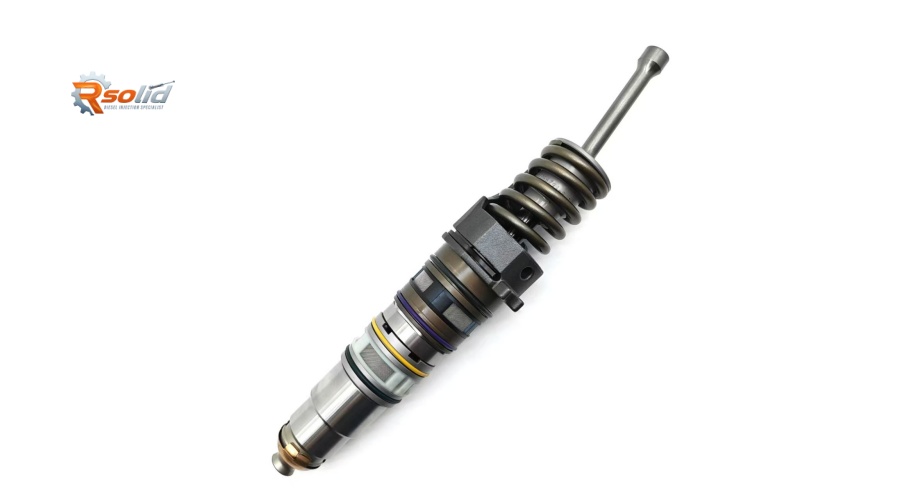
The Physics of the Hold-Down: Why It’s Critical
A diesel fuel injector operates under extreme conditions. It sits directly in the combustion chamber, exposed to immense heat and pressure. The hold-down bolt (or clamp) has one primary job: to seal the injector against the cylinder head.
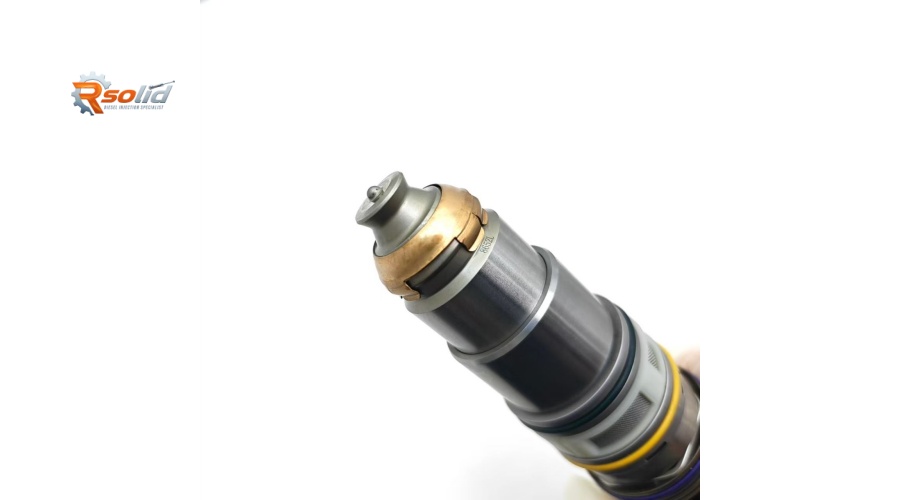
This seal is achieved via a copper washer (or combustion gasket) at the base of the injector. For this seal to work, the hold-down bolt must apply a precise amount of clamping force.
1. Under-Torquing: The Silent Destroyer
If you don't tighten the bolt enough, the combustion pressure will overcome the clamping force. This leads to "blow-by."
The Consequence: Hot combustion gases escape past the copper washer. This acts like a blowtorch, melting the tip of your brand-new injector and carbonizing the injector seat in the cylinder head.
The Symptom: A loud "ticking" or "chuffing" sound from the engine bay, often mistaken for a valve train issue.
2. Over-Torquing: The Thread Stripper
It is a common misconception that "tighter is better." In the world of diesel engines, over-torquing is often fatal.
The Consequence: Tightening the bolt past the spec stretches the bolt or, worse, strips the threads in the aluminum cylinder head. If the bolt snaps or the threads fail, the injector can be launched out of the head under pressure, causing catastrophic damage.
The Symptom: A snapped bolt in the head, requiring a helicoil or head removal.
The "Cleanliness" Factor: Torque Specs Don't Work on Dirt
You can have the torque wrench set to the exact factory specification, but if the threads are dirty, you are still doing it wrong.
Torque is a measure of friction. If there is carbon buildup, oil, or debris in the bolt hole or on the threads, the wrench will click at the correct number, but the clamping force will be too low. The bolt is fighting the dirt, not clamping the injector.
Pro Tip: Always chase the threads in the cylinder head and use brand new hold-down bolts. Many modern diesel injector bolts are "Torque-to-Yield" (TTY), meaning they stretch permanently and must be replaced every time they are removed.
The Copper Washer: The Unsung Hero
The torque spec is designed to crush the copper washer just enough to create a gas-tight seal. If you re-use an old, already-crushed washer, the torque spec will be reached before the seal is actually formed.
Rule of Thumb: Always replace the copper combustion gasket. If the injector seat in the head is pitted from previous blow-by, you may need to ream the seat to ensure the new washer seals perfectly.
General Guide: Steps for Correct Installation
While specific specs vary by engine (Cummins, Duramax, Powerstroke, etc.), the procedure is universally similar:
Clean: Ensure the injector bore and bolt holes are spotless. Use brake cleaner and compressed air.
Lubricate (If Specified): Some manufacturers require engine oil on the threads; others require them to be dry. Follow the manual exactly. (Using oil on a "dry" spec can lead to over-torquing).
Torque in Stages: Rarely should you go straight to full torque. Tighten to half-spec first, then the full spec.
Angle Torque: If the spec calls for an additional "degree" turn (e.g., 50 Nm + 90°), you must use an angle gauge. This is common for TTY bolts.
Conclusion
The next time you tackle a diesel injector replacement, don't treat the hold-down bolt as an afterthought. It is the mechanical link that keeps your combustion chamber sealed.
By respecting the torque specs, replacing TTY bolts, and ensuring a clean installation, you protect your engine from catastrophic failure and ensure your new injectors live a long, efficient life. Remember, in the world of high-pressure diesel, precision is power.