



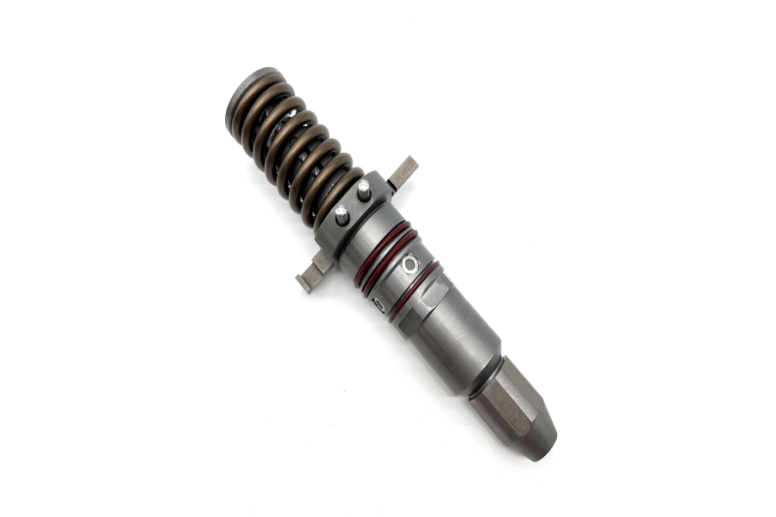
When Can You Replace Just the Nozzle?
Injector Nozzle vs Complete Injector Assembly: When Can You Replace Just the Nozzle?
When a diesel injector fails, the first question is often: can I replace just the nozzle, or do I need a complete injector assembly?
The answer depends on what actually failed—and on the injector type. On a mechanical injector, nozzle-only replacement can be a practical repair. On a modern common-rail or piezo injector, replacing just the nozzle may be possible in some cases, but it is often not the safest or most cost-effective choice.
This guide compares the injector nozzle vs complete injector assembly, explains when nozzle-only replacement is acceptable, and shows two cases where the decision affected cost, downtime, and comeback risk.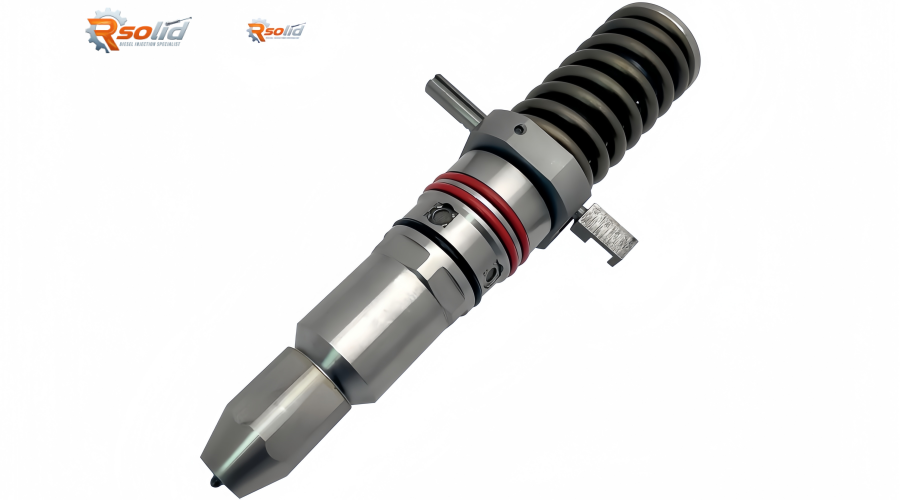
What Is the Difference Between an Injector Nozzle and a Complete Injector Assembly?
The nozzle is the tip assembly that atomizes fuel. Depending on design, it may include the nozzle body, needle, and retaining nut. It controls spray pattern, flow, and sealing at the tip.
The complete injector assembly includes the nozzle plus the injector body, actuator, control valve, inlet/return connections, and—on many common-rail injectors—the calibration/trim code that the ECU uses for correction.
In simple terms:
Nozzle-only replacement repairs the fuel atomization end.
Complete assembly replacement renews the nozzle and all hydraulic and electronic components as a matched unit.
A nozzle can be worn while the rest of the injector is still good. But the opposite is also common: the nozzle looks acceptable while the control valve, actuator, or return-flow circuit is worn out.
Nozzle vs Complete Assembly: Quick Comparison
| Item | Nozzle-only replacement | Complete injector assembly |
|---|---|---|
| What is replaced | Nozzle/needle assembly and related seals | Full injector with matched components and code |
| Best for | Mechanical injectors or verified nozzle-only faults | Actuator, control valve, body, or return-flow faults |
| Calibration | Must be set and bench-tested; code may need updating | Supplied with correct calibration code |
| Skill/tooling | High—needs nozzle tools, shims, and bench | Lower installation risk, but coding still required |
| Common-rail suitability | Limited; OEM procedure must allow it | Usually the safer choice |
| Piezo injectors | Generally not recommended outside specialist service | Recommended |
| Comeback risk | Higher if body/control valve condition is unknown | Lower when correct part and code are used |
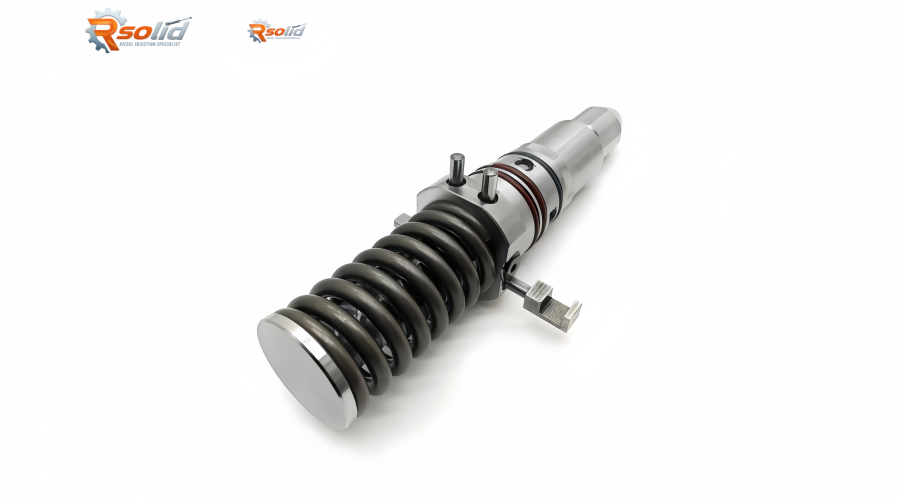
What Usually Fails in a Diesel Injector?
Before choosing nozzle-only replacement, identify the failed area.
Nozzle-related symptoms
Poor spray pattern, streaming, or large droplets
Black smoke or poor combustion
Rough idle or misfire under load
Hard starting when other factors are ruled out
Carbon buildup on the tip
Nozzle seat leakage or needle sticking
Body, actuator, or control-valve symptoms
High back leakage/return flow
No electrical response or incorrect resistance
Sticking control valve
Low rail pressure or pressure-drop codes
Cylinder balance faults that follow the injector
Damaged connector, body, or inlet fitting
Missing or mismatched trim/calibration code
If the fault is in the body, actuator, or control valve, a new nozzle will not fix it. This is the most common mistake in nozzle-only replacement.
When Can You Replace Just the Nozzle?
Nozzle-only replacement may be acceptable when all of the following are true:
The OEM service procedure allows nozzle service. Some injectors are officially serviceable at the nozzle level; others are not.
The injector body and actuator test good. Solenoid resistance, piezo response, and electrical insulation must be within specification.
Back leakage/return flow is within limit. High return flow usually points to control-valve or body wear, not just the nozzle.
The injector body and sealing surfaces are undamaged. Corrosion, cracked bodies, damaged seats, or worn nozzle nuts require assembly replacement.
The correct matched nozzle is available. Part number, spray angle, flow class, and needle design must match the application.
You can set the nozzle and bench-test the result. Opening pressure, lift, flow, spray pattern, and leakage must be verified.
You can update or confirm the calibration code. On common-rail injectors, changing the nozzle can change flow characteristics. The trim code may no longer be valid.
The injector can be kept clean and assembled correctly. Diesel injection tolerances are micron-level.
If any of these conditions are missing, a complete injector assembly is usually the better choice.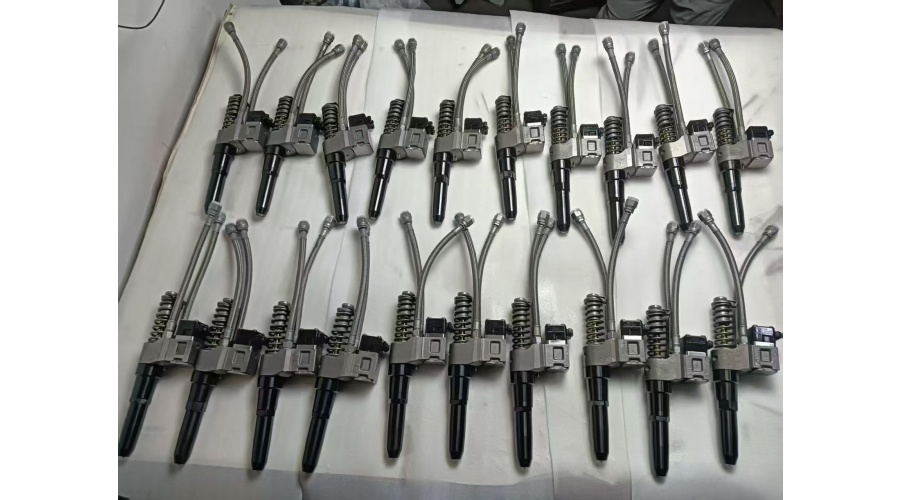
When Should You Replace the Complete Injector Assembly?
Choose a complete assembly when:
The injector has high return flow/back leakage
The solenoid or piezo actuator is faulty
The control valve is sticking or worn
The body, connector, or inlet/return fitting is damaged
The injector is not OEM-serviceable at nozzle level
The correct nozzle cannot be matched or calibrated
The vehicle requires a new trim code that you cannot generate
The injector is a piezo common-rail unit and the OEM does not support nozzle service
The labor and testing cost of nozzle replacement approaches the cost of a tested remanufactured assembly
For many modern common-rail diesel engines, a tested remanufactured complete injector with the correct code is more reliable than fitting a nozzle to an unknown body.
Mechanical vs Common-Rail vs Piezo: What Changes?
Mechanical injectors
Nozzle-only replacement is common. A diesel injection shop can replace the nozzle, set opening pressure with shims, check spray pattern and chatter, and test leakage on a pop tester. Even here, the body and plunger must be in good condition.
Solenoid common-rail injectors
Nozzle replacement is possible for some models, but it requires an electronic common-rail bench and the ability to verify flow at multiple pressures. The control valve and return flow must be tested. Many shops prefer a complete remanufactured assembly because the calibration code is already matched.
Piezo common-rail injectors
Nozzle-only service is generally not recommended outside manufacturer-approved specialist procedures. Piezo stacks are sensitive to preload, voltage, and temperature. Incorrect handling can destroy the actuator. In most cases, replace the complete assembly.
Decision Checklist: Nozzle or Complete Assembly?
Use this checklist before ordering parts:
□
OEM service information allows nozzle replacement
□
Electrical test passes
□
Back leakage/return flow passes
□
Body and sealing surfaces are undamaged
□
Correct matched nozzle is available
□
Nozzle can be set to specified opening pressure/lift
□
Bench test can verify spray, flow, and leakage
□
Trim code can be confirmed or updated
□
Total cost is lower than a tested complete assembly
If you cannot check every relevant box, do not gamble on a nozzle-only repair.