



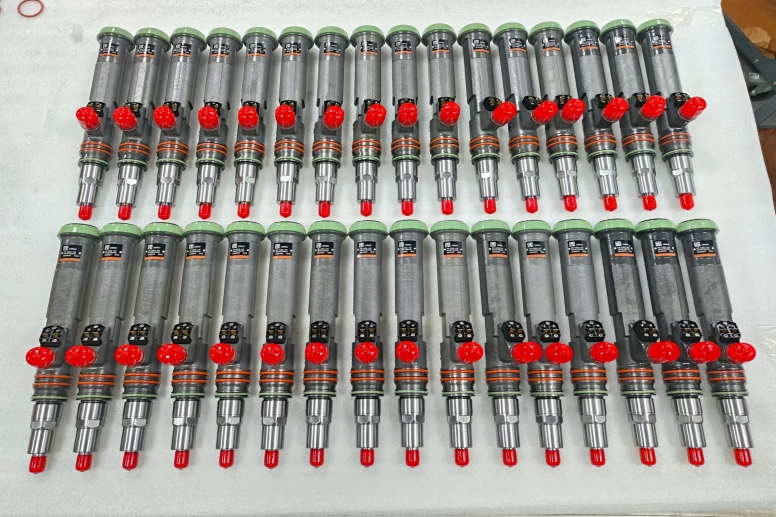
MTU 2000 & 4000 Series Engines: Applications, Fuel System Faults, and Injector Maintenance Guide
MTU 2000 & 4000 Series Engines: Applications, Fuel System Faults, and Injector Maintenance Guide
When it comes to heavy-duty diesel power, MTU Series 2000 and 4000 engines stand among the most reliable and widely used platforms in marine, industrial, and power generation sectors. Built by Rolls-Royce Power Systems, these high-speed four-stroke diesels deliver exceptional performance—but like any precision machinery, they demand proper fuel system care.
In this guide, we’ll cover:
Where MTU 2000 and 4000 engines are commonly applied
The most frequent fuel system faults and their root causes
Best-practice injector maintenance and replacement schedules
Whether you’re a fleet manager, plant operator, or independent technician, this article will help you extend engine life, reduce downtime, and cut operating costs.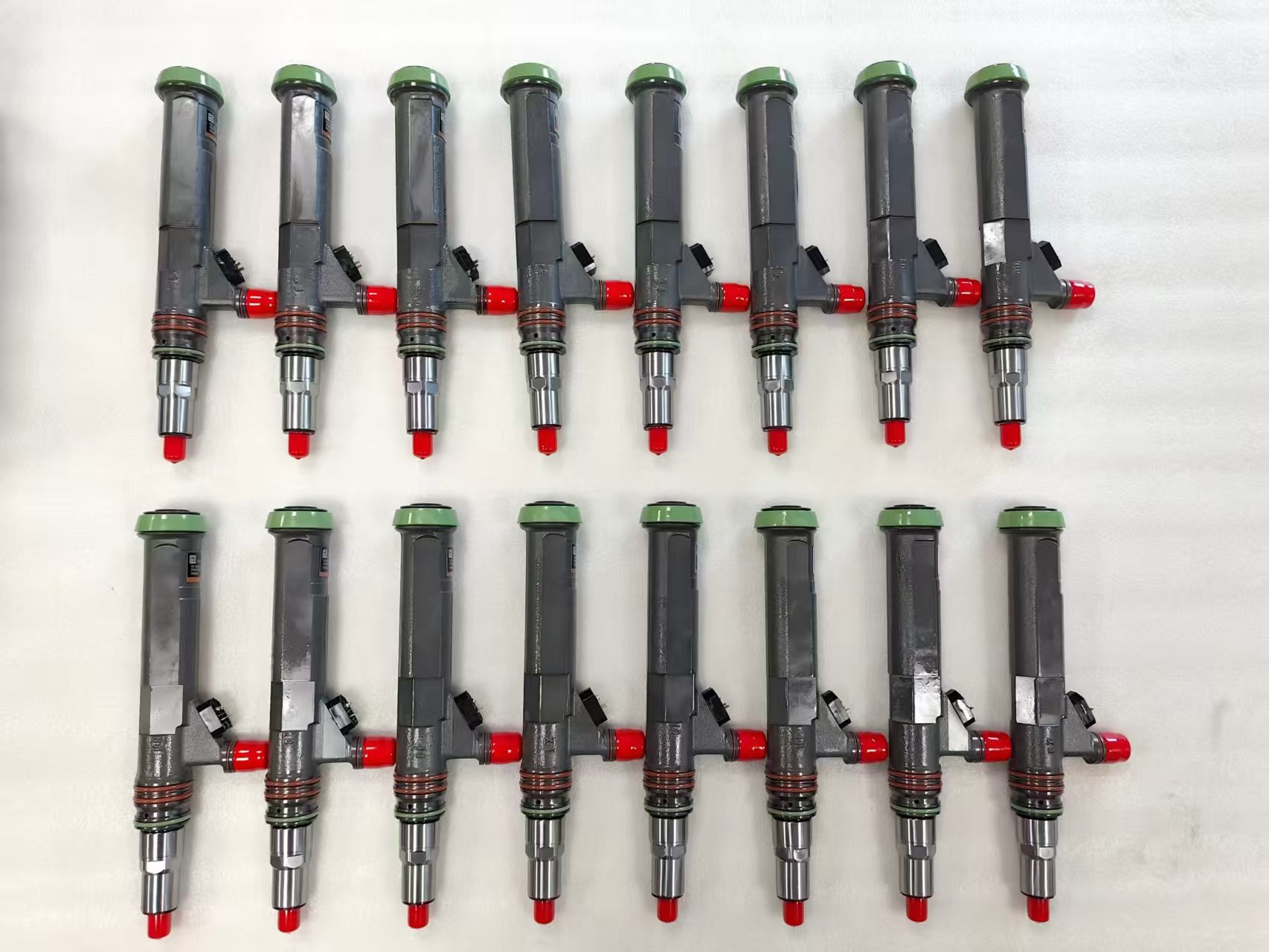
Common Applications of MTU Series 2000 & 4000 Engines
Both series share a modular design philosophy, but they target different power bands and duty cycles.
MTU 2000 Series (Power range: ~270–1,400 kW)
Marine propulsion – Ferries, tugboats, fishing vessels, and fast patrol boats (especially the 2000 M96/L and M94 variants).
Off-highway mining & construction – Haul trucks, excavators, and drill rigs requiring compact, high-torque power.
Rail traction – Locomotives and railcars (Series 2000 rail engines meet stringent emission norms).
Emergency gensets – Hospital, data center, and telecom backup power (2000 P series).
MTU 4000 Series (Power range: ~1,050–4,300 kW)
Large marine main and auxiliary – Ocean-going yachts, offshore supply vessels, coast guard cutters (12V/16V/20V 4000 M series).
Heavy industrial – Crushers, pumps, and compressors in continuous 24/7 operation.
Prime power generation – Remote mining sites, oil & gas fields, and large-scale CHP plants (4000 P and L series).
Data center tier-4 backup – Where rapid load acceptance and high reliability are non-negotiable.
Both families share common fuel injection technology—common rail (CR) systems with solenoid or piezoelectric injectors—making their fuel system fault patterns similar.
Common Fuel System Faults in MTU 2000 & 4000 Engines
The MTU common rail system operates at pressures up to 2,200 bar (for later Tier 4/Stage V models). High pressure means tight tolerances—and zero tolerance for contamination. Here are the top seven faults observed in the field:
1. Injector Sticking / Needle Binding
Symptoms: Rough idle, misfire, white smoke at cold start, uneven cylinder contribution.
Root cause: Poor fuel quality (high wax content or biodiesel degradation) or water ingress causing corrosion on the needle/seat.
Impact: Unburnt fuel dilutes engine oil, leading to bearing wear.
2. Injector Nozzle Erosion / Sac Volume Increase
Symptoms: Black smoke under load, increased fuel consumption, EGT (exhaust gas temp) imbalance.
Root cause: Abrasive particles (silica, rust) from tank sludge or poor filtration erode the microscopic nozzle orifices.
Impact: Reduced injection pressure, delayed combustion, and eventual piston ring sticking.
3. Leak-Off Return Line Blockage
Symptoms: High rail pressure fluctuations, frequent “rail pressure monitoring” alarms.
Root cause: Carbonized or wax-deposited return lines restrict excess fuel flow from injectors back to tank.
Impact: Over-pressurisation can damage high-pressure pump and injector internal servo valves.
4. Suction Control Valve (SCV) / Metering Unit Failure
Symptoms: Erratic rail pressure, hard starting, or no-start (especially after hot shutdown).
Root cause: Contaminated fuel wears the SCV spool, causing internal leakage.
Impact: The ECU cannot maintain target rail pressure, triggering engine derate.
5. Rail Pressure Sensor Drift
Symptoms: Mismatch between requested and actual pressure; sudden power loss.
Root cause: Sensor diaphragm fatigue from pressure pulsations or electrical connector corrosion.
Impact: Incorrect feedback leads to either over-fuelling (smoke, high thermal load) or under-fuelling (power loss).
6. Water in Fuel – Severe
Symptoms: White/steam-like exhaust, rapid injector tip cracking.
Root cause: Condensation or lack of daily water drain from fuel/water separators.
Impact: Water does not lubricate—it causes micro-welding between plunger and barrel, destroying injectors within hours.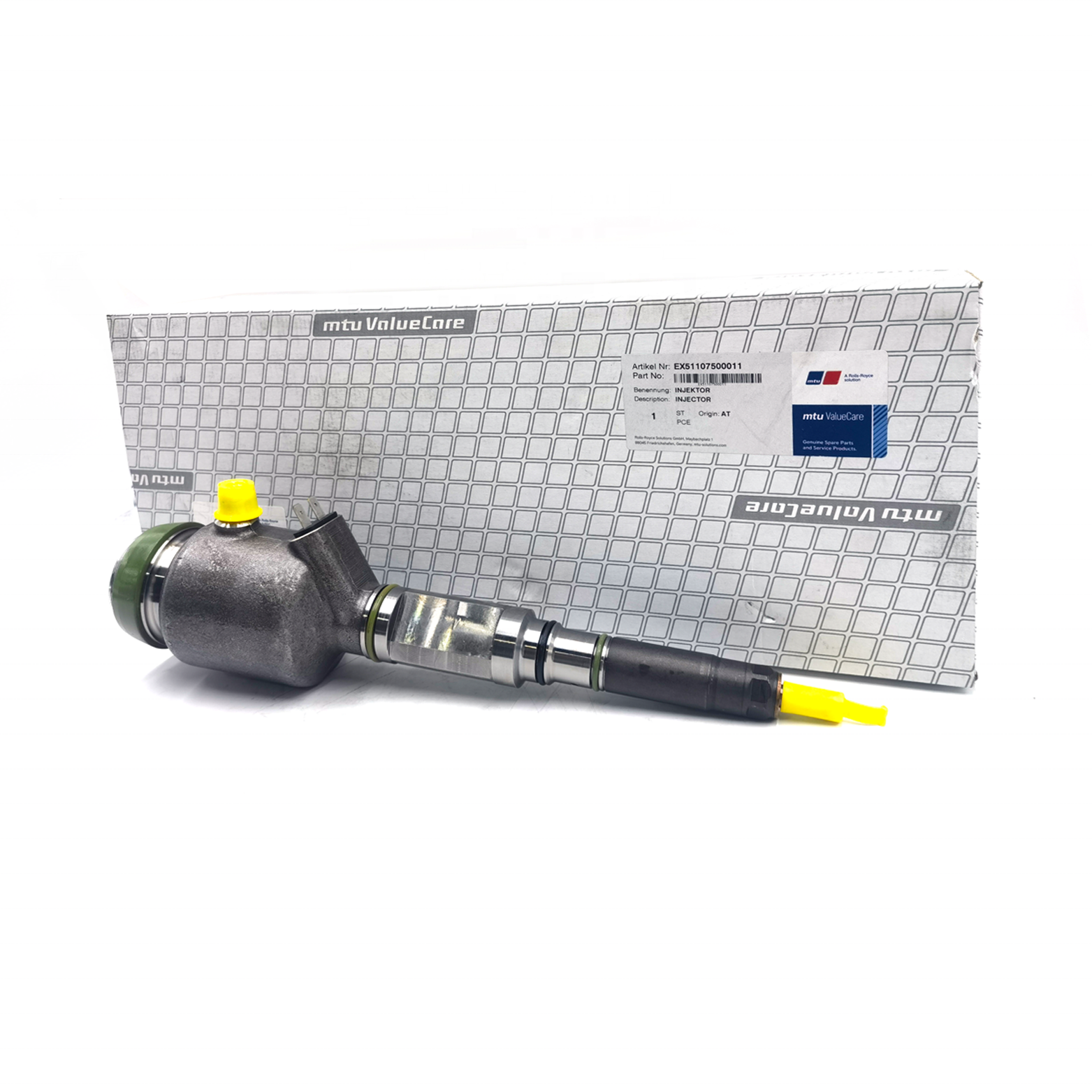
7. Biodiesel / FAME Degradation
Symptoms: Filter plugging, sticky injectors, gum deposits on control pistons.
Root cause: Modern MTU engines tolerate B7–B20, but poor-quality biodiesel oxidises and forms varnish at high injection temperatures.
Impact: Slow response of injector servo valve, leading to uneven injection timing.
MTU Injector Maintenance – Best Practices
MTU recommends injector service intervals based on operating hours, but duty cycle and fuel quality are more important than calendar time. Here’s our expert-validated regime:
Preventive Maintenance Schedule
| Component | Standard Interval | Harsh Conditions (off-shore, high-sulfur, biofuel) |
|---|---|---|
| Injector nozzle inspection | 6,000 hours | 4,000 hours |
| Full injector overhaul | 12,000 hours | 8,000 hours |
| Leak-off line cleaning | Every 3,000 hours | Every 1,500 hours |
| Fuel filter replacement | 1,000 hours | 500 hours (plus daily water drain) |
| Rail pressure relief valve | 10,000 hours | 6,000 hours |
Critical Maintenance Tasks (Do’s & Don’ts)
Do use MTU-approved test benches (e.g., Hartridge, Denso) for injector flow and spray-pattern validation.
Do replace all copper sealing washers and O-rings when re-installing injectors—torque to specification (usually 130–150 Nm for series 4000).
Do perform a fuel system bleed after any injector replacement using the MTU diagnostic tool (e.g., DDEC or ADEM) to purge air before first start.
Don’t mix old and new injectors on the same rail—replace in full sets per bank to maintain uniform flow (unless flow-matched reman units are available).
Don’t reuse high-pressure fuel lines; once loosened, the fitting’s metal-to-metal seal is compromised and can leak at 2,000+ bar—a fire hazard.
Advanced Tip – Injector Trim Code Programming
After replacing an injector on Series 4000 (especially with electronic unit injectors or CR injectors with individual C2I codes), you must program the new injector’s trim code into the engine ECU. Failure to do so results in cylinder-to-cylinder imbalance, knocking, and elevated NOx. This requires a diagnostic laptop with MTU’s EMR or DIAG software.
When to Replace – Not Just Overhaul
There’s a difference between reconditioning (cleaning, nozzle replacement, plunger/barrel lapping) and replacement (new OEM injector). We recommend full replacement in these scenarios:
Total hours exceed 18,000 – even if performance seems fine, internal wear reduces injection rate faster than the ECU can compensate.
One injector has a catastrophic failure (e.g., broken nozzle tip) – metal debris may have entered the rail; replace all injectors and flush the rail and pump.
After a “runaway” or overheating event – thermal distortion can alter injector body dimensions; replacement is the safe economic choice.
When switching fuel grades (e.g., from DMA to heavy residual blends, or from B7 to B100) – older injectors may not handle the viscosity/ lubricity change; replace with updated part numbers.
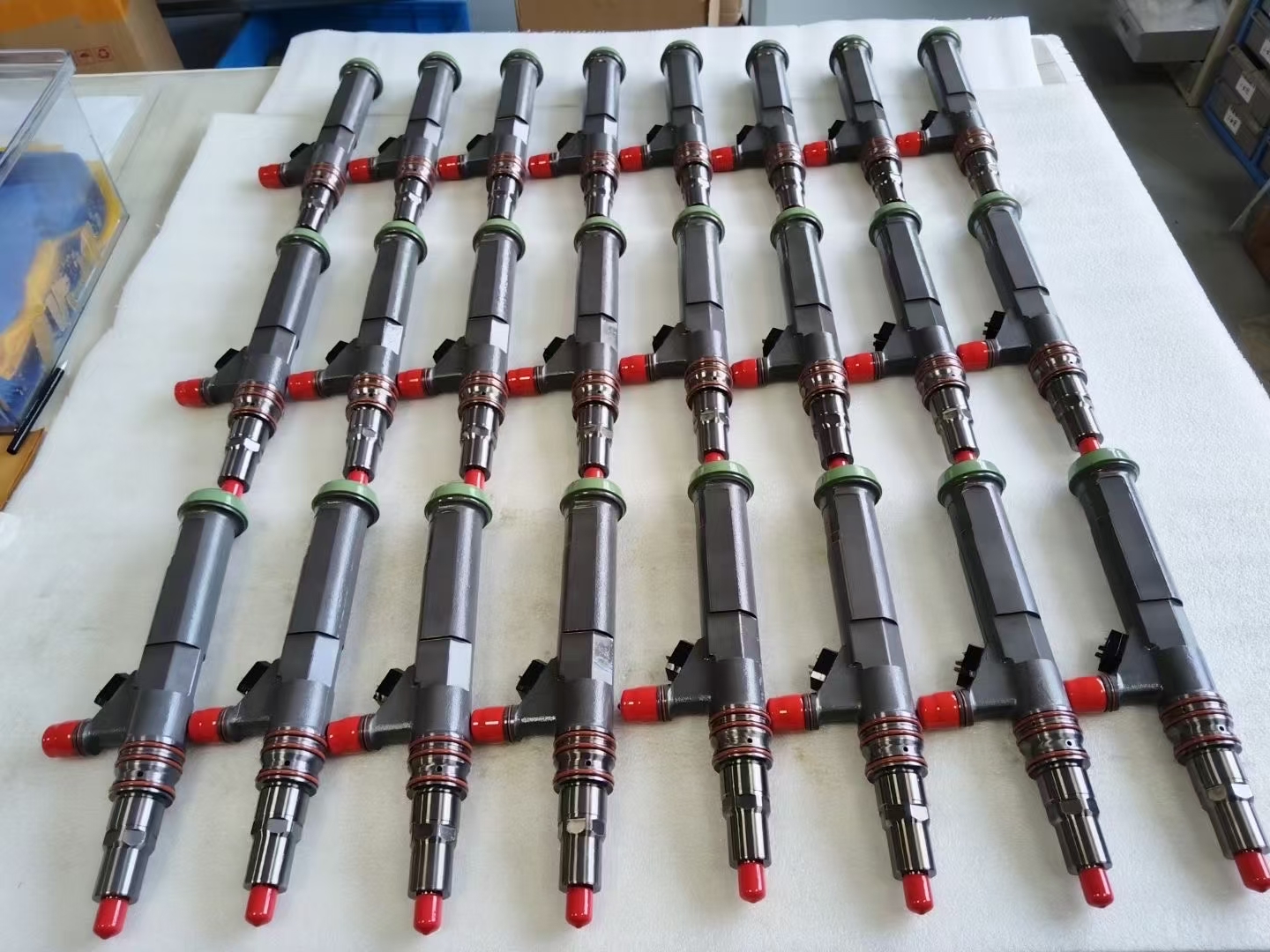
Choosing Replacement Injectors – OEM vs. Reman
OEM new (Rolls-Royce / MTU genuine) – guarantees exact spray pattern, flow rate, and solenoid response. Ideal for warranty-covered assets and tier-4 engines.
MTU-certified remanufactured – 30–40% cheaper, with new nozzles and calibrated plungers. Acceptable for older (Tier 2/3) engines, but ensure they come with a flow-matching certificate.
Aftermarket – We strongly advise against non-genuine copies. Our field data shows aftermarket injectors fail 3× faster and cause secondary pump damage in MTU common-rail systems.
Fuel System Health – Proactive Measures
To keep your MTU 2000/4000 fuel system running past 20,000 hours, implement these daily/weekly checks:
Drain water separators every 8 operating hours (or before each shift).
Take fuel samples quarterly – test for ISO 4406 cleanliness (target ≤18/16/13) and water content (<200 ppm).
Monitor fuel inlet temperature – keep below 60°C to prevent viscosity breakdown and cavitation.
Use only MTU-approved fuel filters (with 4–6 μm absolute rating) – generic filters have lower burst strength and can collapse under cold-start pressure spikes.
Log injection correction factors via engine diagnostics – a trend of increasing correction values (above ±3 mm³/stroke) indicates injector wear before symptoms appear.
Final Expert Recommendation
Don’t wait for faults to show. Modern MTU engines have sophisticated OBD (On-Board Diagnostics) that can detect injector deviation early. If you see fault codes 520–532 (injector circuit), 431 (rail pressure control), or 634 (cylinder balance), treat them as a yellow flag – schedule injector inspection within 50 hours, not 500.
Partner with an authorised MTU service centre for injector exchange programmes – many offer core exchange with fixed turnaround times, minimising your vessel or plant downtime.