



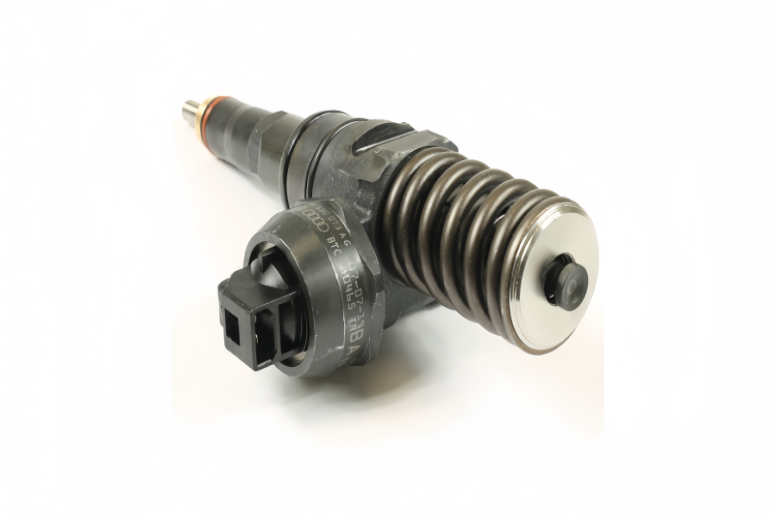
Rough Idle on a Diesel? How to Tell If It’s an Injector or Something Else
A rough idle on a diesel engine is one of the most common—and most misunderstood—symptoms in diesel diagnostics. It can feel like a shake, stumble, misfire, vibration, or uneven “lope” at stoplights. Sometimes it disappears as soon as you touch the throttle. Other times it gets worse when the engine is cold, hot, or under load.
The big question is: is it a failing diesel injector, or something else?
Injectors are often blamed first—and sometimes rightly so. But rough idle can also come from air in the fuel system, low rail pressure, a clogged fuel filter, EGR problems, compression loss, glow plug issues, or even worn engine mounts. This guide explains how to tell the difference before you spend money on the wrong repair.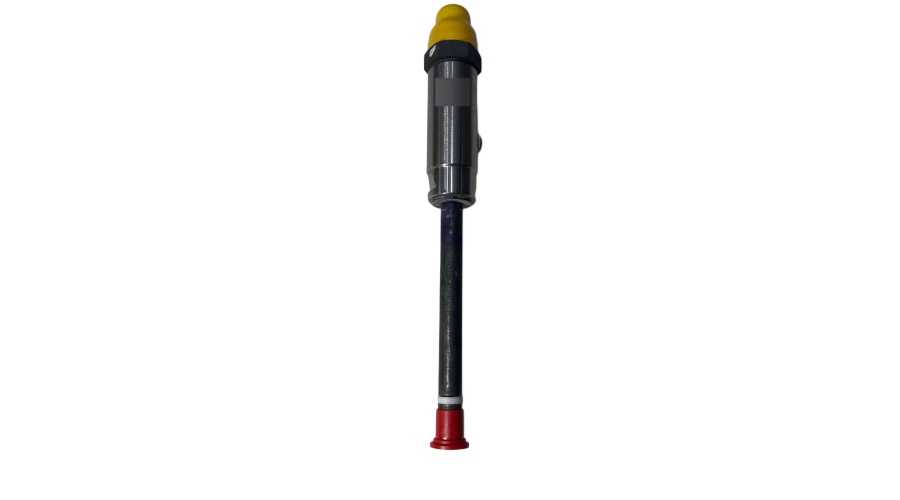
Quick Answer: Injector vs. Something Else
| Clue | More Likely Injector Issue | More Likely Another Cause |
|---|---|---|
| Misfire on one specific cylinder | ✅ Yes | Possible compression issue |
| Rough idle cold and hot | ✅ Often | Glow plugs usually cold-only |
| Black or white smoke at idle | ✅ Often | EGR/air/fuel pressure also possible |
| Hard starting + rough idle | ✅ Possible | Fuel drain-back/air ingress common |
| Injector balance/contribution DTCs | ✅ Strong clue | Low fuel pressure can mimic |
| Rough idle only when cold | Less likely | ✅ Glow plugs, compression |
| Rough idle with surging/hunting | Possible | ✅ Air in fuel, pressure control |
| Rough idle after fuel filter change | Less likely | ✅ Air ingress/filter issue |
No single symptom proves an injector is bad. The strongest diagnosis comes from combining scan data, fuel pressure tests, injector back-leak testing, and cylinder contribution tests.
What a Diesel Rough Idle Looks and Feels Like
Diesel rough idle can appear as:
Shaking or vibration through the steering wheel or seat
Uneven exhaust note or “chugging”
Intermittent misfire or stumble
White, black, or blue smoke at idle
Strong diesel smell in the exhaust
Rpm fluctuation or surging
Hard starting when cold or after sitting
Reduced power or hesitation off idle
Pay attention to when it happens. Cold-only, hot-only, all-the-time, and load-dependent rough idle point to different systems.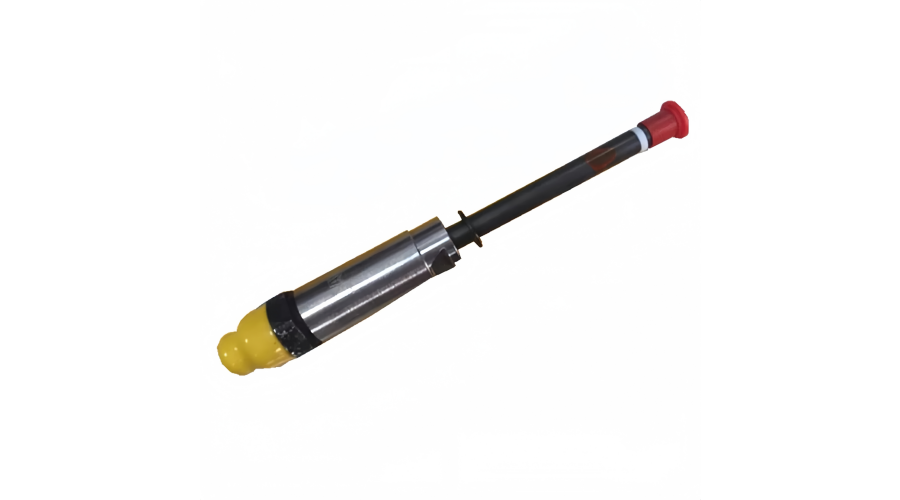
How to Tell If It’s a Diesel Injector
Failing diesel injectors usually cause cylinder-specific symptoms. Because each injector controls fuel delivery to one cylinder, a bad injector often makes the engine feel like one cylinder is weaker than the rest.
Signs that point toward injectors
Cylinder-specific misfire
A scan tool with cylinder contribution or balance rates may show one cylinder over-fueling or under-fueling. On common-rail diesels, injector balance data is one of the most useful clues.Rough idle that does not clear when warm
Glow plug problems usually improve after warm-up. Injector wear often remains—or changes—as the engine warms.Excessive injector back-leakage
A back-leak test measures fuel returning from each injector. Excessive return flow suggests internal injector wear or leakage.Smoke and fuel smell at idle
A dripping or poorly atomizing injector can cause black smoke, white haze, or a sharp diesel smell. Blue smoke may indicate fuel dilution of engine oil—a serious concern.Hard starting plus rough running
Worn injectors can leak pressure back to the tank, causing long crank times and uneven idle after startup.Injector-related trouble codes
Codes such as P0201–P0208 (injector circuit faults), P0087 (rail pressure too low), or injector balance/contribution codes can point toward injectors—but low fuel pressure can trigger similar symptoms.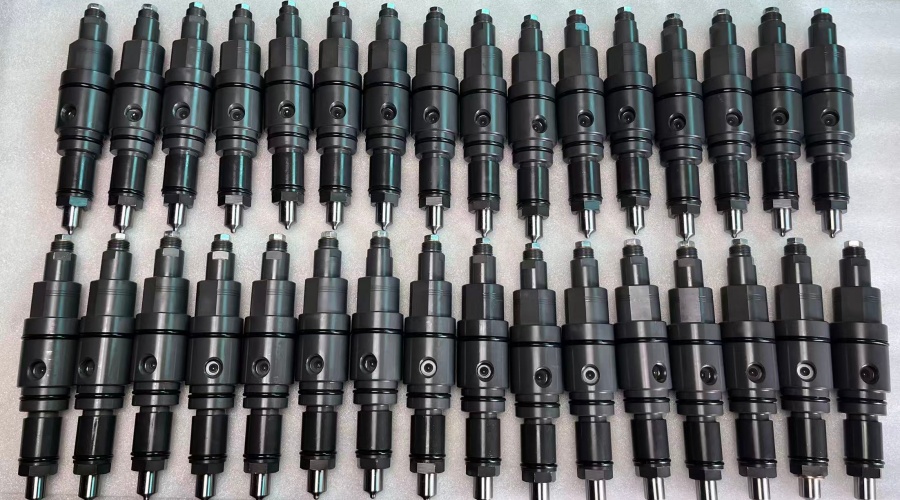
Important caveat
A bad injector is not always the root cause. A weak high-pressure fuel pump, clogged filter, or air leak can make good injectors behave badly. Always verify fuel pressure and air ingress before replacing injectors.
Other Common Causes of Rough Diesel Idle
1. Air in the Fuel System
Air ingress is a classic diesel rough-idle culprit. It often appears after fuel filter replacement, low fuel level, or a leaking fuel line. Symptoms include surging, hunting, hard starting, and a rough idle that may improve after revving.
Check: Inspect fuel lines, filter seals, water separators, and bleed the system if needed.
2. Clogged Fuel Filter or Restricted Fuel Flow
A restricted filter can cause low fuel pressure and uneven delivery, especially at idle. It may also trigger rail pressure codes.
Check: Fuel filter service history, pressure readings, and flow tests.
3. Low Fuel Rail Pressure / High-Pressure Pump Wear
Common-rail diesels need stable rail pressure at idle. A weak high-pressure pump, pressure control valve issue, or fuel pressure regulator fault can cause rough idle and low-power symptoms.
Check: Compare commanded vs. actual rail pressure at idle and under load.
4. EGR Valve or EGR Cooler Issues
A stuck or leaking EGR valve can cause rough idle, white smoke, and stumbling. EGR problems often appear at idle and low load.
Check: Scan EGR commanded vs. actual position, inspect for carbon buildup, and check for coolant loss if white smoke is present.
5. Glow Plug or Cold-Start System Fault
If rough idle happens only when cold and clears after warm-up, glow plugs or the glow plug control module are more likely than injectors.
Check: Glow plug codes, resistance tests, and cold-start behavior.
6. Compression Loss
Worn rings, valve sealing issues, or a head gasket problem can cause a steady misfire and rough idle. Compression loss often mimics an injector fault because one cylinder is weak.
Check: Relative compression test, cylinder leak-down, and oil/coolant inspection.
7. Engine Mounts and Drivetrain Vibration
Sometimes the engine runs fine but feels rough because worn engine mounts transmit vibration. This is especially common if the vibration is felt in the cab but scan data looks normal.
Check: Visual inspection of mounts and compare vibration in neutral vs. under load.
8. MAF/MAP Sensor or Intake Leak
Incorrect air measurement can upset idle fueling. A dirty MAF sensor, boost leak, or intake restriction can cause rough idle and poor driveability.
Check: Live data for MAF/MAP, intake inspection, and boost leak testing.
Step-by-Step Diagnosis: Injector or Something Else?
Step 1: Scan for DTCs and Freeze-Frame Data
Start with a quality diesel scan tool. Look for injector circuit codes, rail pressure codes, EGR codes, glow plug codes, and misfire/contribution data. Don’t replace parts based on one code alone.
Step 2: Check Fuel Pressure and Air Ingress
Compare commanded vs. actual rail pressure at idle. Inspect the fuel filter, lines, and seals for air leaks. A clear hose on the return line can sometimes reveal air bubbles.
Step 3: Run an Injector Back-Leak Test
This is one of the most direct injector tests. Excessive return flow from one or more injectors suggests internal wear or leakage.
Step 4: Perform Cylinder Contribution / Balance Testing
Use scan data or a cylinder cutout test to see which cylinder is weak. If one cylinder consistently stands out, injector or compression is the main suspect.
Step 5: Rule Out Compression and Cold-Start Issues
If the problem is cold-only, test glow plugs first. If the misfire is steady and cylinder-specific, perform relative compression and leak-down testing.
Step 6: Inspect EGR and Intake Systems
Check EGR position, carbon buildup, boost leaks, and MAF/MAP readings. These faults often mimic injector problems at idle.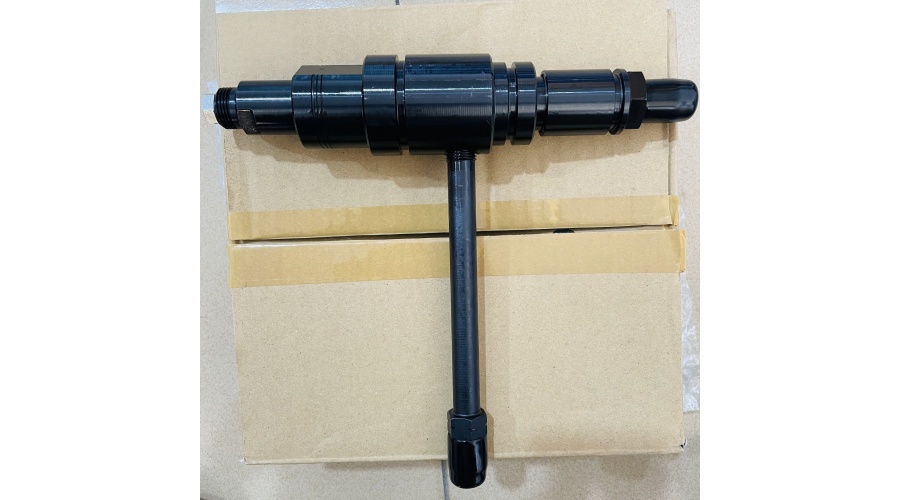
When Should You Stop Driving?
Seek professional diagnosis promptly if you notice:
Flashing check engine light
Heavy black or white smoke
Fuel in the engine oil (oil level rising or diesel smell)
Severe power loss or limp mode
Hard starting that is getting worse
Metal debris in the fuel filter
Fuel dilution can damage bearings quickly. Excessive smoke and limp mode can indicate a serious fuel system or engine fault.
Bottom Line
A rough idle on a diesel is a symptom, not a diagnosis. Injector failure is a strong possibility when the rough idle is cylinder-specific, accompanied by smoke, hard starting, or abnormal injector back-leakage. But air in the fuel, low rail pressure, clogged filters, EGR faults, glow plug issues, and compression loss can produce nearly identical symptoms.
The smartest approach is data-driven: scan for codes, verify fuel pressure, check for air ingress, run a back-leak test, and compare cylinder contribution. That sequence tells you whether the injectors are the cause—or just the victim of another problem.
Still unsure whether your rough idle is an injector or something else? Have a qualified diesel technician perform fuel pressure, back-leak, and cylinder contribution tests before replacing parts