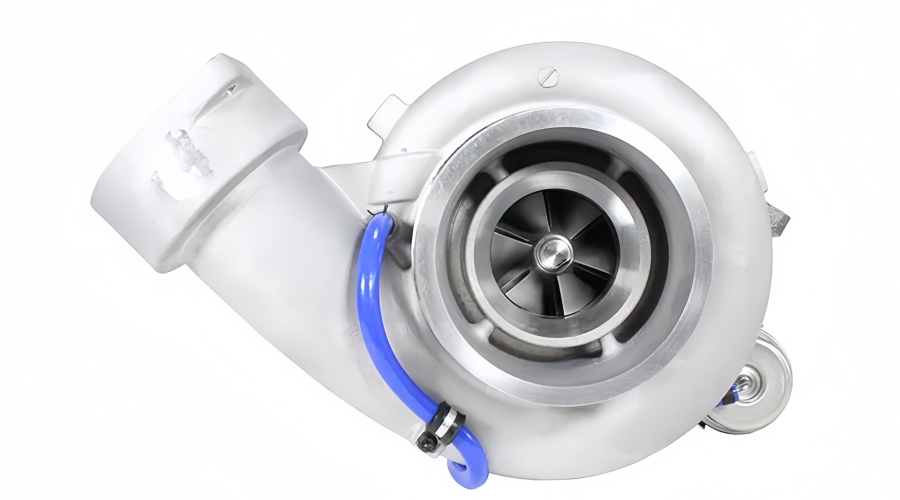
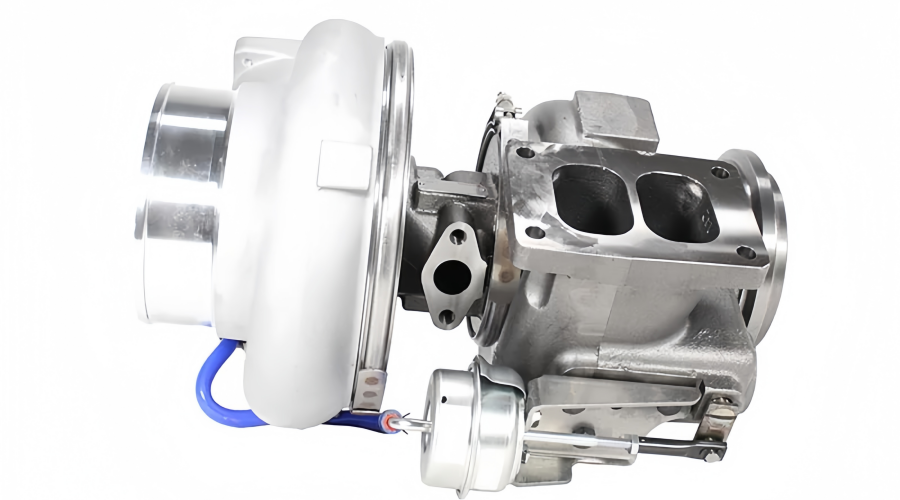
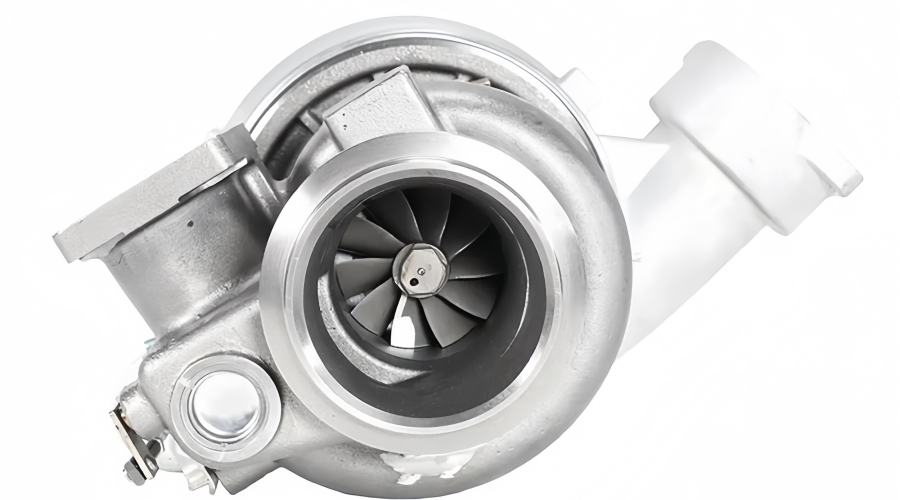
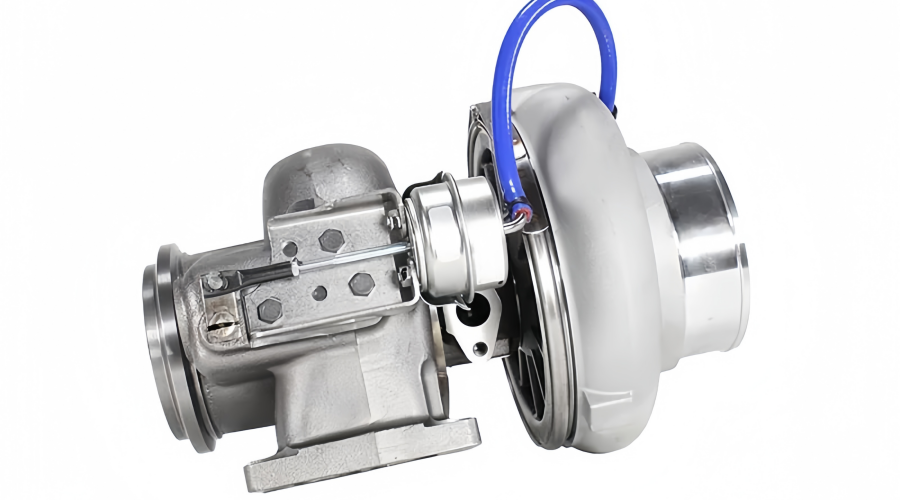
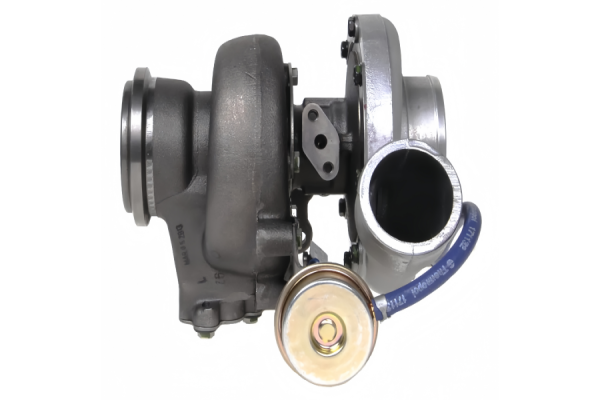
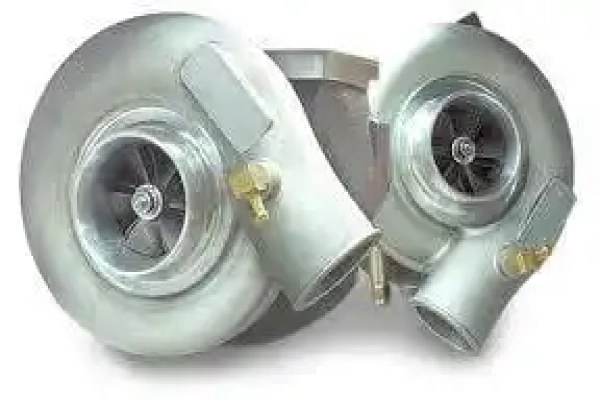
177148 Turbocharger for Caterpillar E3406E, 3406C, C16 Engine – Design Advantages, Working Principle, and Service Guide
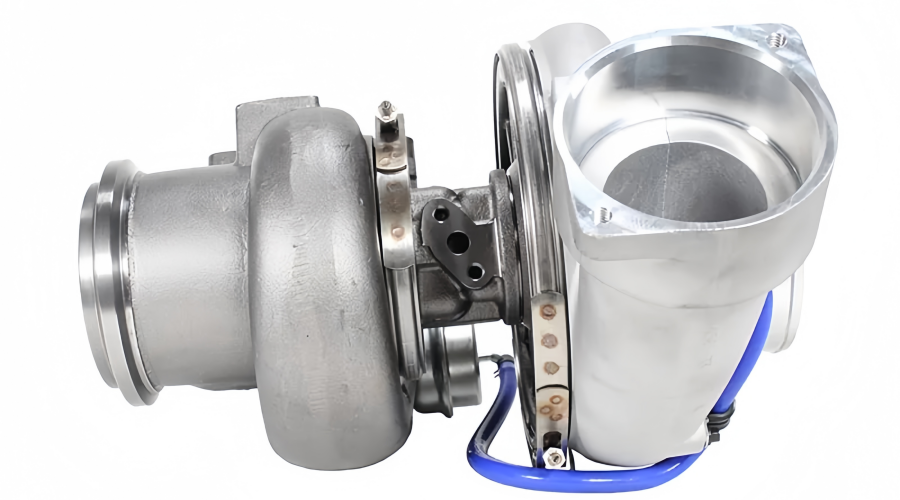
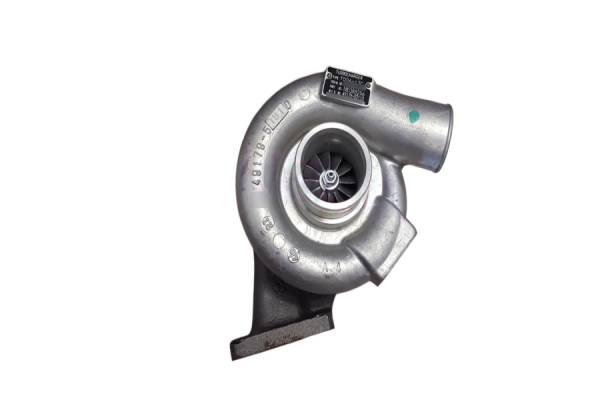
For Caterpillar 3406E, 3406C, and C16 heavy-duty diesel engines, the turbocharger is a core component for boosting power output and fuel economy. The 177148 turbocharger (compatible with OEM numbers and aftermarket high-precision replicas) is specifically designed for this engine platform, significantly improving air intake efficiency and reducing exhaust back pressure. This article provides a professional analysis from five perspectives, and recommends quality supplier Rsolid engine parts.
1. Structural Features & Design Advantages
The 177148 turbocharger features a high-temperature cast iron housing and precision-cast turbine wheel. Key structural advantages include:
Dual ball bearing system (optional upgrade): Compared to traditional floating bearings, ball bearings reduce friction loss, improve transient response, and ensure faster oil pressure build-up during cold starts.
High-efficiency compressor wheel: Back-swept blade design expands compressor flow range and reduces surge risk. The wheel is 5-axis CNC machined and balanced to ISO 1940 G1.0 grade.
Divided turbine housing (optimized for C16 & 3406E pulse boosting): Uses a split scroll to fully utilize exhaust pulse energy, improving low-end torque.
High-temperature sealing rings: Alloy steel rings on the turbine side prevent oil leakage and withstand exhaust temperatures up to 1050°C.
Direct drop-in replacement: Identical mounting interfaces as OEM – no modifications needed for intake/exhaust pipes or lubrication lines, suitable for stock or modified engines.
2. Core Working Principle
The 177148 turbocharger uses exhaust gas energy to drive a turbine, which then spins a coaxial compressor wheel, forcing compressed air into the cylinders. Process:
Exhaust gas drive: High-temperature, high-pressure exhaust from the manifold enters the turbine housing, striking the turbine blades and spinning the turbine up to 80,000–120,000 rpm.
Coaxial boost: The turbine and compressor share a common shaft, so the turbine rotation directly drives the compressor wheel.
Air compression: Air enters the compressor inlet through the air filter, is compressed by the high-speed wheel, raising both temperature and pressure.
Charge air cooling: Compressed hot air passes through a charge air cooler (air-to-air or air-to-water) before entering cylinders, increasing air density – allowing more fuel to be injected and achieving 30-40% power gain.
Lubrication & cooling: Engine oil pump supplies pressurized oil through the bearing housing to lubricate the shaft and bearings, while also carrying away heat.
3. Main Applications
This turbocharger fits the following Caterpillar engines and their typical machinery, trucks, and generator sets:
| Engine Model | Typical Applications |
|---|
| 3406C | CAT 980G wheel loader, D350E articulated truck, G3406 gas generator set |
| 3406E | CAT 14H motor grader, D9R dozer (auxiliary power), Peterbilt/Kenworth heavy trucks (aftermarket) |
| C16 | CAT C16 industrial engine, CAT 589 track-type tractor, oil drilling power units |
Also compatible with other heavy truck engines using the same turbo interface (e.g., Navistar, Western Star).
4. Common Fault Symptoms & Repair/Replacement Tips
Typical Symptoms
Loss of power: Slow acceleration, RPM drop under load or climbing, black smoke (insufficient air causes incomplete combustion).
Increased oil consumption: Failed oil seals allow oil into intake or exhaust – blue smoke from exhaust, oil accumulation in charge air cooler.
Unusual noise: Worn bearings or wheel rubbing against housing – high-frequency whistle or metallic grinding.
Abnormal boost pressure: Gauge reading below normal (typical max boost 1.5–2.2 bar gauge depending on tuning).
Oil leakage: Visible oil stains on compressor or turbine end.
Replacement & Repair Tips
Pre-diagnosis: Check intake piping for leaks, air filter restriction, exhaust manifold cracks. Verify pressure with electronic boost gauge.
Disassembly: Disconnect battery ground, remove exhaust pipes, intake pipes, oil drain line. Mark bolt positions.
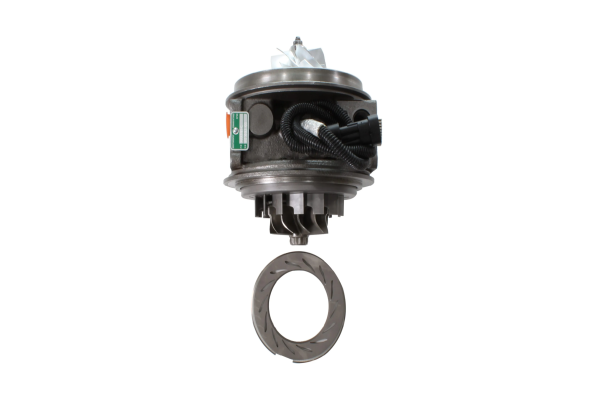
Rotor inspection: After removal, spin turbine shaft by hand – should rotate smoothly without binding. Axial play ≤0.15mm, radial play ≤0.5mm (refer to service manual).
Replacement rules: Always change engine oil and oil filter simultaneously, clean oil residue from charge air cooler. Pre-lube bearing housing with oil before installing new turbo.
Torque specs: Follow OEM torque (e.g., M10 bolts 45-50 N·m). Use high-temperature anti-seize compound.
Start-up test: Idle for 2-3 minutes to confirm oil pressure before loading. Check for air/oil leaks.
5. Rsolid Engine Parts – Supplier Advantages
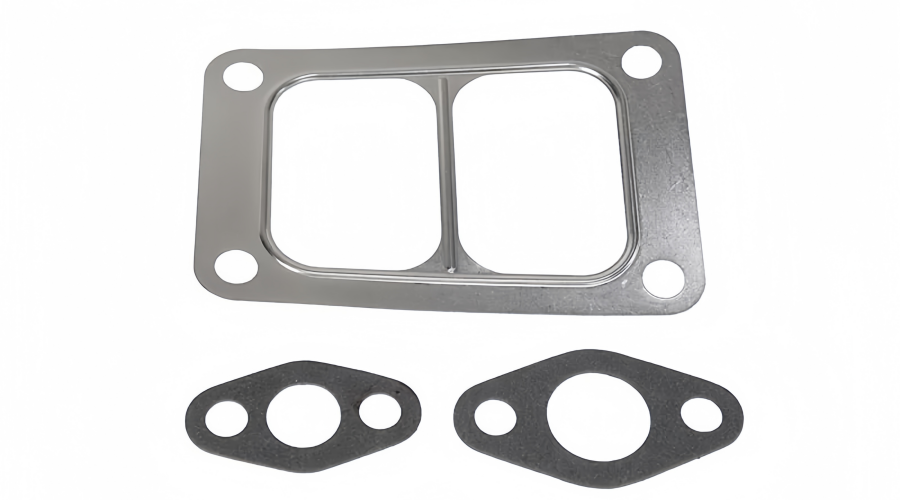
Rsolid engine parts (website: www.rinjector.com) is a professional supplier of fuel injection and turbocharging systems for Caterpillar, Cummins, and other heavy-duty engines. They offer the 177148 turbocharger and full accessory kits. Advantages include:
OEM-standard manufacturing: Same casting molds and material specifications as original. 100% dynamic balancing test (ISO 1940-1).
Strict quality control: Each unit undergoes leak testing, overspeed test (120% rated speed), and vibration analysis – zero failure rate on installation.
Technical support & warranty: 12 months or 100,000 km warranty (whichever first). Remote installation guidance and troubleshooting by professional engineers.
Fast logistics: Domestic warehouses (Guangzhou, Shanghai) and overseas hubs (Dubai, Houston). Most orders shipped within 24 hours.
Bulk discounts: Tiered pricing for repair shops and fleet customers. OEM/ODM custom packaging available.
Easy contact: WhatsApp +8615975376778 – 24/7 online for technical inquiries and quotes.