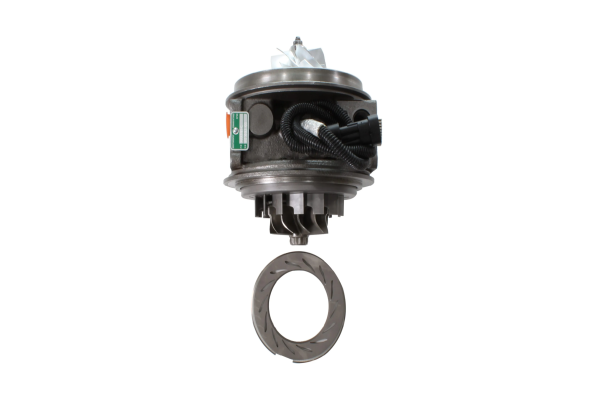
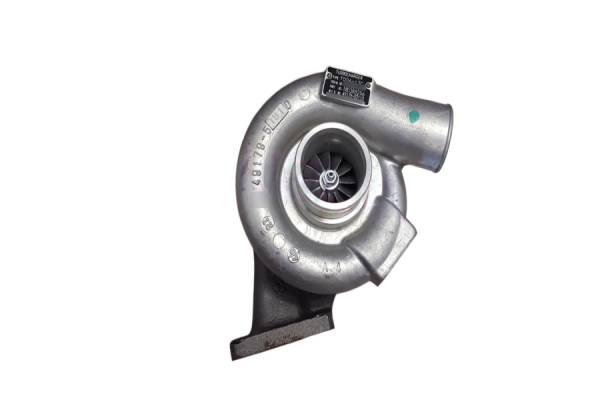
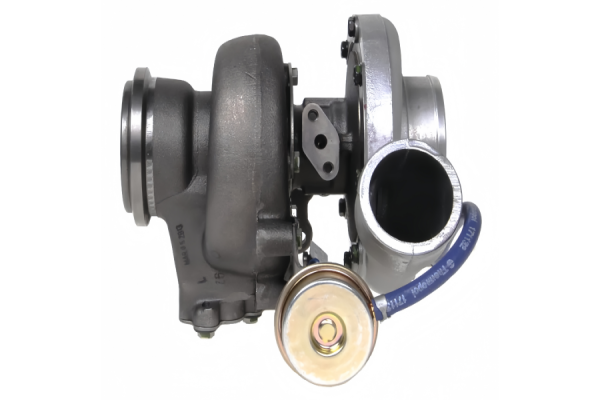
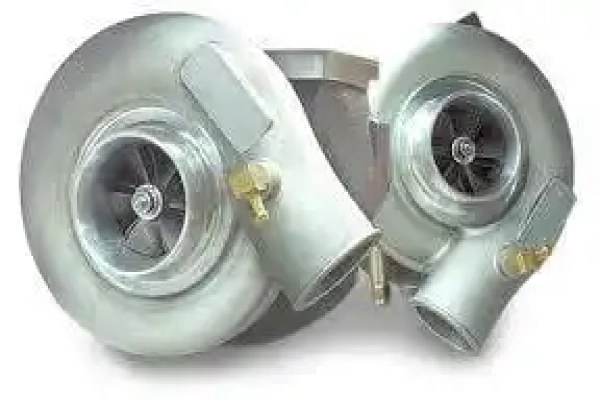
49182-06610 Turbocharger for Yanmar Marine 6AYL Engine – Dependable Boost for Marine Diesel Performance
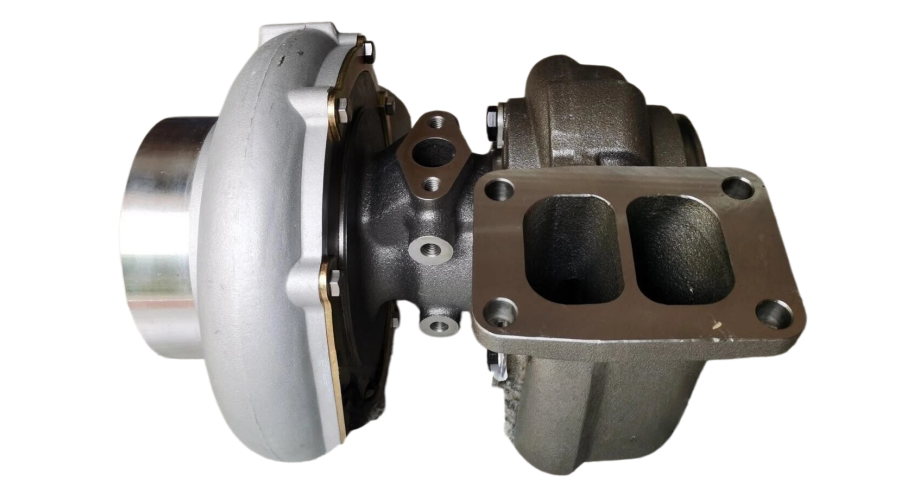
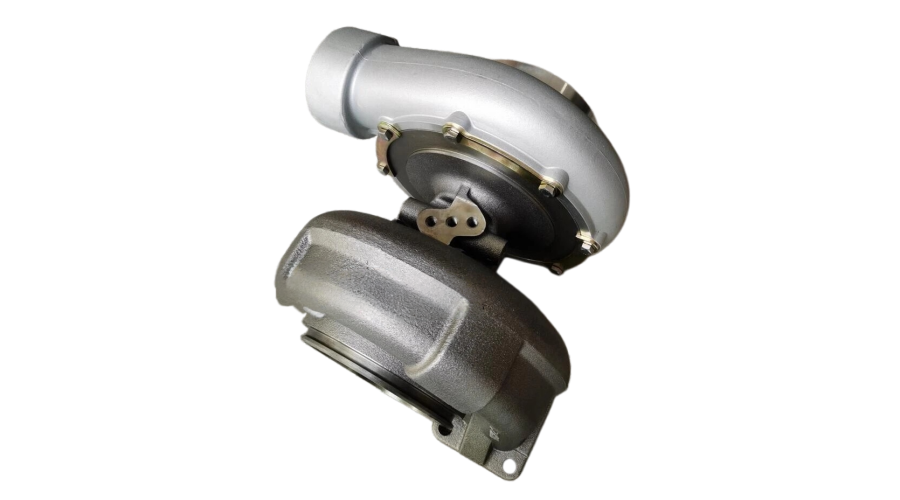
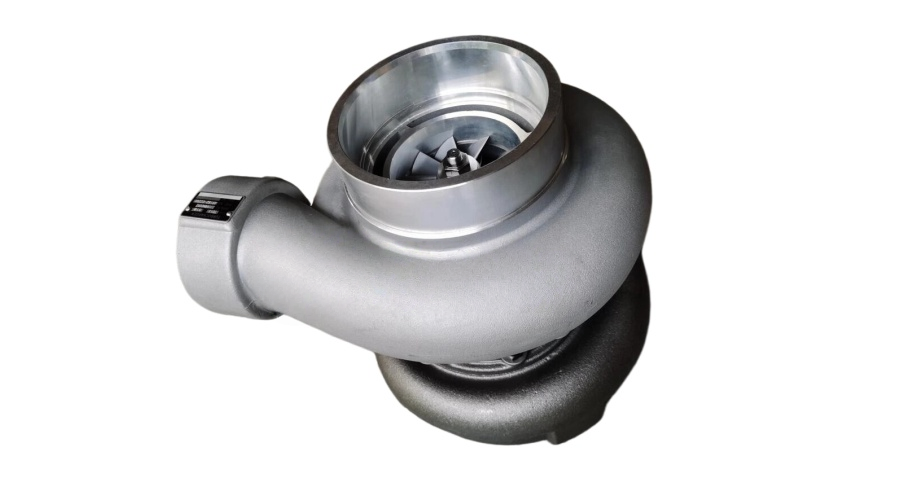
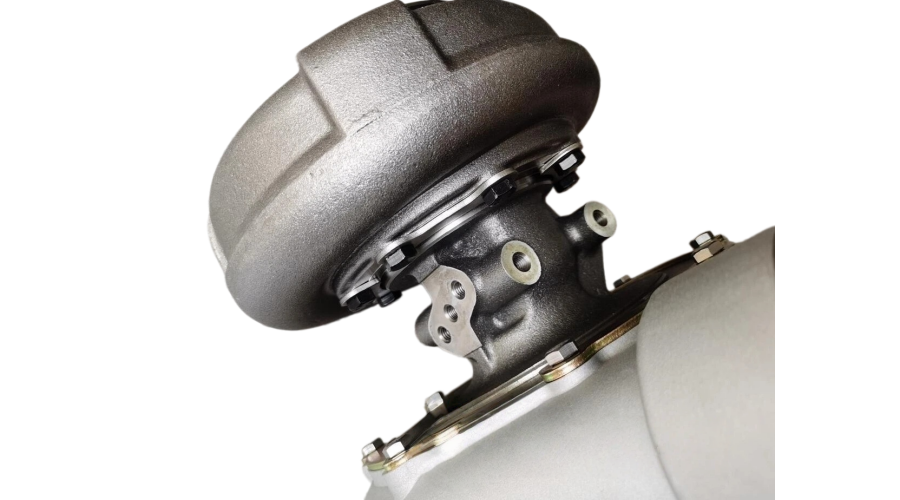
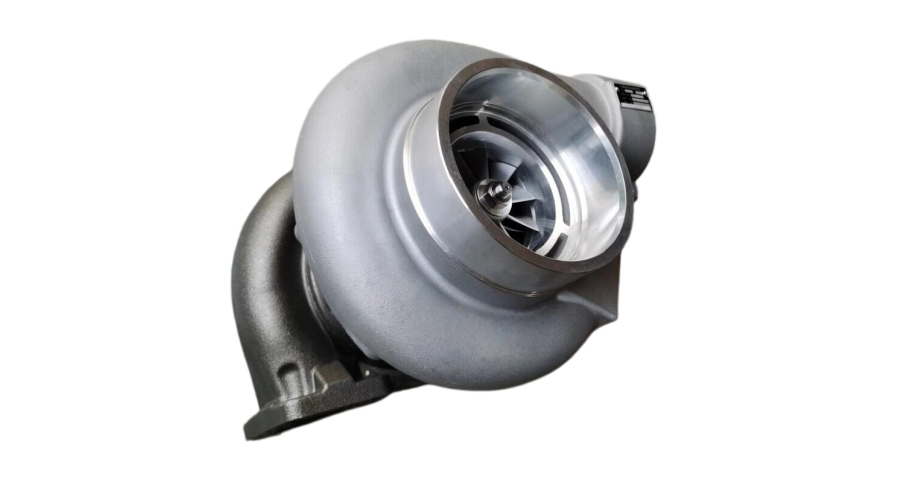
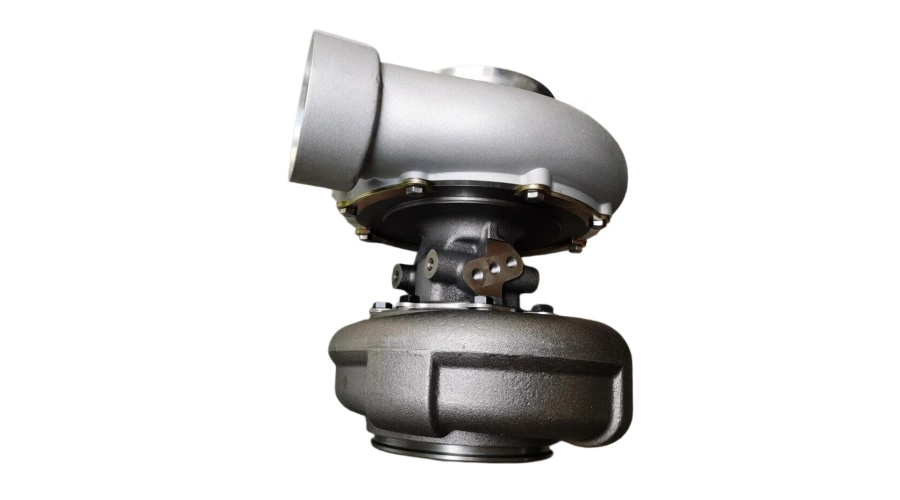
The 49182-06610 Turbocharger is a high‑performance, seawater‑resistant turbocharger engineered specifically for the Yanmar 6AYL marine diesel engine. Whether you operate a fishing vessel, workboat, or pleasure craft, this turbocharger restores lost power, reduces exhaust smoke, and improves fuel economy in harsh saltwater environments.
1. Structural Features and Advantages of the 49182-06610 Turbocharger
The 49182-06610 turbocharger is built to withstand the unique demands of marine propulsion – continuous high loads, salt spray, and elevated exhaust back pressure. Its key design advantages include:
Corrosion‑resistant turbine housing – Made from high‑nickel cast iron with a protective coating to resist saltwater corrosion and thermal cracking (exhaust temperatures up to 850°C).
Marine‑grade compressor wheel – Forged aluminium alloy with an anti‑corrosion anodised finish, optimised for high flow at low boost thresholds.
Heavy‑duty floating journal bearings – Dual oil‑film bearings designed for extended periods of low‑speed operation (e.g., trolling) without oil film breakdown.
Integrated wastegate with marine calibration – Maintains stable boost pressure (typically 12–20 PSI) to prevent over‑boost while allowing rapid throttle response.
Direct bolt‑on fitment – Replaces Yanmar OEM part numbers 49182-06610, 49182-06600, 119770-35200, and 119770-35210 for 6AYL engines.
Water‑cooled centre housing (optional) – Some variants include water cooling to prevent oil coking during extended idle or slow manoeuvring.
Oil slinger and labyrinth seals – Minimise oil leakage into the turbine or compressor, critical for marine installations where bilge cleanliness matters.
These features result in lower exhaust gas temperatures (EGT), reduced turbo lag, and extended turbo life – even in continuous high‑load marine duty cycles.
2. Core Working Principle
The 49182-06610 turbocharger operates on the same exhaust gas energy recovery principle as automotive turbos, but is tuned for marine engine characteristics. Here is the step‑by‑step process:
Exhaust gas entry – Engine exhaust from the Yanmar 6AYL flows into the turbine housing at high velocity.
Turbine wheel rotation – The gas spins the turbine wheel (made of Inconel or high‑nickel alloy) at speeds up to 100,000–110,000 RPM.
Common shaft drive – The turbine and compressor wheels share a single shaft, so the compressor spins simultaneously.
Air compression – The compressor wheel draws ambient air through the marine air filter/separator, compresses it, and forces it into the engine intake manifold.
Increased power output – Denser air allows more fuel to be burned per cycle, increasing horsepower by 25–35% without increasing engine displacement.
A wastegate bypasses excess exhaust gas around the turbine once the preset boost level is reached, preventing over‑boost and protecting the engine. Marine variants often have a slightly higher wastegate spring rate to compensate for higher exhaust back pressure from wet exhaust systems.
3. Primary Applications / Main Equipment
The 49182-06610 turbocharger is specifically designed for Yanmar 6AYL marine diesel engines (6‑cylinder, 9.8–11.0L displacement, naturally aspirated or turbocharged variants). Typical applications include:
Commercial fishing vessels – Trawlers, longliners, and crab boats powered by single or twin Yanmar 6AYL engines.
Workboats – Tugboats, pilot boats, and utility vessels requiring reliable propulsion.
Pleasure craft – Large yachts, sportfishers, and cruiser stern trawlers with Yanmar 6AYL.
Marine auxiliary gensets – Generator sets using 6AYL engine blocks for auxiliary power.
Small cargo vessels – Coastal freighters and landing craft.
This turbocharger is a direct OEM replacement for part numbers: 49182-06610, 49182-06600, 119770-35200, 119770-35210, and 129050-35200.
⚠️ Note: Always verify your engine’s exact model (6AYL, 6AYL‑T, 6AYL‑ST) and turbo flange pattern before ordering.
4. Common Failure Symptoms & Repair/Replacement Guidelines
Typical Failure Signs in Marine Environments:
| Symptom | Possible Cause |
|---|
| Loss of power / reduced vessel speed | Low boost due to worn bearings, stuck wastegate, or fouled turbine wheel |
| Black smoke from exhaust (at cruise or WOT) | Insufficient air supply (clogged marine air filter, damaged compressor) |
| Blue or white smoke | Oil seal leakage – oil entering intake or exhaust (common after prolonged idle) |
| Squealing, grinding, or rattling noise | Turbine/compressor wheel rubbing housing (bearing failure) |
| High exhaust gas temperature (EGT) | Turbo not spinning freely, restricting airflow |
| Oil leaks into bilge from turbo centre housing | Clogged oil drain, worn piston rings, or excessive crankcase pressure |
| Boost pressure surging or fluctuating | Wastegate actuator diaphragm failed or linkage corroded (saltwater exposure) |
| Saltwater corrosion on housing | Cracking or pitting – requires immediate inspection |
Repair and Replacement Key Points for Marine Turbos:
Pre‑removal inspection – Check shaft play (radial >0.6mm, axial >0.15mm indicates replacement). Inspect for saltwater ingress into bearing housing.
Use only marine‑grade replacement – The 49182-06610 must have corrosion‑resistant coatings and appropriate wastegate calibration for marine exhaust systems.
Pre‑lubrication is critical – Pour clean marine diesel engine oil into the oil inlet before installing to prevent dry‑start bearing seizure.
Replace oil feed and drain lines – Marine engines often have longer oil lines that can accumulate sludge; replace with new hoses.
Use new gaskets and anti‑seize on bolts – Saltwater exposure seizes hardware; apply marine anti‑seize compound.
Prime the engine oil system – Crank the engine with fuel shut off until oil pressure builds, then start and idle for 3 minutes.
Check for boost and exhaust leaks – After installation, check all bellows, gaskets, and wet exhaust injection elbows for leaks.
Verify wastegate operation – Use a hand pump to ensure the actuator opens at specified pressure (typically 12–18 PSI for marine low‑boost applications).
⚠️ Critical Marine Note: Always address root causes – restricted raw water flow (causing high EGT), clogged air filter, or contaminated oil – before fitting a new turbo. Marine turbos fail prematurely from oil coking after extended idle or high EGT from overloaded propellers.
5. Why Choose Rsolid Engine Parts as Your Supplier?
Rsolid Engine Parts is a leading global supplier of diesel engine components, including the 49182-06610 turbocharger for Yanmar marine engines. Here are our advantages:
| Advantage | Description |
|---|
| OEM‑grade marine quality | Every turbo is manufactured with corrosion‑resistant coatings to meet or exceed Yanmar marine specifications. |
| 100% tested | Each unit undergoes high‑speed dynamic balancing and leak testing before dispatch. |
| Factory‑direct pricing | Save 25–40% compared to Yanmar dealership prices. |
| Fast worldwide shipping | Same‑day dispatch from our warehouse with tracking number – including sea/air freight options. |
| Marine technical support | Our team understands marine exhaust systems, water‑cooled manifolds, and wastegate calibration for vessels. |
| 12‑month warranty | Full coverage against manufacturing defects. |
| Easy ordering | Order online at www.rinjector.com or via WhatsApp. |
📞 WhatsApp: +8615975376778
🌐Website: www.rinjector.com
Whether you need one turbo for a fishing boat or a bulk order for a fleet of workboats, Rsolid Engine Parts delivers reliability, performance, and peace of mind.