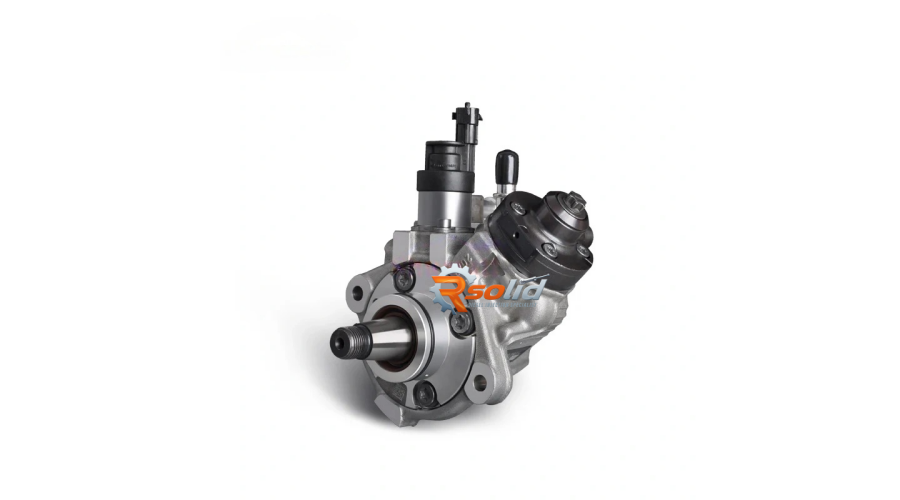
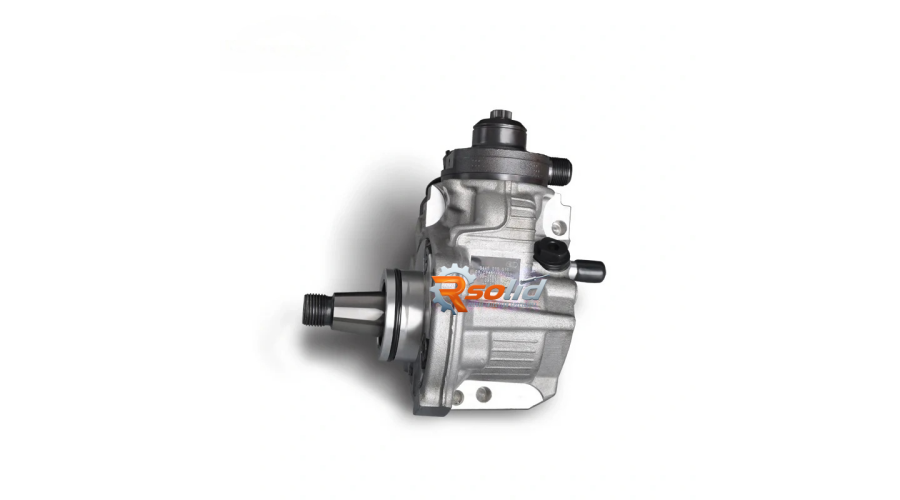
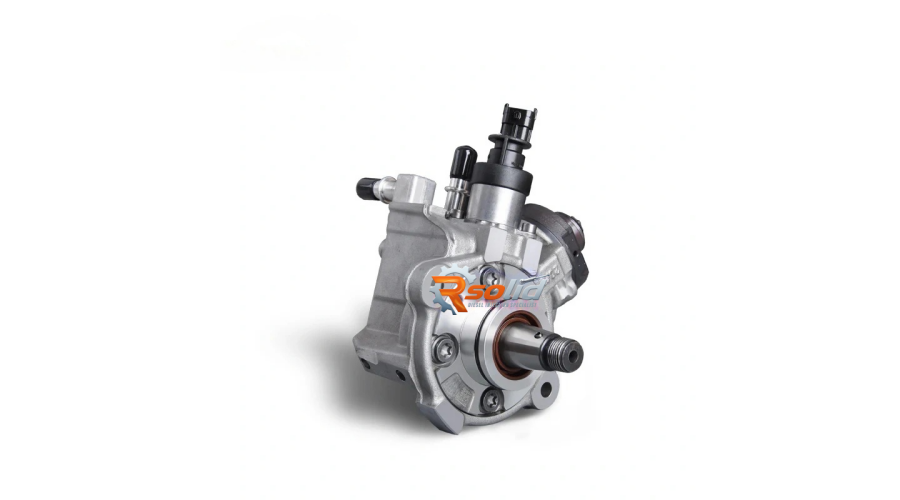
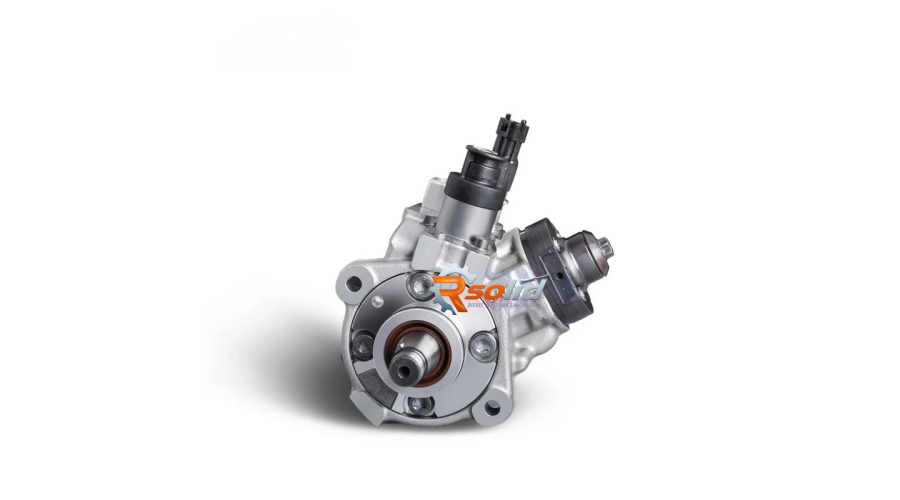
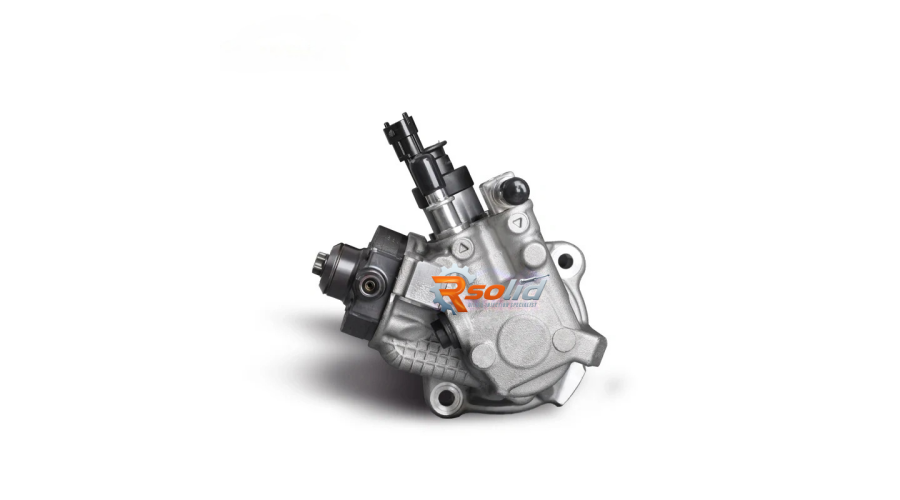
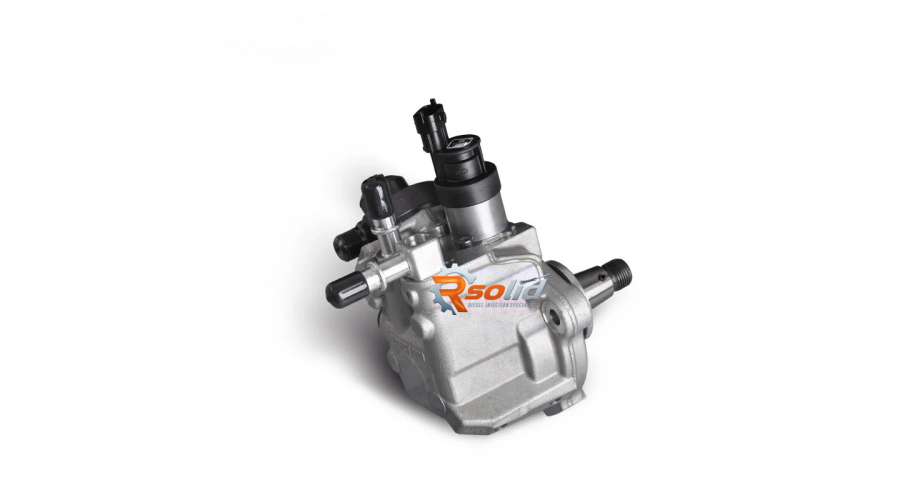
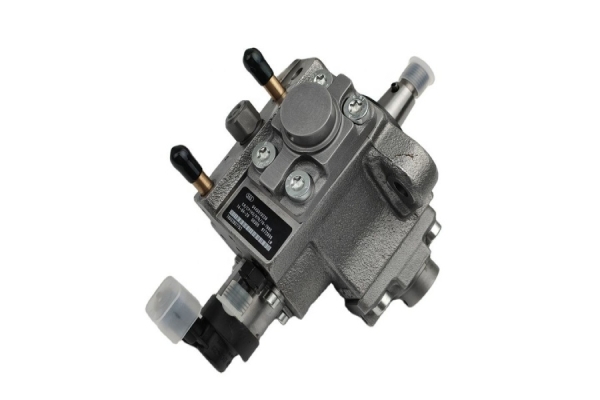
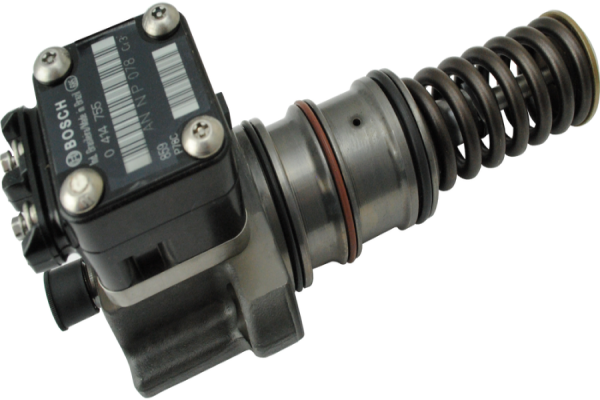
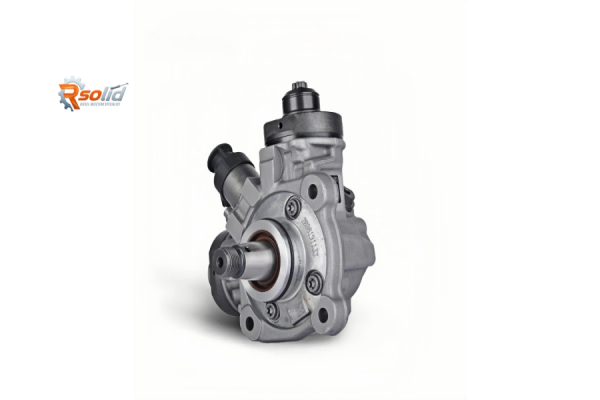
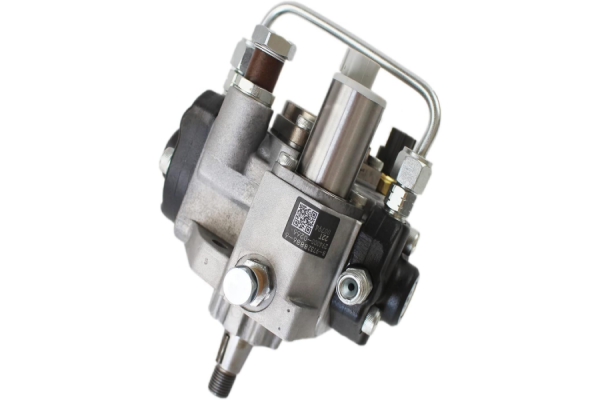
Hyundai’s R‑series diesel engines power a wide range of SUVs, sedans, and light commercial vehicles around the world. The 0445010511 common rail fuel pump is a high‑pressure injection pump, fully compatible with Bosch CP4S1 architecture, specifically calibrated for Hyundai 2.0L D4HA and 2.2L D4HB CRDi engines. This pump delivers stable rail pressure up to 1,800 bar, ensuring efficient combustion, low emissions, and dependable cold starts.
Rsolid Engine Parts supplies the 0445010511 as a brand‑new, Bosch‑compatible unit – 100% calibration tested, and backed by a full 12‑month warranty at competitive pricing for workshops, fleets, and individual customers.
1. Structural Advantages of the Bosch 0445010511 Pump
The 0445010511 belongs to the Bosch CP4S1 series – an evolution of the CP4 common rail platform. It offers several engineering advantages for Hyundai CRDi engines:
CP4S1 Two‑Plunger Radial Design – Two opposing plungers arranged radially around a precision‑ground eccentric cam deliver stable, high‑volume fuel flow with minimal pressure ripple. This reduces stress on the common rail and injectors, promoting longer component life.
Integrated Vane‑Type Transfer Pump – A built‑in low‑pressure vane pump draws fuel from the tank and supplies the high‑pressure plungers, eliminating the need for an external lift pump and simplifying installation.
High‑Pressure Capability (1,800 bar) – Generates rail pressures up to 1,800 bar (26,100 psi), enabling superior fuel atomisation for complete combustion, lower soot formation, and improved fuel economy – essential for Euro 5 and Euro 6 compliance.
High‑Pressure Fuel Lubrication – All moving internal parts (plungers, roller shoes, eccentric cam) are lubricated solely by diesel fuel, removing the need for external oil lines and ensuring consistent lubrication.
Integrated Digital Flow Control Valve (ZME) – An inlet metering solenoid valve precisely regulates fuel entry based on ECU demand, providing accurate rail pressure control, improved throttle response, and lower fuel consumption.
Robust Cast Housing with Anti‑Corrosion Coating – The pump housing is manufactured from high‑strength aluminium with a protective coating, designed to withstand vibration, temperature cycling, and environmental exposure.
Direct Bosch CP4S1 Compatibility – Identical mounting flange (3‑bolt SAE pattern), drive gear interface, high‑pressure outlet ports, and electrical connector as the original Bosch 0445010511. True plug‑and‑play replacement with no modifications.
Cross‑Reference Compatibility – The 0445010511 is also listed under numbers 0445010544, 0986437431, and Hyundai OEM 33100‑2F000, making it easy to verify fitment.
2. Compatible Hyundai & Kia Models (≤5)
The 0445010511 pump is specifically calibrated for the Hyundai‑Kia R‑series diesel engine family, including the 2.0L D4HA and 2.2L D4HB CRDi turbo‑diesel engines. Compatible vehicles include:
Hyundai Santa Fe (CM, DM, TM) – 2.2 CRDi, 197 hp, D4HB engine (2009–2020)
Hyundai Grand Santa Fe (NC) – 2.2 CRDi, D4HB engine (2013–2019)
Hyundai Grandeur / Azera (HG, IG) – 2.2 CRDi, D4HB engine (2011–2018)
Hyundai Tucson (TL, TLE) – 2.0 CRDi, D4HA engine (2015–2020)
Kia Sorento (XM, UM) – 2.2 CRDi, D4HB engine (2009–2020)
Kia Carnival (VQ, YP) – 2.2 CRDi, D4HB engine (2010–2021)
Hyundai Palisade (LX2) – 2.2 CRDi, D4HB engine (2019–present)
✅ Important Fitment Note – Before ordering, always verify the Bosch number on your original pump (stamped on the nameplate) and confirm your engine code (D4HA for 2.0L or D4HB for 2.2L). The 0445010511 is a direct cross‑reference to 0445010544 and 33100‑2F000.
3. Common Failures & Professional Installation/Replacement Advice
3.1 Typical Symptoms of a Failing 0445010511 Pump
Loss of power under acceleration or load – The vehicle feels sluggish, especially when overtaking or climbing hills, often accompanied by black exhaust smoke.
Extended cranking time before start – Engine struggles to start after overnight parking due to insufficient rail pressure.
Engine surging or rough idle – Inconsistent fuel delivery at low RPM, causing hunting or misfiring.
DTC codes P0087, P0088, or P0191 – Rail pressure too low, too high, or sensor rationality fault. Use Hyundai GDS or a compatible diagnostic tool.
Metal particles in the fuel filter – A clear sign of CP4 internal wear (plunger scuffing or roller bearing failure). Even tiny ferromagnetic particles indicate imminent pump failure.
External fuel leakage – Visible diesel around the pump body, particularly at the drive shaft seal or around the ZME metering valve.
Diesel contamination in engine oil – A failed drive shaft seal allows fuel to enter the crankcase, leading to rising oil level and risk of engine damage.
3.2 Professional Installation & Replacement Recommendations
Perform a complete fuel system diagnosis – Use Hyundai GDS, Bosch KTS, or a generic scanner with live data to verify rail pressure, injector return flow rates, and related faults.
Replace the fuel metering valve (ZME) – If the old pump has failed, replace the ZME solenoid valve with a new one. A faulty ZME can cause repeat pump failure.
Replace all fuel filters – Install new OEM‑quality primary (water separator) and secondary fuel filters before running the new pump. CP4 pumps are highly sensitive to contamination.
Flush the entire fuel system – Drain and clean the fuel tank. Blow out all supply and return lines with compressed air. Replace any rubber hoses that show degradation. This step is non‑negotiable – debris from a failed CP4 will destroy a new pump within minutes.
Inspect and flow‑test all injectors – High return flow from worn injectors will prevent correct rail pressure and cause repeat pump failure. Have all injectors professionally cleaned or replaced.
Replace the engine oil and filter – If diesel has contaminated the oil, change the oil and filter BEFORE running the new pump.
Prime the low‑pressure circuit – Use a hand vacuum pump on the fuel return line to pull bubble‑free fuel through the pump and filters. Never dry‑crank the pump.
Fill the pump with clean diesel – Remove the high‑pressure outlet fitting and pour clean, lubricious diesel (or Bosch assembly lubricant) into the pump housing to prevent dry start scoring.
Torque all connections to specification – High‑pressure outlet (M14×1.5 cone seal): 35–40 Nm. Low‑pressure inlet (M16×1.5): 25 Nm. High‑pressure line union nuts: 35–40 Nm. Drive shaft nut: consult the workshop manual (typically 80–100 Nm).
Reset fuel adaptations – Use a diagnostic tool to clear learned fuel trim values and perform a “high‑pressure pump adaptation” or “fuel system learn” routine.
Perform a leak test – Idle the engine for 10 minutes, then inspect all high‑pressure and low‑pressure unions, the pump mounting area, and the drive shaft seal for signs of fuel wetness.
Monitor rail pressure – Using live data, verify that actual rail pressure tracks within ±20 bar of specified value across all RPM ranges.
💡 Pro Tip – CP4 pumps are sensitive to water and low‑quality diesel. Always drain the water separator regularly. Consider installing a secondary 5‑micron fuel filter and using a fuel additive with lubricity enhancer, especially when running biodiesel blends.
4. Why Choose Rsolid Engine Parts as Your Supplier
✅ Exact Bosch CP4S1 Compatibility – Direct replacement for 0445010511 in Hyundai and Kia D4HA/D4HB engines. No modifications.
✅ 100% Calibration Tested – Each pump is run on a Bosch EPS 200 test bench to verify delivery volume, rail pressure stability, ZME response, and leak‑free operation. Test reports available.
✅ 12‑Month Warranty – Full coverage against manufacturing defects, even for high‑mileage vehicles.
✅ Competitive Pricing – Volume discounts for workshops, parts distributors, and fleet operators.
✅ Fast Worldwide Shipping – Stock ready to ship to Asia, Europe, Africa, the Middle East, and the Americas.
✅ Expert Technical Support – Our diesel injection specialists provide pre‑purchase fitment verification, diagnostic assistance, and installation guidance via WhatsApp or email.
Contact Rsolid Engine Parts Today
📞 WhatsApp: +8615975376778
📧 Email: amy@rinjector.com