


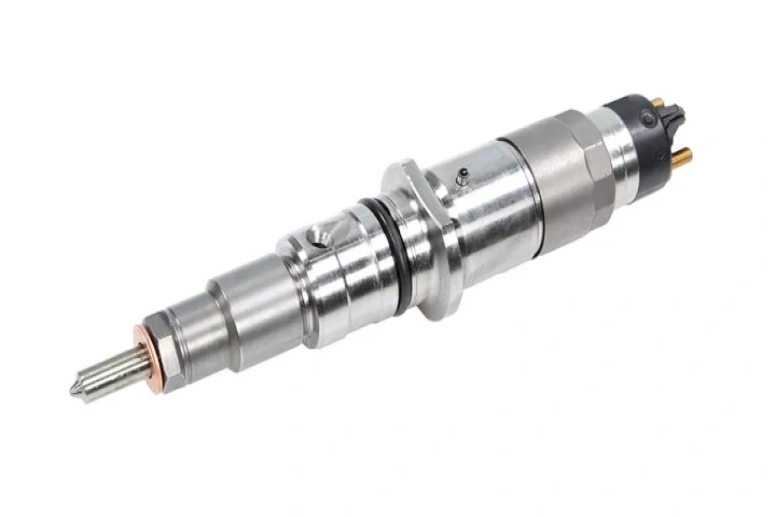
6.7L Cummins ISB Common Rail Injectors: Symptoms, Failure Signs, and Replacement Best Practices
The 6.7-liter Cummins ISB (Inline Six, B-series) is the backbone of the RAM Heavy Duty lineup and a staple in medium-duty commercial trucks. Renowned for its rugged durability and massive torque output, this common-rail turbo-diesel engine is nonetheless susceptible to one critical component failure: the fuel injectors.
Modern high-pressure common-rail (HPCR) injectors operate under extreme pressures—exceeding 26,000 PSI. When they fail, the consequences cascade quickly. Replacing these injectors is not a "slap-and-go" job; it requires meticulous attention to detail.
In this guide, we break down the undeniable symptoms of failing injectors, outline critical replacement precautions, and offer the best installation practices to get your 6.7L ISB running like new again.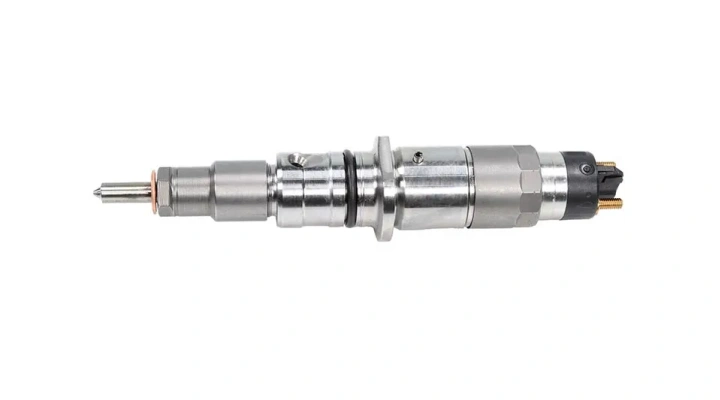
H2: Top 5 Symptoms of Failing 6.7L Cummins ISB Injectors
The 6.7L ISB uses piezoelectric or solenoid injectors (depending on the year). Unlike gasoline engines, a failed diesel injector rarely leaves you stranded immediately—but it will make its presence known through performance and drivability issues. Here are the tell-tale signs:
1. Rough Idle and "Rolling" Smoke
When an injector hangs open or fails to atomize fuel properly, the idle becomes choppy. You will often see white or light gray smoke at idle, which smells strongly of unburnt diesel. This is a classic sign of a dripping injector.
2. Loss of Power and Poor Throttle Response
If your engine feels lethargic during acceleration—especially when towing—it is often due to reduced injection pressure or an injector that isn't opening fully. The ECM (Engine Control Module) may derate power to protect the engine if it detects a fuel trim imbalance.
3. Excessive Black Smoke Under Load
A stuck-open injector or one with a worn-out nozzle dumps too much fuel into the cylinder. This results in thick black soot pouring out of the exhaust when you climb a grade or floor the accelerator. This not only hurts fuel economy but also clogs your EGR and DPF systems.
4. Fuel in the Engine Oil (Crankcase Dilution)
This is the most dangerous symptom. Diesel fuel leaking past the piston rings or through the injector body will contaminate the engine oil. Check your dipstick—if the oil level is rising instead of falling, or if it smells strongly of diesel, your injectors are washing down the cylinders. This destroys bearing surfaces and can lead to a catastrophic spun bearing.
5. Hard Starting and Long Cranking Times
If the high-pressure rail bleeds down overnight due to an internal injector leak, you will experience extended crank times. The CP3 pump has to re-prime the entire system before the engine fires.
H2: Pre-Installation Precautions (Before You Remove the Old Ones)
Replacing 6.7L Cummins injectors is a high-stakes procedure. Contamination is the #1 killer of new injectors. Before you even touch the fuel lines, follow these critical precautions:
H3: Cleanliness is Non-Negotiable
The tolerances inside these injectors are measured in microns (1/1000th of a millimeter). Even a speck of rust or dirt can score the plunger and ruin the injector instantly.
Degrease the valve cover: Use a pressure washer or heavy-duty degreaser to remove all dirt from the cylinder head and fuel lines before disassembly.
Cap everything: Immediately cap the high-pressure lines, the fuel rail ports, and the injector bores with clean plastic caps as soon as you open the system.
H3: The High-Pressure Fuel Line Mandate
Never reuse high-pressure fuel lines on the 6.7L ISB. These lines are torque-to-yield. Once compressed, the sealing ferrule deforms. Reusing a line almost guarantees a high-pressure leak. At 26,000 PSI, a leaking line can spray fuel with enough force to penetrate human skin (injection injury) or cause an under-hood fire.
Recommendation: Always purchase a complete OEM-grade high-pressure line replacement kit.
H2: Step-by-Step Installation Notes and Crucial Tips
Installing the injectors themselves requires precision. Do not rush these steps.
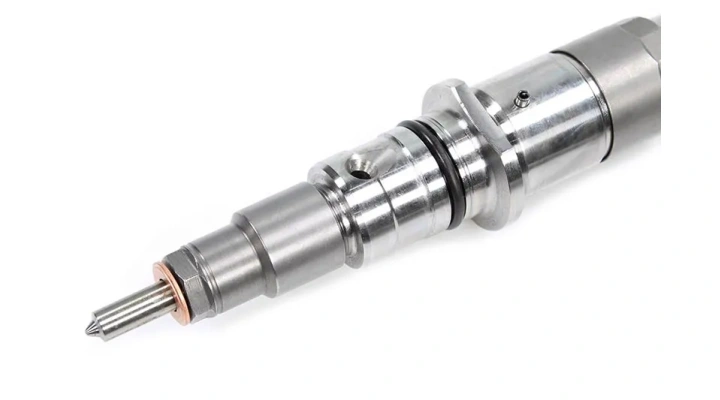
1. Use New Copper Seals and O-Rings
Never install old O-rings or copper sealing washers. The copper washer at the base of the injector creates the critical seal between the combustion chamber and the fuel system.
Tip: Lightly lubricate the new O-rings with clean diesel fuel or assembly lube (never grease, which attracts dirt). This prevents the O-ring from rolling or tearing as you seat the injector into the bore.
2. Clean the Injector Bore (The "Carbon Ring")
The injector sits inside a bore in the cylinder head. Over time, carbon builds up at the tip.
Action: Use a specialized injector bore cleaning tool (a wire brush attachment) to remove the carbon ring at the bottom of the bore.
Crucial Warning: If you don't remove this carbon, the injector will not seat fully against the copper washer. This will lead to combustion gas blow-by, engine knock, and eventually, a burnt injector nozzle.
3. The Torque Sequence Matters
Torque specs are highly specific and require a three-step process for the hold-down clamps:
Hand-tighten the clamp bolt.
Torque to 20 ft-lbs (27 Nm).
Loosen completely.
Torque to 10 ft-lbs (14 Nm).
Final torque: 30 ft-lbs (41 Nm).
Note: Always verify the factory torque specifications for your specific model year (2007-2018 vs. 2019+).
4. High-Pressure Line Installation
Connect the lines to the rail and the injectors. Tighten the line nuts by hand until they seat, then torque them to the manufacturer's specification (typically around 25-30 ft-lbs).
Pro Tip: Use a crowfoot wrench to ensure accurate torque on the compression nuts without bending the metal line.
H2: Post-Installation – The "Injector Calibration Code" (IQA)
This is the step that is often overlooked by DIYers.
Every brand-new Bosch injector for the 6.7L ISB comes with a 7-character IQA (Injector Quantity Adjustment) code—also known as the "trim code."
Why it matters: Manufacturing tolerances mean no two injectors flow exactly the same amount of fuel. The ECM needs this specific code to adjust fuel delivery for each cylinder individually for smooth running and maximum efficiency.
How to do it: You must use a diagnostic tool (like Insite, JPRO, or high-end aftermarket tuners) to input these 7 characters into the ECM for the corresponding cylinder.
Warning: If you do not program the codes, you will likely experience a rough idle, "chuffing" noise, and reduced fuel economy, even with brand-new parts.
H2: Priming and Starting – The "Kick-Start" Procedure
Because you have replaced the high-pressure lines and injectors, the rail is empty of fuel.
DO NOT crank the engine continuously for more than 30 seconds—you will burn out the starter.
Procedure:
Turn the key to "Run" (do not crank) and wait for the grid heater relay to click.
Cycle the key off and back to "Run" 4–5 times to allow the lift pump to push fuel to the CP3 pump.
Crank the engine for 10–15 seconds. It may fire and die immediately—this is normal.
Repeat cranking. The engine should start and run roughly for about 10 seconds as the air purges from the system.
Once running, check for leaks around the high-pressure line connections immediately.
H2: Best Advice for Longevity
To get the maximum lifespan out of your new injectors (usually 150,000–250,000 miles), follow these golden rules:
Change your fuel filters religiously: Use only Mopar or Fleetguard filters. Change them every 10,000–15,000 miles. Water is the enemy of piezoelectric injectors.
Use a fuel additive: A quality diesel lubricity additive (like Opti-Lube or Stanadyne) compensates for the low sulfur content in modern ULSD diesel, which reduces lubricity.
Replace the overflow valve: The fuel rail pressure relief valve on the return side can wear out. If it is weak, it drops rail pressure and mimics injector failure. Consider replacing it during this job.