


Black Smoke vs White Smoke vs Blue Smoke: What Diesel Injector Problem Is Behind Each?
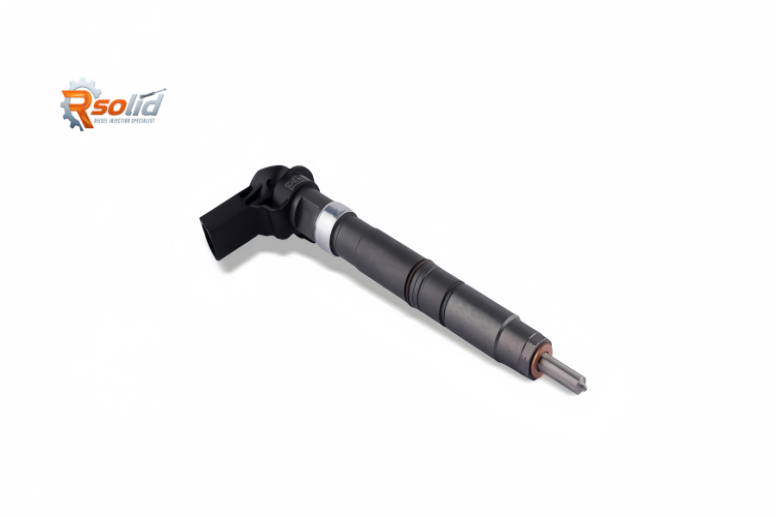
Diesel smoke color is a symptom, not a diagnosis. Black, white, and blue smoke can all point to a diesel injector problem—but not in the same way. A leaking injector may cause black smoke, a dribbling nozzle may cause white smoke, and blue smoke is usually an oil-burning issue rather than a direct injector fault.
This guide explains the injector problems most often linked to each smoke color, includes real-world workshop cases, and shows how to test before replacing parts.
Quick Answer: Diesel Smoke Color and Injector Problems
| Smoke Color | What It Usually Means | Likely Injector Problem | Other Common Causes |
|---|---|---|---|
| Black smoke | Too much fuel or poor fuel-air mixing | Leaking, sticking, or worn injector nozzle; overfueling; poor spray pattern | Clogged air filter, boost leak, turbo fault, EGR issue, incorrect timing |
| White smoke | Unburned fuel vapor or coolant | Injector dribble at low pressure, poor atomization, excessive leak-off, retarded injection timing | Glow plugs, low compression, coolant leak, head gasket, EGR cooler |
| Blue smoke | Burning engine oil | Usually indirect: fuel dilution, bore wash, or injector-related cylinder wear | Worn rings, valve guides, turbo seals, PCV system |
The key point: black and white smoke have stronger direct links to injector faults. Blue smoke rarely does.
Black Smoke: The Overfueling Signal
Black smoke is soot from incomplete combustion. In a modern common-rail diesel, persistent black smoke under load usually means the engine is getting too much fuel for the air available—or the fuel is not being atomized properly.
Diesel injector problems behind black smoke
Worn nozzle tips: Enlarged spray holes deliver too much fuel and a poor spray pattern.
Leaking or dripping injector: Fuel enters the cylinder when it should not.
Stuck-open injector: Causes heavy overfueling and possibly a misfire.
Incorrect injector coding: A replacement injector not coded correctly can deliver the wrong quantity.
Excessive injector return flow: Often accompanies wear and poor performance.
Case 1: Black smoke under acceleration
A 2016 Ford Ranger 2.2 TDCi came in with black haze under acceleration and about 9% worse fuel economy. The air filter and boost system checked out. A leak-off test showed one injector returning noticeably more fuel than the others. On the bench, it had a worn nozzle and a slight dribble. After fitting reconditioned injectors and coding them, the black smoke disappeared.
Lesson: Black smoke plus poor fuel economy and a failed leak-off test is a strong injector clue—but air and boost must be ruled out first.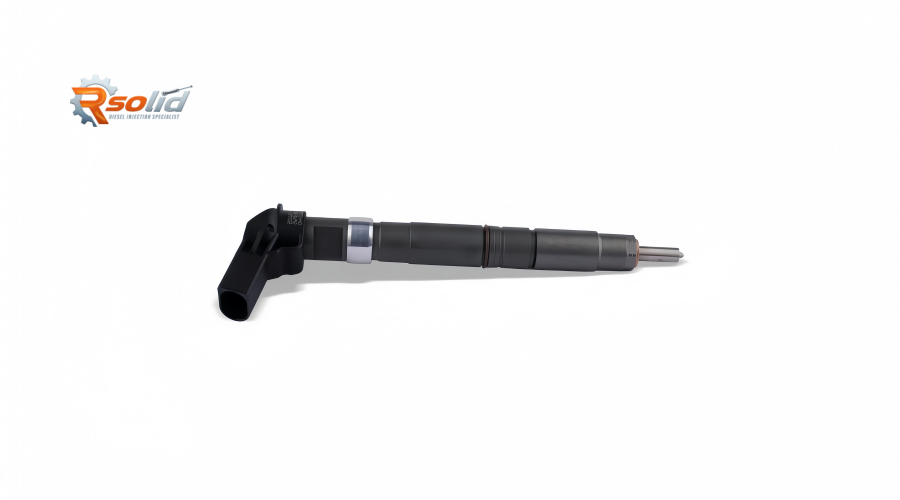
White Smoke: Unburned Fuel or Coolant?
White smoke can be raw diesel vapor or coolant steam. The smell matters: raw diesel white smoke usually stings the eyes and smells like fuel; coolant smoke often smells sweet and may disappear after warm-up.
Diesel injector problems behind white smoke
Injector dribble at low pressure: Fuel leaks into the cylinder without proper atomization.
Poor spray pattern when cold: Worn nozzles may not atomize fuel well during cold starts.
Excessive leak-off: One injector may not build pressure correctly.
Retarded injection timing: Fuel burns late and exits partly unburned.
Air in the fuel system: Often caused by poor injector seal or fuel-line issues.
Case 2: White haze at idle after warm-up
A 2015 Ram 2500 with the 6.7L Cummins developed a white haze at idle even after reaching operating temperature. It had a raw diesel smell and a slight rough idle, but no coolant loss. A leak-off test showed injector #4 returning far too much fuel. After replacing the faulty injector and coding it, the white haze and rough idle were gone.
Lesson: White smoke is not automatically a head gasket. If it smells like diesel and coolant loss is ruled out, injector testing should be next.
Blue Smoke: Usually Oil, Not Injectors—But Injectors Can Contribute
Blue smoke means engine oil is entering the combustion chamber. The direct causes are usually worn piston rings, valve guides, turbo seals, or PCV problems. A bad injector is rarely the direct cause.
However, injectors can contribute indirectly:
A leaking injector can dilute engine oil with diesel.
Fuel dilution reduces oil viscosity and can increase oil consumption.
Severe overfueling can wash cylinder walls and accelerate wear.
Poor combustion can increase crankcase pressure and push oil through the PCV system.
Case 3: Blue smoke with rising oil level
A 2014 Mercedes Sprinter 3.0L V6 came in with blue smoke at idle and an oil level that was rising rather than falling. The oil smelled of diesel. One injector had excessive return flow and a poor spray pattern. After replacement and an oil change, the blue smoke reduced significantly—but a leak-down test also showed mild ring wear. The injector was a contributor, not the only cause.
Lesson: Do not replace injectors for blue smoke alone. Check oil dilution, turbo play, compression, and crankcase ventilation first.
How to Diagnose a Diesel Injector Problem by Smoke Color
Scan for fault codes—misfire, fuel pressure, and injector balance codes.
Check air and boost first for black smoke—air filter, intercooler pipes, turbo.
Check coolant loss and smell for white smoke—do not skip the head gasket test.
Run an injector leak-off test—compare return flow across all injectors.
Check oil level and smell for blue smoke—fuel dilution is a red flag.
Bench-test suspect injectors—spray pattern, back leakage, and delivery quantity.
Code replacement injectors correctly—incorrect coding can recreate the smoke issue.
FAQ
Can a bad injector cause blue smoke?
Only indirectly. Blue smoke is oil burning. A leaking injector can dilute oil or cause cylinder wear, but rings, turbo seals, and valve guides are more common direct causes.
Does white smoke always mean a head gasket?
No. Cold-start white smoke can be normal briefly. Persistent white smoke after warm-up with a diesel smell often points to injector atomization or timing.
Will injector cleaner fix black smoke?
It may help mild deposits, but it will not repair worn nozzles, sticking injectors, or excessive leak-off.
Should I replace all injectors at once?
Not automatically. Test first. On high-mileage common-rail engines, replacing as a matched set can be justified, but diagnosis should come before parts.
Conclusion
Black smoke, white smoke, and blue smoke tell different stories. Black smoke most directly points to overfueling from leaking, sticking, or worn injectors. White smoke can indicate injector dribble, poor atomization, or timing issues—but coolant leaks must be ruled out. Blue smoke is usually an oil-burning problem, with injectors acting only as indirect contributors.
If your diesel is smoking, start with proper testing—leak-off, scan data, air/boost checks, and bench testing—rather than guessing at injectors. The right diagnosis saves money and gets the smoke fixed the first time.