


Can You Clean Diesel Injectors Without Removing Them? What Works and What Doesn‘t
What “Cleaning Without Removal” Really Means
There are two main ways to clean diesel injectors on the engine:
Fuel-tank additive cleaning — a detergent-based diesel injector cleaner is added to the fuel tank and cleans light deposits as you drive.
Professional on-engine cleaning — a trained technician uses an approved cleaning procedure and chemistry through the fuel system while the engine is running.
Both can work for mild deposit-related symptoms: rough idle, slight hesitation, poor fuel economy, or occasional smoke. Neither is a substitute for bench testing or replacement when an injector is mechanically worn.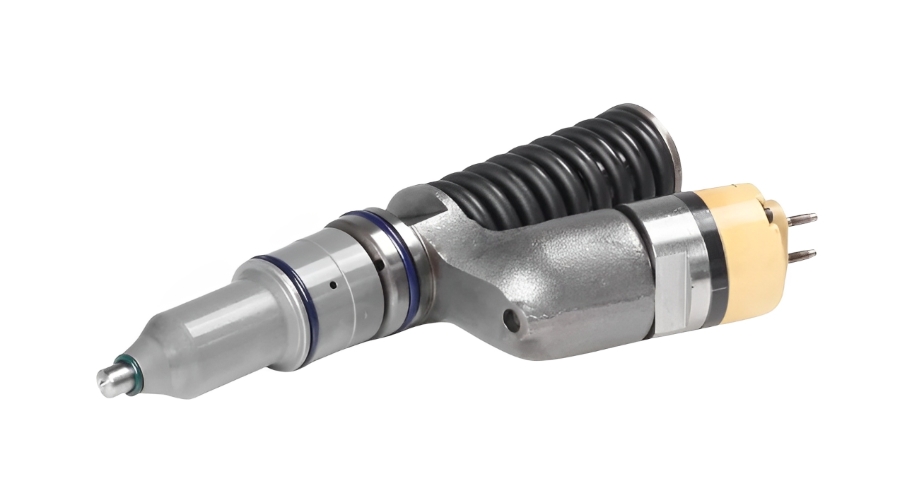
What Works—and What Doesn’t
| Method | What it can do | Verdict |
|---|---|---|
| Quality diesel injector cleaner added to tank | Dissolves light varnish/gum; helps restore spray pattern in mild cases | ✅ Works for light deposits |
| Professional on-engine injector cleaning | Stronger controlled cleaning of fuel system and injector tips | ✅ Works when done correctly |
| New fuel filter + water separator | Removes restriction and protects injectors | ✅ Always check first |
| Correct drive cycle after treatment | Helps cleaner work under load and heat | ✅ Works |
| Brake cleaner, acetone, ATF, or kerosene in the tank | Can damage seals, pumps, and injectors | ❌ Never |
| Overdosing multiple additives | No extra benefit; possible damage | ❌ Doesn’t work |
| Cleaning to fix a dead misfire or metal debris | Worn injector or contaminated system needs repair | ❌ Doesn’t work |
| Ignoring low rail pressure or high return flow | Cleaning cannot fix mechanical wear | ❌ Doesn’t work |
When On-Engine Cleaning Is Worth Trying
Cleaning without removal is most likely to help when:
The truck starts and runs, but idle is slightly rough.
Fuel economy has dropped gradually.
There are no hard injector fault codes.
The fuel filter and water separator are clean and recently replaced.
The vehicle has a history of short trips, poor fuel, or long service intervals.
Injector return flow and balance rates are within or near specification.
It is not worth trying when:
The engine has a dead misfire or hard starting when hot.
There are metal particles in the fuel filter or tank.
Injector return flow is far out of spec.
A scan tool shows an injector electrical circuit fault.
The fuel system has been contaminated with water or debris.
The injector nozzle is cracked or the needle is seized.
In those cases, removal and bench testing—or replacement—is the safer path.
How to Clean Diesel Injectors Without Removing Them Safely
Diagnose first. Scan for codes, check rail pressure, injector balance/return flow, fuel filter restriction, and water contamination.
Replace the fuel filter and water separator if due. Cleaning a dirty system through a clogged filter is wasted effort.
Choose a diesel-rated detergent cleaner. Follow the label dose exactly. Do not mix several products.
Add to a low fuel tank, then fill with quality diesel. This helps mixing and dosing.
Drive under varied load. A 20–30 minute mixed highway/city drive is better than idling.
Monitor results. If there is no improvement after a proper treatment and drive cycle, move to professional on-engine cleaning or injector testing.
Never pour harsh solvents directly into the fuel rail unless you are trained and using the manufacturer’s procedure.
Case Study 1: Cleaning Helped—but Revealed a Worn Injector
A 2018 Ram 2500 with the 6.7L Cummins came in with a slightly rough idle and occasional white haze at 148,000 miles. There were no hard fault codes. The owner had already tried two bottles of a generic injector cleaner with no change.
The shop replaced the fuel filter, checked return flow, and found one injector borderline high. A professional on-engine cleaning was performed with an approved diesel fuel-system cleaner, followed by a proper drive cycle. The idle smoothed noticeably and the haze reduced. However, return flow on cylinder #4 was still high, so that injector was eventually replaced.
Lesson: On-engine cleaning can improve mild deposits, but it also helps reveal mechanical wear. It is a diagnostic tool as much as a repair.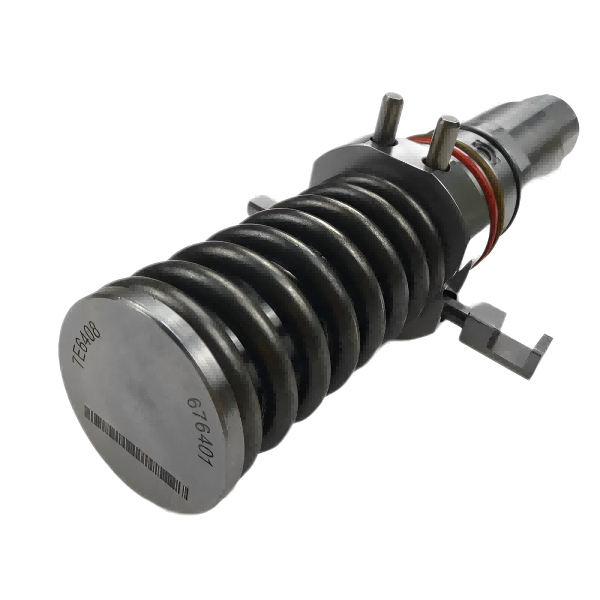
Case Study 2: Mild Deposits Responded to Cleaner + Filter
A 2014 Volkswagen Passat 2.0 TDI with 118,000 miles had a slightly uneven idle and about a 1 MPG drop. No injector codes were stored. The fuel filter was overdue, and the owner used a quality diesel injector cleaner at the correct dose after the filter change.
After a 250-mile mixed drive cycle, idle quality improved and fuel economy recovered by roughly 1 MPG. The injectors were not removed. A follow-up scan showed no new faults.
Lesson: For light deposit symptoms, a quality cleaner plus a fresh filter and proper driving can be enough. But this was not a severe injector failure—and no additive would have fixed one.
Case studies are illustrative workshop examples. Results vary by vehicle, fuel quality, and injector condition.
The Bottom Line
You can clean diesel injectors without removing them—if the problem is light deposit buildup. Use a reputable diesel injector cleaner, maintain the fuel filter, and drive the vehicle properly. If symptoms persist, get professional diagnostics before spending more on additives.
Do not use harsh solvents, do not overdose, and do not expect cleaning to fix worn or contaminated injectors. The best result comes from matching the method to the actual fault.
Shopping for diesel injector cleaner or fuel filters? Browse our diesel injector cleaners and fuel filters to choose the right maintenance parts for your engine.
FAQ
Can diesel injectors be cleaned without removal?
Yes, for mild deposits. Fuel additives and professional on-engine cleaning can help. They cannot repair worn nozzles or electrical faults.
Does diesel injector cleaner really work?
It works best on light varnish and gum. It is not a repair for a failed injector.
How long does on-engine cleaning take?
A tank additive works over a full tank and drive cycle. Professional on-engine cleaning usually takes about 1–2 hours, depending on the procedure.
Is it safe to use injector cleaner in a common-rail diesel?
Use only a diesel-rated product at the label dose. Avoid harsh solvents and never pour cleaner directly into the high-pressure rail unless trained.
How do I know if my injector is bad?
Look for misfire codes, high return flow, poor balance rates, hard hot starting, or metal debris. Bench testing is the final answer.