



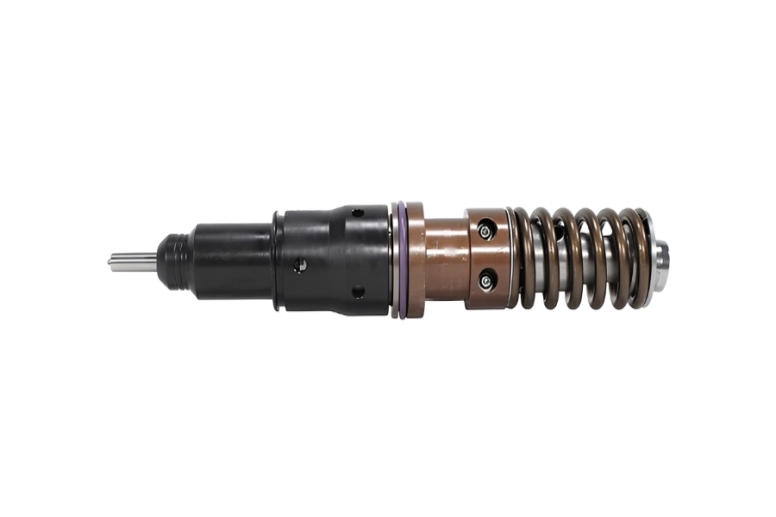
P2146 and P2149: Injector Supply Voltage Faults and How to Diagnose Them
Modern diesel engines are engineering marvels, but they are also incredibly sensitive to electrical irregularities. If you are a technician or a DIY enthusiast, seeing a P2146 or P2149 code on your scan tool can be intimidating. These codes point to the Injector Supply Voltage Circuit, a critical system that powers the fuel injectors.
In this guide, we will break down what these codes mean, the symptoms to look for, and a step-by-step diagnostic strategy to get the vehicle back on the road. We will also look at two real-world case studies to illustrate how these faults manifest in the shop.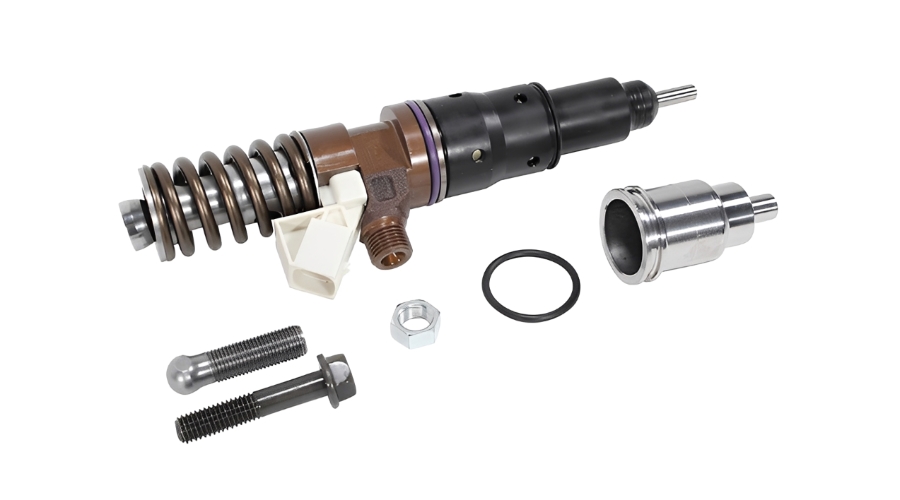
What Do P2146 and P2149 Mean?
Both codes relate to the electrical supply for the fuel injectors. The Engine Control Module (ECM) monitors the voltage supplied to the injectors to ensure they have enough power to fire correctly.
P2146: Fuel Injector Group A Supply Voltage Circuit / Open.
P2149: Fuel Injector Group B Supply Voltage Circuit / Open.
The Difference: On V-engine configurations (like a V8 Duramax or Powerstroke), the injectors are split into two banks. "Group A" (P2146) typically refers to one side of the engine (e.g., Bank 1), while "Group B" (P2149) refers to the other. If both codes appear simultaneously, the issue is likely a main power feed or a ground issue affecting the entire system.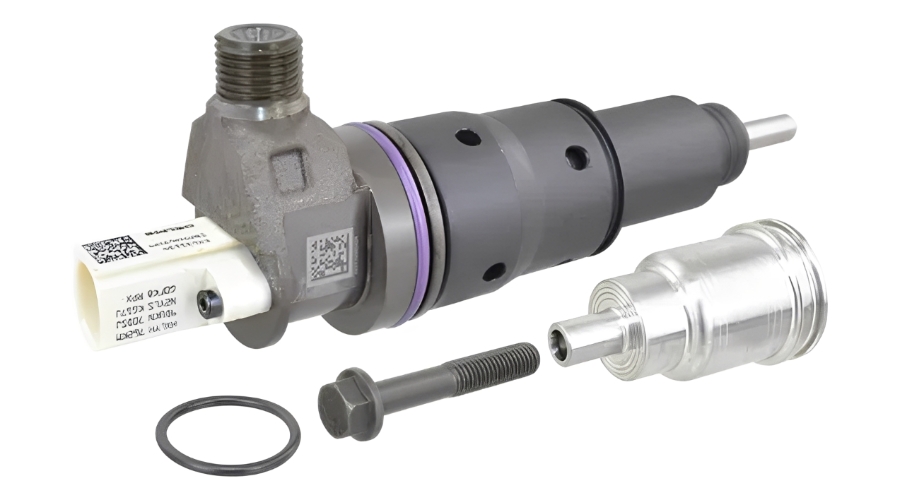
Common Symptoms
No Start/Hard Start: The engine may crank but not fire because the injectors lack the voltage to open.
Rough Running/Misfire: If the voltage is intermittent, the engine will run poorly.
Stalling: The engine may shut off suddenly while driving.
Check Engine Light: The ECM will illuminate the MIL (Malfunction Indicator Lamp).
The Diagnostic Strategy
Diagnosing P2146 and P2149 requires a systematic approach. You are looking for a break in the circuit, a short to ground/power, or a faulty ECM.
Step 1: Visual Inspection and Basics
Before grabbing the multimeter, check the obvious. Look for chafed wires near the valve covers, corroded connectors, or damaged injector harnesses. Diesel engines vibrate heavily, which can wear through wire insulation over time. Check the battery voltage and ensure the charging system is functioning correctly; low system voltage can trigger false injector codes.
Step 2: Retrieve Freeze Frame Data
Use your scan tool to see exactly when the code set. Was it at idle? Under heavy load? High RPM? This context helps narrow down whether the issue is heat-related, vibration-related, or load-related.
Step 3: The Voltage Drop Test (The "Load" Test)
This is the most critical step. You cannot simply check for voltage at the injector with the key on; you need to test the circuit under a load.
Disconnect the injector harness.
Connect a headlight bulb or a high-impedance test light across the power and ground terminals of the harness (or use a multimeter set to measure voltage drop while the circuit is active).
If the voltage drops significantly when the load is applied, there is excessive resistance in the wire—likely a corroded connection or a broken strand inside the insulation.
Step 4: Check the Grounds
Poor engine grounds are notorious for causing injector supply voltage codes. The ECM and injectors rely on a solid chassis ground. Clean the ground straps from the engine block to the chassis and ensure the ECM grounds are tight and corrosion-free.
Step 5: Scope the Circuit
If the wiring visually checks out, use an oscilloscope on the injector pulse. You are looking for a clean square wave. If the voltage spike is low or the pattern is erratic, the ECM driver might be failing, or there may be a short inside the injector solenoid itself.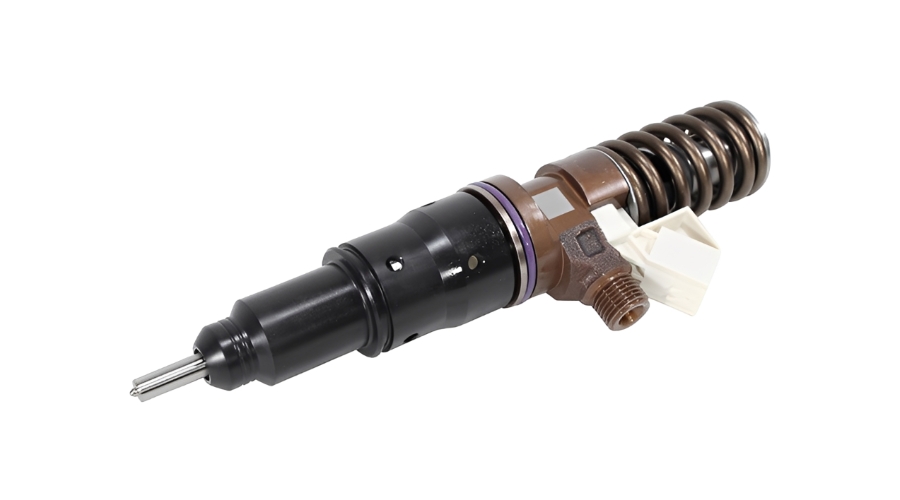
Real-World Case Studies
To understand how these codes behave in practice, let’s look at two distinct scenarios encountered in professional repair shops.
Case Study 1: The Chafed Harness (2008 Duramax)
The Complaint: A customer brought in a 2008 Duramax with a P2146 code and a severe misfire. The truck would start fine cold but would buck and stall once warmed up.
The Diagnosis: The technician began with a visual inspection. The customer had recently installed aftermarket valve covers. The "Group A" injector harness on the driver's side was routed too close to the EGR pipe. The heat and vibration had chafed the insulation on the pink power wire, causing a short to ground against the valve cover bolt.
The Fix: The technician repaired the wire, applied high-temp loom, and rerouted the harness away from the EGR pipe. A relearn procedure was performed, and the misfire disappeared.
Case Study 2: The Failing ECM (2012 Ford Powerstroke)
The Complaint: A 2012 Ford F-250 (6.7L Powerstroke) arrived on a tow truck with codes P2146 and P2149, along with a crank-no-start condition.
The Diagnosis: The technician checked the power supply to the injectors and found it was dead on both banks. Initially suspecting a fuse, the tech confirmed the fuse was good but the voltage was dropping out of the ECM relay. After consulting a wiring diagram, the tech found that the ECM was not providing the ground signal to trigger the injector power relay. Further testing revealed water intrusion in the ECM connector, corroding the pins.
The Fix: The ECM connector was cleaned and dielectric grease was applied. However, the corrosion had damaged the internal logic of the ECM. The unit required replacement and programming. After installing the new ECM, both the P2146 and P2149 codes were resolved.
Conclusion
Diagnosing P2146 and P2149 is often a game of electrical hide-and-seek. The fault usually lies in the harness (chafing/heat), a bad connector, or a faulty ground. Remember to always test under load and never replace the ECM as a "guess"—the vast majority of these codes are caused by simple wiring issues.