


Why Fuel Rail Pressure Drops Overnight ?
The fuel system is designed to hold pressure after shutdown. That residual pressure helps the engine start quickly and prevents fuel from draining back to the tank.
Pressure can bleed off for several reasons:
Leaking injector: fuel seeps past the injector nozzle or return circuit into the cylinder or return line.
Faulty fuel pump check valve: pressure drains back toward the tank.
Leaking pressure regulator: especially on return-style gasoline systems.
External leak: a fitting, line, or seal that weeps fuel.
High-pressure pump internal leak: more common on direct-injection gasoline and common-rail diesel systems.
The injector leak-down test helps isolate the injector from the rest of the system. If rail pressure falls faster than the manufacturer’s specification—and capping or isolating the injectors slows the drop—you have found the area to focus on.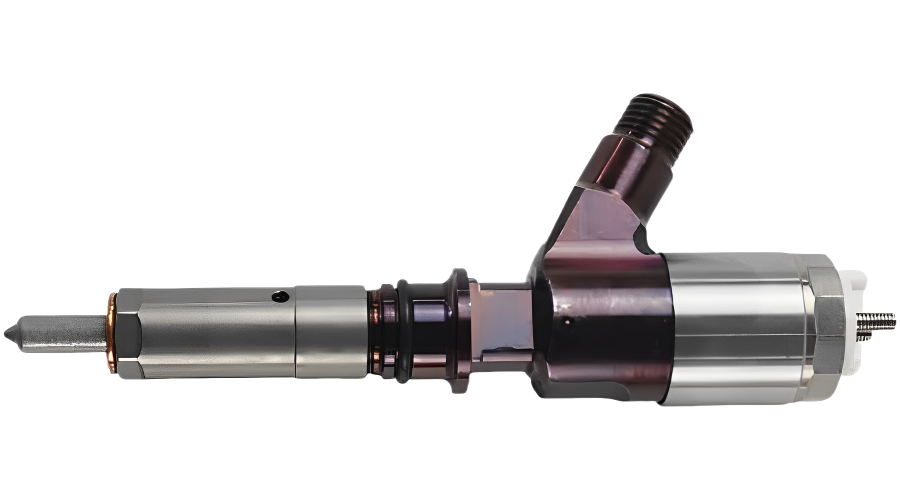
Symptoms of an Injector Draining the Rail
A leaking injector does not always set a check-engine light. Watch for:
Long cranking time after an overnight soak
Hard starting when cold, normal restart when warm
Fuel smell in the engine bay or exhaust
A single cylinder running rich, causing black smoke or soot
Rough idle, misfire, or a slight skip at startup
Diesel engines with excessive injector return flow and a rough cold start
Fuel dilution in the engine oil in severe cases
These symptoms overlap with low fuel pressure, air in the fuel system, and glow plug or ignition faults, so pressure testing is essential.
How to Perform an Injector Leak-Down Test
Exact procedures vary by fuel system. Always follow the OEM service information and observe high-pressure fuel safety. Gasoline direct injection and common-rail diesel systems can store extremely high pressure.
1. Prepare the Vehicle Safely
Let the engine cool.
Depressurize the fuel system according to the manufacturer’s procedure.
Wear eye protection and have a fire extinguisher nearby.
Work in a well-ventilated area away from ignition sources.
2. Connect a Fuel Pressure Gauge
Install a suitable gauge on the fuel rail test port or at the manufacturer-specified test point. For diesel common-rail systems, use a high-pressure-rated gauge and follow the OEM test routine. For many gasoline systems, a standard fuel pressure gauge is enough.
3. Run the Pump and Record the Starting Pressure
Key on or command the fuel pump with a scan tool to build pressure. Record the pressure with the pump running and after it stops.
4. Monitor Pressure Drop Over Time
With the engine off and the pump disabled, watch the gauge. Record pressure at set intervals—for example, immediately after shutdown, then every 5 or 10 minutes. Compare the drop to the manufacturer’s leak-down specification.
A rapid drop points to a leak. A slow drop may still be normal for the system, so do not condemn an injector without a specification or a comparison test.
5. Isolate the Injectors
This is the decisive step. Depending on the system, you can:
Cap individual injector feed lines and repeat the leak-down test.
Use a scan tool to run an injector balance or shutoff test where supported.
Measure injector return flow on diesel systems with a graduated cylinder or return-flow tester.
Compare the pressure drop with all injectors connected versus isolated.
If pressure holds when an injector is isolated, that injector is the likely leaker. On diesel common-rail systems, a return-flow test is often the fastest way to identify an injector with excessive back leakage.
6. Confirm the Fault
Do not stop at pressure drop alone. Confirm with:
Cylinder contribution or misfire data
Injector return-flow comparison
Visual inspection of the injector tip and combustion chamber
Oil analysis if fuel dilution is suspected
A known-good injector swap only after the test points to a specific cylinder
Case 1: Overnight Hard Start on a Common-Rail Diesel
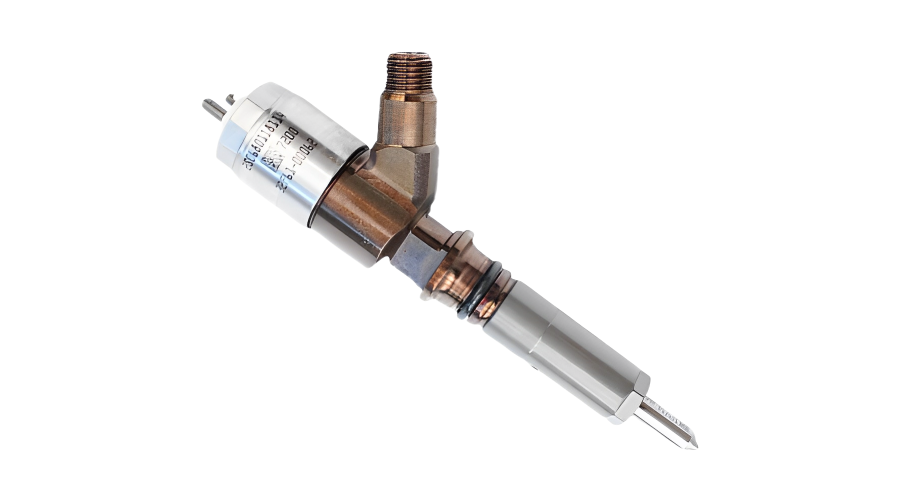
A customer brought in a four-cylinder common-rail diesel that cranked for six to eight seconds every morning. Once running, it idled smoothly and restarted instantly for the rest of the day. There were no fault codes.
The shop connected a fuel pressure gauge and monitored rail pressure after shutdown. Pressure fell much faster than the OEM specification. A return-flow test showed injector No. 3 returning significantly more fuel than the other three.
The injector was not leaking externally. Internally, it was draining the rail through excessive return flow, so the high-pressure pump needed extra time to rebuild pressure on the next cold start. After replacing the faulty injector and coding it to the ECU, the morning crank time returned to normal.
Lesson: On diesel systems, excessive injector return flow can drain rail pressure overnight even when the injector still runs well when the engine is warm.
Case 2: Rich Cylinder and Fuel Smell on a Gasoline Engine
A gasoline direct-injection car had a slight misfire at startup, a fuel smell from the exhaust, and black soot on one spark plug. The owner had already replaced the spark plugs and ignition coil, but the symptom remained.
A leak-down test showed rail pressure dropping faster than specification. When the injectors were isolated one at a time, pressure held only when cylinder No. 2 was capped. A cylinder contribution test confirmed that No. 2 was running rich. The injector was seeping fuel into the cylinder after shutdown, causing the rich startup condition and the fuel smell.
Replacing the leaking injector—and performing the required coding and adaptation—resolved the misfire and the soot problem. The spark plugs and coil had been innocent all along.
Lesson: A leaking gasoline injector can mimic an ignition fault. The leak-down test prevents unnecessary ignition parts replacement.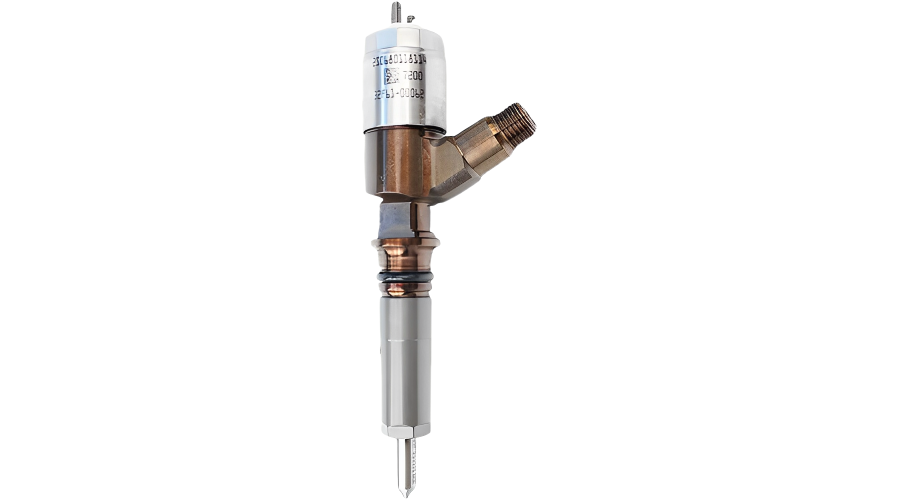
Common Mistakes to Avoid
Assuming the fuel pump is bad first. A check valve can cause pressure loss, but so can an injector. Isolate before replacing.
Skipping the OEM specification. Some pressure drop is normal. Use the manufacturer’s leak-down limit.
Ignoring return flow on diesel. A diesel injector can pass a basic pressure test but fail a return-flow comparison.
Not coding new injectors. Many modern gasoline and diesel injectors require coding or adaptation after replacement.
Overlooking fuel dilution. A badly leaking injector can contaminate engine oil. Check oil level and smell before and after repair.