



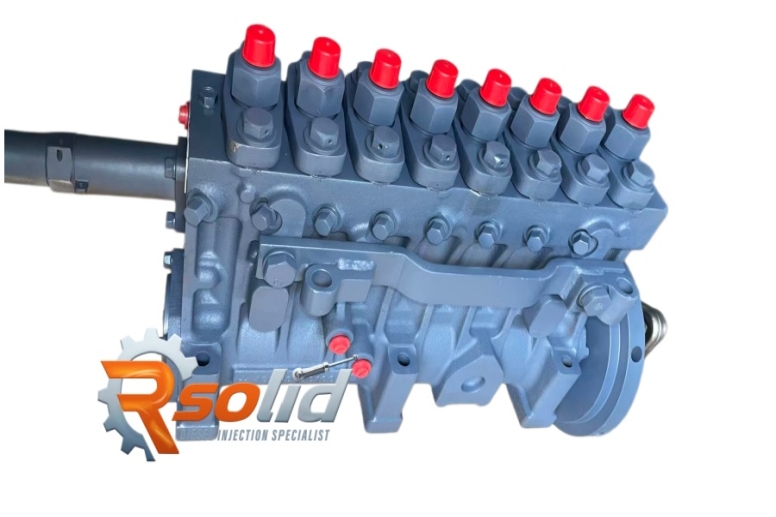
Common Faults and Daily Maintenance Suggestions for Fuel Pumps in Summer Diesel Engines
As the mercury rises, diesel engines face a unique set of challenges. While winter is notorious for fuel gelling, summer heat is the silent killer of fuel injection systems. The fuel pump is the heart of your diesel engine, and when temperatures soar, it requires specific care to avoid catastrophic failure.
In this guide, we explore the most common summer faults affecting diesel fuel pumps and provide actionable maintenance tips to keep your rig running smoothly through the hottest months.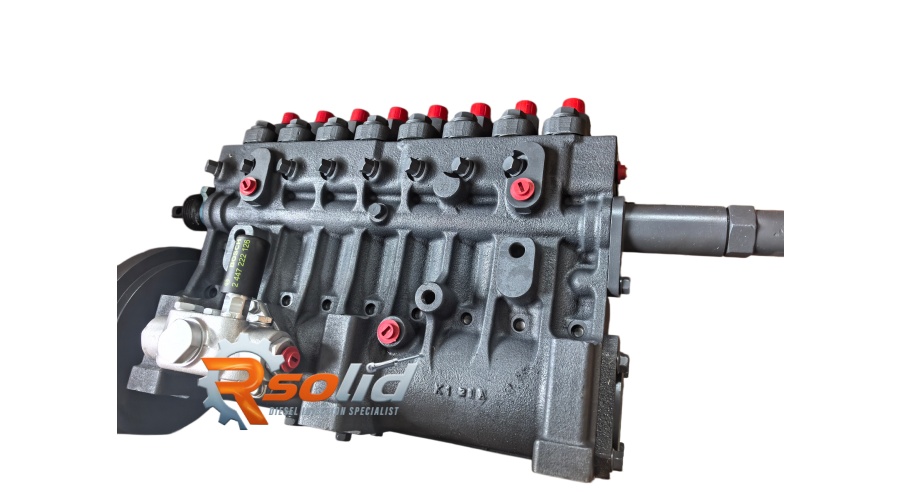
Why Summer Heat is Hard on Diesel Fuel Pumps
Before diving into the faults, it’s essential to understand the "why." Summer heat affects diesel fuel in three primary ways:
Viscosity Drop: Fuel becomes thinner, reducing its lubricity.
Thermal Expansion: Fuel expands, increasing internal pressure within the tank and fuel lines.
Microbial Growth: Warm temperatures create the perfect breeding ground for bacteria and fungi in the water that condenses in your fuel tank.
These factors combine to put extreme stress on the tight tolerances of modern diesel fuel pumps.
Common Summer Faults to Watch For
1. Vapor Lock (Aeration)
Vapor lock occurs when the fuel in the lines gets so hot that it turns to vapor. Because vapor is compressible (unlike liquid fuel), the pump loses its prime and cannot generate the high pressure needed for injection.
Symptoms: Engine stalling, rough idling, and a significant loss of power that worsens as the engine bay heats up.
2. Water Contamination and Microbiological Growth
Summer rain and high humidity lead to condensation in fuel tanks. Water sinks to the bottom of the tank where the fuel pickup is located. This water, combined with heat, allows diesel bug (algae/fungi) to grow.
Symptoms: Clogged filters, black sludge on the fuel pump inlet, and accelerated corrosion of the pump's internal components.
3. Fuel Lubricity Failure
Modern ultra-low sulfur diesel (ULSD) has poor natural lubricity. In summer, the fuel's viscosity drops. If the fuel is not properly treated, the metal-to-metal contact inside the pump (especially in rotary and common rail pumps) will increase.
Symptoms: Whining noise from the fuel pump and metal shavings found in the fuel filter.
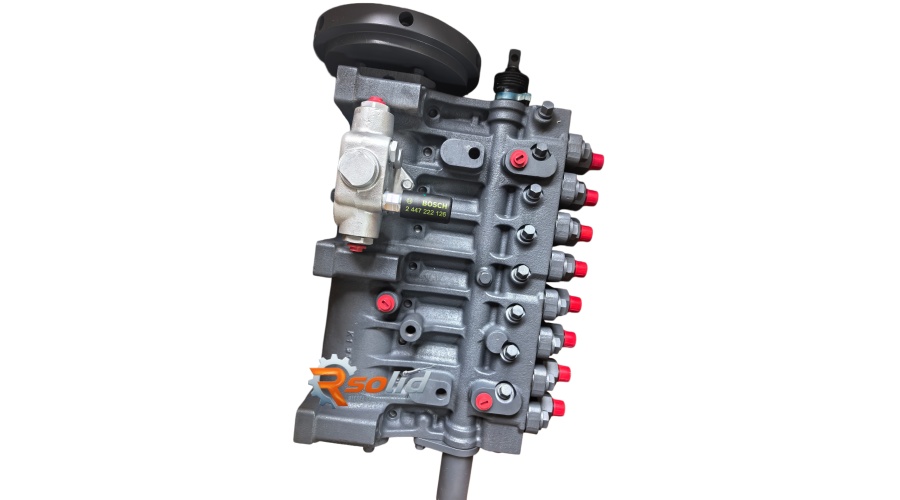
4. Overheating of the Pump Motor
The fuel pump relies on the fuel flowing through it to cool its internal components. If you run the tank low on fuel (below a quarter tank) in 90°F+ weather, the pump sucks in hot fuel and air, which prevents it from cooling down.
Symptoms: Intermittent stalling, followed by a total pump failure after long highway drives.
Daily Maintenance Suggestions for Hot Weather
Prevention is always cheaper than a diesel fuel pump replacement. Here are seven critical maintenance tips for summer operations.
1. Check Your Fuel Water Separator Daily
Make it a habit to drain the water from your water separator every morning before startup. In summer, you will find more water than in winter. Removing this water immediately prevents it from reaching the sensitive high-pressure components.
2. Keep the Tank Full
It is counterintuitive, but in summer, you should top off your tank at the end of each day. A full tank has less "air space" for humid air to enter. This minimizes condensation and keeps the fuel cooler, reducing the risk of vapor lock.
3. Inspect Fuel Lines for "Sweating"
Rubber fuel lines can become porous in high heat. If you see dark, damp spots (sweating) or cracks on the lines, replace them immediately. Porous lines allow micro-air bubbles to enter the fuel stream, which acts like sandpaper on the pump plungers.
4. Use a High-Quality Summer Fuel Additive
While winter additives focus on anti-gel, summer additives should focus on:
Cetane Boost: To compensate for the lower density of hot fuel.
Lubricity Enhancers: To protect the pump from wear.
Biocides: To kill bacteria in the water phase.
5. Ensure Adequate Engine Bay Airflow
Check your radiator and intercooler fins. If they are clogged with dust and bugs, the engine bay temperature spikes. Ensure your cooling fan is working correctly; a hot engine bay directly transfers heat to the fuel pump housing.
6. Replace the Fuel Filter More Often
Summer increases the frequency of fuel filter clogging due to waxes (released by heat) and microbial sludge. Do not wait for the "service required" light. A standard rule for summer is to replace your primary fuel filter every 10,000 miles or 200 hours, rather than waiting for the standard interval.
7. Monitor Return Fuel Line Temperature
The return fuel line brings hot fuel back to the tank. If the tank is too hot, the fuel recirculates and gets hotter. Consider adding an auxiliary cooler to the return line if you operate in consistently high temperatures (over 100°F).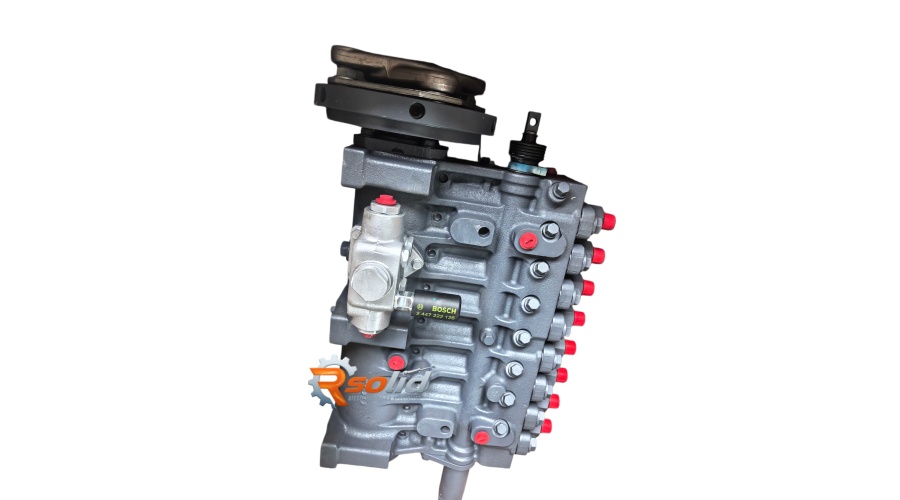
Conclusion
The summer heat doesn't have to be the end of your diesel fuel pump. By understanding the risks—from vapor lock to contamination—and adhering to a strict daily maintenance schedule, you can ensure your engine runs efficiently and reliably all season long.